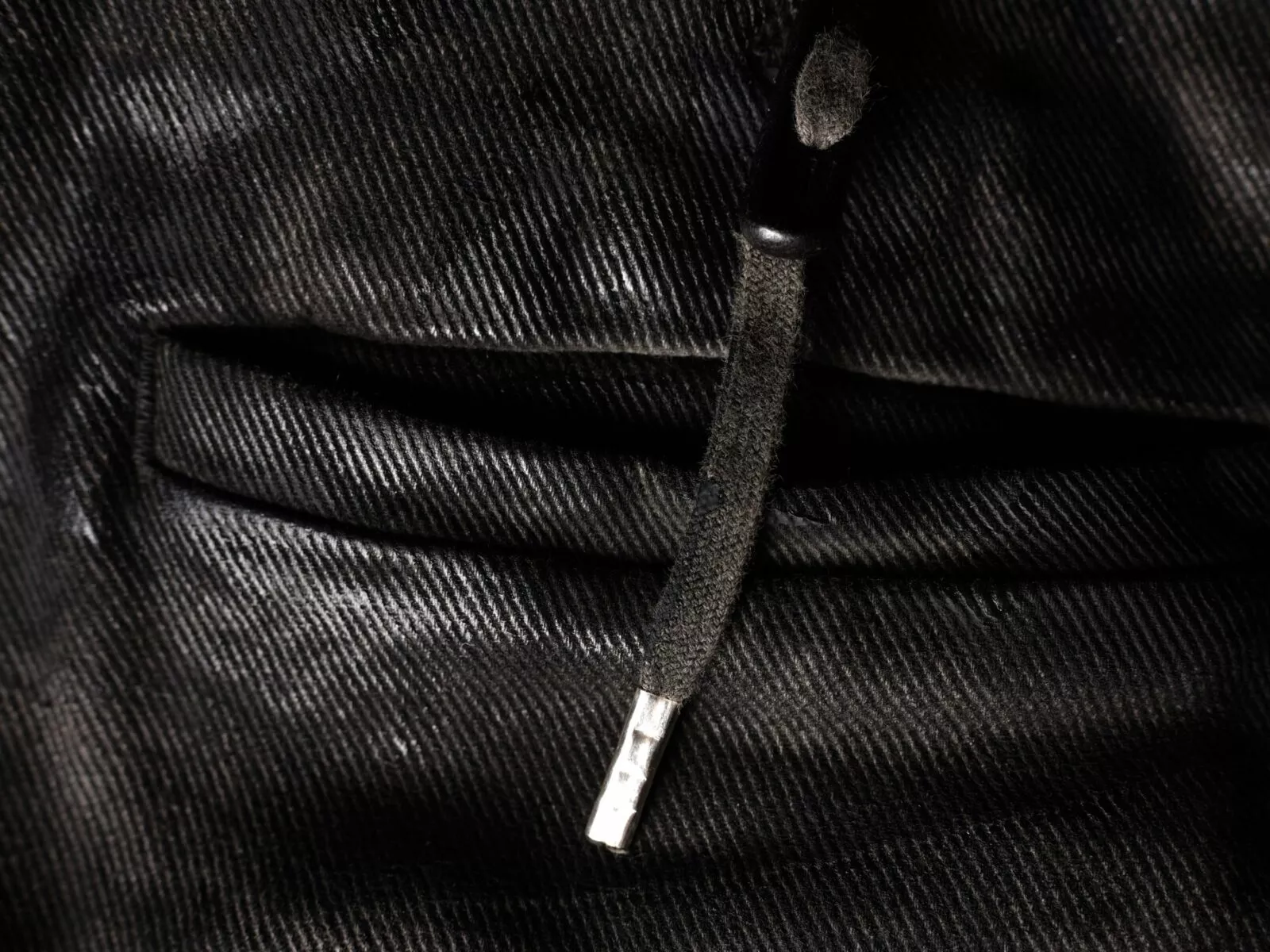


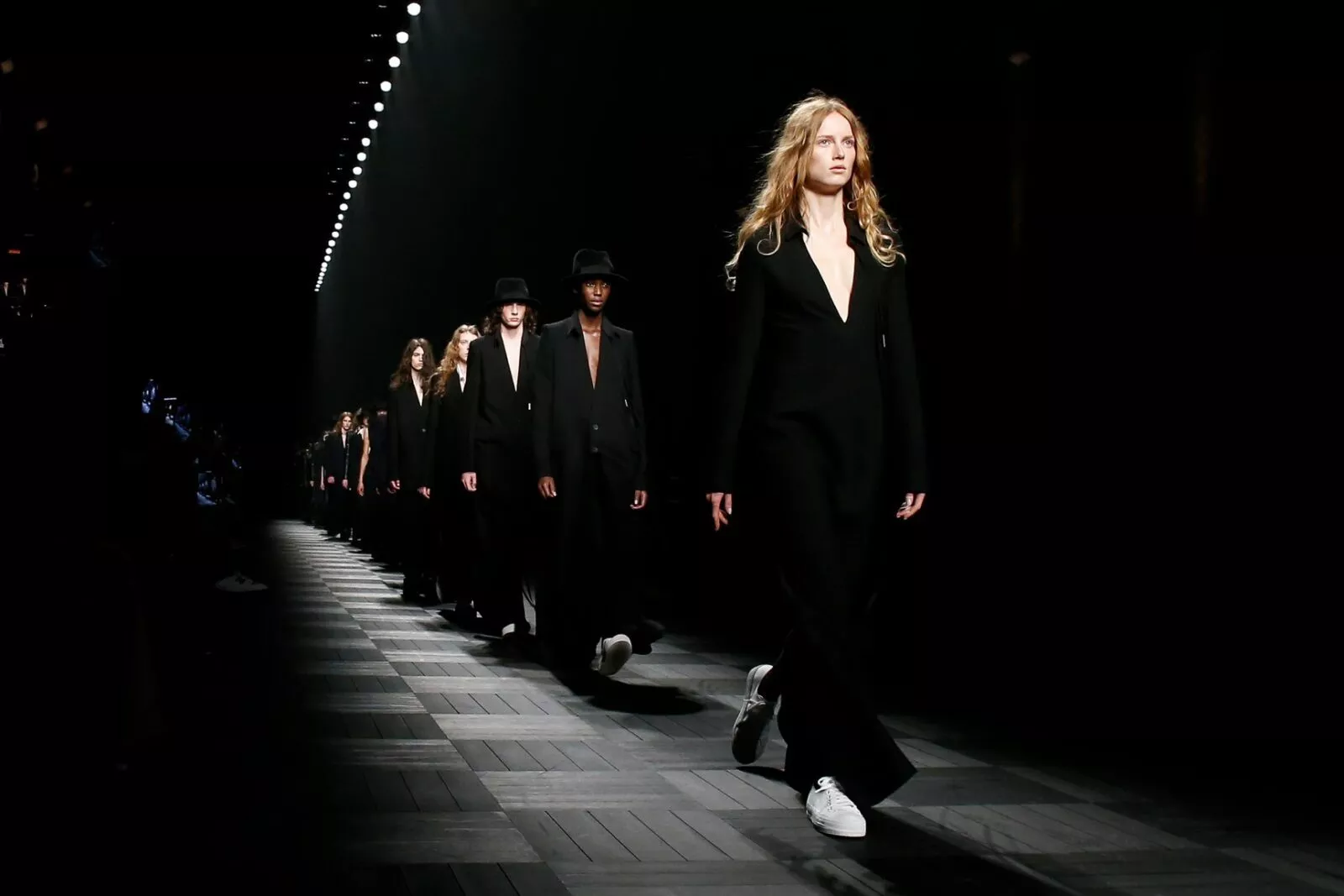
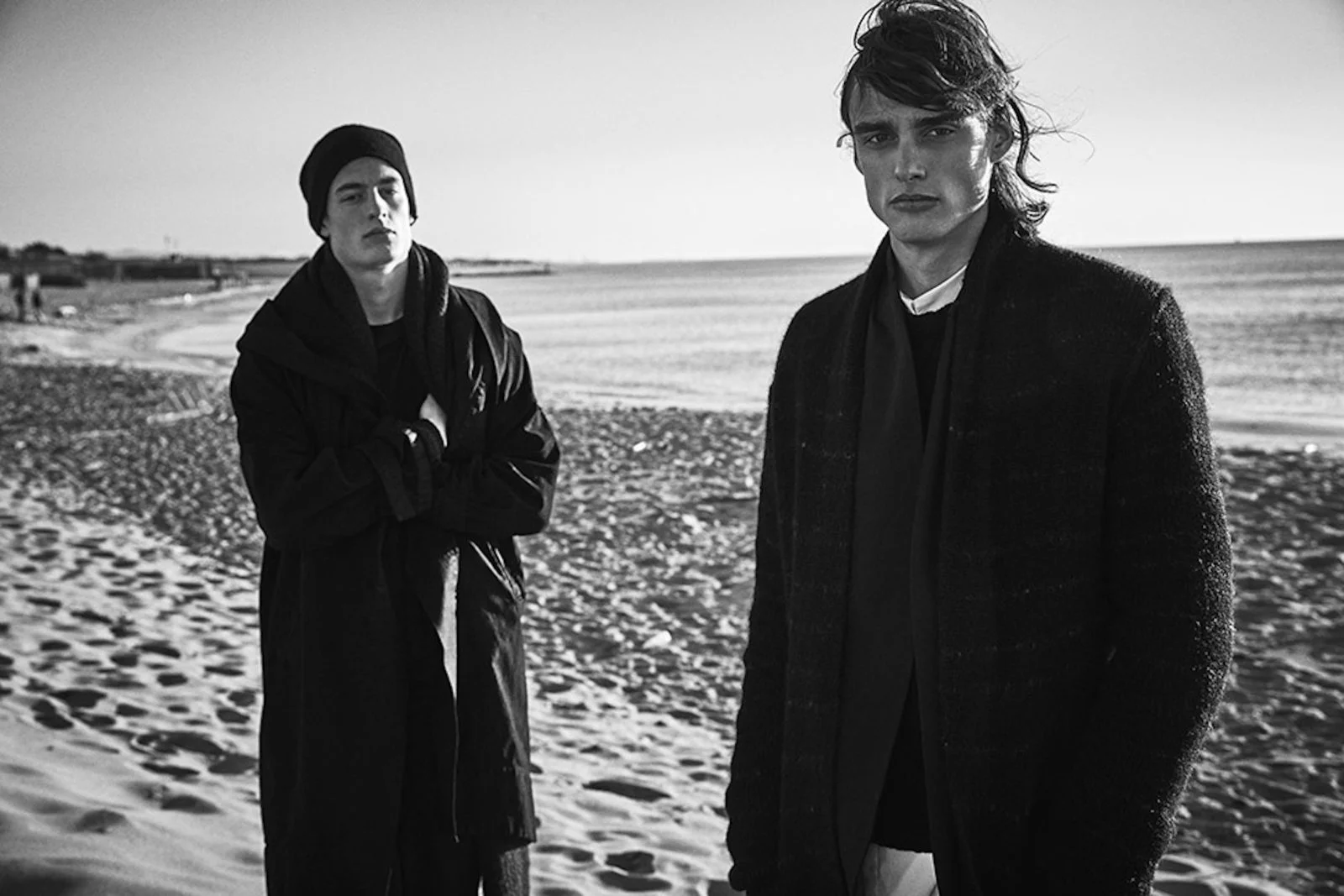


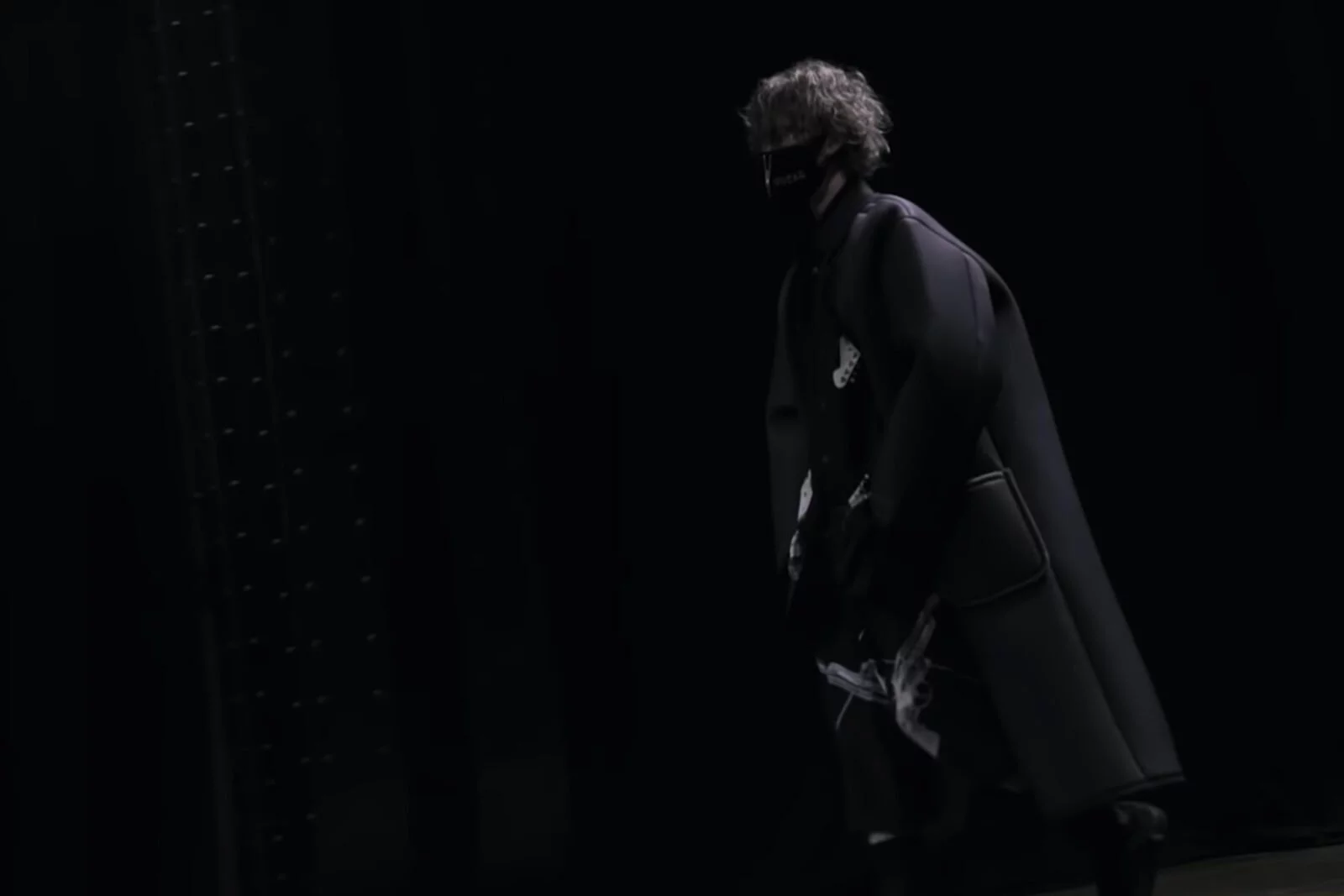

1017 ALYX 9SM a foundation built on the undercurrent. Designed by Matthew Williams, the brand is built on the concept of high quality materials mixed with subversive culture and modern craftsmanship. Founded in New York City and relocated to Italy, Matthew combines influences from his upbringing in California and New York with his commitment to detail, innovation and desire to push new ideas forward. Focusing on craftsmanship, technique, and sustainable fabrication, the brand presents full mens and women’s collections that seek to unite technical innovation with human emotion.

Heliot Emil Similar Brands
Discover brands like Heliot Emil, a brand from Copenhagen known for Avant-Garde and Streetwear.
Heliot Emil
Similar Designers
Shop Online
Heliot Emil and Similar Brands
Learn more about BrandsSimilar to Heliot Emil
1017 ALYX 9SM
Meaningful Connections
ACRONYM
Avant-Garde Utilitarian Techwear
After a decade consulting for a variety of technical sportswear brands including the revival of Nike’s once-dormant ACG line, Michaela Sachenbacher and Errolson Hugh deployed their cumulative knowledge in 2002 with the release of their label ACRONYM. Combining functional and intelligent design with boundary-pushing aesthetics, ACRONYM fosters an uncompromising sense of style that stretches the boundaries between fashion and technology.
AMBUSH
High Fashion Streetwear
AMBUSH® is a trendsetting fashion brand, founded by Yoon Ahn, known for its unique designs and fusion of high fashion and streetwear.
Song for the Mute
Uniquely Modern Avant-Garde
Song for the Mute is an Australian label that was founded in 2010 by lifelong friends Melvin Tanaya and Lyna Ty. In the collections, it is all about imperfection and fabric character. Trademarks of the label are unsewn hems and raw pieces without lining. Taking a textile-centric approach to design, the duo meticulously develops, samples, and selects fabrics in collaboration with artisanal Italian and Japanese mills before patterning their intimate, story-driven collections. The label’s selection of elegantly-executed basics merge the distinctive style aesthetics of East and West, fusing deconstructionist sensibilities with traditional menswear forms to express a uniquely modern point of view. Imperfect raw edges and unlined exposed interiors lend a wabi-sabi aesthetic to expertly-cut outerwear, blazers, and straight-leg trousers, while t-shirts and loungewear are crafted in carefully-sourced luxury fabrics.
Ann Demeulemeester
Elegant Dark Glamorous Aesthetic
With a career spanning more than three decades, Ann Demeulemeester is one of the world’s most respected creative voices. The Ann Demeulemeester brand has come to represent an intelligent approach to fashion – rising above trends and instead offering a continually evolving system of dressing that is both deeply personal to the wearer and profoundly relevant to its context – thanks to its integrity and fierce independence.
Isabel Benenato
Sustainable Fashion from Italy
Isabel Benenato is a fashion designer from Naples, Italy. She released her first fashion collection in Milano in 2008 with an attention on a mantra of straightforward and fundamental living. People wearing Isabel Benenato take pride in representing her sustainable fashion philosophy. Benenato’s all-encompassing objective is to keep the brand little, honest, and legit. Constant growth isn’t the brand’s objective.
Julius
Oversized Fashion from Tokyo
The label “Julius” was founded in Tokyo in 2001 by Tatsuro Horikawa as a means of presenting film projects, the Julius label eventually developed its clothing line in 2004. Nevertheless, the original art idea remained and is now reflected, for example, in dark colors. Using black and grey as the main components of every collection – symbols of madness and pain, respectively – the label centers around Horikawa’s love of art and architecture, which were integral to the brand’s initial formation as an art project. The oversized cuts of the clothes and accessories show a contemporary bohemian style.
Juun.J
Street Tailoring
Juun.J graduated from ESMOD Seoul in 1992 and worked at many prestigious fashion houses before creating his own label “Lone Costume” in 1999. Not long after showing at Seoul Fashion Week, Lone Costume became the most sought-after brand with a cult following. Asia Times selected Juun.J as the top 4 notable designers to watch.
Söderberg
Avant Garde Objects & Clothing
Söderberg’s simplistic, structural concepts rely on the strength of materials such as leather and metal to deliver uncompromising quality. Rooted in fashion, the house has recently translated its architectural style and precise tailoring to objects. The furnishings reflect the label’s clean, knife-edge language joined with subversive elements to evoke feelings of both tension and clarity.
Yohji Yamamoto
Timeless Avantgarde Anti-Fashion
Yohji Yamamoto was born in 1943 and graduated from law school in 1966. Right after he realized that being part of the ordinary society and a law career was not for him. Instead, he decided to support the family tailoring business of his widowed mother who was a dressmaker, and agreed under one condition: a fashion college degree which he completed in 1969 at Bunka Fashion College Tokyo, awarded with two fashion prices and a scholarship in Paris.
Songzio
Avant-Garde Fashion from Seoul
Songzio is a South Korean designer fashion brand known for its avant-garde vision, artistic storytelling, and contemporary luxury style. Founded in Seoul in 1993, Songzio has built a distinctive identity through sculptural silhouettes, refined tailoring, experimental textures, and a bold monochrome aesthetic.