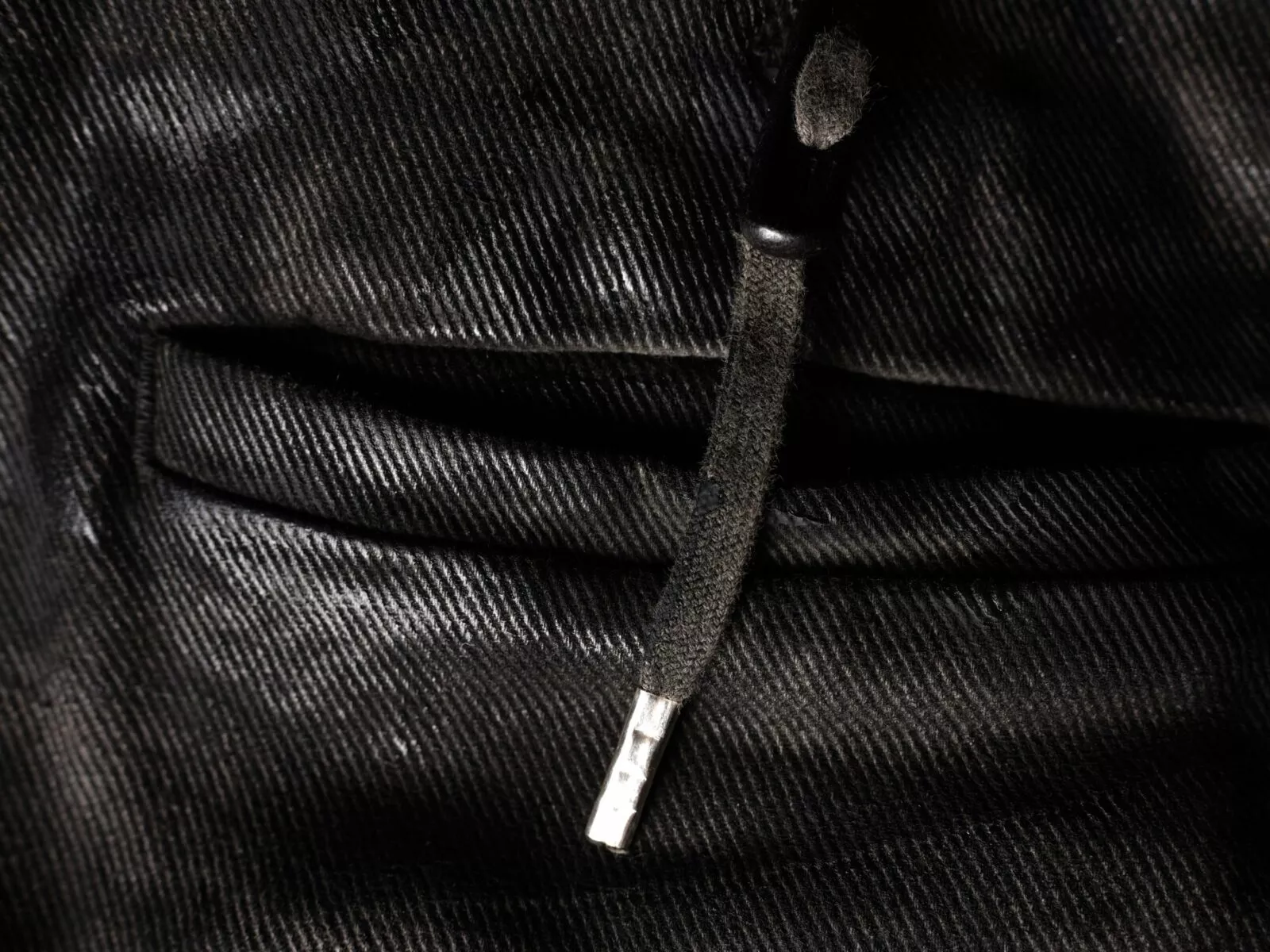
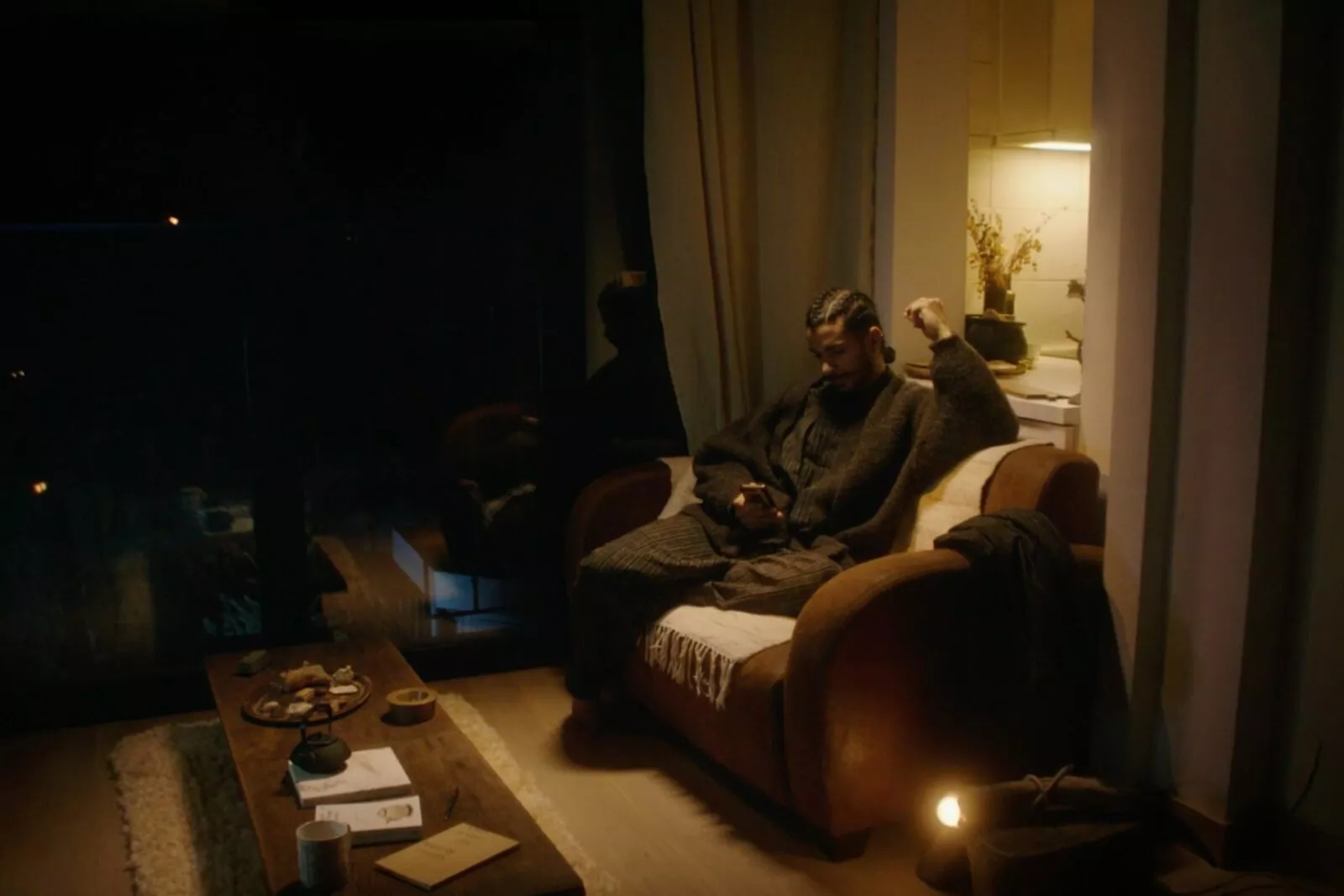
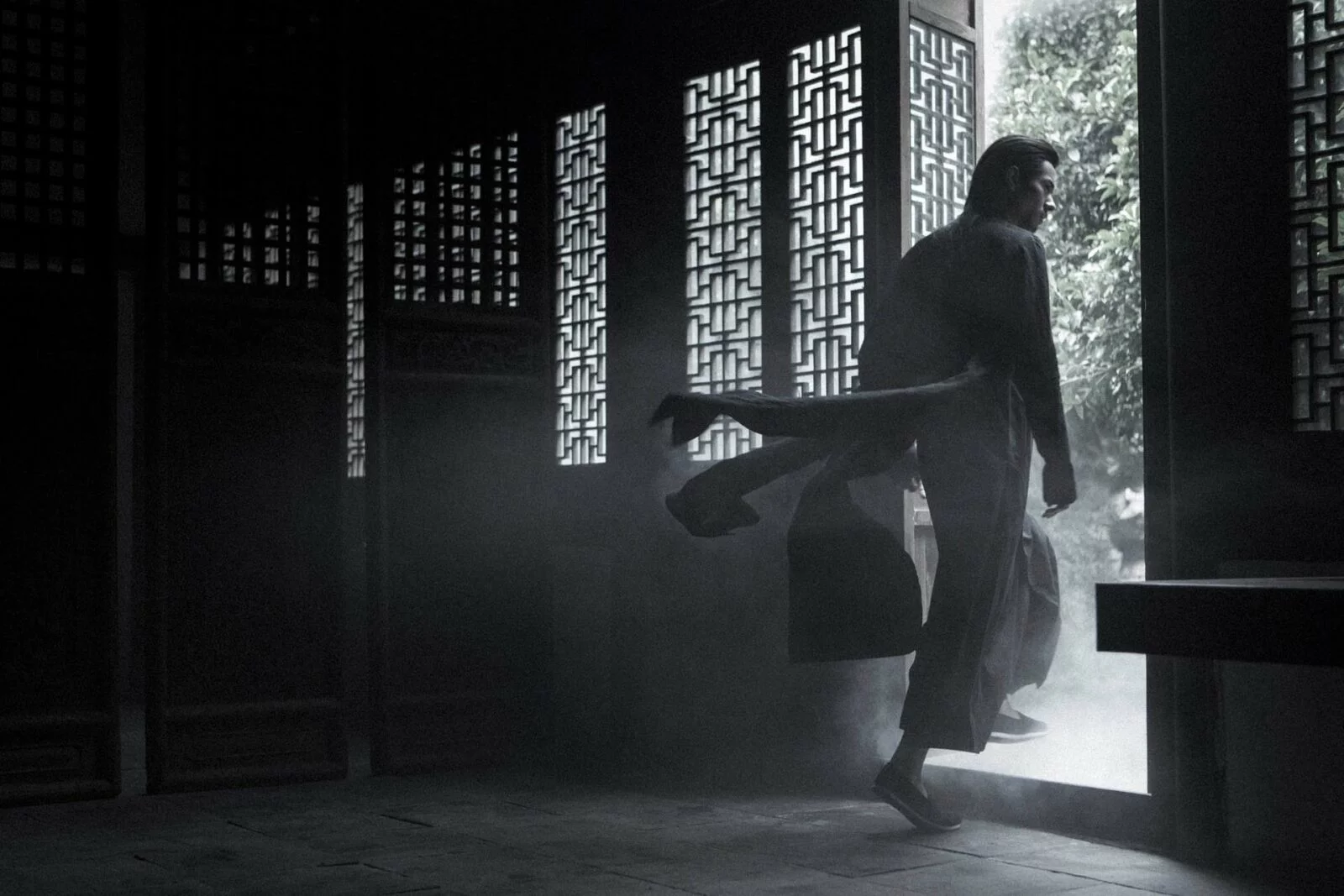
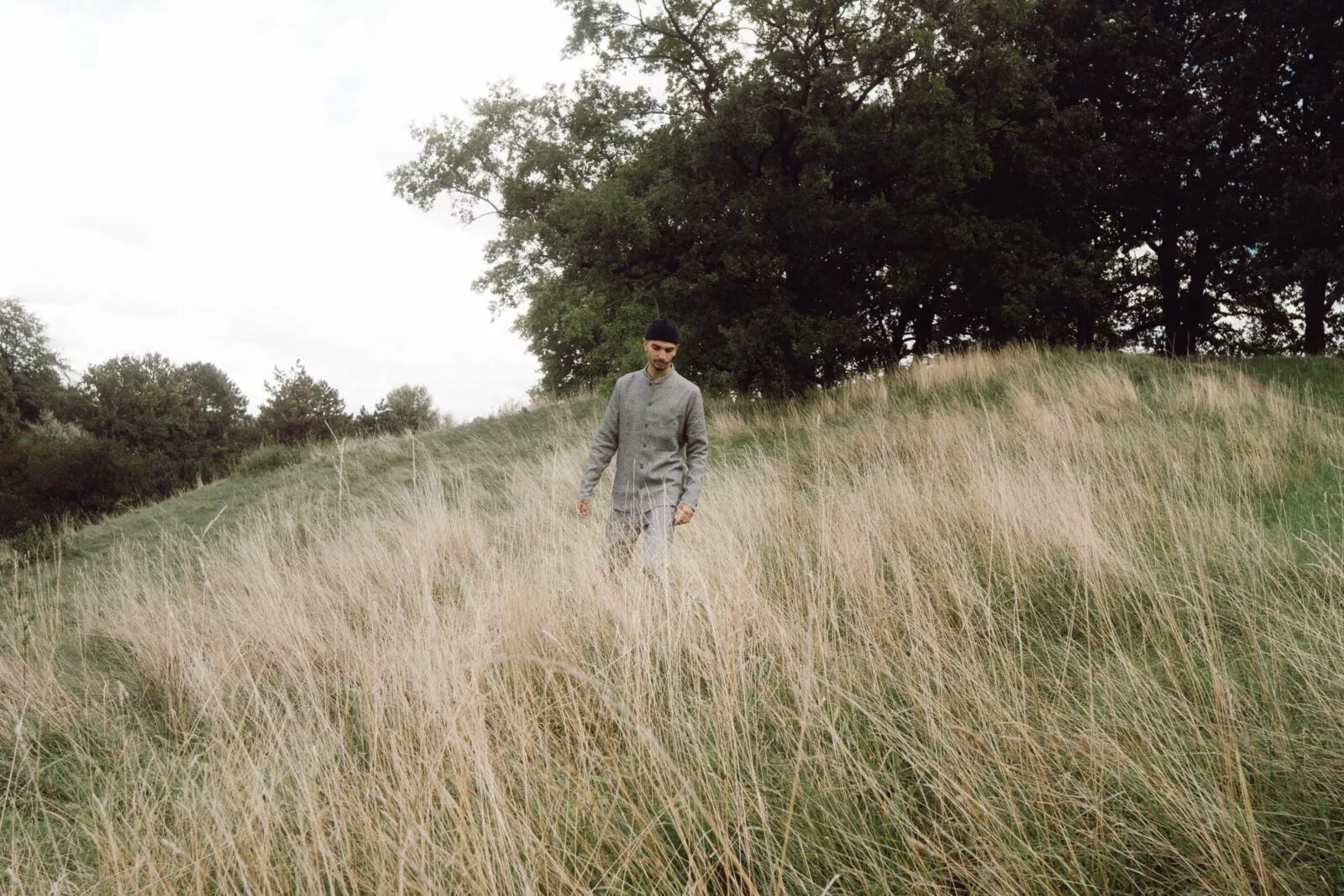
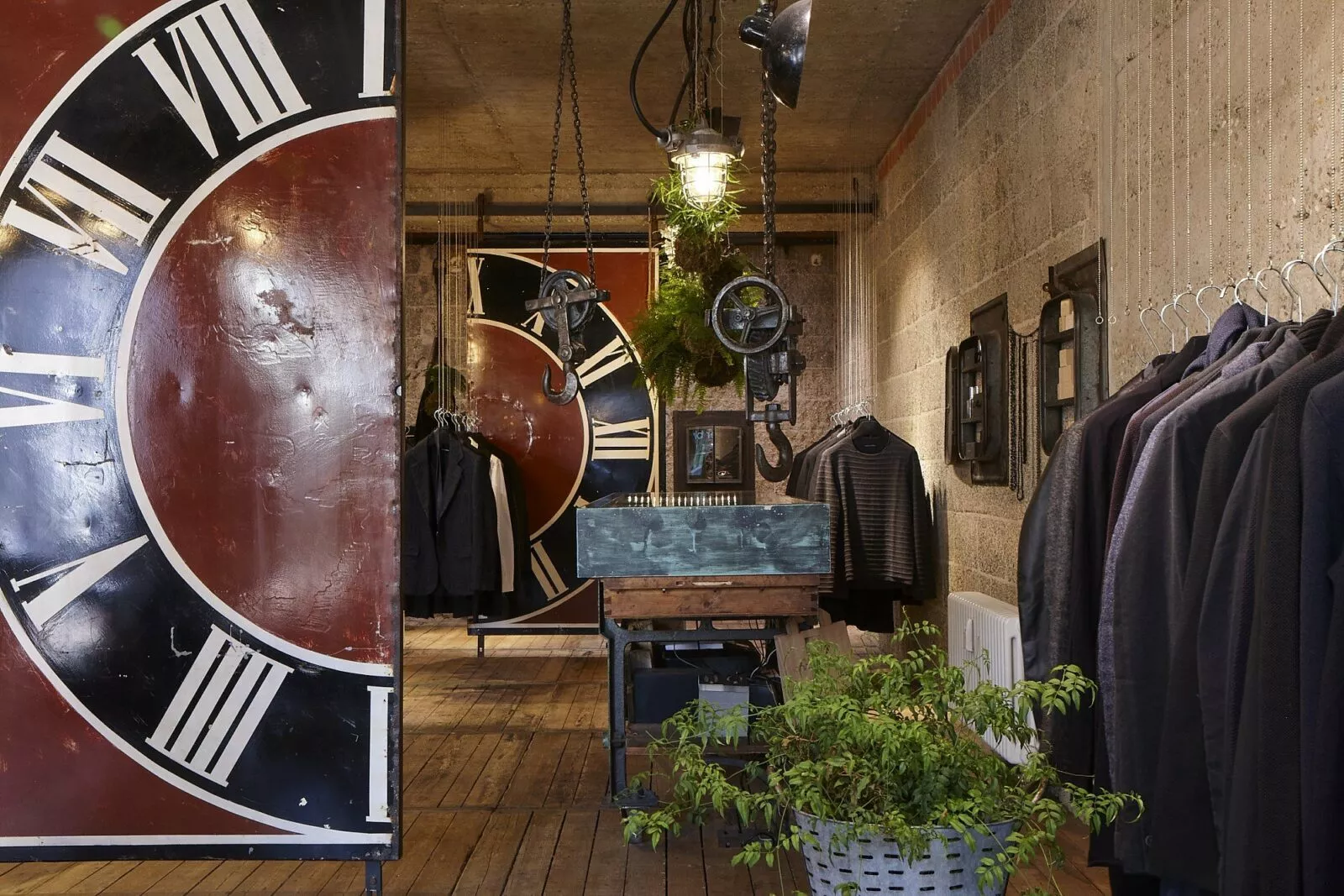
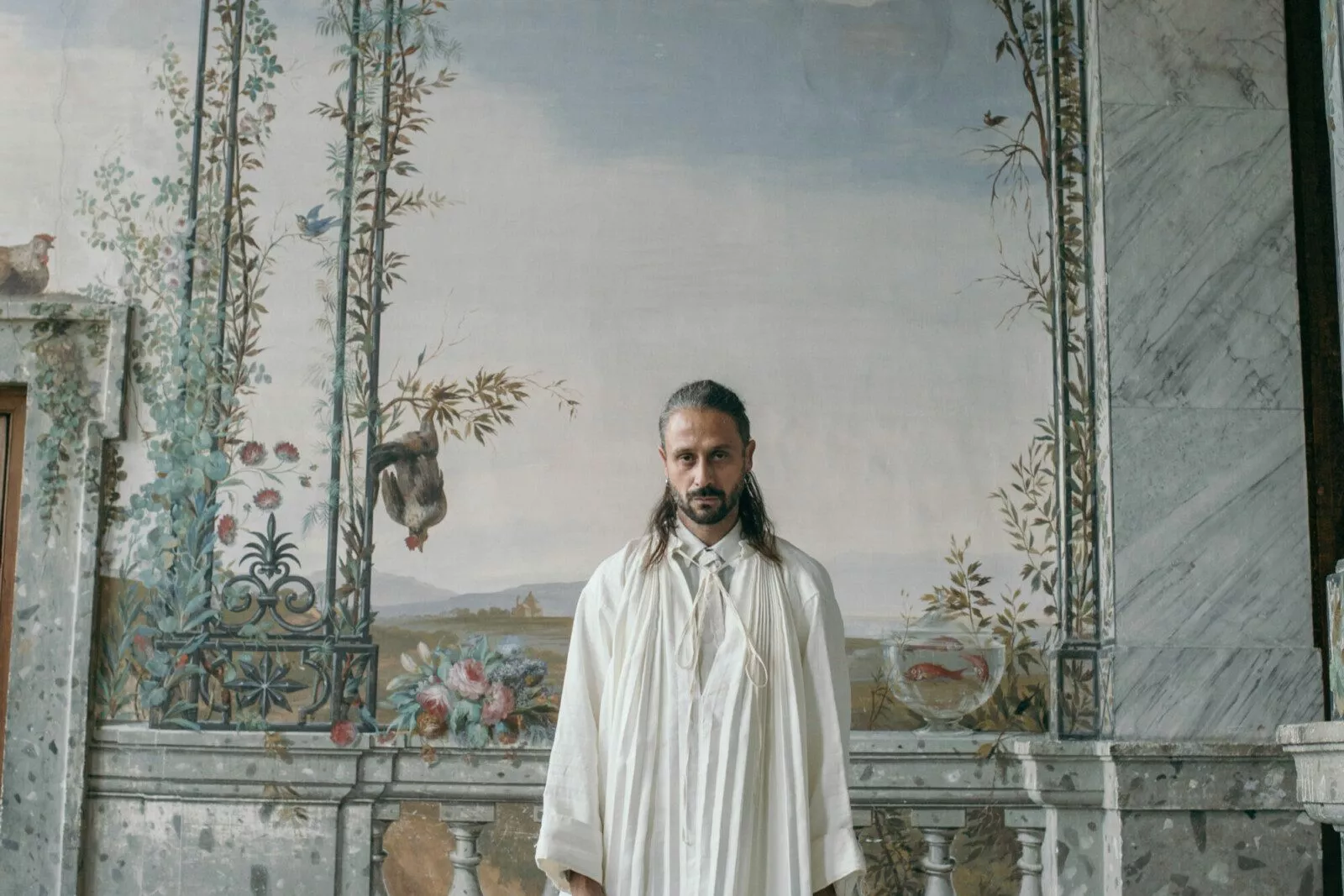
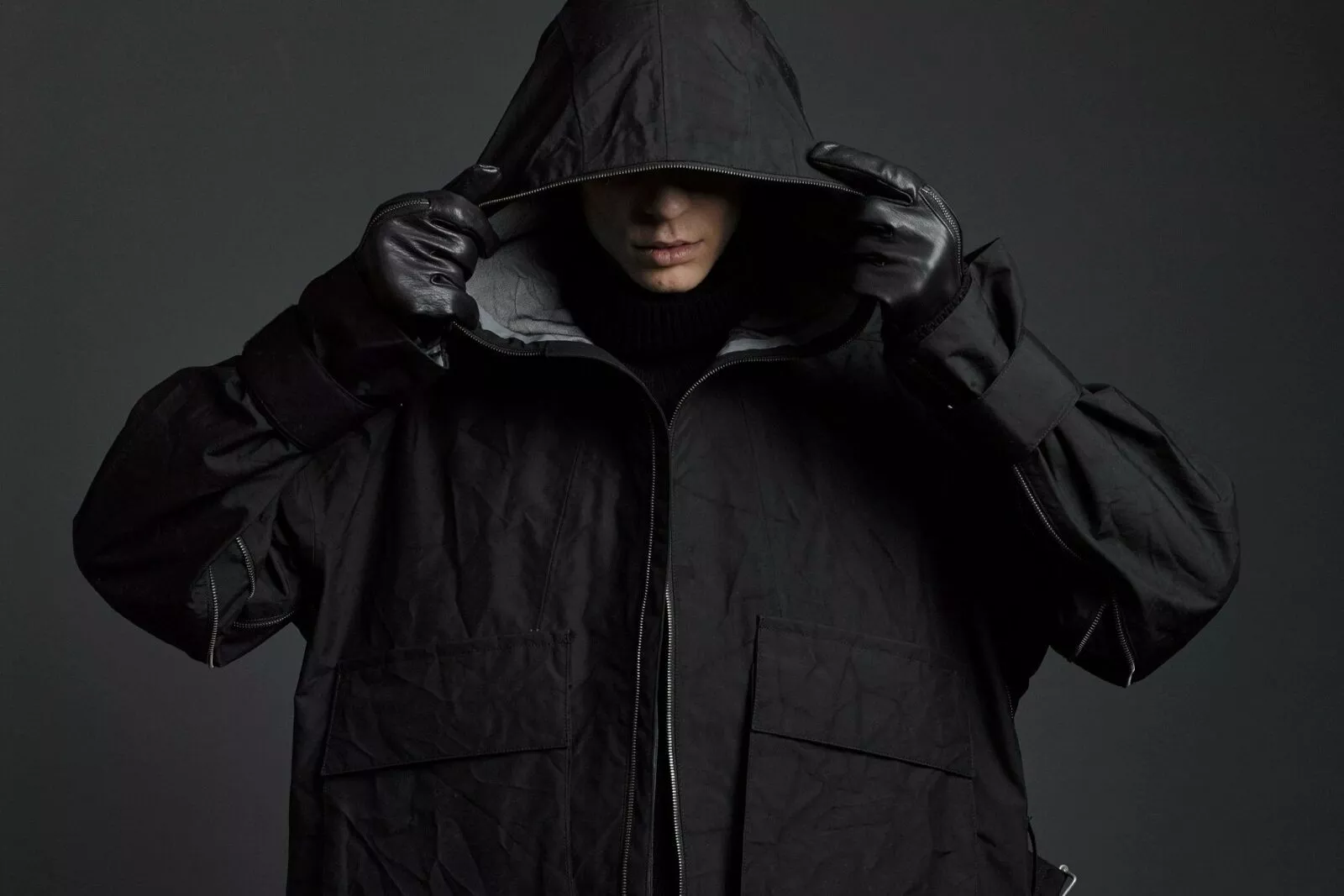
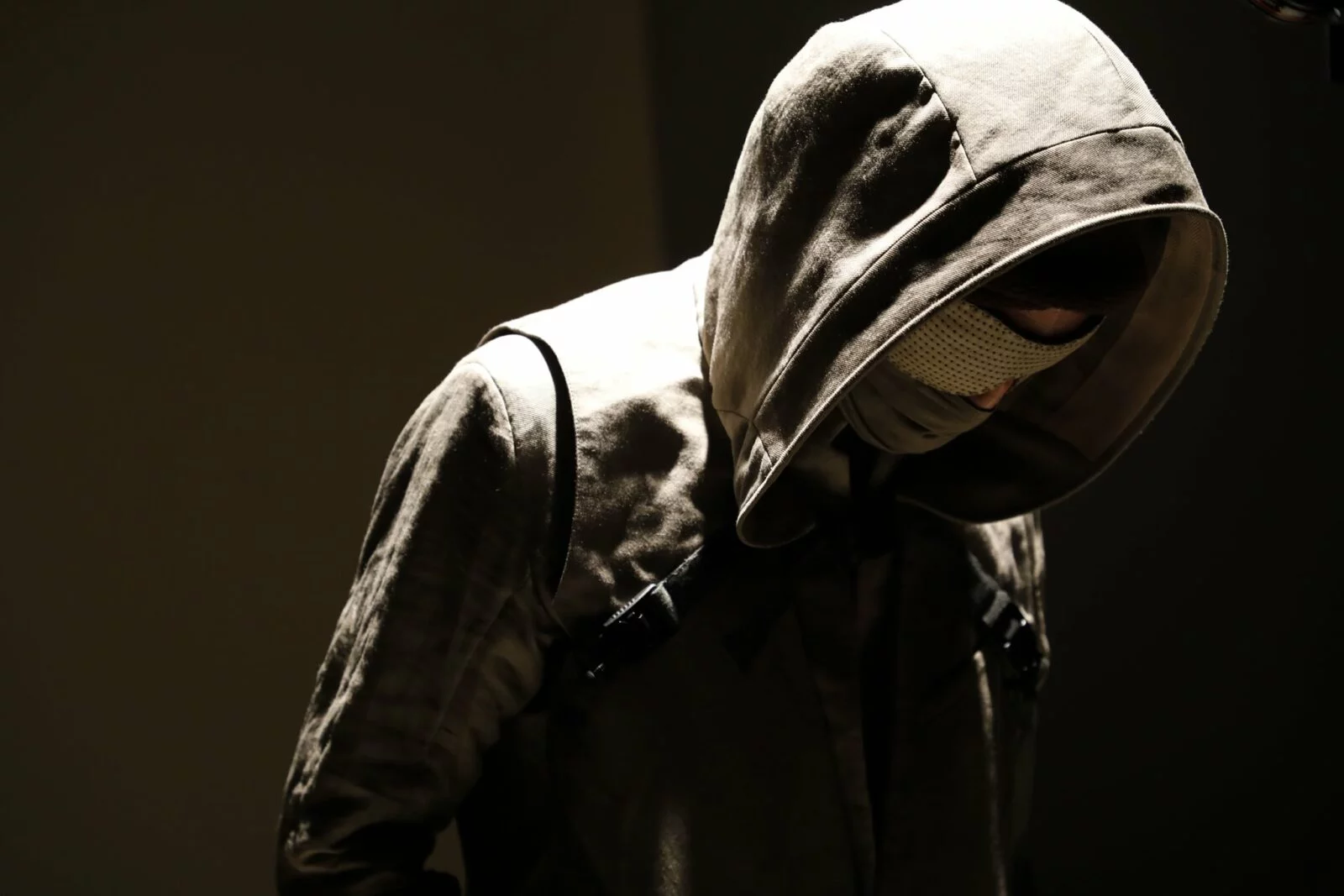

Forme D’expression is a fashion label designed by the female designer Koeun Park. She was born in Seoul and studied Haute Couture workmanship at the Ecole de la Chambre Syndicale de la mode Parisienne, Paris, before becoming a Master at Instituto Marangoni in Milan in 1998. Originally from Korea, she now resides and works in Perugia, Italy where she started the Forme D’Expression in 2005. Koeun is known for her soft tailoring and elegant silhouettes. The meticulous approach to construction, followed by many layers of post-work exemplifies the brand’s philosophy of having the clothing be real, and familiar even before the wearer slips the garment on. Her women’s and men’s collections are created with a full wardrobe in mind and cater to men and women who appreciate luxury in subtlety. Quietly elegant and real, the label aims to create different forms of human expression through fashion. With outwardly classic designs at first glance, her pieces hold intricate craftsmanship and attention to detail that brings contemporary style to the forefront. Forme D’expression is a uniquely quiet design structure that gives women and men’s luxury street fashion a subtle breath of fresh air.
Klasica Similar Brands
Discover brands like Klasica, a brand from Tokyo known for Artisanal and Avant-Garde.
Klasica Similar Designers
Shop Online Klasica and Similar Brands
Learn more about BrandsSimilar to Klasica
Forme D’expression
Luxury in Subtlety
Poème Bohémien
Avantgarde Vintage Aesthetics
Poème Bohémien is the fashion label of designer Nicolò Ceschi featuring a quality but vintage aesthetic: History, and literature infused with the spirit of the cultural and artistic movements of the 60’s and 70’s. An homage to the extravagant and eccentric looks that so sensationally marked those years of protest. The pieces incorporate heavily washed and treated fabrics that create the idea of items that have been worn again and again over the years. Cotton, linens, and washed leathers are featured throughout the range including an edgy touch, with pieces rough around the edges and many designs that feature visible seams and asymmetric hemming. Memories of journeys, echoes of history, contemporary clothing with sophisticated and subtle details, timeless pieces with intellectual depth and ease.
Jan-Jan Van Essche
Restrictive Tailoring
As for many others, the human collective culture remains an endless inspiration for Jan-Jan Van Essche to create new garments, each new design a genuine attempt to open up new perspectives and to push conflicting dialogues forward.
Ziggy Chen
Taoist duality Fashion
Ziggy Chen takes his inspiration from Shanghai, the city he lives in, and particularly from the changes he sees evolving from the collision of extreme cultures: old and new, east and west, antique and modern and so many others. This approach echoes the Chinese philosophy of tao: the concept of Taoist duality and interdependency. It is this philosophy that greatly fuels Ziggy’s creative vision and power.
Uma Wang
Avantgarde Fashion from China
Uma Wang completed her studies in textiles at China Textile University in Shanghai, before moving to London to pursue a fashion design degree at CSM. She followed this with nearly a decade of working as an in-house designer for a number of Chinese labels. This foundation allowed her to launch her own label in 2005.
CASEY CASEY
Playground for Creatives
Gareth Casey’s philosophy is heavily influenced by the principles of Japanese aesthetics—particularly wabi-sabi, which finds beauty in impermanence and imperfection. This influence manifests not only in the garments’ visual restraint but in the deeply tactile nature of the clothing. The fabrics are central to the brand’s identity: washed cottons, textured linens, dry wools, and brushed silks—all treated in a way that enhances their sensory presence. Pieces are often dyed and re-dyed, washed repeatedly, and hand-finished, creating a richness of surface that invites touch. The result is clothing that feels as if it has already formed a relationship with the body, long before it is worn.
Label Under Construction
Flawlessly Knit Fabrics
Label Under Construction is the label of designer Luca Laurini from Perugia, Italy that was founded in 2003 after seperating paths with Carpe Diem and Maurizio Altieri. His work requires the utmost understanding and knowledge of his medium. Though one need not possess such knowledge to admire his handiwork, a deeper understanding of the concepts behind the articles, provides for a deeper appreciation. There is an inherent and asymmetric harmony established in the dichotomy of opposition found in his body of work. He creates flawlessly knit fabrics with constituted deterioration, that when found in its natural state, would unravel in senescence. Yet he manages to suspend that very breakdown and preserves it in time. The patterns he designs in 2 dimensions are architectural. The formulaic logic of fabricating knits fuels his passion for creating and seeking to discover new equations. From its inception, his approach to design is a science. And the creative, disjointing, and dismantling in all three dimensions, drive him in his efforts to breathe life into his pieces. Thus rendering his approach to design, an art.
Hannibal
Handcrafted sustainable Garments
With the label “Handmade in Germany”, the Munich-based fashion label Hannibal has successfully earned its place on a national and international level since its founding in 2010. The finest craftsmanship in the area of cutting and manufacturing as well as the passion to create a sustainable product with value are the top priorities at Hannibal. To this end, each season new materials are sought from innovative suppliers. In the end, new, distinctive and Hannibal-typical garments are created twice a year.
Hannes Roether
Knitwear made in Germany
He’s a man of few words. And he doesn’t want a picture of him to be shown either. The design of his creations alone must be convincing. Hannes Roether is very strict about that. It has to stand out, be different. It must assert itself without advertising and without chichi. All this might be the result of his socialization? His father advised him to do the same and become a forest ranger. That would have been the easy, straightway. But he became a knitting engineer. That’s good because nobody can fool him at the knitting machine today. In fashion, he says, you have to know the limits of what is technically possible in order to consciously go beyond them.
Archivio J. M. Ribot
Handmade Limited Edition Garments
Archivio J. M. Ribot is a research project by Karim Fares. It is split into two clothing capsules:
The Viridi-Anne
Avant Garde Fashion from Tokyo
Born in 1963 in Nagano Prefecture, Tomoaki Okaniwa graduated from Tokyo Zoukei University, Department of Fine arts majoring in Painting. Moving from the canvas to a desire for expression through garments and then establishing Caterpillar Produit in 1987.
Devoa
Anatomical High-Fashion
Devoa is a Japanese label by designer Daisuke Nishida a former athlete and medical instructor. His collections are concerned with the evolution of the human body, DNA, and an understanding of the skeletal and muscular structures that enable human movement:
Aviva Jifei Xue
Natural Materials & Craftsmanship
Aviva Jifei Xue is a menswear/unisex artisanal fashion brand. The designer Aviva graduated from the Parsons Fashion Institute in New York City and established her brand in New York in 2020.