다크웨어와 2000년대 아방가르드 씬
In the first decade of the twenty-first century, an international subculture of designers, collectors, and internet theorists codified darkwear: an uncompromising aesthetic movement grounded in shadow, structural distortion, and tactile materiality. Arising as an explicit rejection of both late-1990s corporate minimalism and the hyper-commercial logo saturation of luxury conglomerates, 2000s darkwear synthesized three distinct avant-garde lineages: the monochrome philosophy of the 일본 아방가르드, the asymmetrical romanticism of the Belgian deconstructionists, and the archaic leather cordwaining of the Italian artisanal movement. Centered around key visionaries including 릭 오웬스, Tatsuro Horikawa of Julius, 그리고 Carol Christian Poell—and amplified by dedicated web forums like 스타일자이트게이스트 그리고 Superfuture—the movement constructed an alternative sartorial universe where clothing functioned not as seasonal consumer goods, but as wearable architectural armor.
The post-millennial pivot to shadow: defining 2000s darkwear
The dawn of the twenty-first century provoked profound geopolitical anxieties, technological acceleration, and cultural disillusionment. In response to the slick, corporate logomania that dominated luxury fashion houses in the late 1990s, an international network of designers and wearers retreated into an aesthetic of protective enclosure. What emerged across Paris, Tokyo, Antwerp, and New York was not merely an affection for the color black, but a comprehensive design ideology known retrospectively as darkwear.
Far from being a novelty offshoot of 1980s post-punk or traditional gothic subcultures, 2000s darkwear was an erudite, structurally sophisticated manifestation of 안티 패션. It synthesized three historic avant-garde genealogies:
- Japanese Intellectual Non-Color: Building upon the radical 1981 Paris debuts of Comme des Garçons 그리고 야마모토 요지, darkwear inherited the conviction that black is not an absence of pigment, but an expansive palette of varying textures, weaves, and light absorptions.
- Belgian Romantic Deconstruction: The structural subversions of Ann Demeulemeester and Maison Martin Margiela contributed an appreciation for fraying raw hems, bias-cut silhouettes, exposed linings, and melancholic historical dress codes, echoing the broader movement of 패션의 해체.
- Italian Radical Artisanalism: The uncompromising material experiments of 마우리치오 알티에리’아방가르드 패션은 파열을 통해 발전하지만, 또한 돌아옵니다. 미래주의적 속도는 착용 가능한 기술에서 다시 나타나고; 구성주의 시스템은 모듈형 및 제로 웨이스트 디자인에서 메아리칩니다; 초현실적 이탈은 개념적 액세서리에서 지속되고; 펑크 재구성은 업사이클링에 영향을 미칩니다; 일본의 추상화와 벨기에의 해체주의는 패션 교육의 일부로 남아 있습니다. 각 귀환은 질문을 변화시키는데, 그 역사적 배경이 변했기 때문입니다. 현재를 즐겨라, m.a+, 그리고 Carol Christian Poell introduced mineral-dense vegetable tanning, subterranean soil aging, object dyeing, and sculptural footwear that imbued the garments with an archaic, archaeological weight.
Within darkwear, clothing was conceived as an exoskeleton. Silhouettes were deliberately elongated, asymmetric, and shielding, prioritizing inward tactile communion over outward bourgeois display.
Online agora: forum archaeology and the “goth-ninja” taxonomy
The rise of 2000s darkwear was inseparable from the early web 2.0 digital infrastructure. Unlike traditional fashion movements mediated by glossy print magazines and department store buyers, darkwear was dissected, canonized, and proliferated through dedicated web forums—most notably 스타일자이트게이스트 (founded by Eugene Rabkin in 2006), Superfuture (specifically the legendary “superfalk” and “supertrash” menswear threads), and Styleforum.
These message boards served as decentralized digital universities. Anonymous participants from Tokyo, Berlin, Melbourne, and Los Angeles traded archival lookbook scans, analyzed complex pattern drafting, tracked artisanal leather batch variations from tanneries like Guidi, and scrutinized runway collection philosophy. It was within this hyper-literate digital ecosystem that the tongue-in-cheek descriptor “goth-ninja” was originally coined.
First surfacing on Superfuture circa 2005–2006 to describe the synthesis of Japanese layered drapery and dystopian monochrome outerwear, the term quickly migrated into general sartorial lexicon. While initially used as an affectionate caricature for wearers combining voluminous dropped-crotch trousers, long-line cowl necks, and oversized footwear, the phrase captured a legitimate stylistic taxonomy:
- Protective Wrapping: Hoods, high funnel collars, gaiters, and wrapped infinity scarves that concealed the lower face and altered head silhouettes.
- Kinetic Drapery: Asymmetrical hems and jersey tunics that swirled dynamically around the body during forward motion, evoking martial arts robes or post-apocalyptic wanderers.
- Grounding Footwear: Chunky combat boots, spiraling back-zip footwear, or padded high-top sneakers that anchored bottom-heavy visual balance.
이 운동의 상업적 선구자는 독립적인 컨셉 부티크의 비밀 네트워크에 의해 유지되었어: Armand Hadida의 L’Éclaireur 파리에서, Karlo Steel의 Atelier New York, Tsuneyuki Ito의 파리, 츠네유키 이토의 도쿄에서, Darklands 베를린에서, 그리고 H.Lorenzo 웨스트 할리우드에서. 이 공간들은 전통적인 소매점이라기보다는 잔혹한 예술 갤러리나 수도원 금고를 닮았어, 거친 콘크리트 내부, 맞춤형 검은 강철 비품, 그리고 의복의 신성하고 의식적인 특성을 강화하는 어두운 조명으로 특징지어졌지.
The Californian monarch: Rick Owens and brutalist glamour
2000년대 다크웨어의 시각적 어휘와 국제적 모멘텀을 형식화한 디자이너는 남부 캘리포니아 출신의 디자이너보다 더 많은 일을 하지 않았어. 릭 오웬스. 1990년대 로스앤젤레스 다운타운에서 상대적으로 고립된 상태로 그의 컷 앤 드레이프 방법론을 개발한 후, Owens는 2002년 파리 패션쇼에서 첫 번째 런웨이 쇼를 선보였어. 2003년 파리의 Place du Palais Bourbon으로 본사를 옮기면서, Owens는 그가 유명하게 부른 미학을 정립했어. “글런지”—할리우드 아르데코의 화려함과 그런지 허무주의의 완벽한 하이브리드.
2000년대 내내, Owens는 전통적인 남성 및 여성 재단을 해체하는 시대를 정의하는 컬렉션을 연속적으로 선보였어:
- “Dustulator” (2006–2007 가을/겨울): 피티 우모 기간 동안 피렌체의 Stazione Leopolda에서 발표된 이 기념비적인 컬렉션은 클래식 다크웨어 비율을 확립했어: 허벅지를 넘어 떨어지는 길고 반투명한 실크/비스코스 저지 리브 튜닉, 피부에 꼭 맞는 열 다리 레깅스 위에 입는 드롭 크로치 팟 반바지, 그리고 무겁게 패딩된 건축적 하이탑 스니커즈.
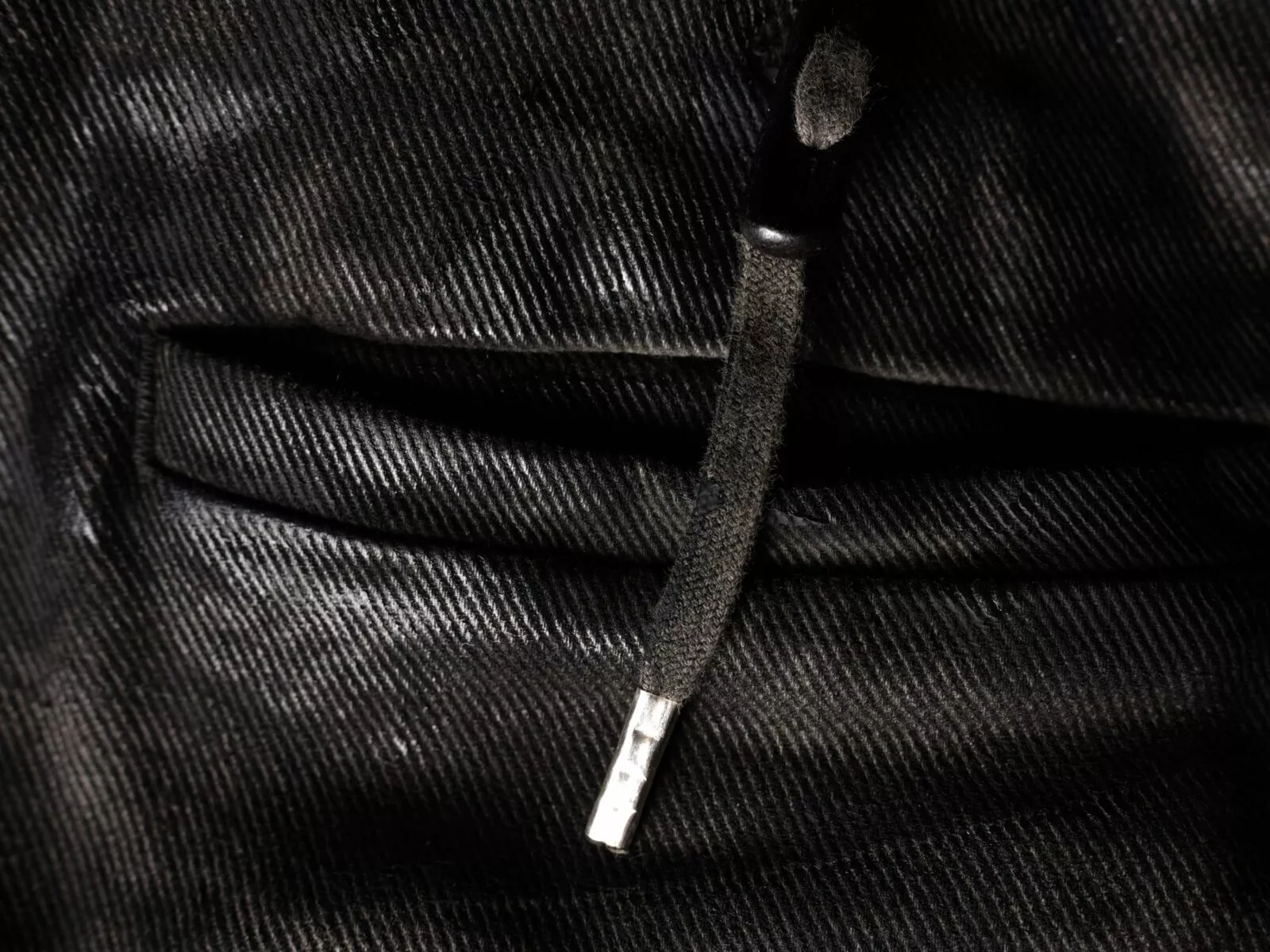
- “Exploder” (2007–2008 가을/겨울): 폭발적이고 부피감 있는 아우터웨어를 탐구했어. Owens는 숨겨진 비대칭 지퍼가 있는 하이 펀넬 넥 재킷, 양털 안감이 있는 모듈형 후드, 그리고 양가죽이 고대의 석회화된 것처럼 보이게 만드는 물세척 처리를 선보였어.
- “Creatures” (2008 봄/여름)와 “Stag” (2008–2009 가을/겨울): 비대칭 컷 건축 드레이프, 기하학적 가죽 패치워크, 그리고 잔혹한 콘크리트 건축과 종교적 의복에서 영감을 받은 단단한 조형 형태를 완성한 컬렉션들이었어.
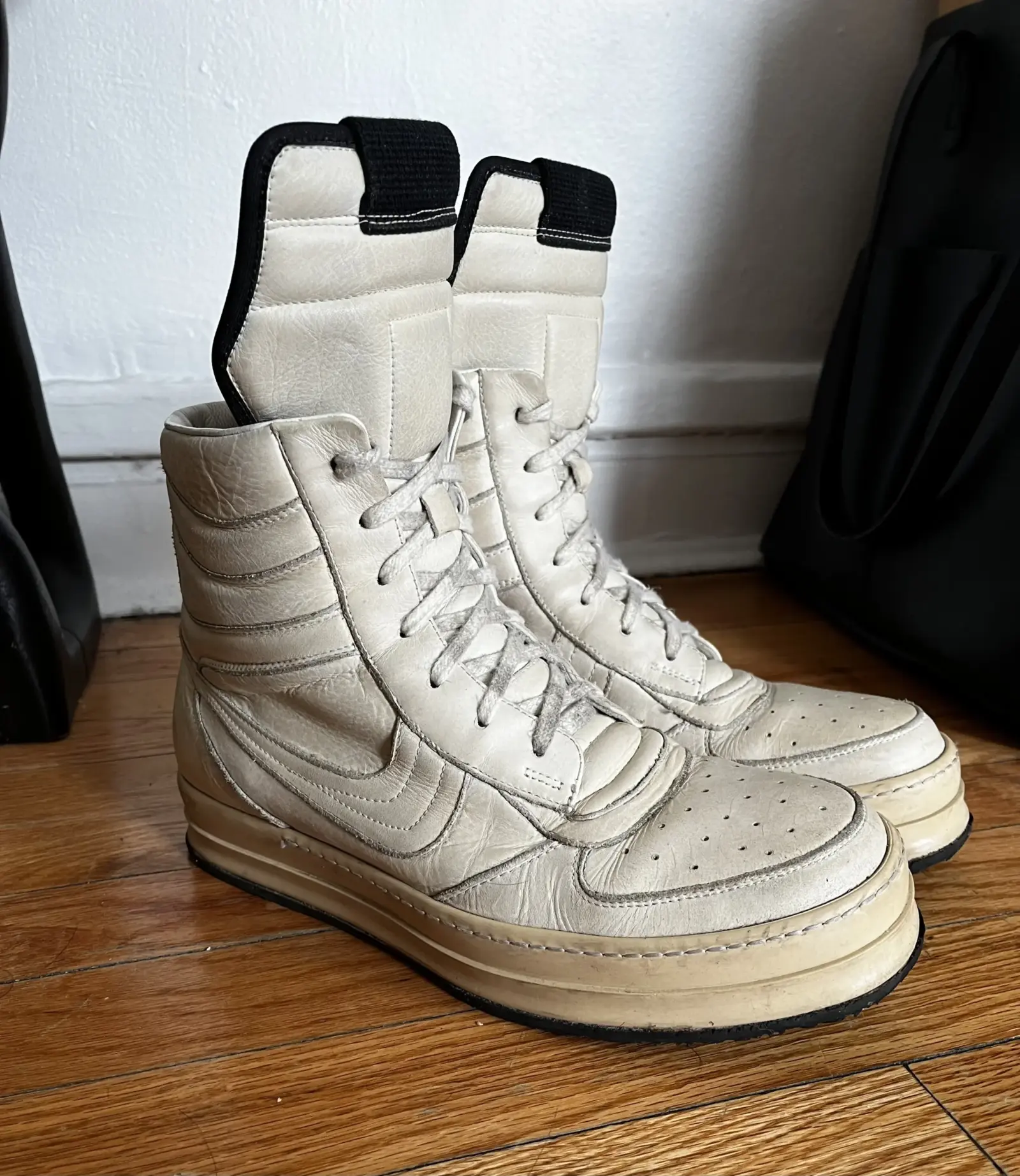
Owens의 2000년대 영향의 중심에는 그의 신발 공학이 있었어. 원래 2006년에 출시된 ’Dunk“ 스니커즈—두꺼운 송아지 가죽과 크러스트 가죽으로 만들어진 거대한 패딩 하이탑으로, 물결 모양의 측면 가죽 장식이 특징이었어—는 럭셔리 신발 시장을 완전히 뒤흔들었지. 1980년대 농구 스니커즈의 시각적 비율과 중세 사바톤의 정형 외과적 무게를 결합한 Dunk는 포럼 수집 문화의 성배가 되었고, 신화적인 지위를 얻은 후 현대적인 Geobasket으로 발전했어.
Tokyo underground: Tatsuro Horikawa’s Julius and cyber-gothicism
동시에 일본에서는 Tatsuro Horikawa가 그의 레이블을 통해 다크웨어의 더욱 공격적이고 디스토피아적인 해석을 구축하고 있었어. Julius. 2001년에 도쿄에서 처음으로 오디오비주얼 아트 프레젠테이션 프로젝트로 시작한 후, 2004년에 첫 런웨이 컬렉션을 선보인 Julius는 산업 노이즈 음악, 사이버펑크 문학, 티베트 불교 종말론, 그리고 테크노 클럽 반문화에서 많은 영향을 받았어.
Rick Owens가 클래식 드레이프와 여유로운 잔혹주의를 통해 다크웨어에 접근한 반면, Horikawa는 군사 사이버네틱스와 건축적 분열을 통해 접근했어:
- 가스 마스크 카고 팬츠: 아마 일본 다크웨어에서 가장 널리 알려진 의복인 Julius 가스 마스크 바지는 나일론 웹 스트랩과 산업 금속 하드웨어로 고정된 거대한 3차원 벨로우스 포켓이 특징이었어. 공격적인 해부학적 나선형 솔기로 잘려진 이 바지는 무거운 부츠 위에 꼭 맞게 쌓여져, 산업 폐허 속에서 전투 생존 가능성을 불러일으켰어.
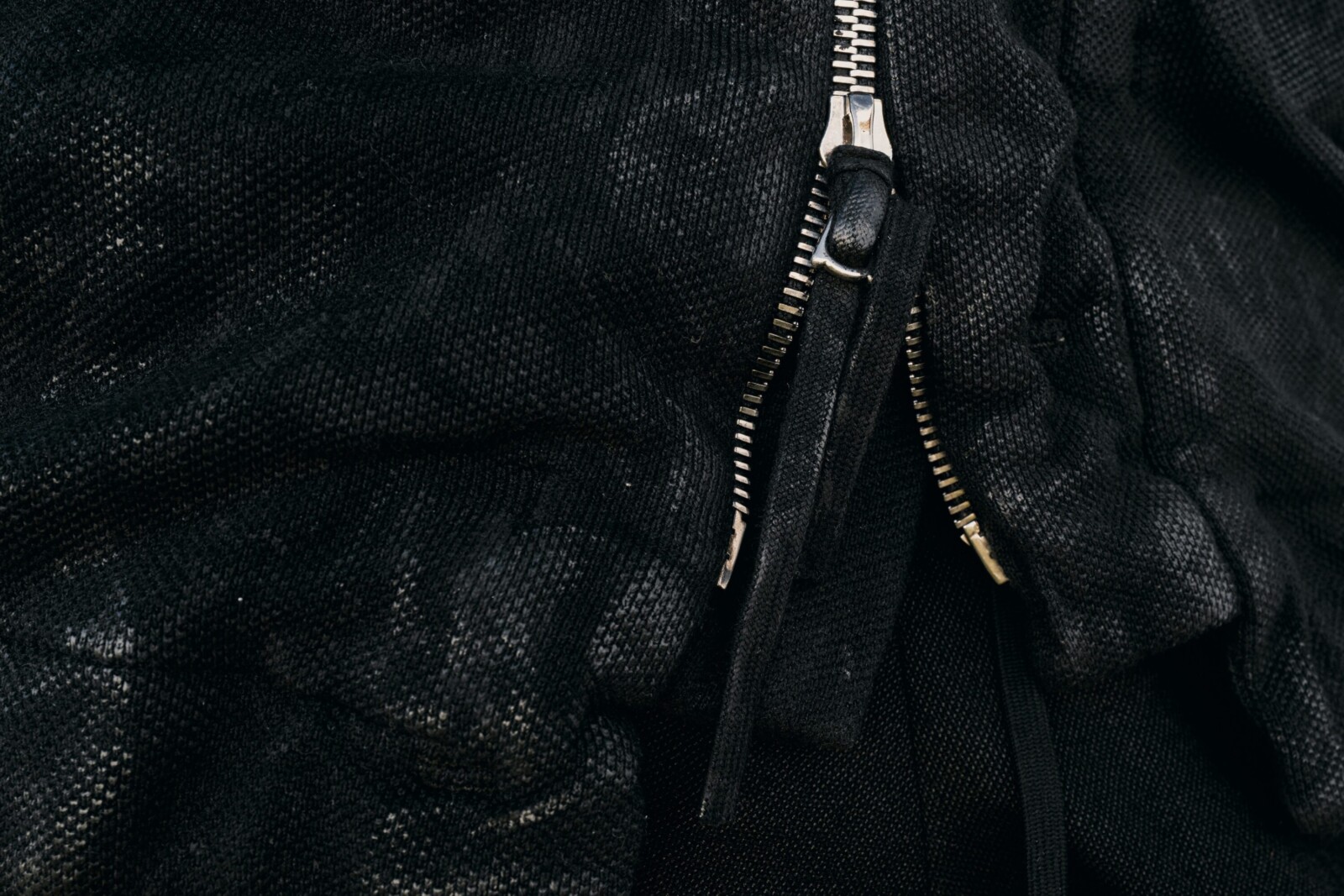
- 라이더 재킷 재정의: Horikawa는 오토바이 재킷을 체계적으로 재설계했어. 식물성 가공 양가죽, 말가죽, 그리고 왁스와 색소 세척으로 처리된 두꺼운 소가죽을 사용하여, Julius 가죽 재킷은 높은 대각선 칼라 랩, 오프셋 더블 슬라이더 riri 지퍼, 그리고 똑바로 서 있는 포식자 자세를 강요하는 좁은 관절 소매 컷을 통합했어.
- 파리의 성화 (2008–2010): Julius는 2008년 봄/여름과 같은 컬렉션으로 공식 파리 패션 위크 일정으로 전환했어. “Insanity in Industrial Inc. #1” 그리고 2008년 가을/겨울 “Insanity in Industrial Inc. #3”. 이 쇼들은 도쿄의 언더그라운드 미학을 유럽의 고급 럭셔리와 경쟁할 수 있는 지적 힘으로 확립했어.
Julius와 함께 일본의 동시대 작가인 Tomoaki Okaniwa의 은 일본의 와비-사비 미학과 매끄러운 다운 본딩, 방수 지퍼, 그리고 아티큘레이트 무릎 다트를 결합했어. (2000년에 설립)와 Daisuke Nishida의 DEVOA (2006년에 설립)도 중요한 기술적 엄격성을 기여했어. Viridi-anne은 전통적인 일본의 와시 종이 실과 인디고 오버다이와 유럽 재단을 결합했으며, DEVOA—Nishida의 전문 체조 및 스포츠 의학 배경에 의해 이끌림—는 중량감 있는 울과 말가죽 구조에도 불구하고 완전한 운동 자유를 제공하는 수트를 설계하기 위해 의료 패턴 제작을 적용했어.
The European artisanal axis: Carol Christian Poell and Carpe Diem
Owens와 Horikawa가 국제 런웨이 가시성을 달성한 반면, 2000년대 다크웨어의 더욱 급진적이고 타협 없는 분파가 유럽의 개인 아틀리에에서 펼쳐졌어. 이 장인 축은 오스트리아 디자이너에 의해 고정되었어. Carol Christian Poell (밀라노에서 작업 중)과 영향력 있는 현재를 즐겨라 이탈리아의 디아스포라.
Poell은 모든 상업적 논리 밖에서 운영했어. 인터뷰와 정기적인 쇼룸 일정을 거부하며, Poell은 의복을 타협 없는 생물 의학적 실험으로 다뤘지:
- 생물 의학 및 산업 하드웨어: Poell은 고전적인 재단에 티타늄 의수 관절 경첩, 외과용 스테이플, 그리고 고무 코팅을 직접 통합했어. 그의 전설적인 2004년 컬렉션 “Mainstream-Downstream”, 모델들은 밀라노의 Naviglio Grande 운하에서 떠내려가며, 수중 침수에 직접 반응하는 구조의 의복을 입고 있었어.
- 드립-고무 및 오브젝트 염색 코르드웨이닝: 신발에서 Poell은 상징적인 “드립 스니커즈”와 티타늄 샹크 더비를 개발했어, 완전한 가죽 신발을 액체 폴리우레탄에 담가서 바닥을 따라 석순처럼 고체화된 고무 방울로 만들었지. 그의 매끄러운 나선형 구조 바지와 “데드엔드” 원피스 컷 재킷은 순수한 수학적 패턴 컷팅을 통해 전통적인 솔기 배치를 제거했어.
- 카르페 디엠 유산: Maurizio Altieri의 움브리아 작업장은 2006년경 해체되었고, 다음 세대의 마스터 장인들을 배출했어: Maurizio Amadei의 m.a+ (오리가미 같은 원피스 나선형 가죽 재킷과 은색 하드웨어를 특허받은), Label Under Construction의 Luca Laurini, 그리고 A1923의 Simone Cecchetto. 역사적인 Carpe Diem 가죽의 독특한 특성은 페시아, 토스카나에 위치한 역사적인 가죽 공장인 tannery, these artisans elevated vegetal leather craftsmanship into an obsessive cult religion.
Additionally, designers like Croatian-born Damir Doma, who launched his label in Paris in 2006 after assisting Raf Simons and Dirk Schönberger, injected a soft, monastic romanticism into the scene. Doma’s flowing cashmere kimonos, dropped-crotch wool trousers, and draped linen capes provided an ethereal, contemplative contrast to the aggressive industrialism of Tokyo and Milan.
Material grammar: blistered lamb, cold overdyes, and drop-crotch geometry
The darkwear aesthetic was united across international borders by a remarkably rigorous material syntax and structural anatomy:
| 디자인 차원 | Traditional Luxury Garments | 2000s Darkwear Movement |
|---|---|---|
| Primary Palette | Seasonal chromatic trends, prints, logos | Non-color variations: pitch black, dust, blistered chalk, pearl, iron grey |
| Leather Treatment | Smooth, uniform, chrome-tanned calfskin | Vegetable-tanned equus hides, blistered lamb, oil-impregnated kangaroo, object-dyed crust |
| Upper Silhouette | Structured padded shoulders, fitted waist | Elongated semi-sheer jersey tunics, high asymmetric funnel collars, cocoon coats |
| Lower Silhouette | Straight-leg or tapered pleated trousers | Dropped-crotch pod shorts, heavily stacked anatomical curve trousers, articulated knee darts |
| 하드웨어 및 잠금장치 | Concealed plastic zips, decorative horn buttons | Exposed blackened riri/Excella industrial zippers, heavy oxidized iron hooks, raw selvedge ties |
| Finishing Methods | Clean overlocked hems, press-fused linings | Raw cut edges, garment overdying (tinto in capo), unlined interiors, exposed seam tape |
The distinctive silhouette was bottom-heavy and vertically distorted. By lengthening the torso with fine-gauge tunics and lowering the crotch line of trousers, designers broke the classical Golden Ratio of Western menswear, creating an elongated, protective silhouette that conveyed quiet stoicism.
Mutation and diaspora: from subterranean shadows to technical sportswear
By the conclusion of the 2000s, darkwear began to mutate under the influence of emerging technical textiles and performance ergonomics. Designers recognized that the darkwear silhouette—high collars, modular articulation, protective hoods, and tactical cargo pockets—could be wedded to high-performance weatherproofing.
This realization directly birthed the modern techwear phenomenon. Errolson Hugh’s ACRONYM, which had quietly pioneered modular tactical apparel since 2002, emerged into international prominence, replacing distressed vegetable-tanned horsehides with multilayer GORE-TEX Pro membranes, Schoeller Dryskin, and magnetic gravity pockets. The aesthetic transitioned from archaic medieval armor to futuristic cyberpunk functionality.
Concurrently, the mainstream luxury industry took note. Major houses began co-opting darkwear’s proportions: Riccardo Tisci at Givenchy incorporated dark gothic iconography and elongated silhouettes, while commercial high-street chains mass-produced drop-crotch harem pants and oversized asymmetric hoodies. Yet, stripped of the biological aging, artisanal tanning, and anatomical pattern engineering that defined the original Perugia, Tokyo, and Paris ateliers, commercial fast-fashion darkwear quickly faded into a stylistic pastiche.
Today, the genuine 2000s darkwear movement stands as one of the most radical chapters in modern fashion history. Through its rejection of seasonal obsolescence, its cultivation of deeply literate online communities, and its uncompromising devotion to material archaeology, darkwear proved that darkness in clothing is not an absence of vision, but an intense, architectural pursuit of permanence.
참고 문헌 및 추가 읽기
- The Museum at FIT — Gothic: Dark Glamour Exhibition Archive
- Triennale di Milano — Rick Owens: Subhuman Inhuman Superhuman
- Dazed Digital — Rick Owens: Subhuman Inhuman Superhuman Retrospective Analysis
- Vogue Runway — Rick Owens Fall 2006 Ready-to-Wear Collection Archive
- StyleZeitgeist — StyleZeitgeist: The Culture of Independent and Avant-Garde Fashion
- Kyoto Costume Institute (KCI) — Kyoto Costume Institute Digital Archives: 20th and 21st Century Avant-Garde Dress
이미지 크레딧
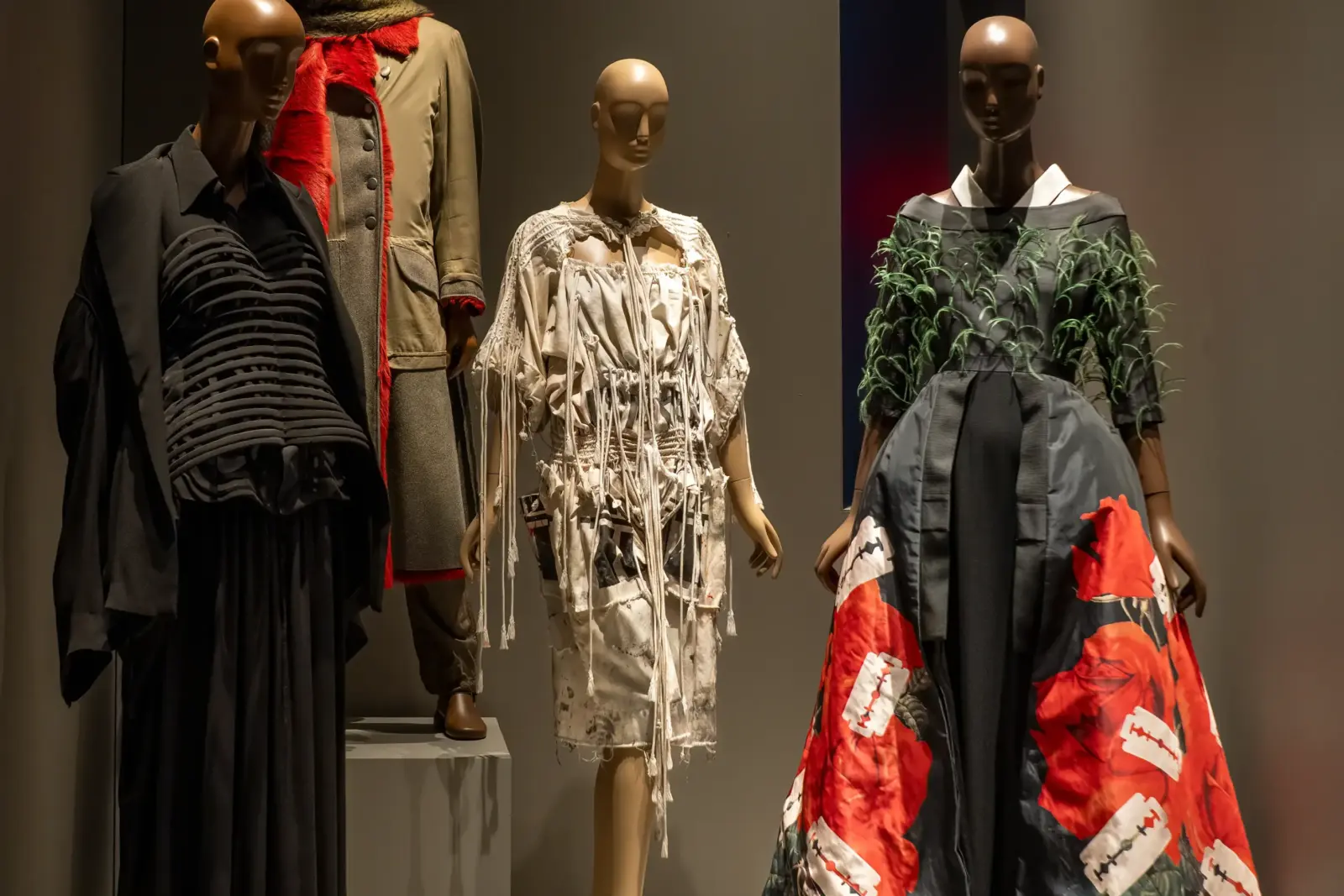
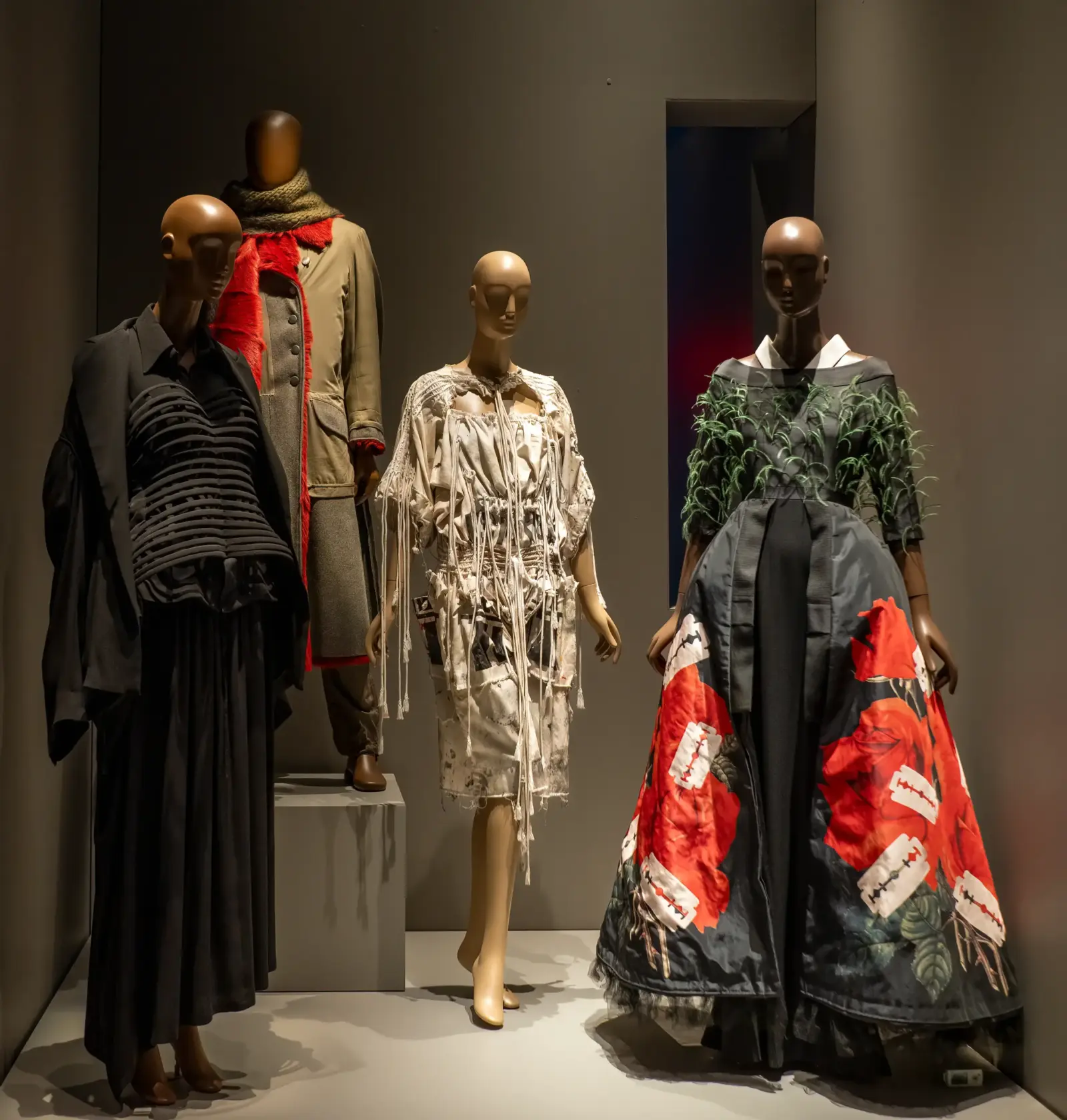
- Exhibition installation photograph at The Museum at FIT featuring black ensemble by Yohji Yamamoto (Fall 2006) and evening dress by Jun Takahashi for Undercover. Photograph by Rhododendrites, Wikimedia Commons, CC BY-SA 4.0.
- Rick Owens original high-top "Dunk" sneaker in milk leather (circa 2006–2007). Wikimedia Commons, CC BY-SA 4.0.
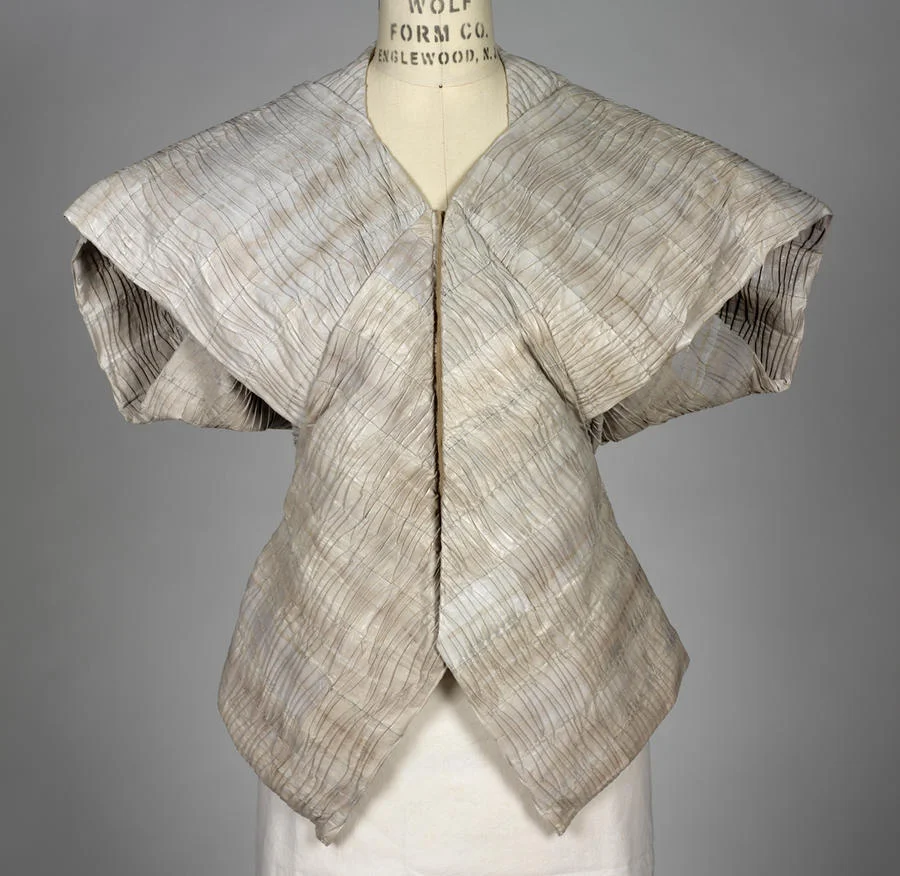
- Rick Owens sculptural woman's jacket in blistered leather, cotton, and rayon (2008). Rhode Island School of Design Museum of Art. Wikimedia Commons, CC0 1.0 Universal Public Domain Dedication.