Darkwear en de avant-garde scene van de jaren 2000
In het eerste decennium van de eenentwintigste eeuw codificeerde een internationale subcultuur van ontwerpers, verzamelaars en internettheoretici de donkere mode: een compromisloze esthetische beweging geworteld in schaduw, structurele vervorming en tactiele materialiteit. Voortgekomen uit een expliciete afwijzing van zowel de corporatieve minimalisme van de late jaren '90 als de hyper-commerciële logo-saturatie van luxe-conglomeraten, synthetiseerde de donkere mode van de jaren 2000 drie verschillende avant-garde afstammingen: de monochrome filosofie van de Japanse avant-garde, de asymmetrische romantiek van de Belgische deconstructivisten, en de archaïsche leren schoenmakerij van de Italiaanse ambachtelijke beweging. Gecentreerd rond belangrijke visionairs zoals Rick Owens, Tatsuro Horikawa van Julius, en Carol Christian Poell—en versterkt door toegewijde webforums zoals StyleZeitgeist en Superfuture—bouwde de beweging een alternatieve sartoriale universum waar kleding niet fungeerde als seizoensgebonden consumptiegoederen, maar als draagbare architectonische wapenrusting.
De post-millennial verschuiving naar schaduw: de definitie van de donkere mode van de jaren 2000
De dageraad van de eenentwintigste eeuw veroorzaakte diepgaande geopolitieke angsten, technologische versnelling en culturele ontgoocheling. In reactie op de glanzende, corporatieve logomania die de luxe modehuizen in de late jaren '90 domineerde, trok een internationaal netwerk van ontwerpers en dragers zich terug in een esthetiek van beschermende omhulling. Wat zich over Parijs, Tokio, Antwerpen en New York ontwikkelde, was niet alleen een liefde voor de kleur zwart, maar een uitgebreide ontwerpidoologie die retrospectief bekend staat als donkere mode.
Verre van een nieuwigheid die voortkwam uit de post-punk van de jaren '80 of traditionele gothic subculturen, was de donkere mode van de jaren 2000 een erudiete, structureel verfijnde manifestatie van anti-mode. Het synthetiseerde drie historische avant-garde genealogieën:
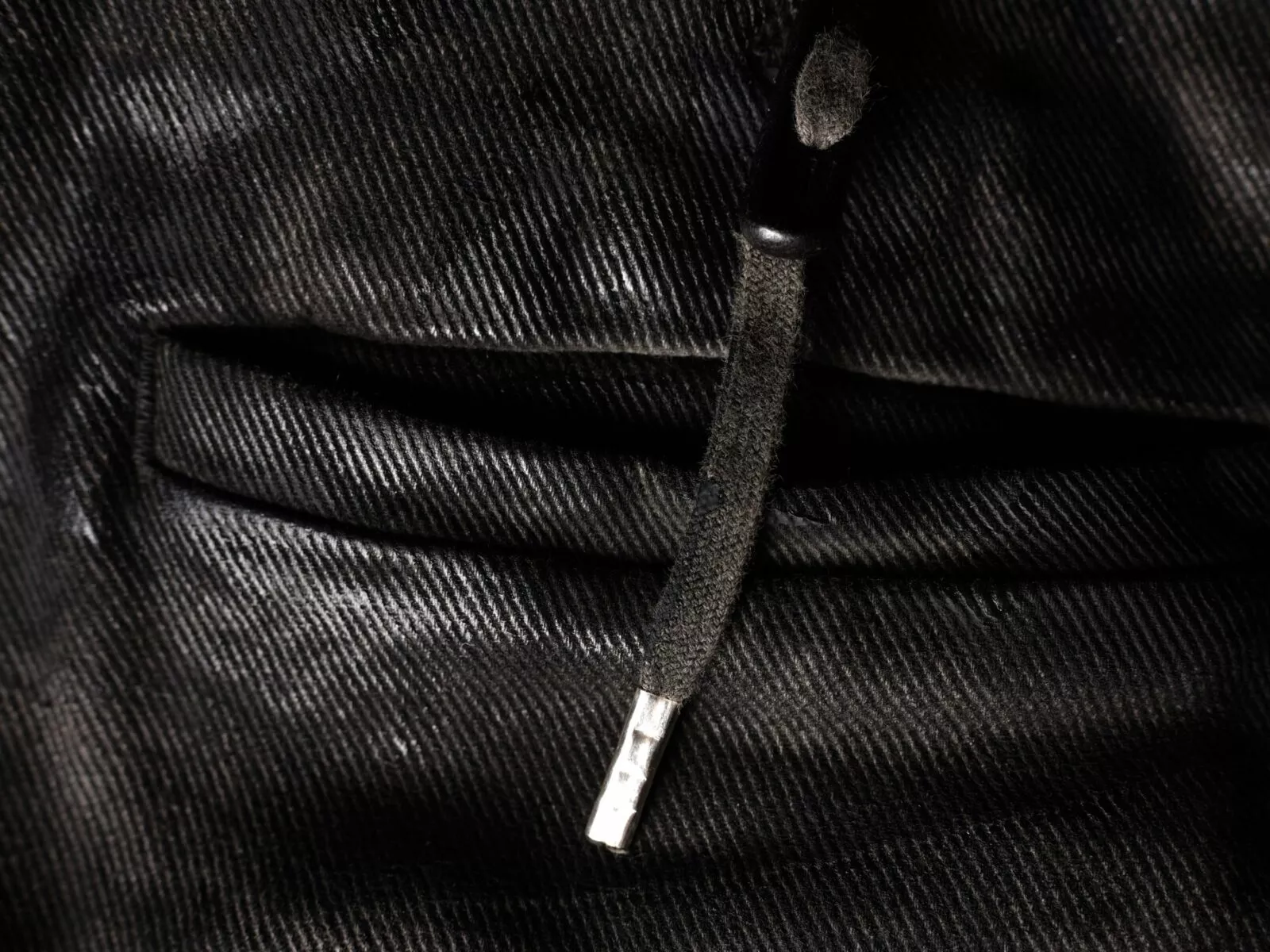
- Japanse Intellectuele Non-Kleur: Bouwend op de radicale debuten in Parijs in 1981 van Comme des Garçons en Yohji Yamamoto, erfde de donkere mode de overtuiging dat zwart geen afwezigheid van pigment is, maar een uitgebreide palet van verschillende texturen, weefsels en lichtabsorpties.
- Belgische Romantische Deconstructie: De structurele subversies van Ann Demeulemeester en Maison Martin Margiela droegen bij aan een waardering voor rafelende ruwe zomen, schuin gesneden silhouetten, blootgestelde voeringen en melancholische historische dresscodes, echoënd de bredere beweging van deconstructie in mode.
- Italiaans Radicaal Ambacht: De compromisloze materiaale experimenten van Maurizio Altieri’s Carpe Diem, m.a+, en Carol Christian Poell introduceerden mineraalrijke plantaardige tanning, ondergrondse veroudering van de bodem, objectverf en sculpturale schoenen die de kleding een archaïsche, archeologische zwaarte gaven.
Binnen de donkere mode werd kleding opgevat als een exoskelet. Silhouetten waren opzettelijk verlengd, asymmetrisch en beschermend, met prioriteit voor innerlijke tactiele gemeenschap boven uiterlijke bourgeois vertoning.
Online agora: forumarcheologie en de “goth-ninja” taxonomie
De opkomst van de donkere mode van de jaren 2000 was onlosmakelijk verbonden met de vroege web 2.0 digitale infrastructuur. In tegenstelling tot traditionele modebewegingen die gemedieerd werden door glanzende printmagazines en warenhuiskopers, werd de donkere mode ontleed, gecanoniseerd en verspreid via toegewijde webforums—meest opvallend StyleZeitgeist (opgericht door Eugene Rabkin in 2006), Superfuture (specifiek de legendarische “superfalk” en “supertrash” threads voor herenkleding), en Styleforum.
Deze messageboards fungeerden als gedecentraliseerde digitale universiteiten. Anonieme deelnemers uit Tokio, Berlijn, Melbourne en Los Angeles ruilden archieflookbook-scans, analyseerden complexe patroonontwerpen, volgden ambachtelijke leerbatchvariaties van leerlooierijen zoals Guidi, en scrutiniseerden de filosofie van catwalkcollecties. Het was binnen dit hypergeletterde digitale ecosysteem dat de tongue-in-cheek descriptor “goth-ninja” oorspronkelijk werd bedacht.
Eerst opgedoken op Superfuture circa 2005–2006 om de synthese van Japanse gelaagde draperieën en dystopische monochrome buitenkleding te beschrijven, migreerde de term snel in de algemene sartoriale lexicon. Terwijl het aanvankelijk werd gebruikt als een liefdevolle karikatuur voor dragers die volumineuze drop-crotch broeken, lange capuchonnekken en oversized schoenen combineerden, ving de frase een legitieme stilistische taxonomie:
- Beschermende Omhulling: Hoodies, hoge funnelkragen, gaiters en gewikkelde infinity sjaals die het lagere gezicht verborgen en de hoofd-silhouetten veranderden.
- Kinetische Draperie: Asymmetrische zomen en jersey tunieken die dynamisch om het lichaam zwierden tijdens voorwaartse beweging, evokend martial arts gewaden of post-apocalyptische zwervers.
- Grondende Schoenen: Chunky combat boots, spiraalvormige laarzen met rits aan de achterkant, of gewatteerde high-top sneakers die een ondergewichtige visuele balans bieden.
De commerciële voorhoede van deze beweging werd ondersteund door een clandestien netwerk van onafhankelijke conceptwinkels: Armand Hadida’s L’Éclaireur in Parijs, Karlo Steel’s Atelier New York, Tsuneyuki Ito’s Lift in Tokio, Darklands in Berlijn, en H.Lorenzo in West Hollywood. Deze ruimtes leken meer op brutalistische kunstgalerijen of monastieke gewelven dan op conventionele winkels, met ruwe betonnen interieurs, op maat gemaakte zwartgeblakerde stalen armaturen, en gedimde sfeerverlichting die het heilige, rituele karakter van de kleding versterkte.
De Californische monarch: Rick Owens en brutalistische glamour
Geen enkele individuele ontwerper heeft meer gedaan om de visuele woordenschat en internationale momentum van de donkere mode van de jaren 2000 te formaliseren dan de in Zuid-Californië geboren ontwerper. Rick Owens. Na het ontwikkelen van zijn snij- en drapeermethodologie in relatieve isolatie in het centrum van Los Angeles in de jaren 90, presenteerde Owens zijn eerste modeshow in Parijs in 2002. Door zijn hoofdkantoor in 2003 naar de Place du Palais Bourbon in Parijs te verplaatsen, codificeerde Owens een esthetiek die hij beroemd "glunge" noemde “—een naadloze hybride van Hollywood art-deco glamour en grunge nihilisme.”Gedurende de jaren 2000 voerde Owens een reeks tijdsdefiniërende collecties uit die de conventionele mannelijke en vrouwelijke tailoring afbraken:.
"Dustulator" (Herfst/Winter 2006–2007):
- “Gepresenteerd in de Stazione Leopolda tijdens Pitti Uomo in Florence, vestigde deze baanbrekende collectie de klassieke donkere modeproportie: verlengde semi-doorzichtige zijde/viscose jersey rib tunieken die voorbij de dij vallen, drop-crotch pod shorts gedragen over huidstrakke thermoleggings, en zwaar gewatteerde architectonische high-top sneakers. "Exploder" (Herfst/Winter 2007–2008):.
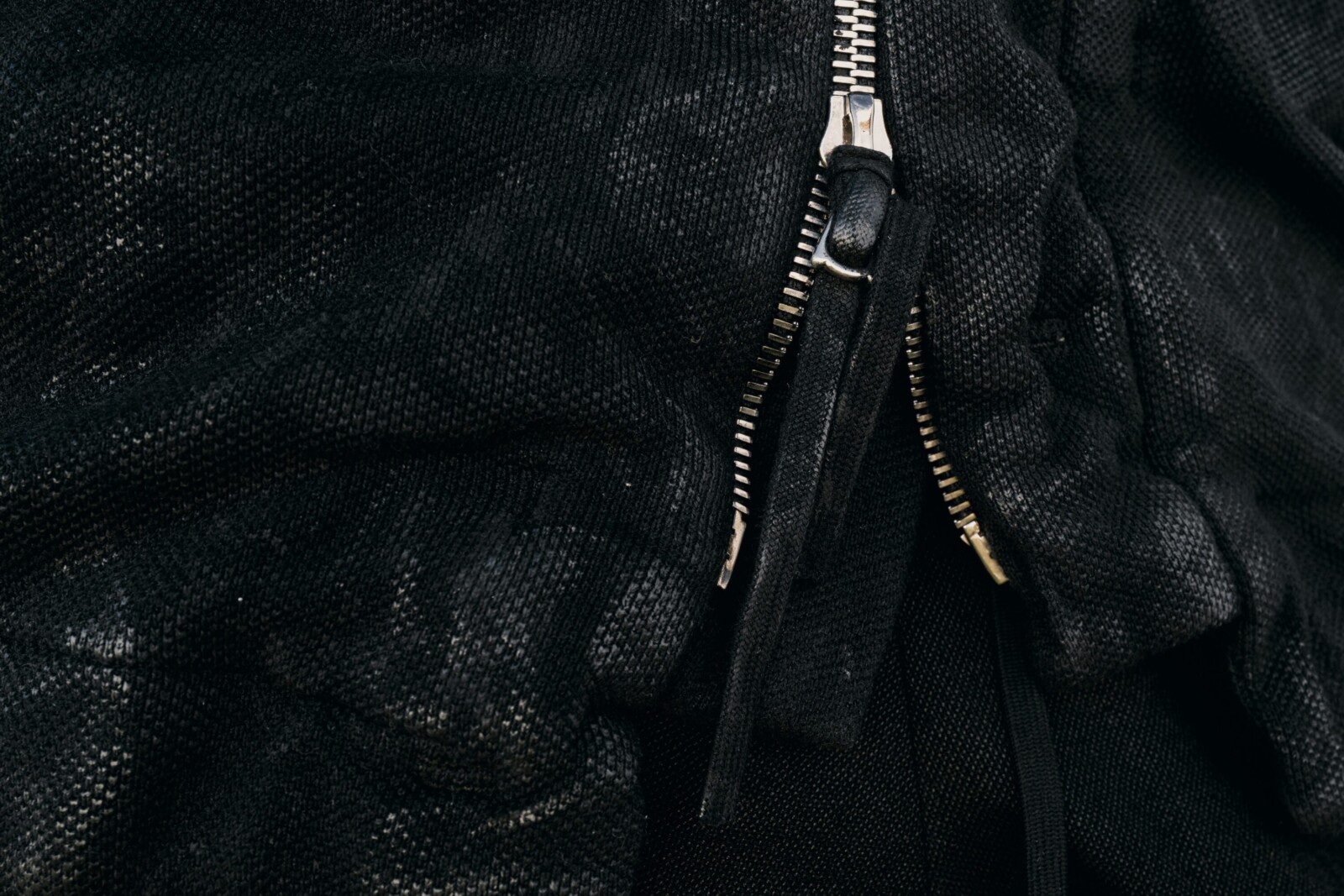
- “Een verkenning van explosieve, volumetrische buitenkleding. Owens debuteerde met hoge jassen met een funnel-neck en verborgen asymmetrische ritsen, shearling-voering modulaire capuchons, en geblazen wasbehandelingen die laminaat er oud en verhard uit lieten zien. "Creatures" (Lente/Zomer 2008) en "Stag" (Herfst/Winter 2008–2009):.
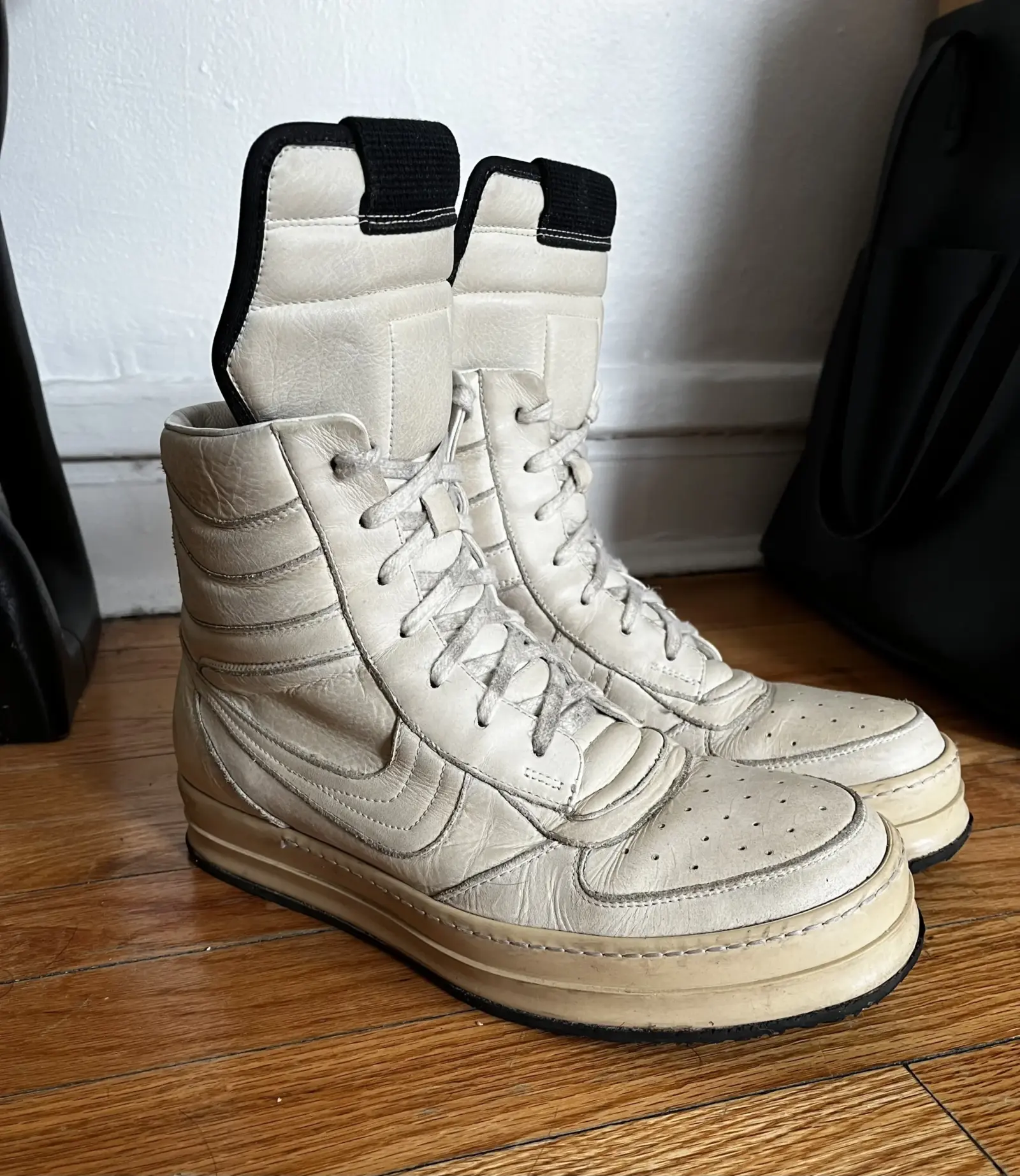
- “Collecties die de bias-cut architectonische drapering, geometrische leren patchworking, en rigide sculpturale vormen perfectioneerden, geïnspireerd door brutalistische betonnen architectuur en religieuze gewaden. Centraal in Owens' invloed in de jaren 2000 stond zijn schoeiselengineering. De release van de originele 2006 "Dunk" sneaker—een enorme, gewatteerde high-top gemaakt van dikke kalfs- en korrelige leathers met een geschulpte laterale leren applicatie—verstoorde de luxe schoeisel volledig. Door de visuele proporties van jaren 80 basketbalsneakers te combineren met het orthopedische gewicht van middeleeuwse sabatons, werd de Dunk de heilige graal van de forumverzamelcultuur, met een mythologische status voordat hij evolueerde naar de hedendaagse Geobasket.
Tegelijkertijd in Japan was Tatsuro Horikawa bezig met het construeren van een nog agressievere, dystopische interpretatie van donkere mode via zijn label.
Tokyo underground: Tatsuro Horikawa’s Julius en cyber-gothicisme
Opgericht in Tokio in 2001 aanvankelijk als een audiovisueel kunstpresentatieproject voordat het zijn eerste modeshowcollectie in 2004 debuteerde, putte Julius zwaar uit industriële noise muziek, cyberpunk literatuur, Tibetaanse boeddhistische eschatologie, en techno-club tegenculturen. Julius. Waar Rick Owens donkere mode benaderde via klassieke drapering en ontspannen brutalism, benaderde Horikawa het via militaire cybernetica en architectonische fragmentatie:.
De Gas-Mask Cargo Pant:
- Misschien het meest herkenbare kledingstuk in de Japanse donkere mode, de Julius gas-mask broek had enorme driedimensionale bellow pockets verankerd door nylon webbing straps en industriële metalen hardware. Gemaakt met agressieve anatomische spiraalnaad, stapelde de broek strak over zware laarzen, wat overlevingscapaciteit in een industriële woestenij opriep. De Rider Jacket Redefined:.
- Horikawa herontwierp de motorjack. Met plantaardig gelooid schapenleer, paardenleer, en zwaar koeienleer behandeld met was en pigmentwas, incorporateerde Julius leren jassen hoge diagonale kraag wraps, offset dubbele-slider riri ritsen, en smalle gearticuleerde mouwsnits die een rechtopstaande, roofzuchtige houding afdwingen. Parijse Canonisatie (2008–2010):.
- Julius maakte de overstap naar de officiële kalender van de Paris Fashion Week met collecties zoals Lente/Zomer 2008 "Insanity in Industrial Inc. #1" “en Herfst/Winter 2008” "Insanity in Industrial Inc. #3". “Deze shows verstevigden de ondergrondse esthetiek van Tokio als een intellectuele kracht die in staat was om te concurreren met de Europese hoge luxe.”. Naast Julius droegen Japanse tijdgenoten zoals Tomoaki Okaniwa’s.
(opgericht 2000) en Daisuke Nishida’s The Viridi-anne (opgericht 2006) cruciale technische strengheid bij. De Viridi-anne combineerde traditionele Japanse washi papier garens en indigo overdye met Europese tailoring, terwijl DEVOA—geleid door Nishida’s achtergrond in professionele gymnastiek en sportgeneeskunde—medische patroonmaking toepaste om pakken te ontwerpen die zich volledig met kinetische vrijheid bewogen ondanks zware wol en paardenleer constructie. DEVOA Originele Rick Owens "Dunk" high-top sneaker in melkleer (circa 2006–2007). Wikimedia Commons, CC BY-SA 4.0. Geïntroduceerd in de cruciale Herfst/Winter 2006 "Dustulator" collectie, de overdreven, gewatteerde silhouet en geschulpte zijmotief van de Dunk verankerde de verlengde, ondergewichtige proporties van mid-2000s donkere mode en werd het bepalende schoeisel archetype van internet forum verzamelcultuur.
De Europese ambachtelijke as: Carol Christian Poell en Carpe Diem
(werkend in Milaan) en de invloedrijke Carol Christian Poell diaspora in Italië. Carpe Diem Poell opereerde buiten alle commerciële logica. Hij weigerde interviews en reguliere showroom schema's, en behandelde kleding als een compromisloze biomedische experiment:.
Biomedisch en Industrieel Hardware:
- Poell integreerde titanium protheseknie scharnieren, chirurgische staal nietjes, en rubbercoatings direct in klassieke tailoring. In zijn legendarische 2004 collectie "Mainstream-Downstream" “, werden modellen over de Naviglio Grande kanaal in Milaan gedreven, gekleed in kleding waarvan de structuur direct reageerde op aquatische onderdompeling.”, Drip-Rubber en Object-Dyed Cordwaining:.
- In schoeisel ontwikkelde Poell de iconische "drip sneaker" en titanium-shanks derby, waarbij complete leren schoenen in vloeibare polyurethaan werden gedipt die zich solidificeerden tot stalactietachtige rubberdruppels langs de zool. Zijn naadloze spiraalconstructie broeken en "dead-end" one-piece cut jassen elimineerden traditionele naadplaatsing door pure wiskundige patroon snijden. De Carpe Diem Legacy:.
- Maurizio Altieri’s Umbrië workshop, die rond 2006 werd ontbonden, bracht de volgende generatie meesterartisans voort: Maurizio Amadei van De Umbraanse workshop van Maurizio Altieri, die rond 2006 werd ontbonden, bracht de volgende generatie meester-artisanen voort: Maurizio Amadei van m.a+ (die origami-achtige, een-delige spiraal leren jassen en kruissteek zilveren hardware patenteerde), Luca Laurini van Label Under Construction, en Simone Cecchetto van A1923. Deze ambachtslieden werkten nauw samen met de historische Guidi 1896 looierij en tilde de plantaardige leerambacht naar een obsessieve cultus.
Daarnaast injecteerden ontwerpers zoals de Kroatisch geboren Damir Doma, die zijn label in 2006 in Parijs lanceerde na het assisteren van Raf Simons en Dirk Schönberger, een zachte, monastieke romanticus in de scène. Doma's vloeiende kasjmier kimonos, laaghangende wollen broeken en gedrapeerde linnen capes boden een etherisch, contemplatief contrast met het agressieve industrialisme van Tokio en Milaan.
Materiële grammatica: geblazen lam, koude oververf en drop-crotch geometrie
De darkwear esthetiek werd over internationale grenzen heen verenigd door een opmerkelijk rigoureuze materiaalsyntax en structurele anatomie:
| Ontwerp Dimensie | Traditionele Luxe Kledingstukken | 2000s Darkwear Beweging |
|---|---|---|
| Primaire Palet | Seizoensgebonden chromatische trends, prints, logo's | Niet-kleurvariaties: diep zwart, stof, geblisterde krijt, parel, ijzergrijs |
| Leren Behandeling | Glad, uniform, chroom-gebruind kalfsleer | Plantaardig gelooide equus huiden, geblisterd lam, olie-geïmpregneerd kangaroo, object-geverfd korst |
| Boven Silhouet | Gestructureerde gewatteerde schouders, getailleerde taille | Verlengde semi-doorzichtige jersey tunieken, hoge asymmetrische trechterkragen, cocon jassen |
| Onder Silhouet | Rechtafstaande of taps toelopende geplooide broeken | Laaghangende pod shorts, zwaar gestapelde anatomische curve broeken, gearticuleerde kniesteken |
| Hardware & Sluitingen | Verborgen plastic ritsen, decoratieve hoornknopen | Blootgestelde zwartgeblakerde riri/Excella industriële ritsen, zware geoxideerde ijzeren haken, ruwe selvedge strikken |
| Afwerkingsmethoden | Schone overlock randen, pers-geperste voeringen | Ruwe snijranden, kleding oververven (tinto in capo), ongevoerde interieurs, blootgestelde naad tape |
De kenmerkende silhouet was onderaan zwaar en verticaal vervormd. Door de romp te verlengen met fijne tunieken en de kruislijn van broeken te verlagen, braken ontwerpers de klassieke Gulden Snede van de Westerse herenkleding, waardoor een verlengde, beschermende silhouet ontstond die stille stoïcijnsheid uitstraalde.
Mutatie en diaspora: van ondergrondse schaduwen naar technische sportkleding
Aan het einde van de jaren 2000 begon darkwear te muteren onder invloed van opkomende technische textielen en prestatie-ergonomie. Ontwerpers erkenden dat de darkwear silhouet—hoge kragen, modulaire articulatie, beschermende capuchons en tactische cargozakken—kon worden verbonden met hoge prestaties weerbestendigheid.
Deze realisatie bracht direct de moderne techwear fenomeen voort. Errolson Hugh’s ACRONYM, die sinds 2002 stilletjes modulaire tactische kleding pionierde, kwam internationaal op de voorgrond, waarbij hij versleten plantaardig gelooide paardenhuiden verving door multilayer GORE-TEX Pro membranen, Schoeller Dryskin, en magnetische gravity pockets. De esthetiek maakte de overgang van archaïsche middeleeuwse harnassen naar futuristische cyberpunk functionaliteit.
Tegelijkertijd merkte de mainstream luxe-industrie het op. Grote huizen begonnen de proporties van darkwear over te nemen: Riccardo Tisci bij Givenchy verwerkte donkere gotische iconografie en verlengde silhouetten, terwijl commerciële high-street ketens massaal drop-crotch harem broeken en oversized asymmetrische hoodies produceerden. Maar, ontdaan van de biologische veroudering, ambachtelijke tanning, en anatomische patroonengineering die de oorspronkelijke ateliers in Perugia, Tokio en Parijs definieerden, vervaagde commerciële fast-fashion darkwear snel in een stilistische pastiche.
Vandaag de dag staat de echte darkwear beweging van de jaren 2000 als een van de meest radicale hoofdstukken in de moderne modegeschiedenis. Door zijn afwijzing van seizoensgebonden veroudering, zijn cultivering van diep geletterde online gemeenschappen, en zijn compromisloze toewijding aan materiële archeologie, bewees darkwear dat duisternis in kleding geen afwezigheid van visie is, maar een intense, architectonische zoektocht naar permanentie.
Referenties en verdere lectuur
- Het Museum aan FIT — Gothic: Dark Glamour Tentoonstelling Archief
- Triennale di Milano — Rick Owens: Subhuman Inhuman Superhuman
- Dazed Digital — Rick Owens: Subhuman Inhuman Superhuman Retrospectieve Analyse
- Vogue Runway — Rick Owens Fall 2006 Ready-to-Wear Collectie Archief
- StyleZeitgeist — StyleZeitgeist: De Cultuur van Onafhankelijke en Avant-Garde Mode
- Kyoto Costume Institute (KCI) — Kyoto Costume Institute Digitale Archieven: 20e en 21e Eeuw Avant-Garde Kleding
Afbeelding credits
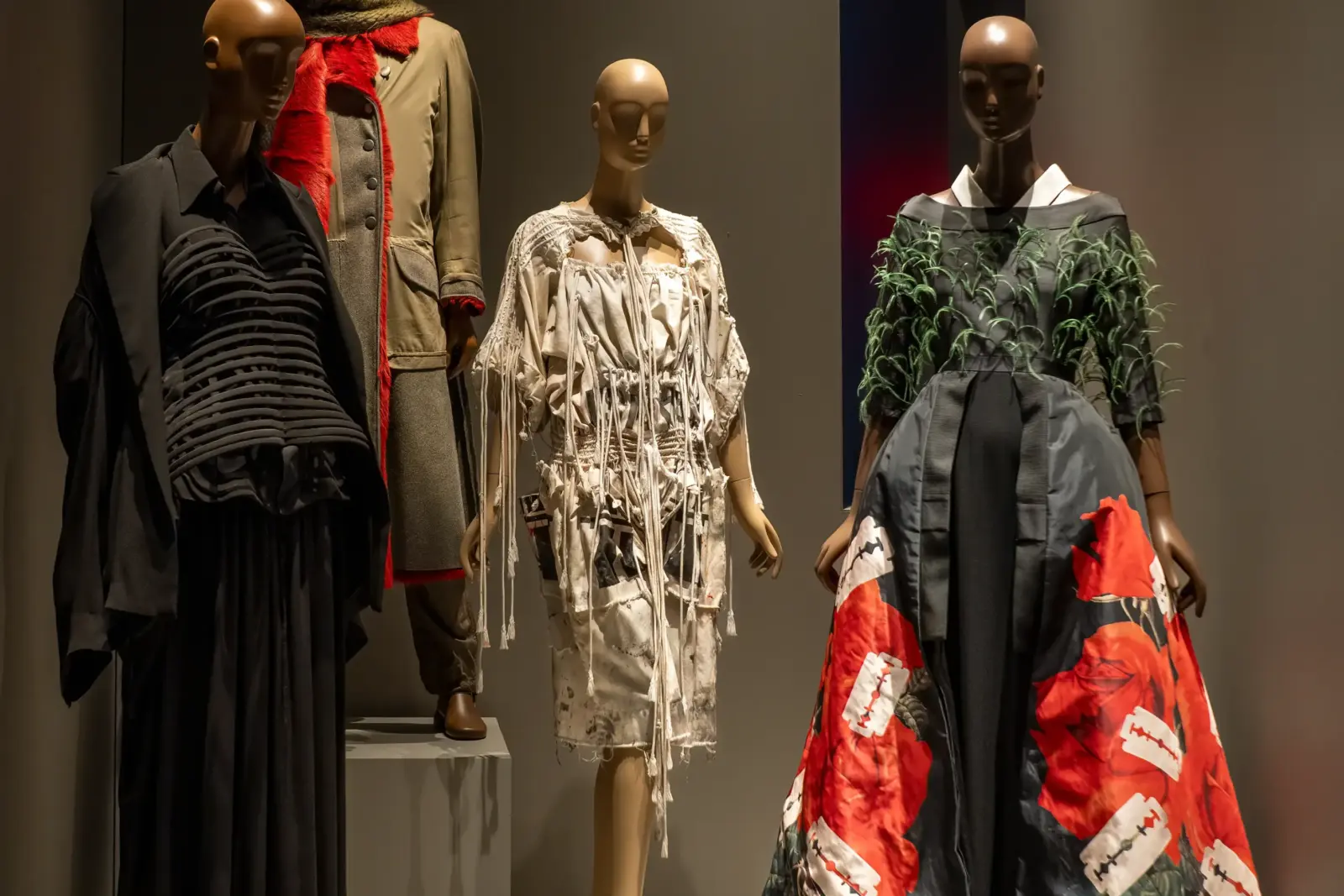
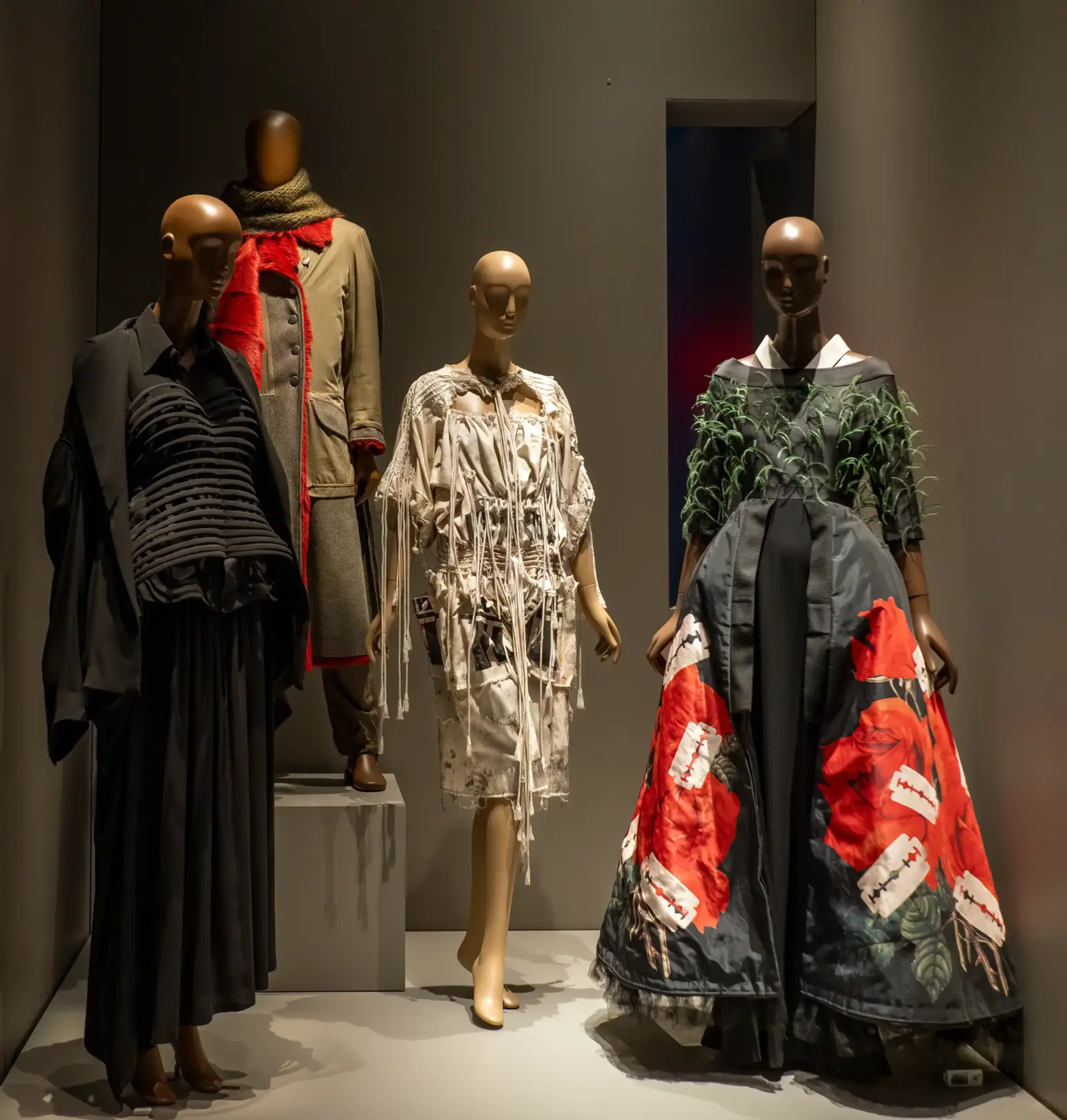
- Tentoonstellingsinstallatiefoto bij Het Museum aan FIT met een zwart ensemble van Yohji Yamamoto (Herfst 2006) en avondjurk van Jun Takahashi voor Undercover. Foto door Rhododendrites, Wikimedia Commons, CC BY-SA 4.0.
- Rick Owens originele high-top "Dunk" sneaker in melkleer (circa 2006–2007). Wikimedia Commons, CC BY-SA 4.0.
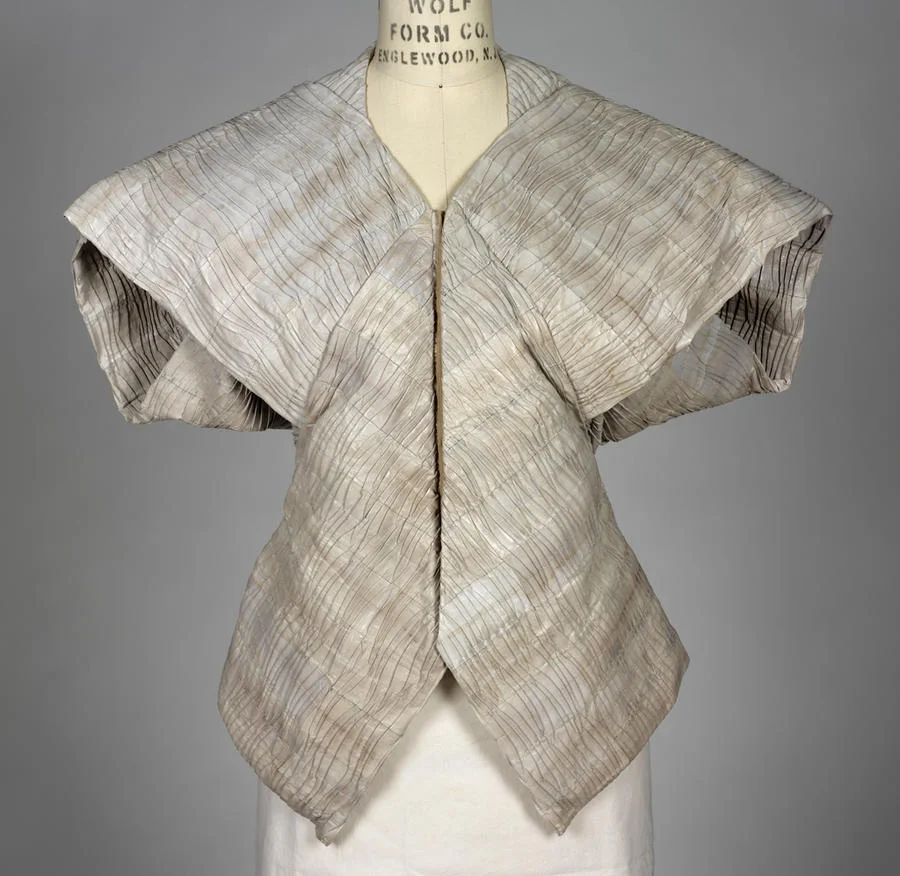
- Rick Owens sculpturale damesjas in geblisterd leer, katoen en rayon (2008). Rhode Island School of Design Museum of Art. Wikimedia Commons, CC0 1.0 Universele Publieke Domein Toewijding.