暗黑风格与2000年代先锋艺术场景
在21世纪的第一个十年,设计师、收藏家和互联网理论家们共同规范了黑暗服装:一种根植于阴影、结构扭曲和触觉材料性的毫不妥协的美学运动。. 作为对90年代末企业极简主义和奢侈品集团超商业化标志饱和的明确拒绝,2000年代的黑暗服装综合了三种不同的先锋血脉:单色哲学的 日本前卫, 、不对称的浪漫主义 比利时解构主义者, 和古老的皮革制鞋工艺 意大利手工艺运动. 。围绕包括 Rick Owens, 、Tatsuro Horikawa的 Julius和 Carol Christian Poell——以及像 风格精神 和 Superfuture这样的专门网络论坛的推动,这一运动构建了一个替代的服装宇宙,在这里,服装不仅仅是季节性消费品,而是可穿戴的建筑盔甲。.
后千年转向阴影:定义2000年代黑暗服装
21世纪的黎明引发了深刻的地缘政治焦虑、技术加速和文化幻灭。为了应对90年代末主导奢侈时尚界的光滑企业标志狂潮,一个国际设计师和穿着者网络退回到一种保护性封闭的美学中。在巴黎、东京、安特卫普和纽约出现的,不仅仅是对黑色的喜爱,而是一种回顾性被称为的全面设计理念 黑暗服装.
。2000年代的黑暗服装远非1980年代后朋克或传统哥特亚文化的一个新奇分支,而是 反时尚. 的博学、结构复杂的表现。它综合了三种历史先锋血统:
- 日本知识分子非色彩: 基于1981年巴黎的激进首秀,黑暗服装继承了黑色不是色素的缺失,而是各种纹理、编织和光吸收的广阔调色板的信念。 Comme des Garçons 和 Yohji Yamamoto, 比利时浪漫解构:.
- 的结构颠覆和Maison Martin Margiela对磨损生边、斜裁轮廓、暴露衬里和忧郁的历史着装规范的欣赏,呼应了时尚中更广泛的 解构运动 Ann Demeulemeester 意大利激进手工艺: 的毫不妥协的材料实验引入了矿物密集的植物鞣制、地下土壤老化、物体染色和雕塑鞋履,使服装具有古老的考古重量。.
- 在黑暗服装中,服装被构思为外骨骼。轮廓被故意拉长、不对称和保护,优先考虑内在的触觉交流而非外在的资产阶级展示。 2000年代黑暗服装的兴起与早期的web 2.0数字基础设施密不可分。与通过光滑的印刷杂志和百货商店买家调解的传统时尚运动不同,黑暗服装通过专门的网络论坛被剖析、经典化和传播——最显著的是 Maurizio Altieri’和相关制造商突出了手工制作、解剖学剪裁、物体染色和通过穿着转变的材料。这个潮流将成为2000年代黑暗、物质密集的独立时尚文化的基础。 抓住今天, m.a+和 Carol Christian Poell (由Eugene Rabkin于2006年创立),.
(特别是传奇的“superfalk”和“supertrash”男装主题),以及.
在线广场:论坛考古学和“哥特忍者”分类法
Styleforum 风格精神 。这些留言板充当了去中心化的数字大学。来自东京、柏林、墨尔本和洛杉矶的匿名参与者交换档案册扫描,分析复杂的图案草图,跟踪来自皮革厂的手工皮革批次变化,像, Superfuture ,并审视时装秀的集合理念。正是在这个超文化的数字生态系统中,调侃的描述词 “哥特忍者”.
最初被创造出来。 Guidi, 首次出现在 “大约在2005-2006年,用来描述日本层叠布料和反乌托邦单色外套的综合,这个术语迅速迁移到一般的服装词汇中。虽然最初用作对穿着者结合宽松的低裆裤、长款兜帽领和超大鞋履的亲切讽刺,但这个短语捕捉到了一个合法的风格分类:” 保护性包裹:.
兜帽、高漏斗领、护腿和包裹的无尽围巾,遮住下半张脸并改变头部轮廓。 Superfuture 动感布料:
- 不对称的下摆和在前进时动态旋转的针织上衣,唤起武术袍或后末日的流浪者。 基础鞋履:.
- 厚重的战斗靴、旋转的后拉链鞋或加垫的高帮运动鞋,锚定了底部重心的视觉平衡。 不对称下摆和在前进时动态旋转的针织长袍,仿佛武术袍或后末日流浪者。.
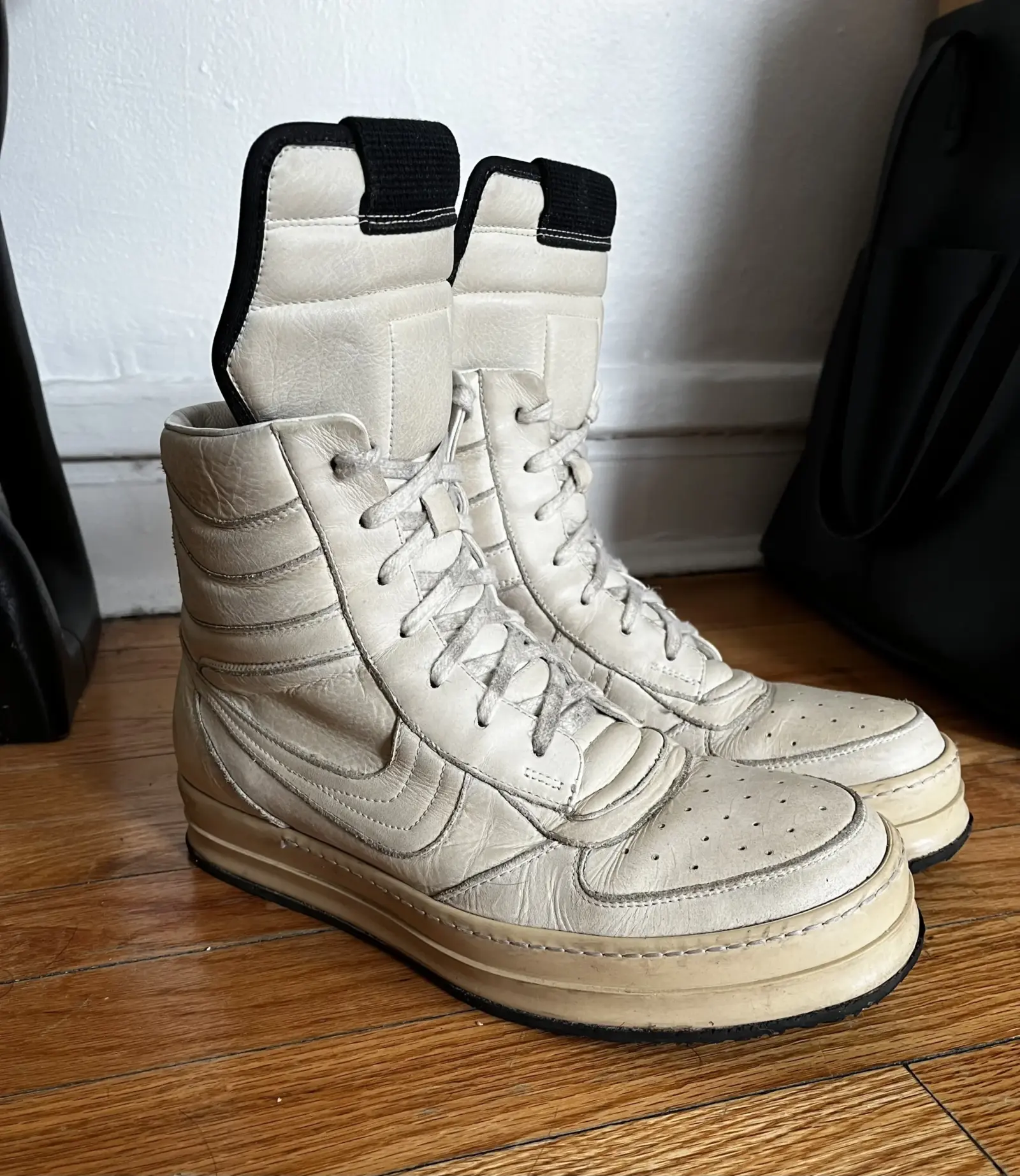
- 基础鞋履: 厚底战斗靴、旋转后拉链鞋或加厚高帮运动鞋,稳固了底部沉重的视觉平衡。.
这个运动的商业先锋由一个秘密的独立概念精品店网络维持:阿尔芒·哈迪达的 L’Éclaireur 在巴黎,卡尔洛·斯蒂尔的 Atelier New York, ,伊藤常幸的 Lift 在东京,, Darklands 在柏林,以及 H.Lorenzo 在西好莱坞。这些空间更像是野兽派艺术画廊或修道院的拱顶,而不是传统的零售店,内部是粗糙的混凝土,定制的黑色钢制装置,以及昏暗的环境灯光,强化了服装的神圣、仪式感。.
加州的君主:Rick Owens和野兽派魅力
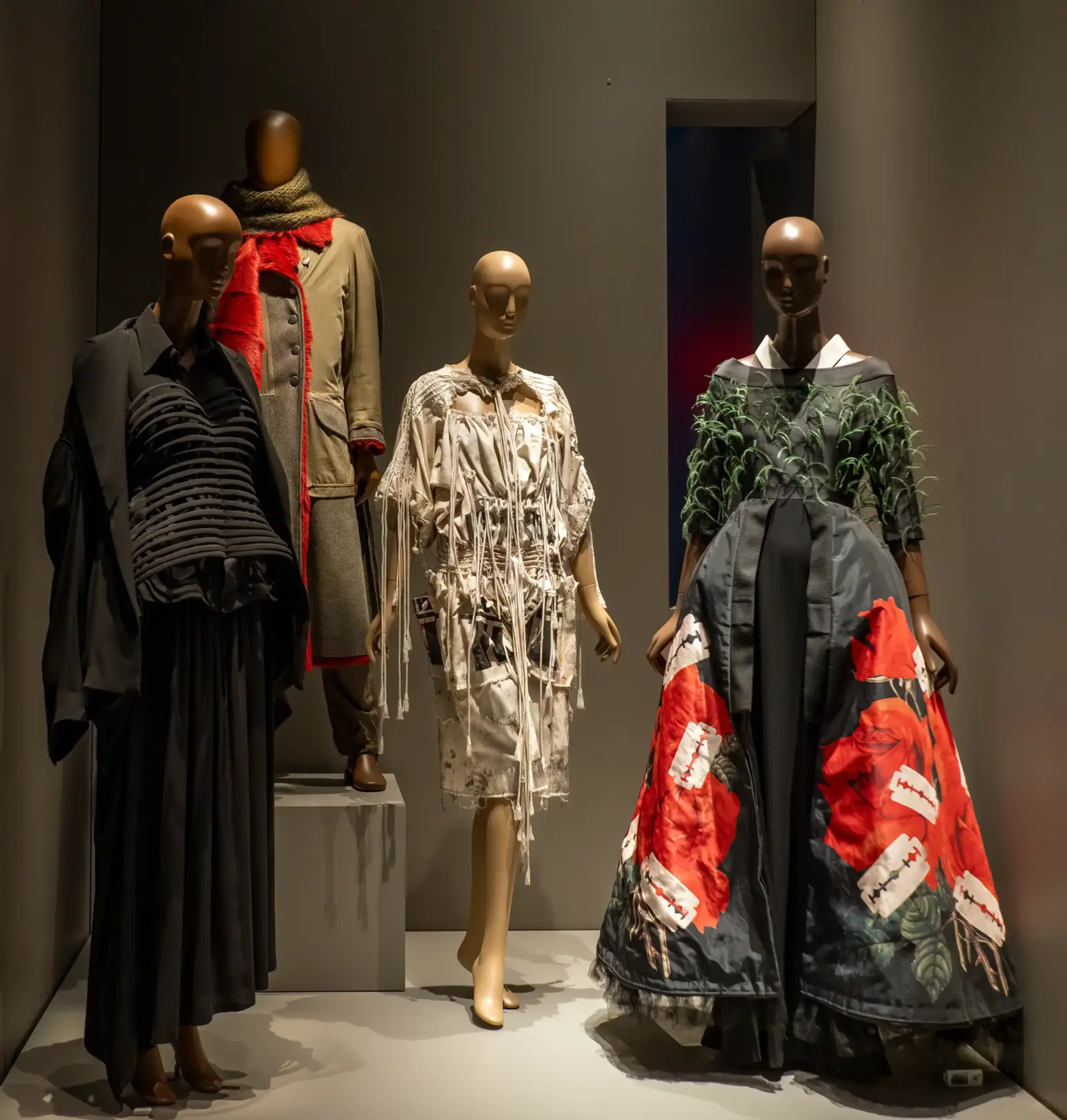
没有哪个单独的设计师比出生于南加州的设计师更能正式化2000年代暗黑风格的视觉词汇和国际动能。 Rick Owens. 在1990年代,他在洛杉矶市中心相对孤立地发展了他的剪裁和悬垂方法,欧文斯在2002年展示了他的第一次巴黎时装秀。2003年,他将总部迁至巴黎的波旁宫广场,欧文斯确立了一种他著名称之为 “glunge”的美学——好莱坞艺术装饰魅力与颓废主义的无缝混合。.
在2000年代,欧文斯推出了一系列定义时代的系列,拆解了传统的男性和女性剪裁:
- “Dustulator”(2006–2007秋冬): 在佛罗伦萨的皮蒂乌莫展览会上于圣斯塔齐奥·莱奥波尔达展示,这个里程碑式的系列确立了经典的暗黑风格比例:修长的半透明丝绸/粘胶针织长袍,落裆的短裤穿在紧身的保暖打底裤上,以及厚重的建筑风格高帮运动鞋。.
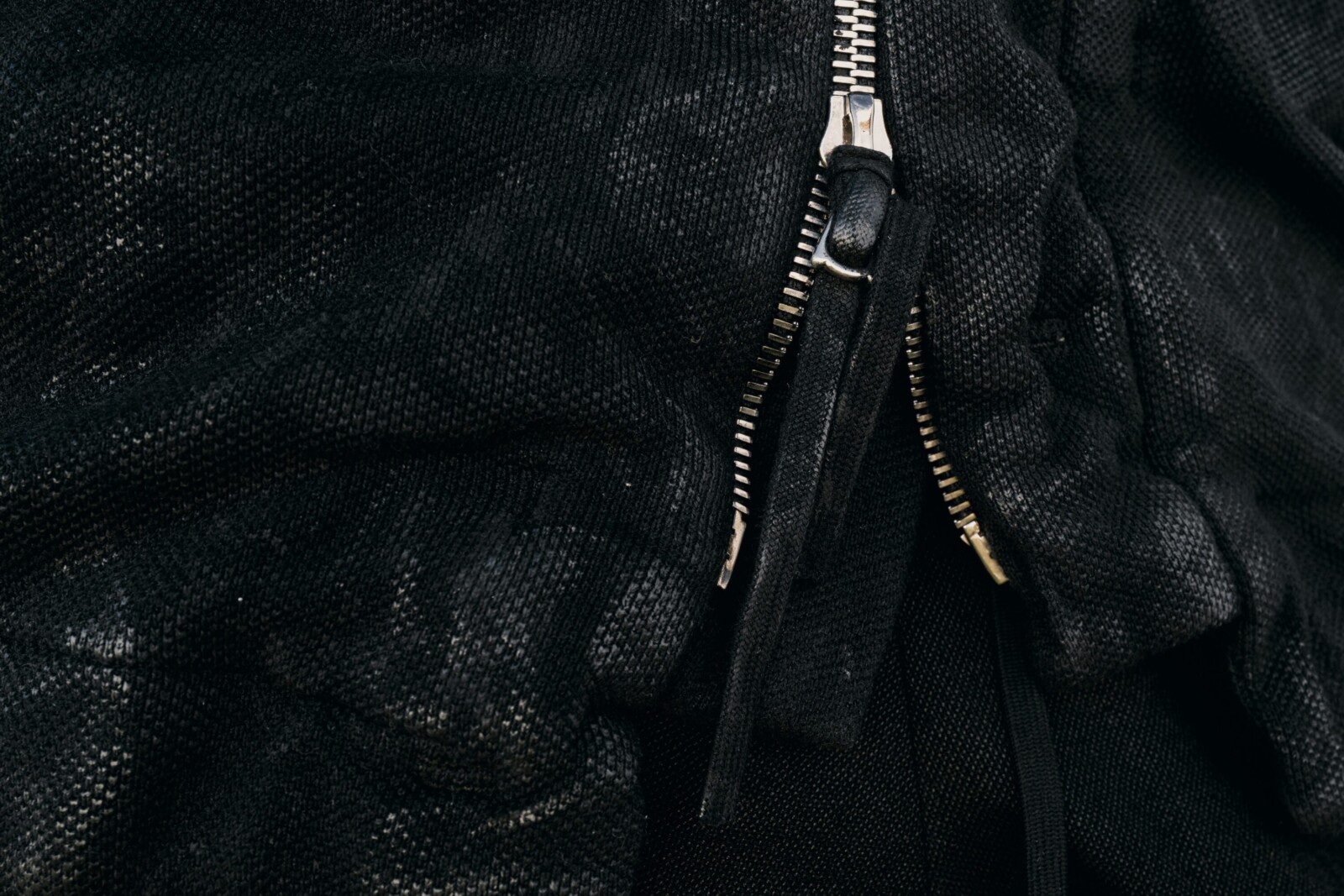
- “Exploder”(2007–2008秋冬): 对爆炸性、体积感外套的探索。欧文斯首次推出了带有隐藏不对称拉链的高领夹克、羊羔毛衬里的模块化帽子,以及使羊皮看起来古老和钙化的起泡洗涤处理。.
- “Creatures”(2008春夏)和“Stag”(2008–2009秋冬): 完善了斜裁建筑悬垂、几何皮革拼接和受野兽派混凝土建筑及宗教服饰启发的刚性雕塑形式的系列。.
欧文斯在2000年代影响力的核心是他的鞋履工程。2006年原版’Dunk“运动鞋的发布——一款由厚小牛皮和外皮制成的巨大加厚高帮鞋,配有波浪形侧面皮革贴花——彻底颠覆了奢侈鞋履。将1980年代篮球运动鞋的视觉比例与中世纪战靴的矫形重量结合,Dunk成为论坛收藏文化的圣杯,拥有神话般的地位,后来演变为当代Geobasket。.
东京地下:Tatsuro Horikawa的Julius和赛博哥特主义
与此同时,在日本,堀川达郎通过他的品牌构建了一个更具攻击性、反乌托邦的暗黑风格解读。 Julius. 于2001年在东京成立,最初作为一个视听艺术展示项目,直到2004年首次推出其时装系列,Julius深受工业噪音音乐、赛博朋克文学、西藏佛教末世论和电子俱乐部反文化的影响。.
当瑞克·欧文斯通过经典悬垂和放松的野兽派风格接触暗黑风格时,堀川则通过军事赛博技术和建筑碎片化来接近它:
- 防毒面具工装裤: 也许是日本暗黑风格中最广为人知的服装,Julius的防毒面具裤子配有巨大的三维风箱口袋,由尼龙网带和工业金属硬件固定。裤子采用激进的解剖螺旋缝合,紧贴在厚重靴子上,唤起了在工业废墟中生存作战的感觉。.
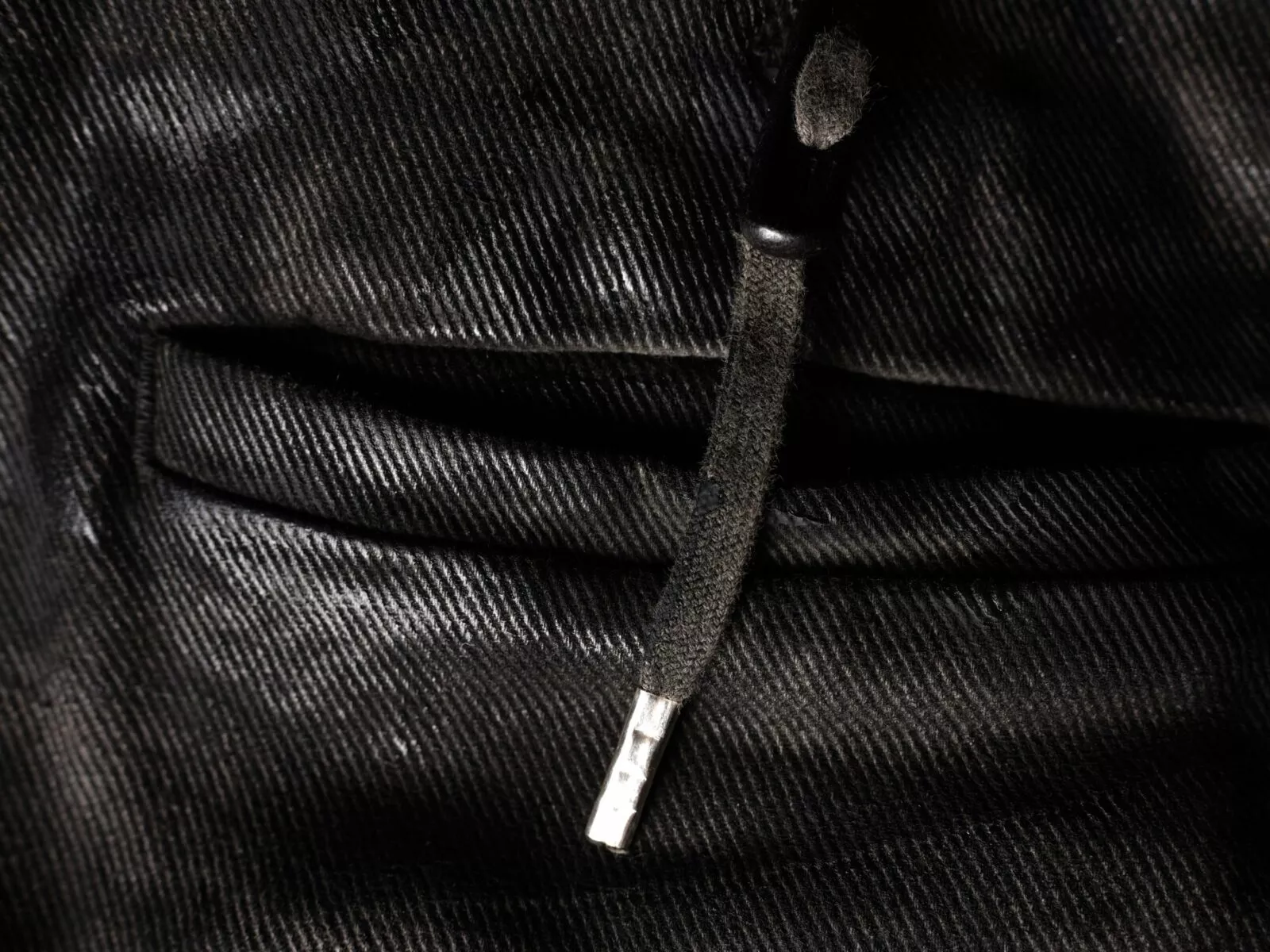
- 骑士夹克的重新定义: 堀川系统性地重新设计了摩托车夹克。使用植物鞣制的羊皮、马皮和经过蜡和颜料洗涤处理的厚牛皮,Julius的皮夹克融入了高斜领包裹、偏移的双滑动riri拉链,以及强迫直立、掠夺性姿势的狭窄关节袖裁剪。.
- 巴黎的圣化(2008–2010): Julius转向正式的巴黎时装周日程,推出了如2008春夏的 “Insanity in Industrial Inc. #1” 和2008秋冬的 “Insanity in Industrial Inc. #3”. 。这些秀巩固了东京的地下美学作为一种能够与欧洲高端奢侈品抗衡的知识力量。.
与Julius并肩的日本当代设计师,如冈庭智明的 The Viridi-anne (成立于2000年)和西田大辅的 DEVOA (成立于2006年)也贡献了重要的技术严谨性。The Viridi-anne将传统的日本和纸纱线和靛蓝过染与欧洲剪裁结合,而DEVOA——由西田的专业体操和运动医学背景主导——应用医学制版技术,设计出能够在重羊毛和马皮构造下完全自由运动的西装。.
欧洲手工艺轴心:Carol Christian Poell和Carpe Diem
虽然欧文斯和堀川获得了国际时装秀的可见度,但2000年代暗黑风格的一个更激进、毫不妥协的分支在私人欧洲工作室中展开。这个手工艺轴心由奥地利设计师 Carol Christian Poell (在米兰工作)和在意大利的影响力 抓住今天 侨民支撑。.
Poell在所有商业逻辑之外运作。拒绝采访和常规的展厅时间表,Poell将服装视为一种毫不妥协的生物医学实验:
- 生物医学和工业硬件: Poell将钛合金假肢关节铰链、外科用钢钉和橡胶涂层直接整合到经典剪裁中。在他传奇的2004年系列 “Mainstream-Downstream”, 中,模特们被放置在米兰的纳维利奥大运河上,穿着在水下浸没时结构直接反应的服装。.
- 滴胶和物体染色的鞋材: 在鞋类方面,Poell 开发了标志性的“滴水运动鞋”和钛合金鞋跟德比鞋,将完整的皮鞋浸入液态聚氨酯中,固化后形成沿鞋底的钟乳石状橡胶滴。 他无缝螺旋结构的裤子和“死胡同”一体式剪裁外套通过纯粹的数学图案剪裁消除了传统的缝合位置。.
- Carpe Diem 传承: Maurizio Altieri 的翁布里亚工作坊于 2006 年左右解散,培养了下一代大师级工匠: m.a+ (他获得了类似折纸的一体式螺旋皮革外套和交叉缝制银色硬件的专利),Label Under Construction 的 Luca Laurini,以及 A1923 的 Simone Cecchetto。 这些工匠与历史悠久的 Guidi 1896 皮革厂紧密合作,将植物鞣革工艺提升为一种痴迷的宗教。.
此外,像克罗地亚出生的设计师 Damir Doma, ,他在 2006 年协助 Raf Simons 和 Dirk Schönberger 后在巴黎推出了自己的品牌,为这个场景注入了一种柔和的、修道院式的浪漫主义。 Doma 的流动开司米和服、低裆羊毛裤和披风为东京和米兰的激进工业主义提供了一个空灵、沉思的对比。.
材料语法:起泡的羊皮、冷染和低裆几何
黑暗服饰美学通过一种极其严格的材料语法和结构解剖学跨越国际边界相互融合:
| 设计维度 | 传统奢侈服装 | 2000 年代黑暗服饰运动 |
|---|---|---|
| 主要调色板 | 季节性色彩趋势、印花、标志 | 非颜色变体:漆黑、灰尘、起泡的粉笔、珍珠、铁灰色 |
| 皮革处理 | 光滑、均匀、铬鞣的小牛皮 | 植物鞣制的马皮、起泡的羊皮、油浸的袋鼠皮、物体染色的皮革 |
| 上半身轮廓 | 结构化的垫肩、合身的腰部 | 延长的半透明针织上衣、高不对称漏斗领、茧型外套 |
| 下半身轮廓 | 直腿或锥形褶皱裤 | 低裆短裤、重叠的解剖曲线裤、关节膝部飞镖 |
| 硬件与闭合 | 隐蔽的塑料拉链、装饰性角钮 | 暴露的黑色 riri/Excella 工业拉链、重氧化铁钩、原始边缘带 |
| 收尾方法 | 干净的锁边下摆、压熔衬里 | 原始切边、服装重染(tinto in capo)、无衬里内部、暴露的缝合带 |
独特的轮廓底部沉重且垂直扭曲。 通过用细针织上衣拉长躯干并降低裤子的裆线,设计师打破了西方男装经典的黄金比例,创造出一种延长的、保护性的轮廓,传达出安静的坚忍。.
变异与离散:从地下阴影到技术运动服
到 2000 年代末,黑暗服饰在新兴技术纺织品和性能人体工程学的影响下开始变异。 设计师们意识到黑暗服饰轮廓——高领、模块化关节、保护性兜帽和战术 cargo 口袋——可以与高性能的防风性能结合。.
这一认识直接催生了现代 技术服饰 现象。 Errolson Hugh 的 ACRONYM, ,自 2002 年以来悄然开创模块化战术服装,走向国际舞台,取代了受损的植物鞣制马皮,采用多层 GORE-TEX Pro 膜、Schoeller Dryskin 和磁性重力口袋。 这种美学从古老的中世纪盔甲转变为未来主义的赛博朋克功能性。.
与此同时,主流奢侈品行业也注意到了这一点。 大型品牌开始借鉴黑暗服饰的比例:Riccardo Tisci 在 Givenchy 中融入了黑暗的哥特式图像和延长的轮廓,而商业高街连锁店则大规模生产低裆哈伦裤和超大不对称连帽衫。 然而,剥离了定义原始佩鲁贾、东京和巴黎工作室的生物老化、手工鞣制和解剖图案工程,商业快时尚黑暗服饰迅速退化为一种风格拼贴。.
今天,真正的 2000 年代黑暗服饰运动被视为现代时尚史上最激进的篇章之一。 通过拒绝季节性过时、培养深具文化素养的在线社区,以及对材料考古学的毫不妥协的奉献,黑暗服饰证明了服装中的黑暗并不是缺乏视野,而是一种对持久性的强烈、建筑性的追求。.