How to Dress Avant-Garde
To dress avant-garde is to build an intentional relationship between clothing and the body rather than assemble a uniform of unusual pieces. Begin with silhouette, proportion and movement; add material contrast and detail only when they strengthen that structure. The most convincing wardrobe feels personal, wearable and coherent—not like an imitation of a runway or a collection of expensive signals.
Avant-garde style begins with a point of view
There is no compulsory avant-garde wardrobe. Black is not mandatory; asymmetry is not a membership badge; a difficult garment is not automatically intelligent. Historically, avant-garde designers challenged accepted relationships between body, beauty, gender, manufacture and social behavior. Dressing from that tradition means making similarly deliberate choices at an everyday scale.
Your point of view might prioritize protective volume, severe reduction, fragile layering, visible construction or clothing altered by wear. Choose one central idea before choosing individual pieces. This produces coherence and prevents the outfit from becoming a stack of unrelated effects.
1. Start with silhouette
Silhouette is the first information an outfit communicates. Before examining labels or details, notice the boundary formed by body and clothes together. Does it fall vertically, widen at the shoulder, curve away from the torso, taper toward the ankle or create space through a dropped crotch and displaced seam?
Choose one primary silhouette and allow the rest of the outfit to support it. A long, narrow outer layer may work with controlled volume underneath. A short architectural jacket can sit over a longer inner layer and wide trousers. An oversized top becomes clearer when the lower half repeats its volume or deliberately contracts it. The goal is not universal “balance,” but a readable relationship.
Fit is not the same as conventional flattery
Avant-garde clothing may obscure the waist, extend the shoulder or detach fabric from the body. It still needs to fit where its structure depends on contact: neckline, armhole, wrist, hip, footwear and points of suspension. Oversized clothing that is simply several sizes too large often collapses in the wrong places. Purpose-built volume has controlled seams, weight and balance.
2. Control proportion and visual weight
Proportion concerns the lengths and divisions inside the silhouette. A jacket ending far below the hip changes the apparent position of the legs. Cropped trousers expose a narrow interval above substantial footwear. An elongated sleeve slows the hand. These shifts are effective because they alter familiar bodily measurements.
Work with one meaningful displacement at first. Extend the outer layer, crop the trouser, raise the collar or exaggerate the width—not all four automatically. Then look at visual weight. Dense leather, heavy wool and substantial boots pull the eye downward; pale or translucent cloth appears to float. The outfit becomes coherent when those weights feel intentionally distributed.
Test the clothes in motion
Walk, sit, reach and use stairs. A static mirror can hide poor articulation and reveal only the most photogenic angle. Issey Miyake’s clothing demonstrates how radically fabric can change through movement; Yohji Yamamoto’s tailoring gains meaning as air enters the space between cloth and body. Everyday avant-garde dress should remain alive outside the photograph.
3. Build a palette instead of defaulting to black
Black is useful because it clarifies outline, unifies varied materials and allows subtle differences in surface to become visible. It also carries histories of mourning, rebellion, intellectual dress, punk and Japanese anti-fashion. But wearing black does not make an outfit avant-garde, and avoiding color can become an unexamined convention of its own.
A restrained palette may include charcoal, ink, dust, brown-black, oxidized grey, bone and faded mineral tones. Differences in temperature and reflectivity prevent monochrome clothing from becoming flat. Color can also be structural: one vermilion lining revealed only in movement, a cobalt volume against black, or several conflicting shades treated with the same intensity.
If you are beginning, choose two related base colors and one controlled interruption. Repetition across several outfits will make the palette feel like personal language rather than a themed costume.
4. Let texture and construction carry the detail
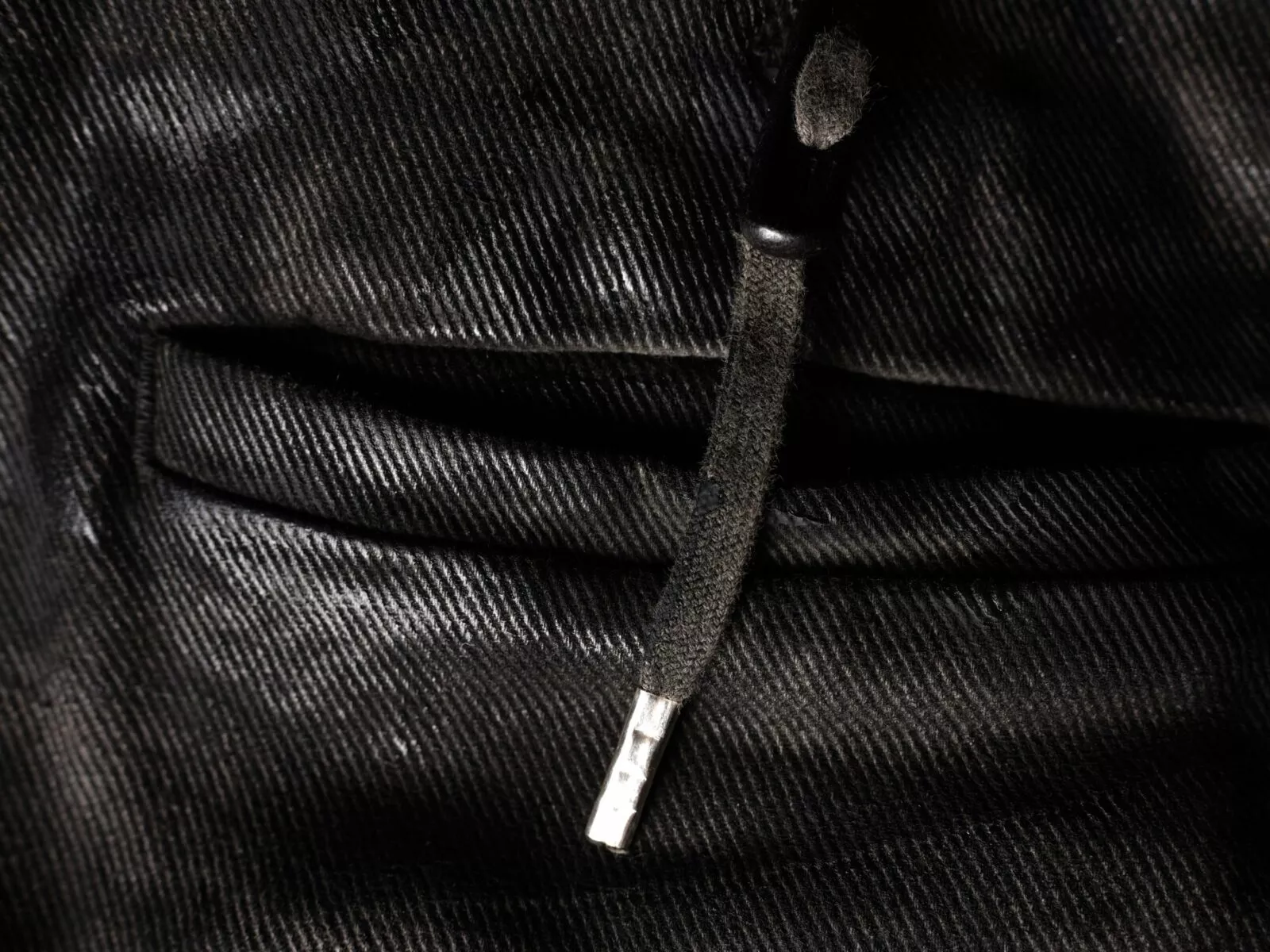
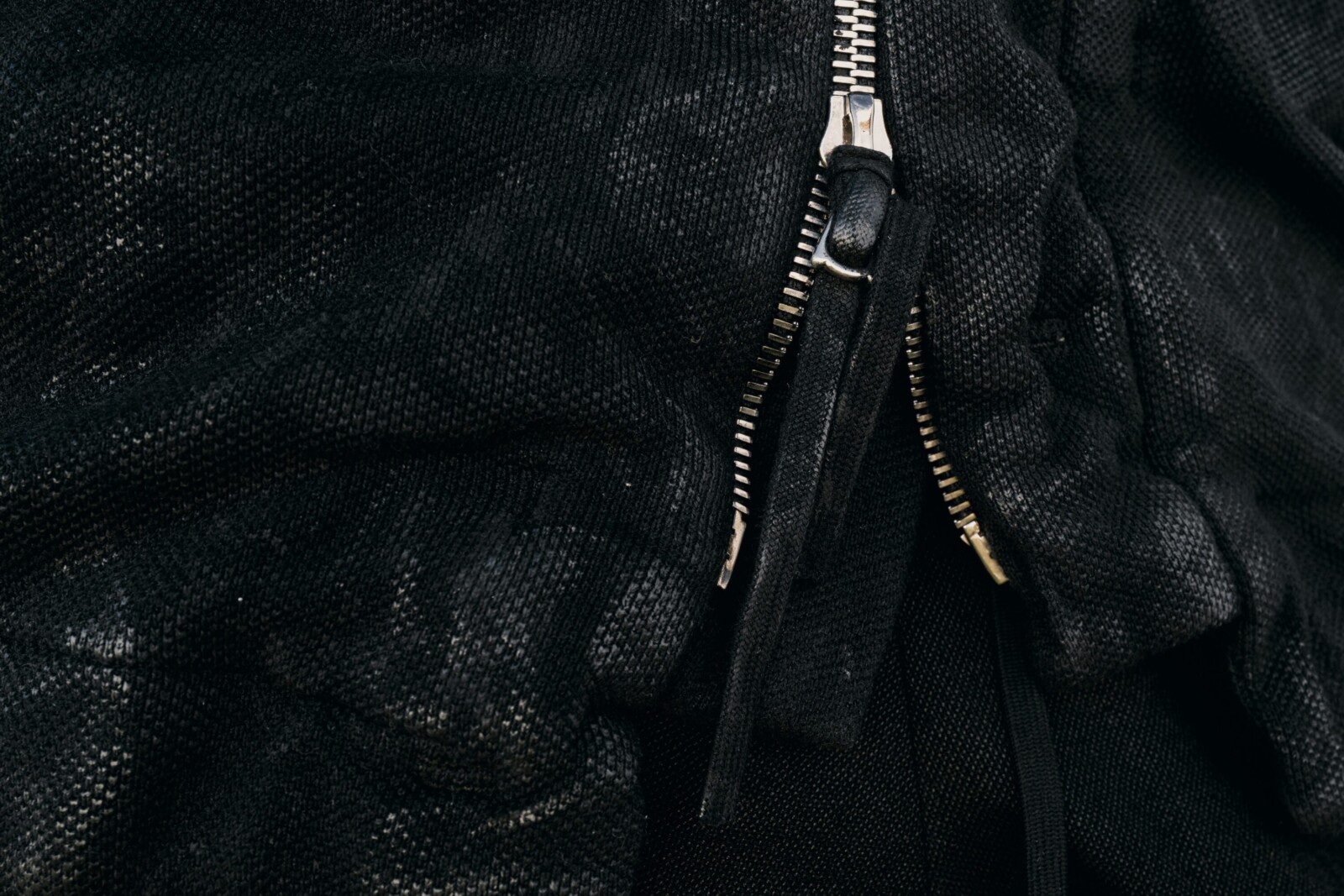
The most compelling avant-garde clothes reward proximity. Washed wool absorbs light differently from compact cotton; object-dyed seams retain shifts in tone; scarred leather records tension; translucent mesh changes whatever lies beneath it. These material relationships can create depth without prints, logos or excessive hardware.
Combine textures with different behaviors rather than simply different appearances. Place a rigid shell over a soft layer, a dry woven cloth beside polished leather, or a fine knit under a raw-edged jacket. Two heavily distressed materials together may compete, while one altered surface surrounded by quieter cloth becomes legible.
Read the garment from the inside
Turn clothing inside out. Follow the seams and examine where weight is supported. Deconstruction in fashion is not merely exposed stitching; it is an inquiry into why a garment is assembled in a familiar way. A displaced closure, rotated leg or external dart should change function, movement or meaning. When the construction has no consequence beyond decoration, it will date quickly.
5. Layer with purpose
Layering creates depth, adjustable volume and a sense that the wardrobe is a system. Begin with three roles:
- Foundation: the layer touching the body and establishing comfort, line and temperature.
- Transition: a shirt, knit, vest or draped panel that changes length, transparency or texture.
- Structure: the jacket, coat or outer volume defining the silhouette.
Each layer should remain visible or affect the shape. If an intermediate garment disappears completely and adds only bulk, remove it. Vary hems and openings so the eye can understand how the outfit is constructed. Repeating every irregular hem at the same interval creates noise; one long line beside one decisive interruption feels stronger.
Use asymmetry as tension
Asymmetry works when it produces direction: a diagonal closure draws the torso across, a panel weights one side, or an uneven hem responds to movement. Randomly adding asymmetrical items can cancel their effect. Give the outfit one dominant directional gesture and quieter supporting lines.
6. Ground the silhouette with footwear
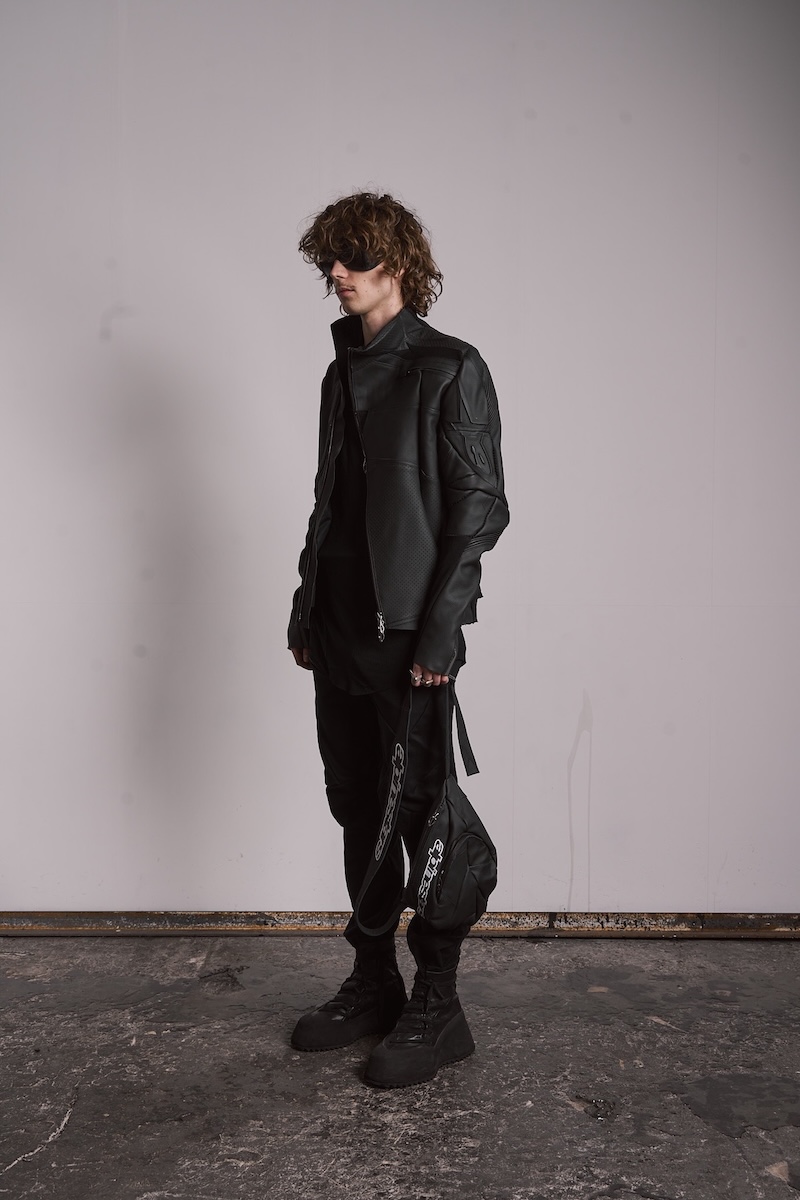
Footwear determines how the entire structure meets the ground. A heavy boot gives authority to wide trousers and long coats; a narrow shoe can sharpen an otherwise oversized silhouette; an anatomical or low-profile form preserves the sense of uninterrupted fabric. Choose shoes by their mass, shaft height and toe shape before considering decorative detail.
Avoid assuming that avant-garde footwear must be extreme. The strongest choice may be a severe, beautifully proportioned boot that can be repaired. If the clothing already carries multiple technical treatments, quieter footwear gives the eye somewhere to rest.
Accessories should modify the system
A bag can extend the architecture of an outfit, a belt can redirect volume, and jewelry can introduce a different material scale. Treat accessories as functional punctuation. One substantial object is often more effective than many symbols associated with an imagined “avant-garde” identity.
Utility should be real. A harness without a structural or carrying purpose, excessive straps, or tactical components detached from use can read as costume. Function and poetry can coexist, but the object should be honest about which one leads.
7. Build an avant-garde wardrobe gradually
Start from clothes you already wear repeatedly. Identify their useful qualities—perhaps a high rise, generous shoulder, long line or preference for dry natural fibers—then intensify one quality rather than replacing your identity wholesale.
- Choose a foundation uniform. Establish reliable trousers, a knit or shirt, and footwear with compatible proportions.
- Add one structural outer layer. A coat or jacket has the greatest influence on silhouette and can reorganize familiar basics.
- Introduce material contrast. Add one garment whose texture or construction changes the depth of the outfit.
- Refine through alteration. Hem length, sleeve position and trouser break often matter more than acquiring another piece.
- Observe wear. Keep what becomes more expressive through movement and time; release what performs only for the mirror.
This method is intentionally slower than shopping for a complete look. It allows clothes from different periods, price levels and designers to become one personal system. The RAW Looks brand directory can support designer research, but the wardrobe should never function as a directory worn at once.
Practical avant-garde outfit formulas
Quiet architectural
Start with wide straight trousers and a fitted or compact foundation layer. Add a jacket with one displaced closure or controlled extended shoulder, then use narrow footwear. Keep the palette close so the construction remains the focus.
Protective volume
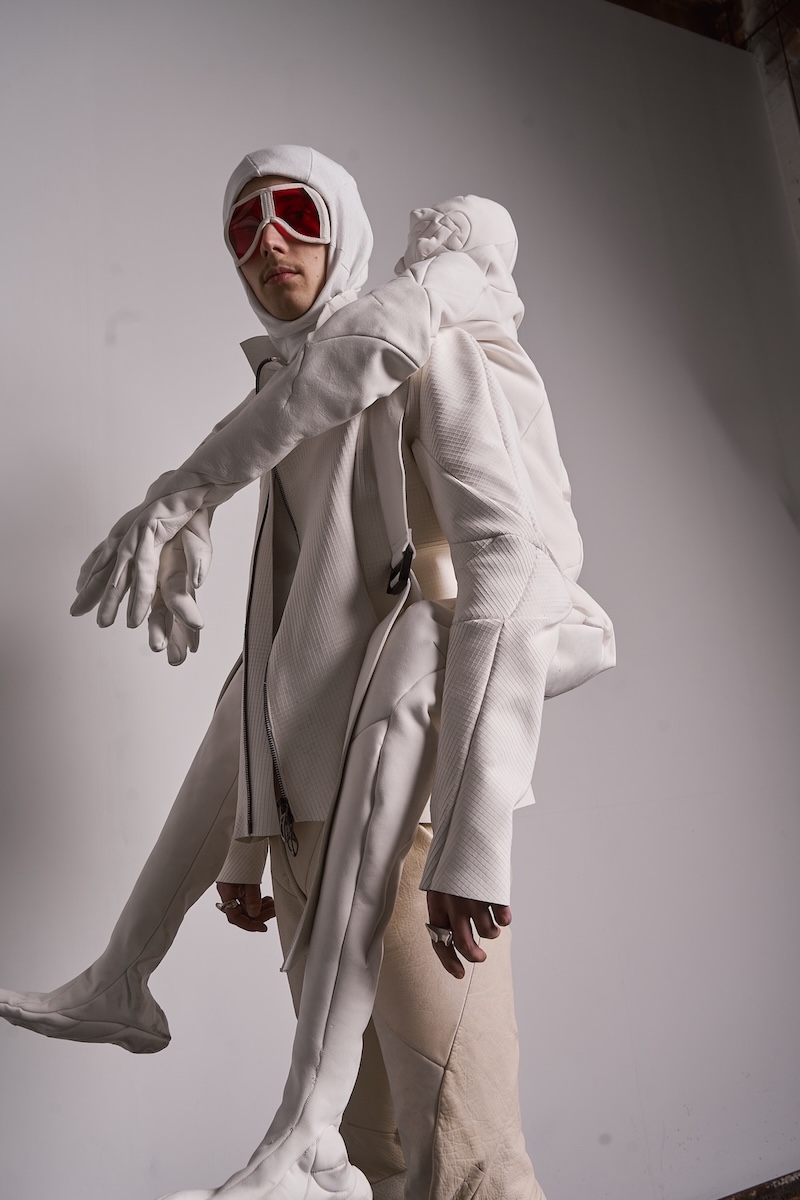
Combine a long soft coat with a high-neck layer and trousers that taper toward substantial boots. Let the outer garment create space around the torso while the lower leg provides a point of control.
Material contrast
Use a washed or raw-edged outer layer over smooth jersey, then introduce one polished leather element. Maintain a conventional silhouette so the surfaces can carry the experimentation.
Light and sculptural
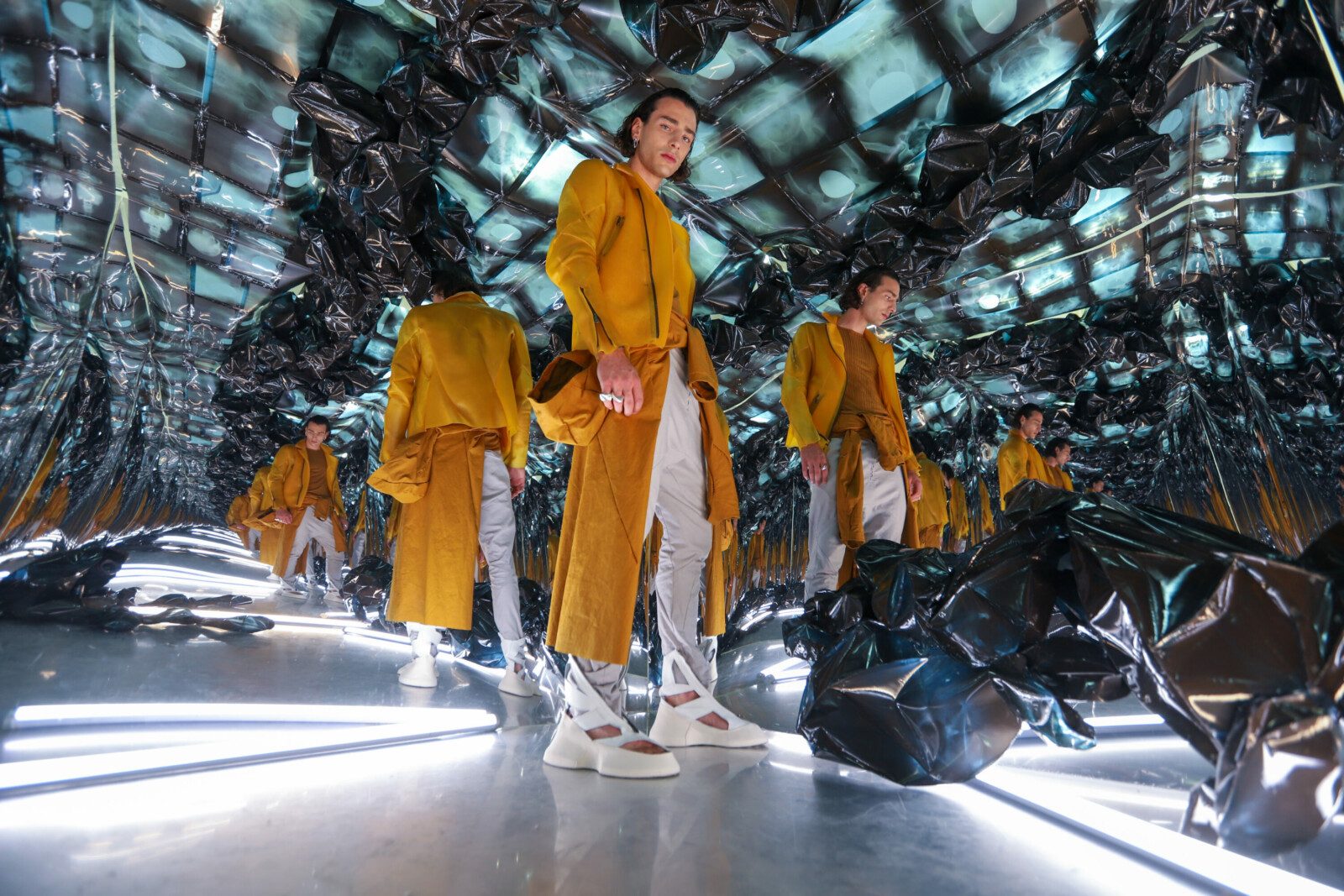
Choose pale tones, an asymmetric shirt or tunic and a wider trouser in a fabric that moves. Ground the outfit with matte footwear. Avant-garde dressing need not depend on darkness; volume and construction remain fully visible in ivory, stone and desaturated color.
Everyday reduced
Wear a familiar shirt, knit or T-shirt with trousers whose pattern changes the hip or leg line, plus one strong coat. This is often the most sustainable formula because it concentrates investment and care in the garments doing structural work.
Common mistakes
Copying a complete designer look
A runway look expresses one collection’s argument. Reproducing it exactly may demonstrate knowledge but leaves little room for the wearer. Borrow a principle—proportion, layering, restraint—and translate it through your own body and daily life.
Confusing complexity with intention
More layers, straps, distressed surfaces and unusual accessories do not automatically create depth. Remove one element at a time. If the central silhouette becomes clearer, the removed piece was probably competing rather than contributing.
Ignoring comfort and context
Discomfort can be conceptually meaningful on a runway, but daily clothing must allow work, travel and weather. Adapt the language instead of suffering for it. A garment that prevents ordinary movement without a considered reason reduces the wearer to a display support.
Buying novelty without learning the material
Experimental coatings, delicate knits and treated leather may demand specific care. Understand how an object will age before buying it. Patina can be beautiful; preventable damage is different. Repairability and frequency of wear are part of good avant-garde judgment.
Dress from understanding, not uniform
Avant-garde style becomes convincing when the wearer can explain the outfit materially rather than recite its labels. The coat changes the body’s boundary; the trouser redirects proportion; the shoe controls weight; the fabric records time. Every choice participates in one idea.
Begin with What Is Avant-Garde Fashion? for the underlying definition. Avant-Garde Fashion Style: Characteristics and Examples explains the visual vocabulary in greater depth, while Modern Avant-Garde Fashion places today’s wardrobes within their cultural and material context.
Discover Contemporary Avant-Garde Fashion Looks
Explore styles and outfits from international Avant-Garde Fashion Designers and the global Avant-Garde Fashion Community.

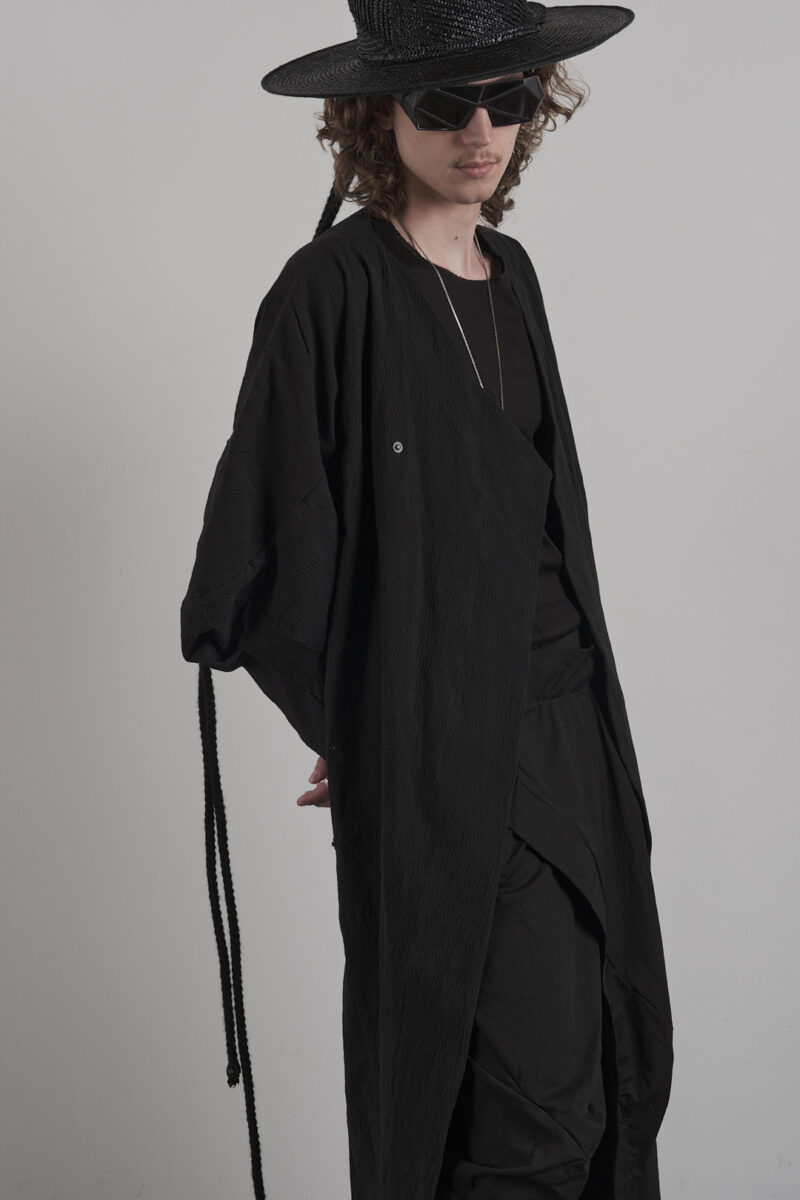

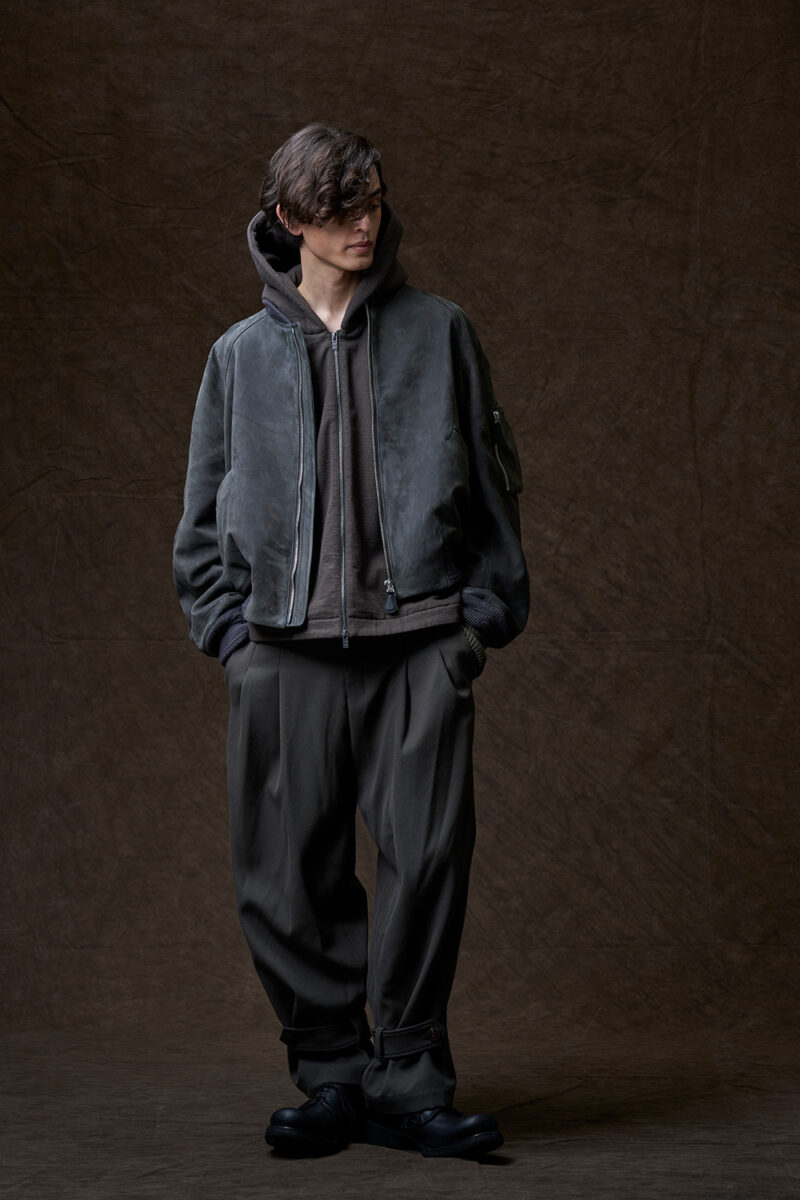
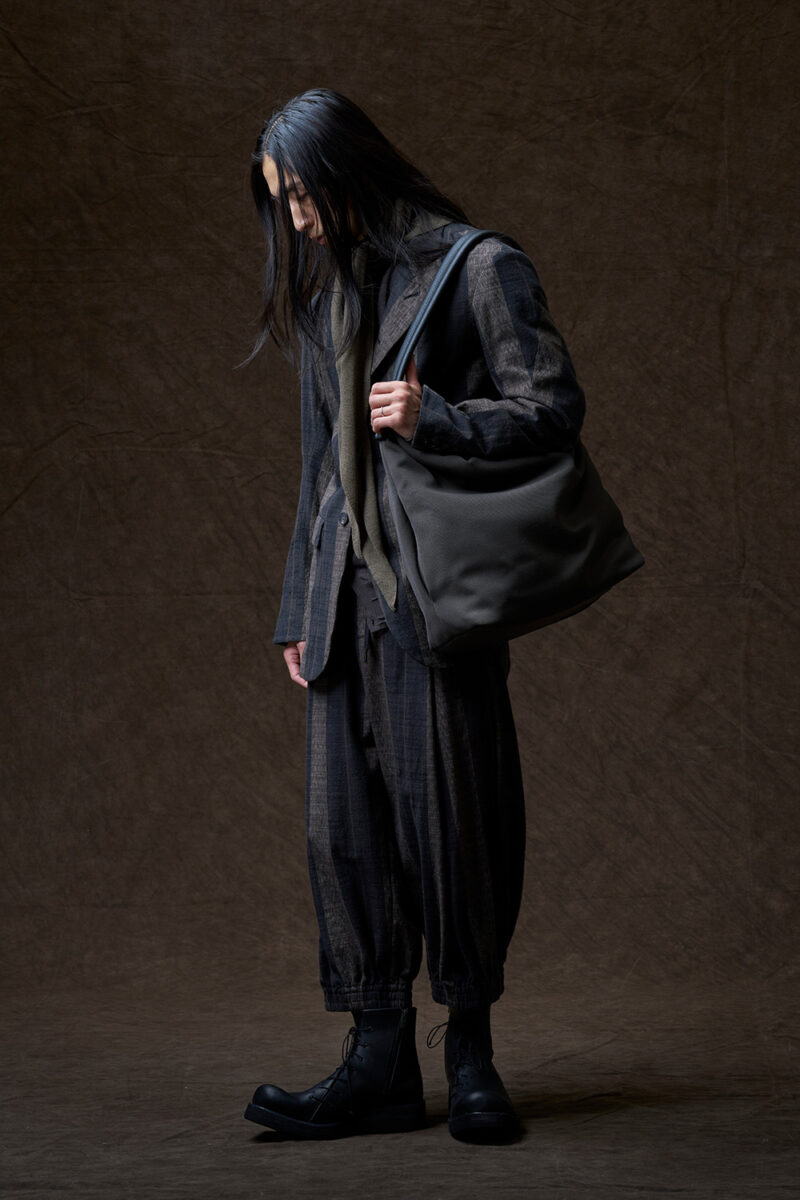
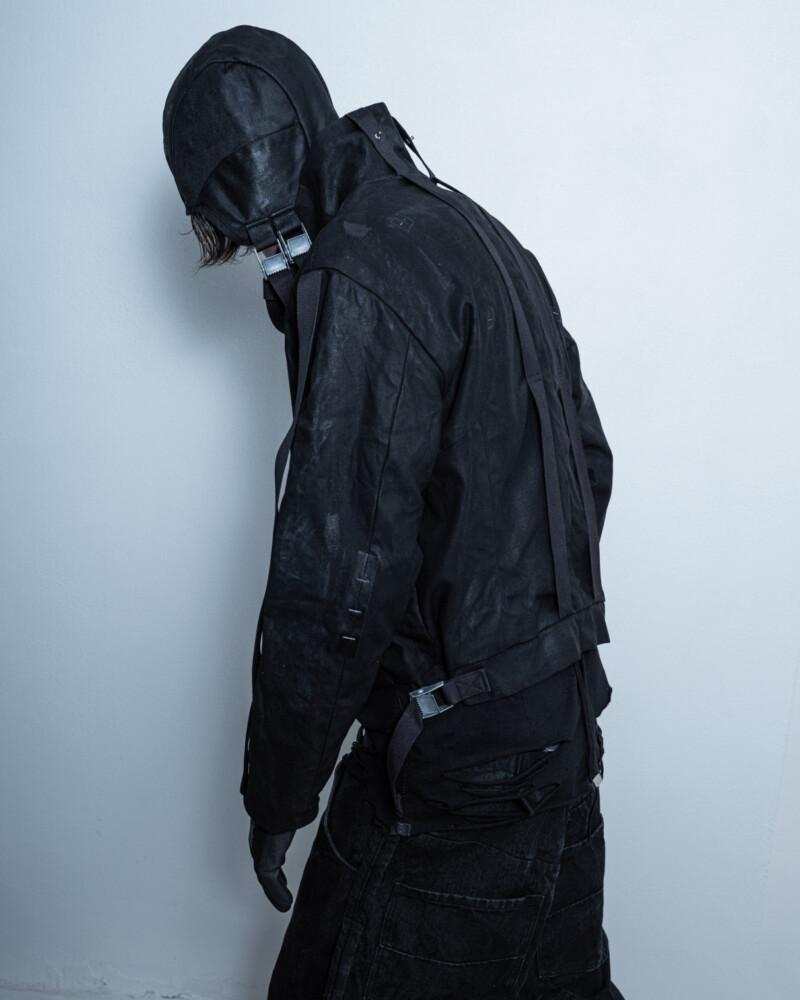
![Look by hide[m]](https://rawlooks.com/app/uploads/2026/09/hide-m-fashion-editorial-macross-rigards-boris-bidjan-saberi-800x1000.jpg)


Avant-Garde Fashion Shows
Get inspired by fashion presentations from some of the world’s leading Avant-Garde Fashion Designers.
References and further reading
- The Metropolitan Museum of Art — Rei Kawakubo/Comme des Garçons: Art of the In-Between
- The Metropolitan Museum of Art — Dress, Comme des Garçons, Spring/Summer 1997
- Victoria and Albert Museum — Yohji Yamamoto: Poet of Black
- Victoria and Albert Museum — Yohji Yamamoto Exhibition Press Release
- The Museum of Modern Art — A-POC Queen Textile, 1997
- The Museum of Modern Art — Structure and Surface: Contemporary Japanese Textiles
- The Metropolitan Museum of Art — Wabi Sabi — Rei Kawakubo Dress, 1983
- The Museum of Modern Art — Announcing Items: Is Fashion Modern?