山本耀司与黑色的诗意
山本耀司从未打算装饰人类身体;他是为了保护它而出发的。. 从战后东京的歌舞伎町废墟中走出,山本在寡母的店里学习裁缝,目睹那些工作女性忍受着专为迎合掠夺性男性目光而设计的服装带来的疲惫屈辱。当他在1981年4月的巴黎首次展示他那超大号、漆黑的设计时, 川久保玲, ,西方评论家们却退缩了——谴责那些未经熨烫的羊毛、磨损的下摆和不对称的体积为“广岛时尚”和“后原子破布”。这种文化冲突,在我们的调查中分析,破裂了一个世纪的法国高定霸权。以日本空间概念为基础, 随着日本革命展示了黑色可以拆解西方裁剪,安特卫普和伦敦的设计师在1980年代末和1990年代将这一运动带入了诗意和戏剧性的领域。, (布料与肉体之间的主动间隔),浓密的Bishu织造羊毛粗呢和解构的男装剪裁, 流动的中性: 将黑色从一种神职缺失的光明转变为一种存在主义的媒介:安静、傲慢、懒惰、神秘,并且毫不道歉地自主。, Yohji Yamamoto 当奢侈品集团在季节性趋势、市场测试的微美学和一次性营销噱头中消耗殆尽时,山本耀司已经花费了超过五十年的时间来精炼一种孤独的、修道般的纪律。他裁剪布料。他几乎只用黑色。他倾听纱线在切割台的纹理上拖动时的反应。.
时尚变化迅速;山本耀司却走得很慢。.
他的哲学拒绝了西方裁缝的核心教条。欧洲高定花费了几个世纪来计算如何收紧腰部、抬高胸部,并将女性身体雕塑成理想化的性别轮廓。山本完全颠覆了这个方程。他建造庇护所。借鉴传统日本空间意识和萨维尔街的构造技术,他用宽松的洗过的羊毛粗呢、歪斜的缝线和未衬里的下摆包围身体。他的服装并不展示穿着者;而是给予他们一个不可侵犯的庇护所。在一个痴迷于自我宣传和视觉噪音的时代,山本的服装低声拒绝。.
黑色拒绝表演。它不乞求关注,也不迎合路人。在他2010年自传《亲爱的炸弹》中,山本总结了他色彩忠诚的核心悖论:.
黑色的形而上学:“同时傲慢又谦逊”
“黑色同时谦逊又傲慢。黑色懒惰而简单——但神秘。但最重要的是,黑色说:‘我不打扰你——你也别打扰我。’” 西方艺术史通常将黑色视为虚无:绝对的光明缺失、神职的悔罪色或哥特式悲伤的象征。在日本,文化传承完全不同。扎根于经典的禅宗水墨画(, 墨绘
“)和在谷崎润一郎1933年的论文《阴影的赞美》中被永恒化,黑暗被视为一种深邃、发光的媒介,充满了微妙的音调变化。在传统的日本建筑中,美聚集在未照明的壁龛中,漆器在层层阴霾中微微闪烁。‘
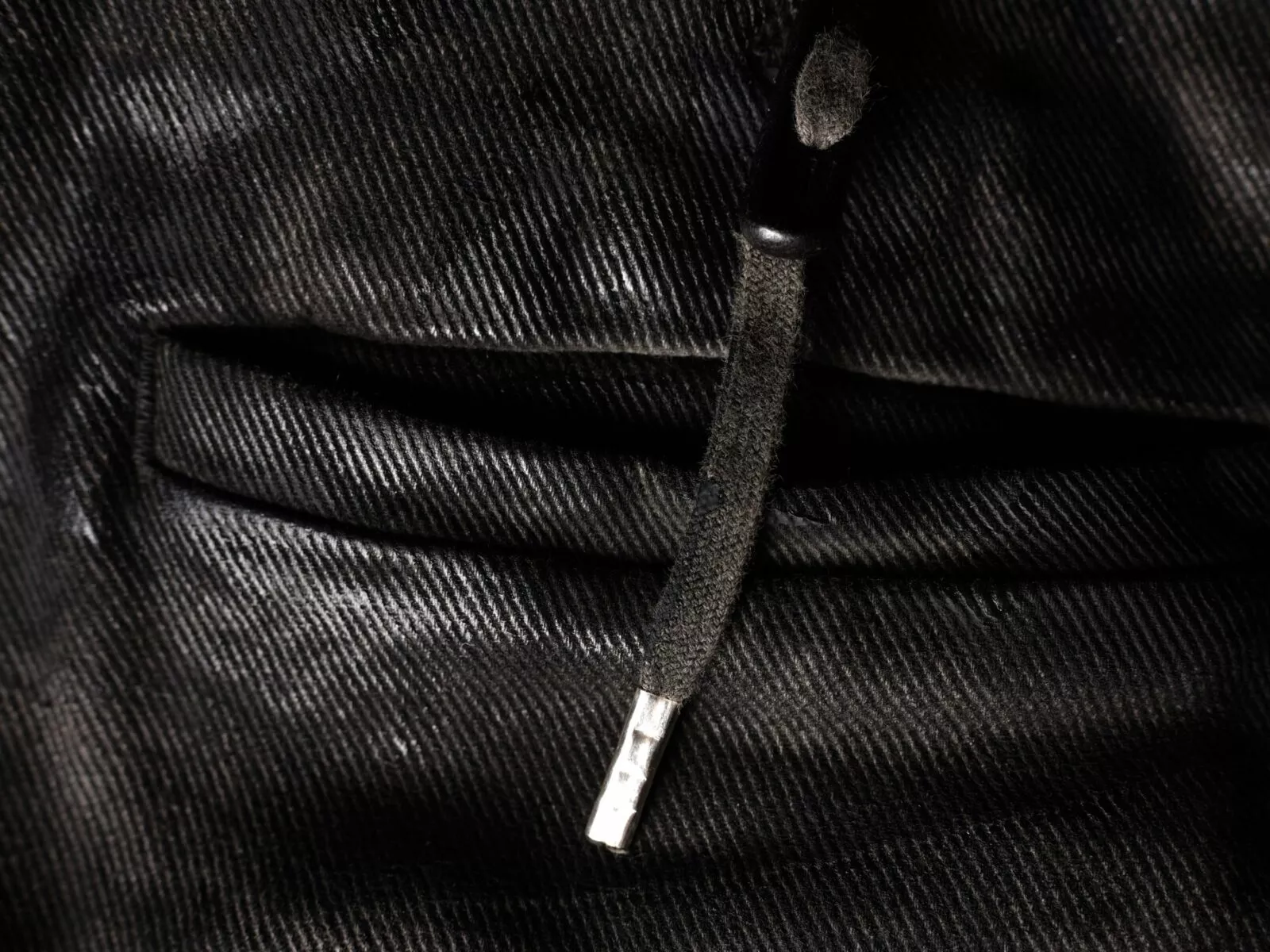
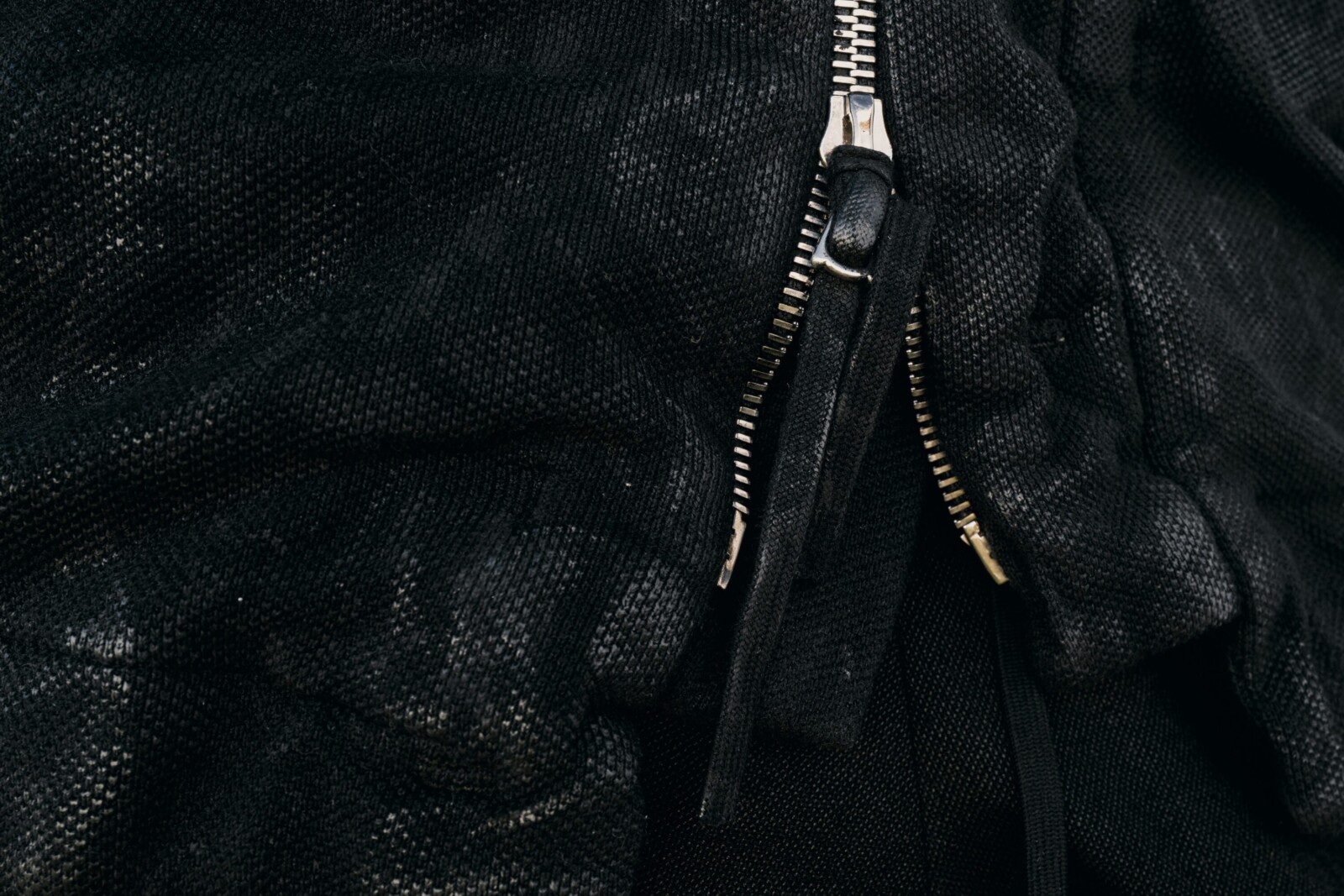
山本通过这种质感敏感性来接近黑色。在他的东京工作室,制版师和纺织技术人员区分出三十多种专有染料配方——从硫磺洗涤的烟灰和骨黑到蓝色墨水和带有淤伤茄子色调的木炭。他从不依赖平坦的合成颜料。光在2/2毛纱斜纹布上的折射与在粗糙的煮毛针织物、带有斑点的苎麻帆布或酶洗的氨基纤维雷昂上是不同的。褶皱创造了阴影的口袋;当穿着者改变姿势时,服装会记录光度的微妙变化。黑色成为一种三维的地形,而不是平坦的表面。至关重要的是,黑色作为社会批评的工具。商业服装利用鲜艳的颜色来传达社会地位、购买力和可支配收入。单色服装在接触时抹去了这种等级。它剥离了消费者信号的表面喧嚣,迫使旁观者面对穿着者的脸、手、姿态和声音。黑色不娱乐;它保护。山本保护女性的本能是在战后东京的身体毁灭中锻造的。1943年出生的他在没有父亲的环境中长大;他的父亲被征召入帝国军队,并在冲突结束时去世。他完全由母亲山本富美抚养长大,她是一位坚韧的裁缝,在新宿的歌舞伎町开了一家小裁缝店——一个充满黑市、女招待酒吧和黑帮的贫困社区。 这个男孩生活在工作室里。富美每天在脚踏缝纫机后工作十六个小时,为酒吧女招待、女服务员和富有顾客的情妇设计和缝制西式裙子。山本观察这些女性来试衣。他看到她们在挤进那些专为满足男性色情期待而设计的紧身、厚垫轮廓时的自觉不适。那种屈辱让他感到恶心。对他来说,传统的中产阶级女装就像一个镀金的牢笼:衣服是为了把工作女性变成顺从的装饰玩物而设计的,供有钱的男人玩弄。, 他最初试图通过学术逃避。在1966年,他从庆应大学获得法学学位,但常规的企业职业前景让他感到厌恶。看到母亲因无休止的体力劳动而衰老和疲惫,他决定加入她的裁剪工作。他报名参加了.
文化服装学院.
,并于1969年获得了声望很高的创恩奖。然而,与那些梦想巴黎高定魅力的同学不同,山本怀有一个明确的保护性议程:他想制作可以像盔甲一样穿着的衣服。.
新宿的工作室:战后废墟、Fumi的剪刀和母性的盔甲
1972年,他创立了自己的第一家公司Y's。这个概念很简单:借用男装的坚韧、功能性剪裁,并将其改编为适合长时间站立工作的女性。他用未洗的棉布裁剪宽腿裤,延长工作夹克的下摆,并将肩缝降低到锁骨以下。衣服不会勒紧腰部。穿着者坐下时不会上升。女性可以大步前行,把手埋在深深的口袋里,在东京拥挤的街道上移动而不引起不必要的关注。.
由山本耀司设计的档案黑色羊毛西装,约1990年。照片由ellenm1 / Flickr,维基共享资源,CC BY 2.0。该套装具有超大比例、下垂的肩部和流畅的垂坠,展示了山本对传统欧洲男装剪裁的解构,适应女性轮廓。.
1981年4月,巴黎时尚界未做好准备。在秋冬成衣发布会上,山本的巴黎时装秀——与 的Comme des Garçons秀同时进行——立即给西方评论家带来了文化眩晕。那时,欧洲的时装秀被1980年代的高能量过度所陶醉:蒂埃里·穆格勒的金属质感女性化束身衣、克劳德·蒙塔纳的巨大皮革肩垫和克里斯蒂安·拉克鲁瓦的缎面蓬蓬裙。巴黎时尚喧闹、光鲜、运动感十足且昂贵。, 在这个修整过的T台上,山本的模特走了出来:未化妆的脸、不梳理的头发、平底男士鞋和一片片粗糙边缘的黑色羊毛。下摆歪歪扭扭。袖子垂到指关节。观众惊呆了,坐在震惊的沉默中,不确定他们是在见证一个激进的创意声明还是一个精心计算的恶作剧。.
机构的反弹迅速而敌对。欧洲和美国的记者用尖刻的言辞攻击了这个展示。《女性服装日报》、《国际先驱论坛报》将这些衣服称为“流浪汉的外观”、“后大屠杀的破布”和“广岛时尚”。评论家们指责这些日本设计师美化贫困、核辐射和身体痛苦。在东京,保守派专栏作家嘲笑这一现象,创造了“乌鸦族”(Karasu-zoku)这个词来嘲讽那些放弃色彩商业服装、专门穿着磨损黑色服装的前卫青年。.

1981年4月:“乌鸦”冲击波与对巴黎对称性的攻击
山本从内而外设计。在经典的欧洲裁缝中,裁剪是欧几里得的:胸围、腰围和臀围的测量决定了 darting、armscye曲线和缝合位置,将织物紧贴皮肤。身体是模具;织物是皮肤。 川久保玲’山本在日本空间概念下运作.
Onto this manicured runway walked Yamamoto’s models: unpainted faces, uncombed hair, flat mannish brogues, and swaths of black wool cut with rough raw edges. Hemlines hung crookedly. Sleeves draped past knuckles. The audience sat in stunned silence, unsure whether they were witnessing a radical creative statement or a calculated practical joke.
The institutional backlash was swift and hostile. European and American journalists attacked the presentation with bitter rhetoric. Reviews in 它对速度、机器和暴力文化破裂的庆祝在政治上受到妥协,但它坚持艺术必须进入现代生活的观点成为基础。服装很快成为这一运动的公共工具之一。, Women’s Wear Daily和 The International Herald Tribune branded the clothes “the bag lady look”, “post-holocaust rags”, and “Hiroshima chic.” Critics accused the Japanese designers of glorifying destitution, nuclear fallout, and physical misery. In Tokyo, conservative columnists ridiculed the phenomenon, coining the term Karasu-zoku (the “Crow Tribe”) to mock the swelling legions of avant-garde youth who abandoned colorful commercial clothing to dress exclusively in frayed black garments.
The establishment failed to understand that Yamamoto was dismantling the Eurocentric definition of beauty itself. Drawing on the Zen concept of 侘寂—which finds dignity in irregularity, age, and unfinished matter—he rejected the clean, bilateral symmetry that had governed Western garment construction since the Renaissance. A sleeve did not need to mirror its opposite; an unpressed fold held more emotional warmth than a starched seam. The presentation sparked the international critique outlined in our study of 反时尚, establishing a subcultural uniform for architects, intellectuals, and artists who refused to participate in corporate consumer display.
Ma的建筑:动感垂坠、负空间和Bishu粗呢
Yamamoto designs from the inside out. In classical European dressmaking, tailoring is Euclidean: measurements of bust, waist, and hips dictate the darting, armscye curves, and seam placements, pulling the textile flush against the skin. The body is the mold; the fabric is the skin.
Yamamoto operates under the Japanese spatial concept of 流动的中性: (間)—the pregnant void, pause, or negative interval between physical objects. In traditional calligraphy or Noh stagecraft, 流动的中性: is not an empty vacuum; it is the active space that gives resonance to substance. In dressmaking, 流动的中性: represents the pocket of air between the surface of human flesh and the underside of the cloth. Yamamoto cuts the air first. By leaving generous negative volume inside the garment, he creates an autonomous spatial zone where the body moves unconstricted, untouched by the fabric’s exterior contours.
Because of this void, a Yohji Yamamoto garment cannot be evaluated on a motionless mannequin. It is inert until worn. When the wearer steps forward, the loose volume catches the ambient airflow, billowing outward, folding back on itself, and collapsing into momentary geometric cascades. Yamamoto repeatedly insists that the most expressive territory of clothing is the back. While the front of a suit is designed to face the world with social composure, the back reveals vulnerability, exhaustion, and graceful withdrawal as the person walks away.
This kinetic fluidity depends on relentless material chemistry. Yamamoto collaborates directly with heritage mills in the Bishu textile district of Aichi Prefecture, renowned for its soft water and historic shuttle looms. His foundational material is a high-twist worsted wool gabardine (referred to internally as kizuri), woven at a dense 2/2 twill and subjected to rigorous post-weave washing, tumbling, and vintage enzyme distressing. The treatment breaks the stiff sizing of the wool yarns, yielding a dense, windproof fabric that drapes like liquid mercury. Pristine, stiffly ironed garments repel him; he wants clothes that carry the broken-in comfort of second-hand garments worn across decades.
颠覆男性气质:萨维尔街的解构与1991年品川峰会
Yamamoto’s subversion of gender codes avoided superficial novelty. Rather than fabricating theatrical costumes, he attacked the most rigid symbol of Western patriarchal order: the tailored three-piece menswear suit.
Since the nineteenth century, European menswear has functioned as a uniform of sober authority, constructed with stiff horsehair chest canvases, rigid padded shoulders, and immaculate bilateral balance. Yamamoto took these masculine archetypes—the double-breasted overcoat, the notch-lapel blazer, the pleated trouser—and transposed their pattern architecture directly onto women. He dropped the shoulder point twelve centimeters down the bicep. He hollowed out the armscyes so the sleeve hung straight from the ribcage. He elongated jackets until they reached mid-thigh. By encasing the female body in oversized masculine proportions, the woman’s neck, wrists, and collarbones appeared delicate and free, protected rather than exposed.
His menswear line, Yohji Yamamoto Pour Homme (introduced in Paris in 1984), launched an equally radical assault on traditional male dress. He banished shoulder pads, chest canvases, and neckties. He cut jackets with soft, unconstructed shoulders and paired them with billowing hakama trousers, tunic shirts, and asymmetric button stances. He dressed men not as aggressive corporate executives, but as bohemians, painters, wanderers, and monks—men at ease with physical vulnerability.
This dialogue culminated on June 1, 1991, in the joint menswear runway presentation staged with Comme des Garçons at Tokyo’s Shinagawa Prince Hotel: Six Hard Men. Responding to the Gulf War and the collapse of Japan’s economic bubble, Yamamoto and Kawakubo bypassed conventional runway models, casting cultural icons—including Dennis Hopper, Takeshi Kitano, Donny Osmond, and Velvet Underground founder John Cale. Hopper walked the concrete runway in an oversized, unpressed wool gabardine suit, projecting a weathered, poetic masculinity that mocked the slick commercial power dressing of Wall Street.
Yamamoto executed an equivalent coup in his Spring/Summer 1999 womenswear collection. Tackling the quintessential emblem of patriarchal marital compliance—the bridal gown—he sent models down the runway in architectural black and white silk dresses. Upon reaching the end of the catwalk, the brides casually unzipped secret pockets hidden inside voluminous crinoline skirts, pulling out white sneakers, tailored gloves, and sunglasses, playfully transforming the bridal ceremony into an ironic performance of personal liberation.
Cinema, scissors, and memory: Wim Wenders’s Notebook on Cities and Clothes
In 1989, the Centre Georges Pompidou in Paris invited German filmmaker Wim Wenders to make a film about the creative process in fashion. Wenders initially hesitated; he harbored deep skepticism toward the fashion industry, viewing it as a superficial, ephemeral churn of frivolous novelty. That skepticism collapsed when Wenders purchased a secondhand Yohji Yamamoto black jacket and cotton shirt. Putting on the garments, Wenders was struck by a disarming sensation: the jacket felt like an old friend, evoking tactile memories of his father’s postwar suits and mid-century photographs. He felt grounded, unmasked, and entirely himself.
The resulting cinematic essay, Notebook on Cities and Clothes (1989), remains an unparalleled document of artisanal fashion philosophy. Filmed during the dawn of the electronic digital revolution, Wenders contrasted analog 35mm film stock with early handheld video screens, probing the tension between authentic handmade originals and infinite, disposable digital copies.
Inside Yamamoto’s Tokyo atelier, Wenders filmed the quiet mechanics of pattern cutting. The master tailor is seen kneeling over rolls of dense black wool, wielding heavy steel shears without paper patterns or digital aids. Yamamoto draws white chalk lines with instinctive, sweeping arcs directly across the fabric. As he cuts, he explains to Wenders that his fingers carry their own memory: the blade must listen to the grain of the textile, adapting in real time to the resistance of the warp and weft.
Throughout the film, Yamamoto frequently turns to Antlitz der Zeit (Face of Our Time), the 1929 monograph by German portrait photographer August Sander. Yamamoto expresses deep reverence for Sander’s portraits of interwar German bricklayers, farmers, and tailors. Their coarse woolen waistcoats, stiff collarless shirts, and patched trousers bore the honest, weathered patina of physical labor. Yamamoto’s ambition was to recapture that moral weight—to create contemporary garments possessing the durability, dignity, and quiet gravitas of authentic workwear in an increasingly virtual world.
从企业破产到黑暗先锋:Y-3、破产与自主工艺
Yamamoto’s refusal to conform did not insulate him from harsh economic realities. In October 2009, following decades of fierce independence and aggressive global retail expansion, Yohji Yamamoto Inc. collapsed into bankruptcy, filing for civil rehabilitation under Japanese law with ¥6 billion (approximately $67 million) in accumulated debt. The 2008 Lehman Brothers shock had crushed luxury retail spending, while Yamamoto’s lavish flagship boutiques in New York’s Meatpacking District and Paris drained cash reserves.
Rescued and restructured by Japanese private equity fund Integral Corporation, Yamamoto retained total creative authority while surrendering corporate management. The brush with financial ruin only sharpened his focus. Rather than diluting his vision to appease mass-market trends, he redoubled his commitment to master tailoring, proving that uncompromising design can survive corporate restructuring without selling its soul to luxury conglomerates.
That independence had already yielded one of fashion’s most influential experiments: the 2002 launch of Y-3 in partnership with Adidas. At the turn of the millennium, high-fashion ateliers regarded athletic sportswear with contempt. Yamamoto realized before his peers that the street had changed; young people spent their lives running, commuting, and working in performance sneakers rather than leather oxfords. By fusing German sports engineering with Japanese volume and monochromatic black, Yamamoto established the technical luxury template analyzed in our investigation of avant-garde fashion and techwear.
Beyond sportswear, Yamamoto’s vocabulary of shadow, washed gabardine, and asymmetric drape laid the groundwork for the modern dark avant-garde movement documented in dark avant-garde fashion: origins, designers, and aesthetics. From Rick Owens’s elongated gothic silhouettes and Ann Demeulemeester’s poetic monochrome tailoring to the hyper-artisanal leather treatments of Carol Christian Poell and Boris Bidjan Saberi, every major dark designer operates in the intellectual slipstream of Yamamoto’s early 1980s Paris revolt.
Now in his eighties, Yamamoto still works at his cutting table in Tokyo, chalk in hand, scissors at the ready. He never retired. He never compromised. In a fashion system consumed by ephemeral hype, he remains its eternal insurgent: wrapping the human spirit in shades of black, listening for the quiet rustle of cloth against skin.
Related Brand Archives & Historical Monographs
Explore curated archival pieces and deep historical analyses across the avant-garde continuum: browse the curated Yohji Yamamoto brand archive, explore Comme des Garçons 和 Issey Miyake, or examine our foundational historical monographs on 巴黎的日本时尚革命 和 川久保玲与缺席的建筑.
参考资料和进一步阅读
- Wikimedia Foundation — Yohji Yamamoto: Biography, Design Philosophy, and Archival Collections
- Wikimedia Foundation — Notebook on Cities and Clothes: Wim Wenders and Yohji Yamamoto
- Wikimedia Foundation — Y-3: The Collaboration Between Yohji Yamamoto and Adidas
- Wikimedia Foundation — Ma: Negative Space, Void, and Interval in Japanese Aesthetics
- Wikimedia Foundation — Wabi-sabi: Impermanence, Asymmetry, and Imperfect Beauty
- Wikimedia Foundation — Deconstruction: Philosophical Origins and Application to Fashion
- Wikimedia Foundation — Bunka Fashion College: History and Vanguard Alumni
- Wikimedia Foundation — Wim Wenders: Documentary Practice and Cinematic Essays
- Kyoto Costume Institute (KCI) — Kyoto Costume Institute Digital Archives: Japanese Avant-Garde Fashion Collections
图片来源
- Yohji Yamamoto taking his runway bow at New York Fashion Week (February 2010). Photograph by Masaki-H / Flickr, Wikimedia Commons, CC BY-SA 2.0.
- Archival tailored black wool suit designed by Yohji Yamamoto, circa 1990. Photograph by ellenm1 / Flickr, Wikimedia Commons, CC BY 2.0.
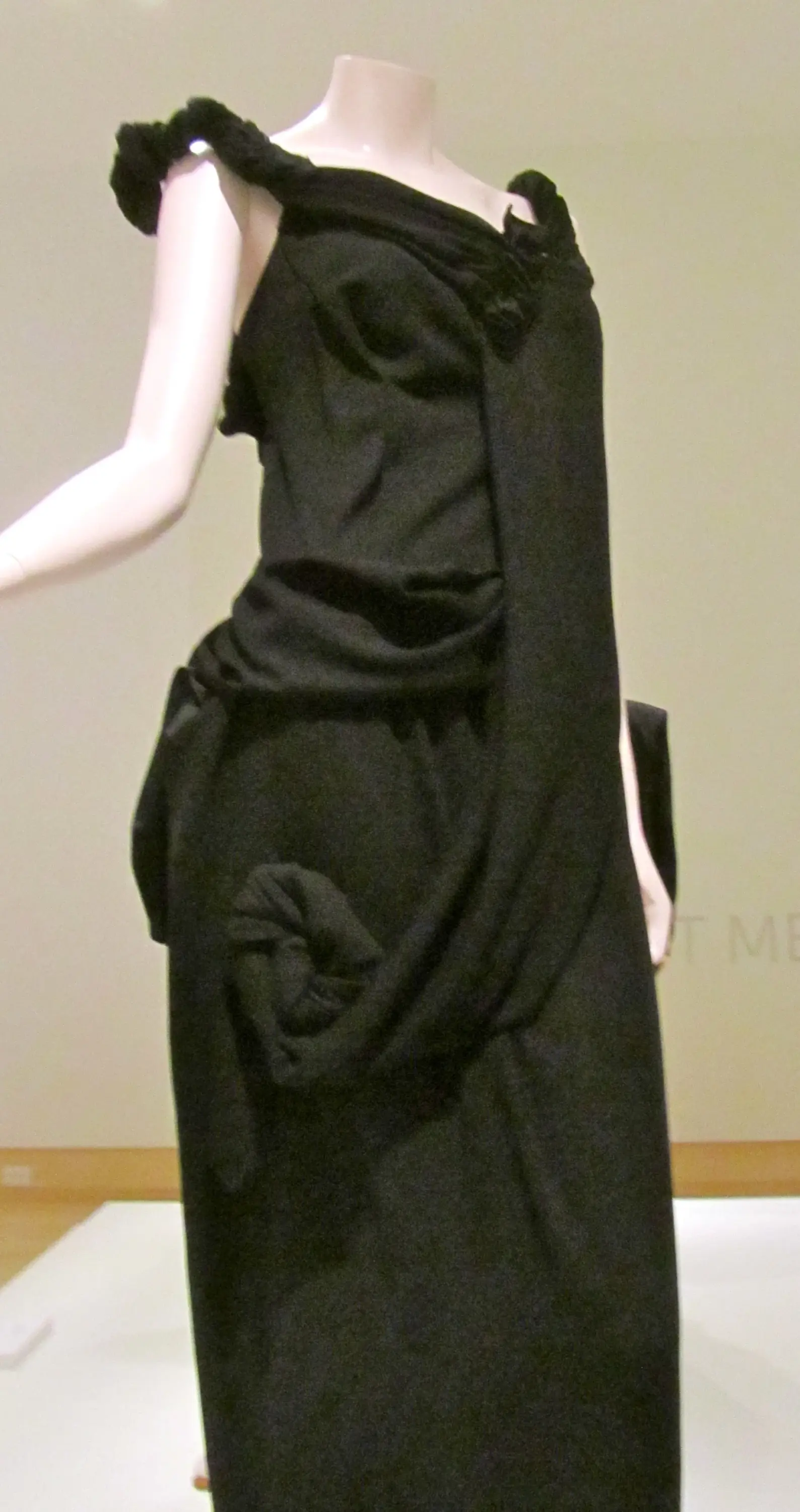
- Sculptural black evening gown by Yohji Yamamoto, Autumn/Winter 1998. Photograph by ellenm1 / Flickr, Wikimedia Commons, CC BY 2.0.