0
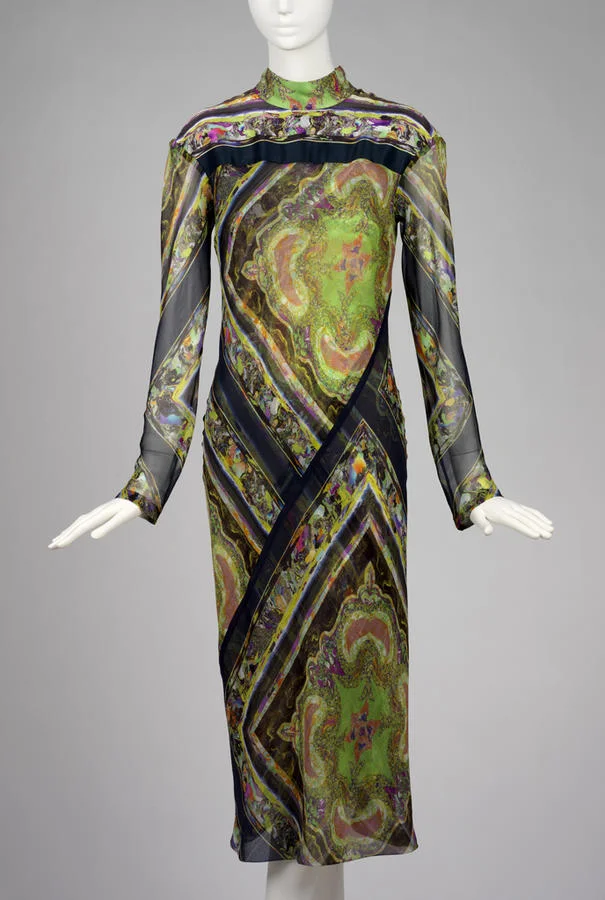
德里斯·范诺顿2008年印花丝绸裙,展示在模特上,展现出绘画风格的印花、层叠和手工纺织品
Dries Van Noten, Printed Silk Dress, 2008. RISD Museum of Art, Accession No. 2009-20, CC0 1.0 Universal Public Domain Dedication. Van Noten exemplified the Belgian synthesis of painterly historical textiles, global craftsmanship, and modern wearable tailoring, remaining independent for decades.
动作

安特卫普六人组与比利时时尚的崛起

发布 9 月 18, 2026 最后审查 9 月 21, 2026

In March 1986, six young graduates of the Royal Academy of Fine Arts in Antwerp rented a battered van, drove to London, and permanently disrupted the geography of international fashion. Comprising Ann Demeulemeester, Dries Van Noten, Walter Van Beirendonck, Dirk Bikkembergs, Dirk Van Saene, and Marina Yee—accompanied in spirit and trajectory by fellow graduate Maison Margiela—the “Antwerp Six” proved that groundbreaking fashion did not require an aristocratic Parisian atelier or massive corporate capital. Rooted in rigorous Flemish painting traditions, post-punk defiance, literary romanticism, and radical tailoring, the group forged a distinctly Belgian aesthetic that fused conceptual rigor with wearable, artisanal integrity.

The Royal Academy genesis: Mary Prijot, Linda Loppa, and the Flanders textile plan

In the late 1970s, Belgium possessed virtually no international fashion profile. It was widely regarded as an industrial subcontracting center—a nation of textile mills, flax farms, and garment manufacturers producing high-grade fabrics for French, Italian, and German luxury labels, but devoid of homegrown design prestige.

The institutional incubator for the impending revolution was the Fashion Department of the Royal Academy of Fine Arts Antwerp (Koninklijke Academie voor Schone Kunsten van Antwerpen), founded in 1963 within one of Europe’s oldest art academies. The department was led by Mary Prijot, a formidable traditionalist who worshipped Coco Chanel and Cristóbal Balenciaga. Prijot enforced draconian classical standards: students were forbidden from sketching with modern felt pens, required to draw exclusively with fine graphite, and forced to adhere to strict bourgeois proportions (hair pinned neatly, skirts below the knee, classic French tailoring).

Between 1980 and 1982, an unprecedented cluster of brilliant, idiosyncratic students converged in Prijot’s classrooms:

  • Martin Margiela (graduated 1980)
  • Walter Van Beirendonck (graduated 1980)
  • Ann Demeulemeester (graduated 1981)
  • Dries Van Noten (graduated 1981)
  • Dirk Bikkembergs (graduated 1982)
  • Dirk Van Saene (graduated 1982)
  • Marina Yee (graduated 1981)

Rebelling against Prijot’s conservative dogma while internalizing her rigorous pattern-cutting and anatomical discipline, this cohort absorbed the visual language of punk rock, David Bowie, Flemish Renaissance masters (Bruegel, Rubens, Van Eyck), and the seismic 1981 Paris presentations of Comme des Garçons and Yohji Yamamoto. Simultaneously, the Belgian government launched the Textile Plan (1981–1988), which funded student competitions and industrial collaborations, creating a vital economic bridge between academy graduates and local fabric weavers.

Dries Van Noten 2008 printed silk dress displayed on a mannequin showcasing painterly prints, layering, and artisanal textile work
Dries Van Noten, Printed Silk Dress, 2008. RISD Museum of Art, Accession No. 2009-20, CC0 1.0 Universal Public Domain Dedication. Van Noten exemplified the Belgian synthesis of painterly historical textiles, global craftsmanship, and modern wearable tailoring, remaining independent for decades.

March 1986: The rented van, British Designer Show, and the coinage of the “Six”

Lacking the colossal budgets necessary to mount independent runway shows during Paris Fashion Week, the young graduates formed a pragmatic cooperative. In March 1986, backed by Antwerp footwear merchant and mentor Geert Bruloot, six of them rented a commercial moving van, loaded their sample collections into cardboard boxes, crossed the English Channel by ferry, and set up a collective booth on the upper floor of the British Designer Show at London’s Olympia exhibition center.

Their collective presentation generated an immediate, hysterical sensation. British and American fashion editors—accustomed to either traditional Savile Row tailoring or theatrical London club kid fashion—were stunned by the technical polish, emotional depth, and radical originality of these unknown Flemish outsiders.

Because their Dutch surnames proved unpronounceable to the Anglo-American fashion press (“van-not-en,” “de-meu-le-mees-ter,” “van-bei-ren-donck”), journalists coined the collective moniker: “The Antwerp Six.” Within forty-eight hours, elite luxury department stores—including Barneys New York, Bergdorf Goodman, and Browns in London—placed massive opening purchase orders. The provincial Belgian port city had instantly become the global ground zero of fashion avant-gardism.

Individual trajectories: romanticism, color, sport, and subversion

While the press lazily treated them as a unified aesthetic bloc, the Antwerp Six were bound not by a shared stylistic formula, but by an unwavering commitment to creative autonomy, artisanal integrity, and personal authorship. Their design paths diverged radically:

  • Ann Demeulemeester: The poet of Belgian romanticism. Influenced by Patti Smith, Arthur Rimbaud, and monochrome stillness, Demeulemeester mastered fluid, asymmetrical bias cutting, elongated rocker silhouettes, cascading black leather ribbons, and tailored waistcoats that balanced masculine severity with fragile, androgynous sensuality.
  • Dries Van Noten: The master of color, narrative, and textile heritage. Coming from three generations of master tailors, Van Noten rejected fast-fashion hype, choosing to show his collections without advertising. His work is celebrated for its lush hand-embroidery (fostering lifelong collaborations with artisan workshops in Calcutta), botanical jacquards, layered menswear tailoring, and eclectic, painterly harmony.
  • Walter Van Beirendonck: The radical provocateur and techno-futurist. Channeling comic books, cyberculture, fetish wear, and African masquerade traditions, Van Beirendonck used neon textiles, latex masks, and inflatable vinyls to attack racism, environmental destruction, censorship, and AIDS stigma.
  • Dirk Bikkembergs: The architect of athletic sensuality. Bikkembergs bridged rugged military tailoring with professional sports ergonomics, inventing heavy laced boots with bungee cords looped through the heel, rugged knitwear, and eventually staging fashion shows in legendary European football stadiums.
  • Dirk Van Saene: The artisanal painter and eccentric satirist. A skilled ceramicist and painter, Van Saene produced small, handcrafted collections adorned with naive figurative painting, parodying couture vanity and fashion celebrity culture.
  • Marina Yee: The anti-consumerist and quiet pioneer of upcycling. Uncomfortable with the relentless speed and commercial pressures of the global fashion machine, Yee withdrew early from the seasonal runway calendar, founding artisanal workshops that reconstructed flea-market thrift-store garments and vintage textiles decades before sustainable upcycling became mainstream.
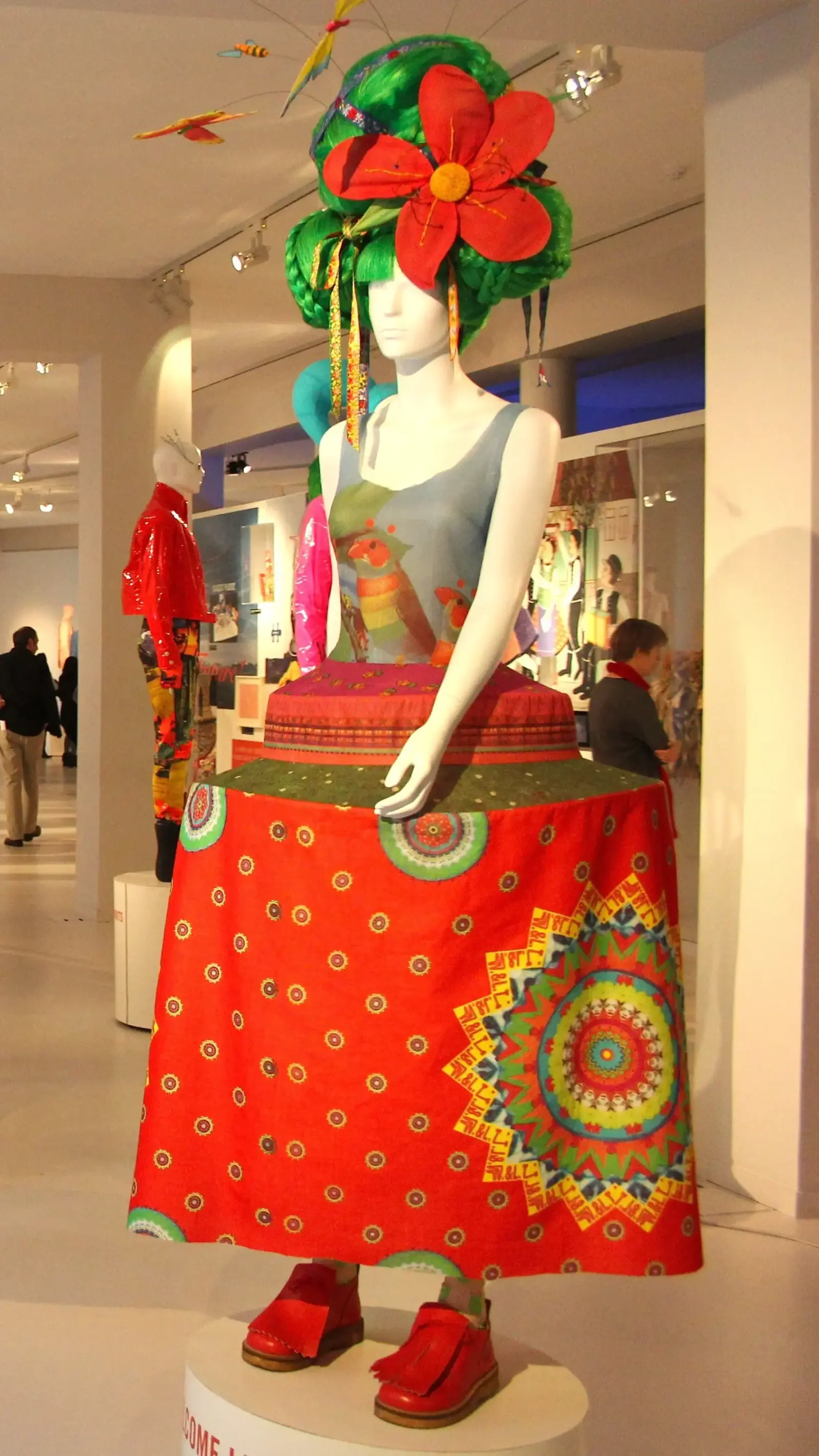
Walter Van Beirendonck Welcome Little Stranger spring summer 1997 avant-garde runway ensemble exhibited at Kunstmuseum The Hague
Walter Van Beirendonck, "Welcome Little Stranger" Collection, Spring/Summer 1997. Photograph by Rosa Menkman, Kunstmuseum The Hague, CC BY 2.0. Van Beirendonck pushed the Antwerp vanguard into radical socio-political commentary, science fiction, and graphic subversion.

The “Seventh” member: Martin Margiela’s parallel deconstruction

Although historical accounts frequently label him the “honorary seventh member” of the Antwerp Six, Martin Margiela never showed at the 1986 London booth. Graduating one year ahead of the Six in 1980, Margiela moved immediately to Paris, working from 1984 to 1987 as design assistant to Jean Paul Gaultier before founding Maison Margiela with Jenny Meirens in 1988.

Yet Margiela shared the fundamental DNA of the Antwerp revolution. He shared classrooms, friendships, and early Antwerp studio spaces with the group. While the Six conquered international retail through expressive silhouettes, Margiela mounted a systematic, structural deconstruction of the fashion system itself: exposing garment linings, stripping away labels, staging shows in public playgrounds and derelict subway stations, and rejecting the cult of personality through absolute anonymity.

Together, the Six and Margiela represented two complementary faces of Belgian brilliance: the poetic, expressive elevation of dress, and the conceptual, forensic dismantling of its illusions.

The Antwerp School legacy: MoMu, second-generation Belgians, and global impact

The success of the Antwerp Six fundamentally altered Belgium’s cultural and economic infrastructure:

  • Linda Loppa and MoMu: In 1985, influential educator Linda Loppa took over direction of the Royal Academy’s fashion department, transforming it into the world’s most rigorous conceptual fashion hothouse. In 2002, Antwerp inaugurated the MoMu (ModeMuseum), a world-class institution dedicated to preserving Belgian and international avant-garde fashion archives.
  • The Second and Third Waves: The precedent of the Six opened the gates for subsequent waves of brilliant Belgian designers who would dominate European luxury houses: Raf Simons, Haider Ackermann, Kris Van Assche, Veronique Branquinho, A.F. Vandevorst, Bernhard Willhelm, and Glenn Martens (Y/Project, Diesel). Explore our dedicated study on 安特卫普六人组后的比利时解构主义 for a detailed analysis of these later movements.
  • Artisanal Ethics: The Belgian movement established a blueprint for modern artisanal practice. It demonstrated that designers could maintain headquarters in their hometowns rather than Paris or Milan, preserve financial independence, work directly with traditional weavers, and treat clothing as an authentic medium of human thought.

The legacy of the Antwerp Six endures not as a nostalgic moment of 1980s rebellion, but as living proof that genuine artistic conviction, disciplined craft, and collective audacity can reshape the cultural universe.

参考资料和进一步阅读

图片来源

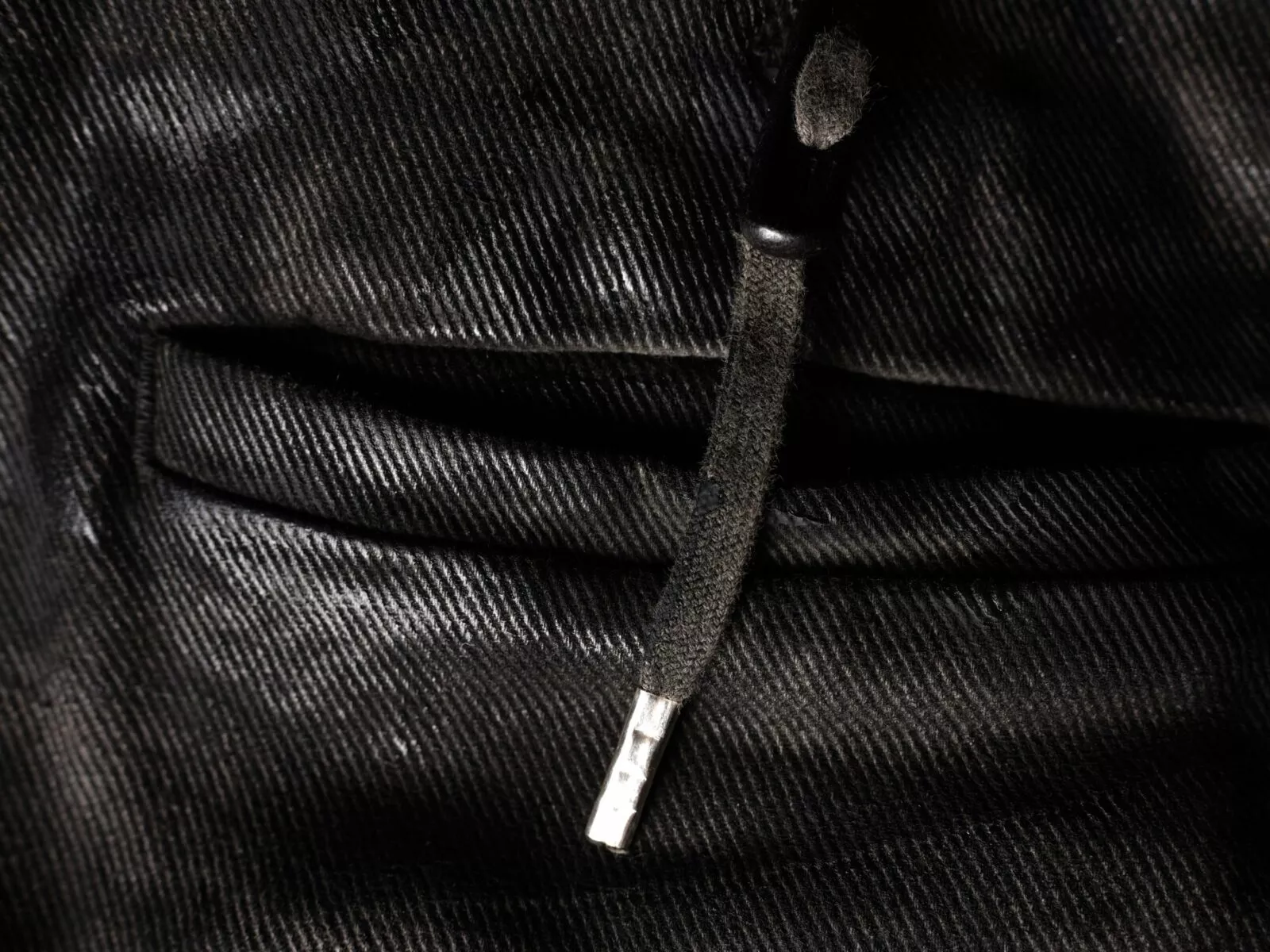
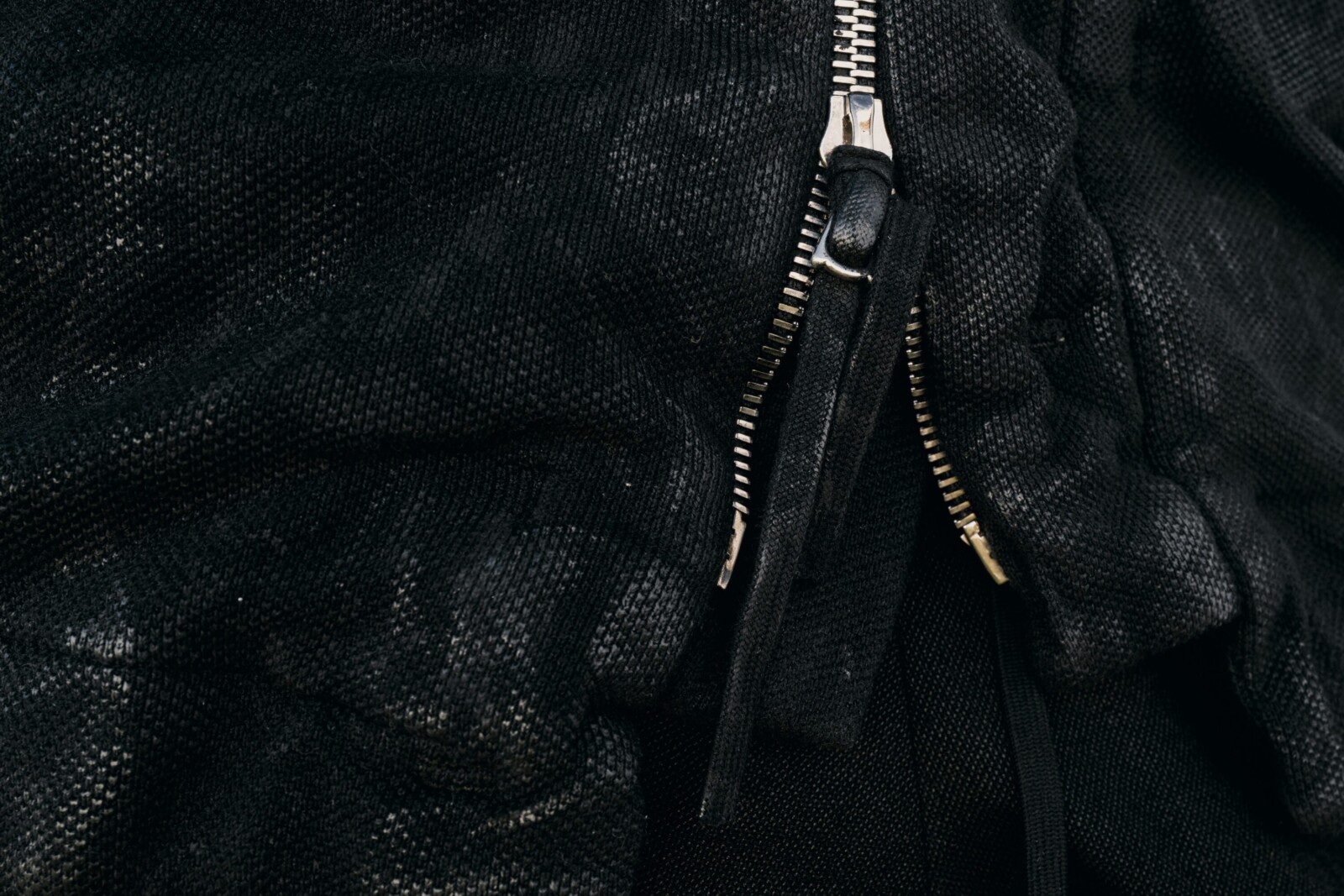
Boris Bidjan Saberi P23 裤子 P34 涂层蜡质细节

注册 - 享受我们的福利

  • 保存你喜欢的品牌和店铺
  • 获取你喜欢品牌的新款和独家产品通知
  • 专享优惠券码和折扣

加入我们

订阅我们的独家邮件列表,接收通知 当我们推出新品牌或店铺时获取信息,当我们 发布新的精选产品时, 并接收 独家促销优惠,直接发送到你的邮箱。

品牌

    门店

      文章

        产品

          精选产品

            知识库

              Boris Bidjan Saberi P23 裤子 P34 涂层蜡质细节

              注册 - 享受我们的福利

              • 保存你喜欢的品牌和店铺
              • 获取你喜欢品牌的新款和独家产品通知
              • 专享优惠券码和折扣