0
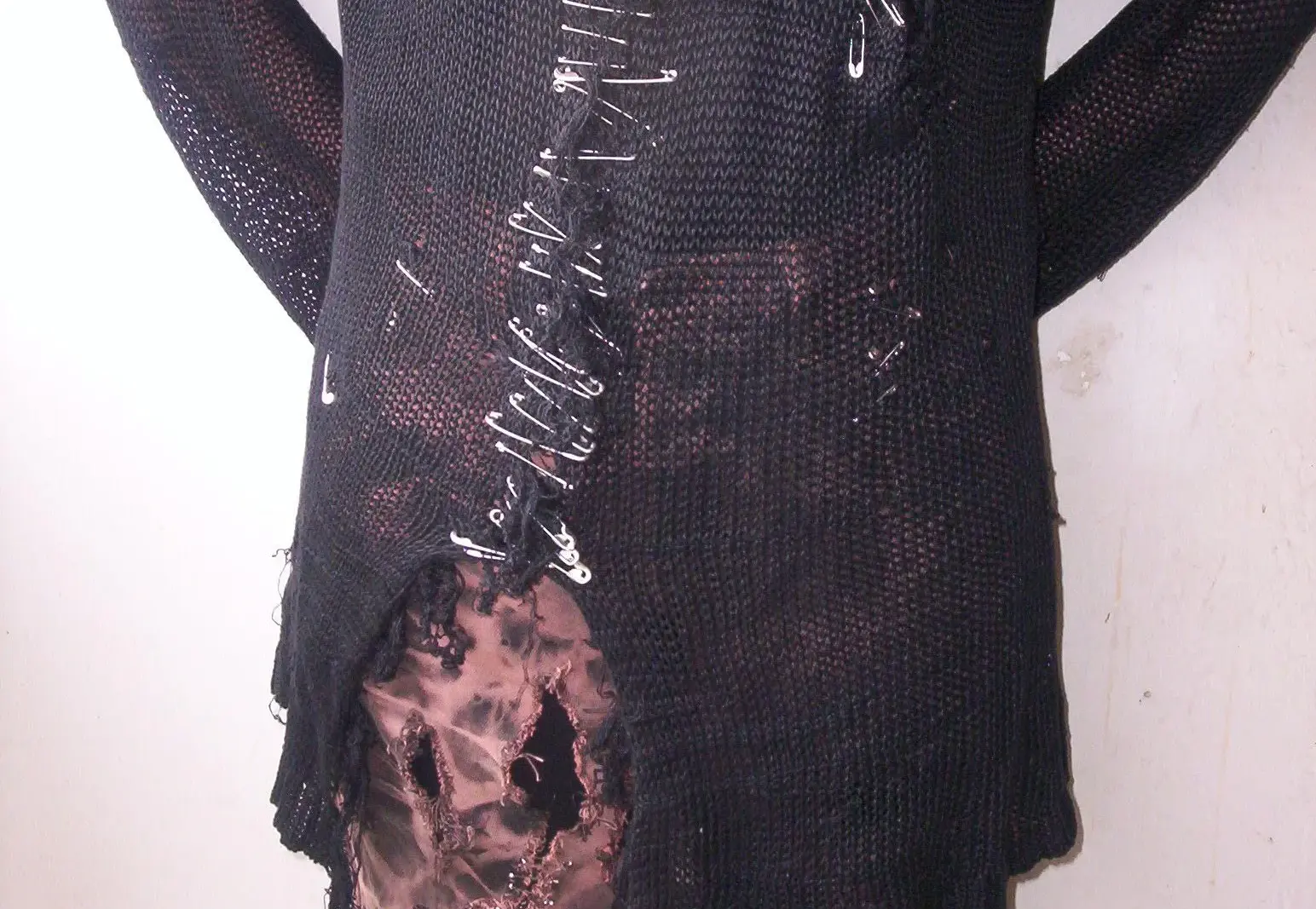
特写镜头,朋克DIY服装由互锁的安全别针构成,将撕裂的布料拼接在一起
朋克DIY构建:交错的安全别针将撕裂的布料边缘固定在一起。照片由Sand拍摄,维基共享资源,公有领域。在1970年代的朋克文化中,安全别针从一个隐藏的家庭修理固定件转变为一个反时尚的明显象征。.
动作

朋克、DIY与时尚规范的破坏

发布 9 月 18, 2026 最后审查 9 月 21, 2026

在1970年代中期的伦敦,朋克作为一种暴力的符号反抗爆发,反对经济停滞、摇滚乐的自满和资产阶级消费主义。. 通过维维恩·韦斯特伍德和马尔科姆·麦克拉伦在国王路430号的切尔西精品店策划——逐渐被命名为 SEX 和 Seditionaries——朋克时尚并不寻求改善服装;它旨在肢解、解构并将其武器化。通过提升安全别针、剃刀划痕、五金店的挂锁和束缚带为高概念的颠覆艺术,朋克拆解了西方裁缝的神圣规则。在此过程中,它建立了原始的“自己动手”(DIY)和拼贴方法论,直接为日本解构、比利时反时尚和当代手工先锋设计奠定了基础。.

符号的破裂:衰退中的英国和厌恶的政治

在1974年至1977年间,英国陷入严重的社会经济停滞:三天工作周、轮流停电、肆虐的通货膨胀、城市衰退和灾难性的青年失业。在这个阴郁的背景下,流行文化的主流景观感到完全窒息。嬉皮士的乌托邦主义已经衰退为商业化的怀旧;体育场摇滚乐队是遥远的、膨胀的百万富翁;而时尚产业继续生产无趣的喇叭牛仔裤和为顺从的消费者阶层设计的礼貌花卉搭配。.

朋克作为对这种平静秩序的炽热拒绝而爆发。受到国际情境主义的反资产阶级激进主义和早期 达达反艺术, 的影响,年轻的工人阶级和艺术学校的叛逆者拒绝了共识文化的基本前提。他们并不要求经济包容或社会尊重;他们要求破坏、对抗和表达内心厌恶的自由。.

在他1979年的开创性研究中,文化理论家迪克·赫布迪奇将朋克诊断为一种系统性的 亚文化:风格的意义, 符号战争 行为。朋克并不是从零开始发明一种全新的设计词汇,而是将战后英国社会的神圣象征——校服、联合杰克、女王肖像、体面的羊毛西装、家庭实用商品——暴力扭曲其背景。通过撕裂、重新缝合、别针和破坏这些服装,朋克将衣物变成了意识形态暴露的武器。. 虽然朋克作为一种去中心化的街头冲动蓬勃发展,但其主要的理论和美学实验室集中在伦敦切尔西的国王路430号。由维维恩·韦斯特伍德和马尔科姆·麦克拉伦经营,这家精品店经历了持续的意识形态变迁:起初是.

国王路430号:维维恩·韦斯特伍德、马尔科姆·麦克拉伦和Seditionaries

Let It Rock (1971),变形为 Too Fast to Live, Too Young to Die (1972),重新出现为臭名昭著的橡胶和恋物商店 (1974),最终在1976年底结晶为 SEX Seditionaries: Clothes for Heroes 韦斯特伍德是这个运动的裁缝天才。她将对18世纪历史剪裁技术的自学掌握与不妥协的颠覆冲动结合在一起,剖析了服装的物理结构:.

无政府主义衬衫(1976):

  • 19世纪的复古死库存商务衬衫,漂白成不均匀的条纹,印有马克思主义口号,配有倒置的纳粹鹰补丁,与卡尔·马克思的肖像并置,手工缝制丝绸布片。该服装在物理上体现了禁忌政治符号的碰撞。 束缚裤(1976):.
  • 由军用格子布或黑色棉布制成,韦斯特伍德的束缚裤在裆部前后有一个拉链,连接两膝的可拆卸束缚带。通过使穿着者的步伐变得笨拙,裤子将施虐受虐的约束转变为社会压迫的行走隐喻。 破坏T恤:.
  • 破烂的反面穆斯林T恤,上面印有万字符、倒置的十字架和性手枪的歌词,用生锈的安全别针将撕裂处固定在一起。 松针毛绒毛衣:.
  • 用巨大的针手工编织,开放的、下垂的针脚像是解开的蛛网或腐烂的皮肤,完全拒绝了传统上与英国针织品相关的洁净奢华。 韦斯特伍德和麦克拉伦不仅仅是为性手枪穿衣;他们创造了一个统一的视觉宣言,证明时尚可以作为批判哲学和公共宣传。.

在朋克美学的中心是.

Close-up of a punk DIY garment constructed with interlocking safety pins holding torn fabric panels together
朋克DIY构建:交错的安全别针将撕裂的布料边缘固定在一起。照片由Sand拍摄,维基共享资源,公有领域。在1970年代的朋克文化中,安全别针从一个隐藏的家庭修理固定件转变为一个反时尚的明显象征。.

拼贴和硬件:安全别针、剃刀片和束缚带

拼贴 的民族学方法——将普通的工业、家庭或医疗物品重新组装成紧急的新意义形式的实践。朋克从衰退的工业社会的废墟中 scavenged 以构建一种不妥协的视觉盔甲:安全别针:

  • 最初作为一种隐藏在衬里下的家庭固定件获得专利,安全别针被置于显眼的位置。它将撕裂的下摆固定在一起,形成装饰性的脊线,收紧宽松的衣物,刺穿耳垂和脸颊。它既是实用的结构铰链,也是身体脆弱和自我施加暴力的激进宣言。 工业硬件:.
  • 挂锁、狗项圈、厕所链项链、铬剃刀片和重型拉链被剥夺了其实用功能,作为护身符珠宝和功能性服装固定件佩戴。 垃圾袋和橡胶:.
  • 设计师和街头从业者将黑色塑料垃圾袋视为裙子、透明的乳胶外套和工业橡胶薄膜,创造出一种超性别化、无菌的屏障,抵御资产阶级的触碰。 图形破坏和宣传:.
  • 服装很少保持原样。朋克们使用模板喷漆、永久性标记、漂白斑点和印刷的新闻剪辑来破坏自己的衣物,带有反君主制、反资本主义和虚无主义的口号。 通过拼贴,朋克拆解了无瑕疵、不可触碰的商品完美的资本主义幻觉。朋克服装从未完成;它不断积累、撕裂、修复,并根据穿着者的即时现实进行个性化。.

来自1980年代末的定制朋克和无政府主义夹克,特色工业硬件铆钉、手工喷绘的政治宣传和故意磨损。照片由Isa Blake拍摄,维基共享资源,CC BY-SA 3.0。朋克定制的外套作为意识形态对抗的画布,将多余的摩托车皮革转变为可穿戴的政治盔甲。.
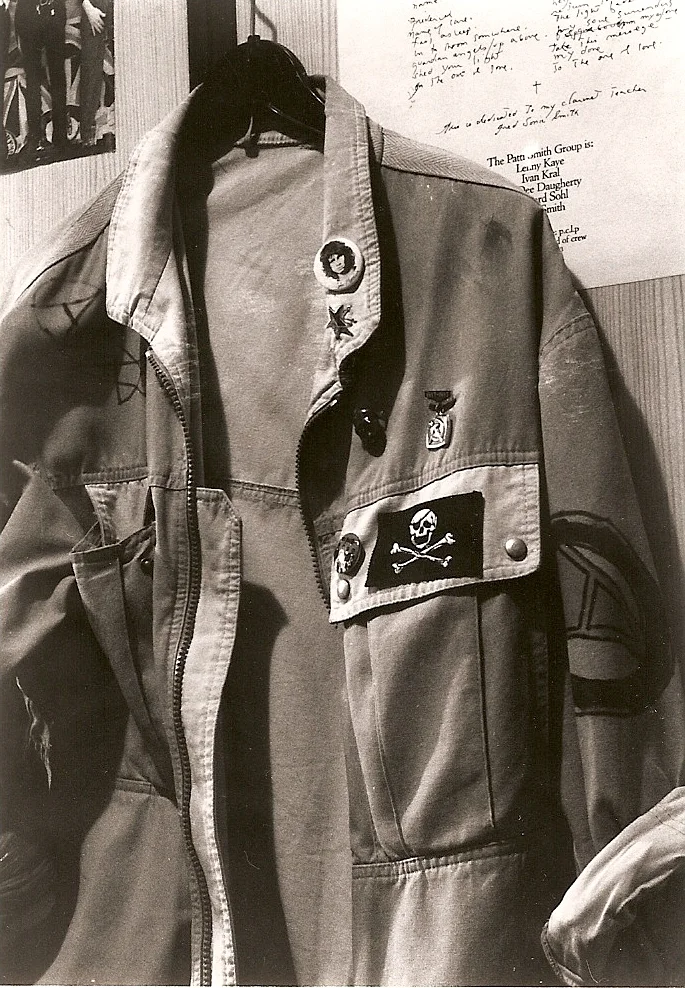
Customized punk leather jacket featuring metal studs, painted slogans, and distress marks
Customized punk and anarcho jacket from the late 1980s featuring industrial hardware studs, hand-stenciled political agitprop, and deliberate abrasion. Photograph by Isa Blake, Wikimedia Commons, CC BY-SA 3.0. Punk customized outerwear as a canvas for ideological confrontation, transforming surplus biker leather into wearable political armor.

DIY的必要性:小册子、定制和反商品生产

The defining ethos of punk was “Do-It-Yourself” (DIY). Snarls of disdain greeted anyone who purchased an expensive, pre-assembled punk outfit from a commercial department store. To possess subcultural authenticity, a garment had to be found, stolen, thrifted, and transformed by the wearer’s own hands.

Fanzines like Sniffin’ Glue famously published crude diagrams depicting three guitar chords alongside the instruction: “This is a chord. This is another. This is a third. Now form a band.” The exact same philosophy dictated punk dress: This is a thrifted blazer. This is a pair of scissors. This is a box of safety pins. Now invent a look.

Second-hand military surplus jackets, school blazers, and thrift-store cardigans were slashed with razor blades, dipped in bleach baths, studded with pirated hardware, and covered in hand-sewn band patches. This DIY imperative dissolved the traditional capitalist division between passive consumer and professional designer. Every teenager walking the King’s Road or Kingsway became an active practitioner of experimental garment customization.

从街头混乱到时装秀:高定如何吸收朋克

The explosive energy of punk was too potent for the fashion establishment to ignore. By the late 1970s and throughout the 1980s, the high-fashion apparatus began absorbing, sanitizing, and monetizing the very visual codes that had been engineered to destroy it.

Zandra Rhodes was among the first high-fashion designers to translate punk into luxury, presenting her 1977 “Conceptual Chic” collection featuring elegant silk jersey dresses deliberately torn and reassembled with jeweled safety pins and decorative metal chains. In 1994, Gianni Versace achieved worldwide notoriety with his iconic black silk crepe gown worn by Elizabeth Hurley, held together along open side slits by oversized gold Medusa-head safety pins—transforming punk’s symbol of poverty and revolt into an emblem of unabashed billionaire glamour.

This institutionalization culminated in 2013 with The Costume Institute’s landmark exhibition at The Metropolitan Museum of Art, 朋克:混乱与高定. Curated by Andrew Bolton, the exhibition traced how punk’s four DIY techniques—Hardware, Bricolage, Graffiti, and Destroy—had become the foundational grammar of contemporary luxury runway production.

当代先锋派、解构和手工时尚中的朋克DNA

While commercial couture frequently reduced punk to decorative hardware and pre-distressed denim, the deeper conceptual and structural lessons of punk became the essential lifeblood of modern avant-garde fashion.

When Rei Kawakubo and Yohji Yamamoto shocked Paris in 1981 with their asymmetrical, monochromatic collections, critics immediately recognized an affinity with punk’s destructive ethos. Kawakubo’s famous loose-knit sweaters punctuated by deliberate holes—her “lace of the 20th century”—directly echoed Westwood’s unraveled Seditionaries mohairs, proving that structural imperfection could communicate radical philosophical gravity.

In the late 1980s and 1990s, the Antwerp Six 和 Maison Margiela radicalized this lineage into full-fledged 解构. Margiela’s Artisanal line—constructed from recycled vintage opera gloves, broken porcelain plates, wire, and thrifted trench coats—was pure Situationist bricolage elevated to haute couture status. Similarly, Ann Demeulemeester channeled the dark, romantic androgyny of Patti Smith, weaving raw selvages, exposed hanging threads, and disheveled poetic tailoring into a signature house aesthetic.

Contemporary artisanal masters continuously return to punk’s material ethos. Junya Watanabe routinely deconstructs surplus army fatigues, technical tartans, and biker jackets into intricate architectural collages. In darkwear and post-industrial tailoring, Boris Bidjan Saberi, Rick Owens和 Carol Christian Poell deploy distressing, raw edges, anatomical hardware, and heavy washed leathers that treat clothing not as passive luxury status, but as battle-tested somatic armor.

Punk permanently smashed the fiction that clothing must be tidy, symmetrical, and polite. By proving that destruction is a profound form of creation, punk established the aesthetic principle that still defines the avant-garde: the most powerful garments are those that expose the fractures of the world they inhabit.

Continue exploring the history of radical ruptures in 1960年代的太空时代时尚, investigate the philosophical origins of anti-art in 达达、荒诞与反时尚, and examine foundational movement definitions in 开始,以获得精确的定义,然后使用.

参考资料和进一步阅读

图片来源

Boris Bidjan Saberi P23 裤子 P34 涂层蜡质细节

注册 - 享受我们的福利

  • 保存你喜欢的品牌和店铺
  • 获取你喜欢品牌的新款和独家产品通知
  • 专享优惠券码和折扣

加入我们

订阅我们的独家邮件列表,接收通知 当我们推出新品牌或店铺时获取信息,当我们 发布新的精选产品时, 并接收 独家促销优惠,直接发送到你的邮箱。

品牌

    门店

      文章

        产品

          精选产品

            知识库

              Boris Bidjan Saberi P23 裤子 P34 涂层蜡质细节

              注册 - 享受我们的福利

              • 保存你喜欢的品牌和店铺
              • 获取你喜欢品牌的新款和独家产品通知
              • 专享优惠券码和折扣