Punk, DIY et la destruction des conventions de la mode
Au milieu des années 1970 à Londres, le punk a éclaté comme une révolte sémiotique violente contre la stagnation économique, la complaisance du rock-and-roll et le consumérisme bourgeois. Orchestré à travers la boutique Chelsea de Vivienne Westwood et Malcolm McLaren au 430 King’s Road—progressivement baptisée SEX et Seditionaries—la mode punk ne cherchait pas à améliorer les vêtements ; elle visait à les mutiler, les décomposer et les transformer en armes. En élevant l'épingle de sûreté, la coupure de rasoir, le cadenas de quincaillerie et la sangle de bondage en art subversif de haut concept, le punk a démantelé les règles sanctifiées de la couture occidentale. Ce faisant, il a établi la méthodologie brute du “Fais-le toi-même” (DIY) et du bricolage qui a directement préparé le terrain pour la déconstruction japonaise, la mode anti-bourgeoise belge et le design avant-gardiste artisanal contemporain.
La rupture sémiotique : la Grande-Bretagne en déclin et la politique du dégoût
Entre 1974 et 1977, la Grande-Bretagne a été engloutie par une sévère stagnation socio-économique : semaines de travail de trois jours, coupures de courant, inflation galopante, délabrement urbain et chômage catastrophique des jeunes. Dans ce sombre contexte, le paysage culturel pop dominant semblait totalement suffocant. L'utopisme hippie avait dégénéré en nostalgie commercialisée ; les groupes de rock de stade étaient des millionnaires distants et gonflés ; et l'industrie de la mode continuait à produire des jeans évasés anodins et des coordonnées florales polies conçues pour une classe de consommateurs obéissants.
Le punk a explosé comme un refus incandescent de cet ordre pacifié. Influencé par le radicalisme anti-bourgeois de la Situationist International et le cabaret nihiliste des précédents Dada anti-art, de jeunes rebelles de la classe ouvrière et des écoles d'art ont rejeté le principe même de la culture de consensus. Ils ne demandaient pas l'inclusion économique ou le respect social ; ils exigeaient la disruption, la confrontation et la liberté d'exprimer un dégoût viscéral.
Dans son étude fondamentale de 1979 Sous-culture : La signification du style, le théoricien culturel Dick Hebdige a diagnostiqué le punk comme un acte systématique de guerre sémiotique. Plutôt que d'inventer un vocabulaire de design entièrement nouveau, les punks ont pris les emblèmes sanctifiés de la société britannique d'après-guerre—uniformes scolaires, Union Jack, portraits royaux, costumes en laine respectables, biens utilitaires domestiques—et ont violemment déformé leur contexte. En déchirant, recousant, épinglant et défigurant ces vêtements, le punk a transformé les vêtements en une arme d'exposition idéologique.
430 King’s Road : Vivienne Westwood, Malcolm McLaren et Seditionaries
Alors que le punk prospérait comme une impulsion de rue décentralisée, son principal laboratoire théorique et esthétique était concentré au 430 King’s Road à Chelsea, Londres. Opérée par Vivienne Westwood et Malcolm McLaren, la boutique a subi des mutations idéologiques continues : commençant par Let It Rock (1971), se transformant en Too Fast to Live, Too Young to Die (1972), réémergent comme l'emporium notoire de caoutchouc et de fétichisme SEX (1974), et enfin se cristallisant à la fin de 1976 comme Seditionaries : Clothes for Heroes.
Westwood était la virtuose de la couture du mouvement. Alliant une maîtrise autodidacte des techniques de coupe historiques du XVIIIe siècle à une impulsion subversive sans compromis, elle a disséqué l'anatomie physique des vêtements :
- La Chemise Anarchique (1976) : Chemises d'affaires vintage du XIXe siècle déstockées, blanchies en rayures inégales, surimprimées avec des slogans marxistes, dotées de patchs d'aigle nazi inversés juxtaposés à des portraits de Karl Marx, et cousues à la main avec des morceaux de soie. Le vêtement a physiquement incarné la collision de signifiants politiques tabous.
- Pantalons de Bondage (1976) : Taillés dans du tartan militaire ou du drill en coton noir, les pantalons de bondage de Westwood comportaient une braguette zippée allant de l'avant vers l'arrière et une sangle de retenue amovible reliant les deux genoux. En entravant physiquement la démarche du porteur dans un pas maladroit, les pantalons ont transformé la contrainte sadomasochiste en une métaphore ambulante de la soumission sociétale.
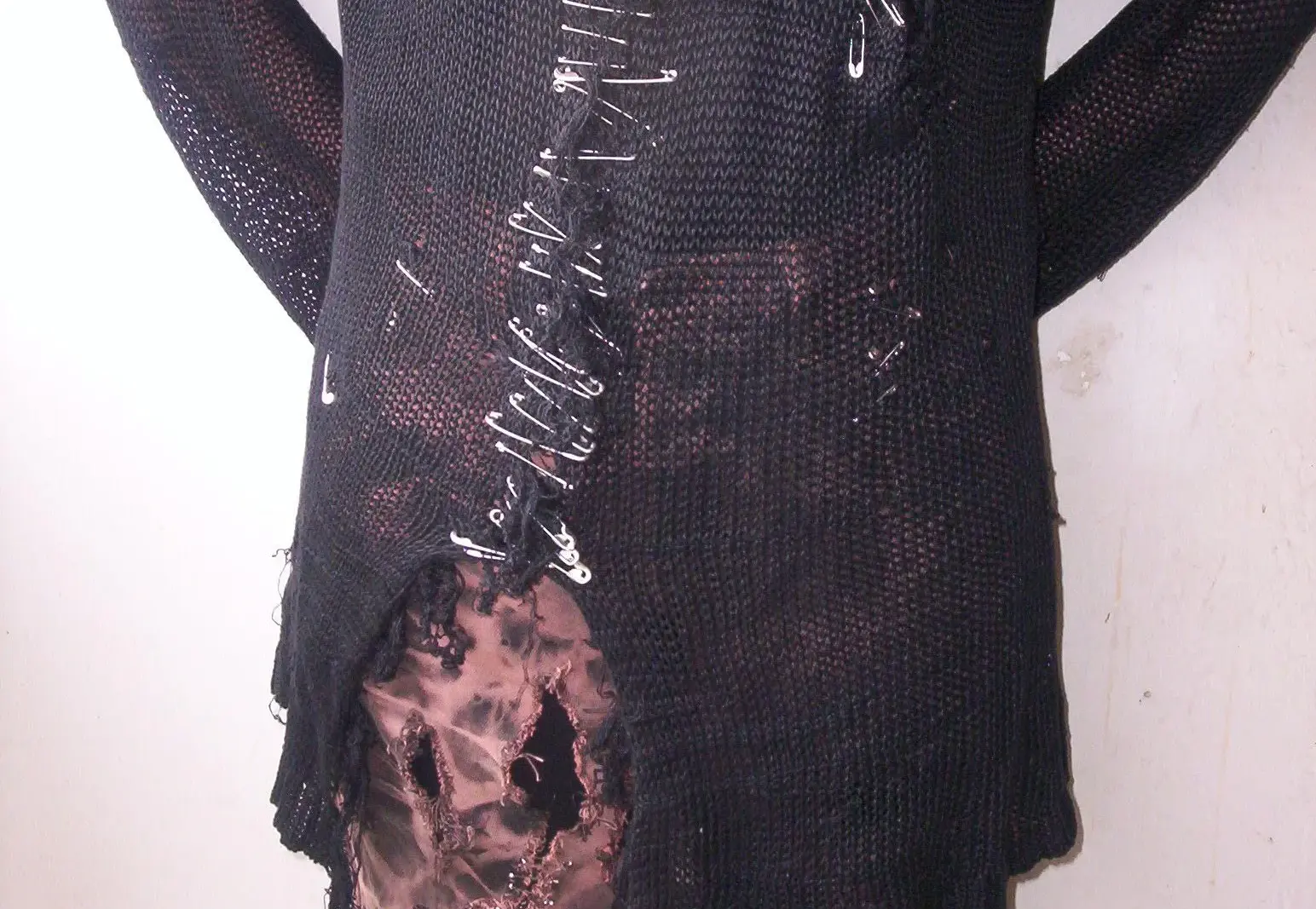
- T-Shirts Destroy : T-shirts en mousseline déchirés et à l'envers, sérigraphiés avec des swastikas, des crucifix à l'envers et des paroles des Sex Pistols, maintenus ensemble à travers les déchirures par des épingles de sûreté rouillées.
- Pulls en Mohair Tricotés Lâchement : Tricotés à la main sur de grosses aiguilles avec des mailles ouvertes et tombantes ressemblant à des toiles d'araignée qui se défont ou à une peau moisi, rejetant complètement le luxe immaculé traditionnellement associé à la maille britannique.
Westwood et McLaren ne se contentaient pas d'habiller les Sex Pistols ; ils ont créé un manifeste visuel unifié qui prouvait que la mode pouvait fonctionner comme une philosophie critique et un agitprop public.

Bricolage et matériel : épingles de sûreté, lames de rasoir et sangles de bondage
Au centre de l'esthétique punk se tenait la méthode anthropologique du bricolage—la pratique de prendre des objets industriels, domestiques ou médicaux ordinaires et de les réassembler en de nouvelles formes de signification urgentes. Les punks ont fouillé les débris d'une société industrielle en déclin pour construire une armure visuelle sans compromis :
- L'Épingle de Sûreté : À l'origine brevetée comme un accessoire de réparation domestique à cacher sous les doublures, l'épingle de sûreté a été mise en pleine vue. Elle épinglait ensemble des ourlets déchirés, formait des lignes décoratives le long des manches de veste, cintrait des vêtements amples en silhouettes ajustées, et perçait les lobes d'oreilles et les joues. Elle servait à la fois de charnière structurelle pratique et d'annonce agressive de vulnérabilité physique et de violence auto-infligée.
- Matériel Industriel : Cadenas, colliers de chien, colliers de chaîne de toilettes, lames de rasoir en chrome et lourdes fermetures éclair ont été dépouillés de leurs fonctions utilitaires et portés comme des bijoux talismaniques et des fermetures de vêtements fonctionnelles.
- Sacs à Ordures et Caoutchouc : Les designers et les praticiens de la rue ont adopté des sacs poubelle en plastique noir comme robes, des imperméables en latex translucides et des feuilles de caoutchouc industriel, créant une barrière hyper-sexualisée et stérile qui repoussait le toucher bourgeois.
- Vandalismes Graphiques et Agitprop : Les vêtements étaient rarement laissés simples. Les punks utilisaient de la peinture en spray à pochoir, des marqueurs permanents, des éclaboussures de javel et des coupures de journaux sérigraphiées pour défigurer leurs propres vêtements avec des slogans anti-monarchiques, anti-capitalistes et nihilistes.
À travers le bricolage, le punk a démantelé l'illusion capitaliste de la perfection de marchandise immaculée et intouchable. Un vêtement punk n'était jamais fini ; il était continuellement accumulé, déchiré, réparé et personnalisé en réponse directe à la réalité immédiate du porteur.
L'impératif DIY : zines, personnalisation et production anti-marchandise
L'éthique définissante du punk était “ Fais-le toi-même ” (DIY). Des grognements de mépris accueillaient quiconque achetait un costume punk cher et pré-assemblé dans un grand magasin. Pour posséder une authenticité subculturelle, un vêtement devait être trouvé, volé, acheté dans une friperie et transformé par les propres mains du porteur.
Les fanzines comme Sniffin’ Glue ont célèbrement publié des diagrammes rudimentaires représentant trois accords de guitare accompagnés de l'instruction : “ C'est un accord. C'en est un autre. C'est un troisième. Maintenant, forme un groupe. ” La même philosophie dictait le style punk : C'est un blazer de seconde main. C'est une paire de ciseaux. C'est une boîte d'épingles de sûreté. Maintenant, invente un look.
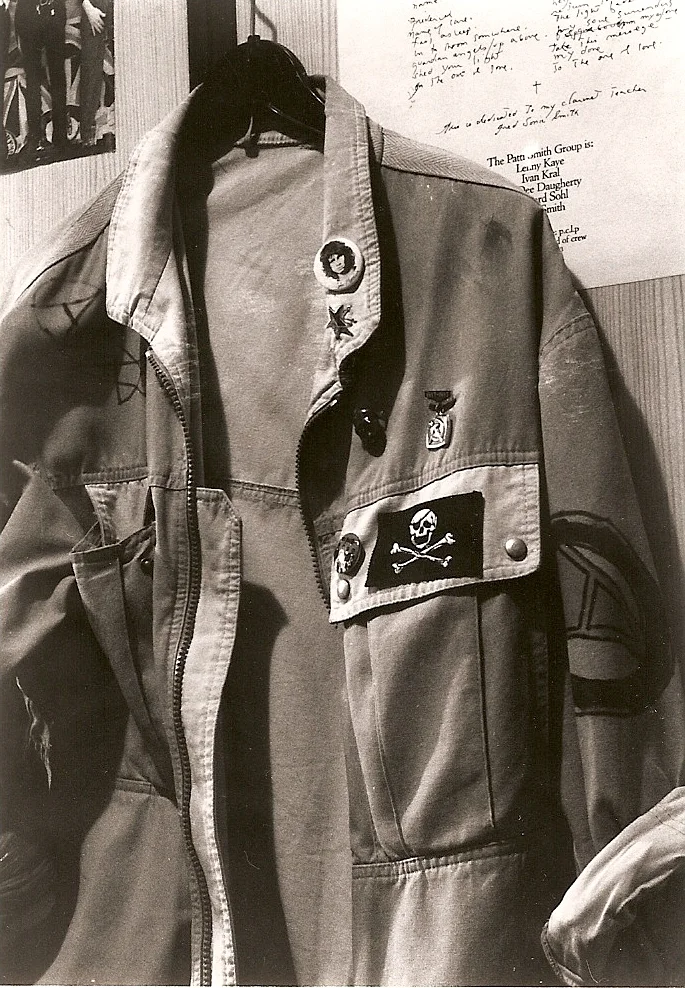
Des vestes militaires de surplus, des blazers d'école et des cardigans de friperie étaient déchirés avec des lames de rasoir, plongés dans des bains d'eau de Javel, ornés de matériel piraté et couverts de patchs de groupe cousus à la main. Cet impératif DIY a dissous la division capitaliste traditionnelle entre consommateur passif et designer professionnel. Chaque adolescent marchant sur King’s Road ou Kingsway est devenu un praticien actif de la personnalisation expérimentale de vêtements.
Du chaos de la rue au podium : comment la couture a absorbé le punk
L'énergie explosive du punk était trop puissante pour que l'établissement de la mode l'ignore. À la fin des années 1970 et tout au long des années 1980, l'appareil de haute couture a commencé à absorber, assainir et monétiser les codes visuels qui avaient été conçus pour le détruire.
Zandra Rhodes était parmi les premiers designers de haute couture à traduire le punk en luxe, présentant sa collection de 1977 “ Conceptual Chic ” avec des robes élégantes en jersey de soie délibérément déchirées et réassemblées avec des épingles de sûreté ornées de bijoux et des chaînes métalliques décoratives. En 1994, Gianni Versace a acquis une notoriété mondiale avec sa célèbre robe en crêpe de soie noire portée par Elizabeth Hurley, maintenue le long des fentes ouvertes par des épingles de sûreté en or surdimensionnées en forme de tête de Méduse—transformant le symbole de pauvreté et de révolte du punk en un emblème de glamour de milliardaire sans vergogne.
Cette institutionnalisation a culminé en 2013 avec l'exposition marquante de The Costume Institute au Metropolitan Museum of Art, PUNK : Du chaos à la couture. Curatée par Andrew Bolton, l'exposition a retracé comment les quatre techniques DIY du punk—Matériel, Bricolage, Graffiti et Destruction—étaient devenues la grammaire fondamentale de la production de luxe contemporaine sur les podiums.
L'ADN punk dans l'avant-garde contemporaine, la déconstruction et la mode artisanale
Alors que la couture commerciale réduisait fréquemment le punk à du matériel décoratif et du denim pré-usé, les leçons conceptuelles et structurelles plus profondes du punk sont devenues le sang vital essentiel de la mode avant-gardiste moderne.
Quand Rei Kawakubo et Yohji Yamamoto ont choqué Paris en 1981 avec leurs collections asymétriques et monochromatiques, les critiques ont immédiatement reconnu une affinité avec l'éthique destructrice du punk. Les célèbres pulls en maille lâche de Kawakubo, ponctués de trous délibérés—son “ dentelle du 20ème siècle ”—résonnaient directement avec les mohairs déchirés de Seditionaries de Westwood, prouvant que l'imperfection structurelle pouvait communiquer une gravité philosophique radicale.
À la fin des années 1980 et dans les années 1990, les Antwerp Six et Maison Margiela ont radicalisé cette lignée en un mouvement à part entière. Déconstruction. La ligne Artisanal de Margiela—construite à partir de gants d'opéra vintage recyclés, de plaques de porcelaine cassées, de fil de fer et de trenchs de seconde main—était un pur bricolage situationniste élevé au statut de haute couture. De même, Ann Demeulemeester a canalisé l'androgynie sombre et romantique de Patti Smith, tissant des bords bruts, des fils pendants exposés et une couture poétique en désordre dans une esthétique de maison signature.
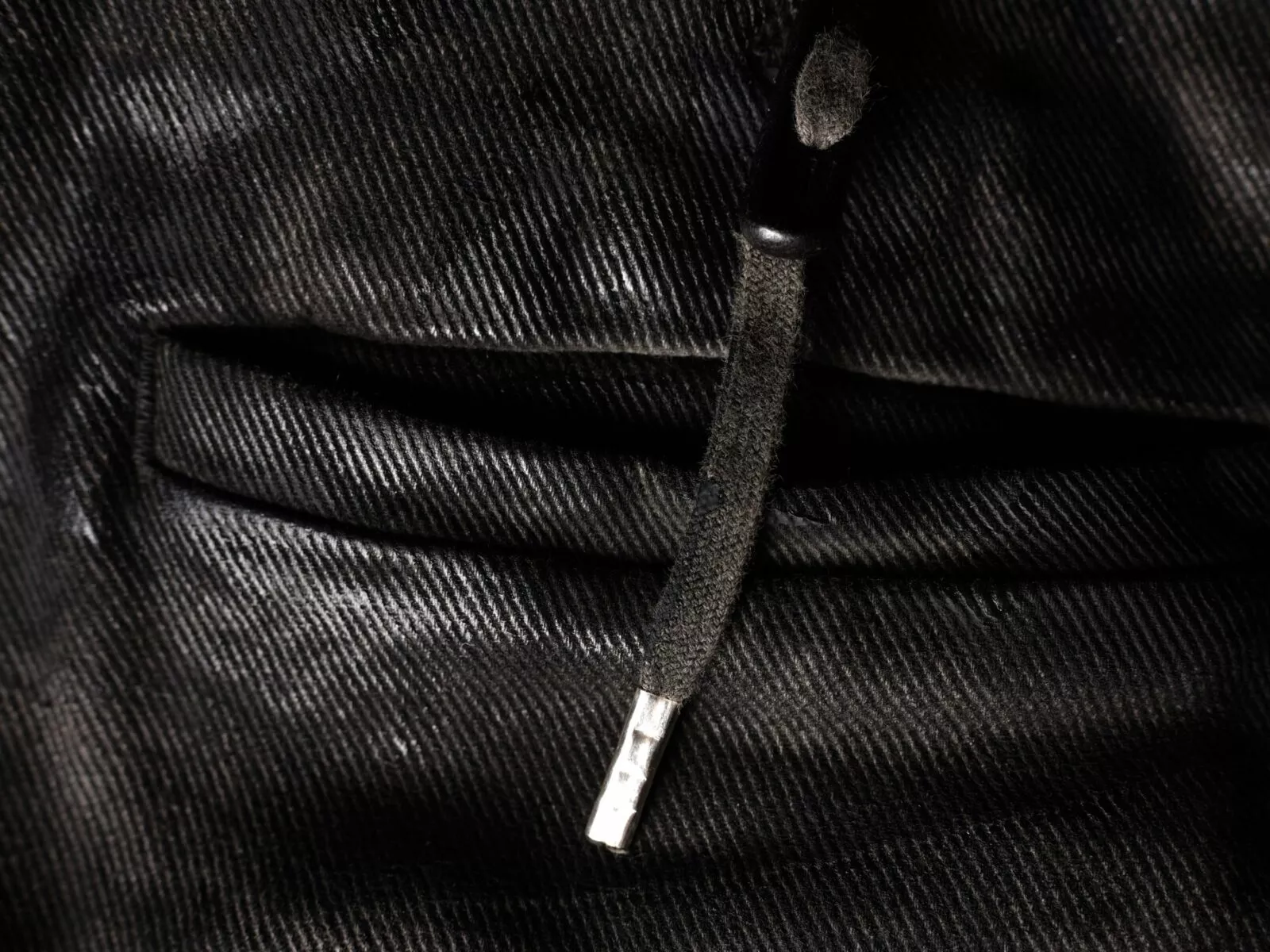
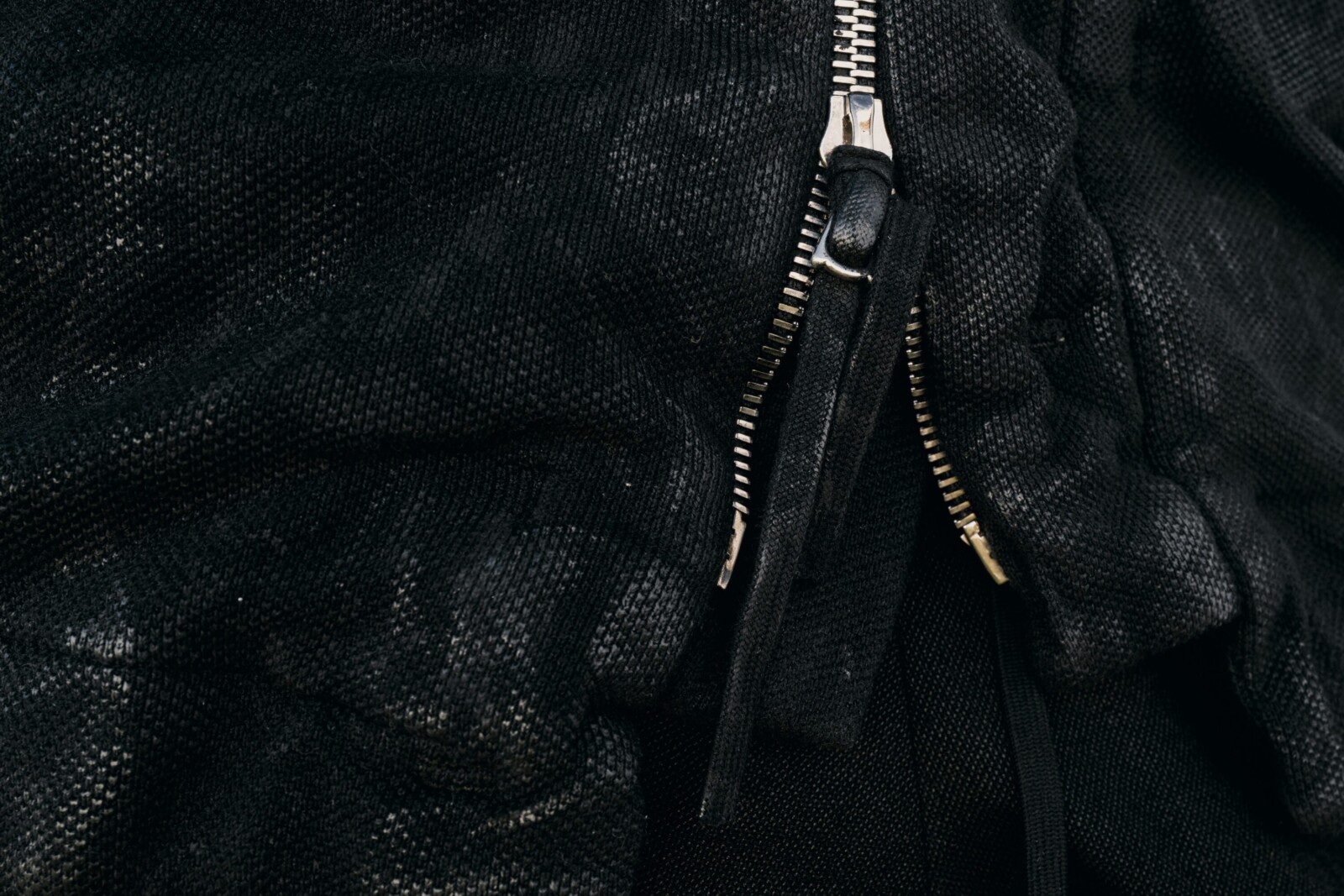
Les maîtres artisanaux contemporains reviennent continuellement à l'éthique matérielle du punk. Junya Watanabe déconstruit régulièrement des treillis militaires en surplus, des tartans techniques et des vestes de motard en collages architecturaux complexes. Dans le darkwear et la couture post-industrielle, Boris Bidjan Saberi, Rick Owens, et Carol Christian Poell déploie des effets de détresse, des bords bruts, du matériel anatomique et des cuirs lourds lavés qui traitent les vêtements non pas comme un statut de luxe passif, mais comme une armure somatique éprouvée au combat.
Le punk a définitivement brisé la fiction selon laquelle les vêtements doivent être soignés, symétriques et polis. En prouvant que la destruction est une forme profonde de création, le punk a établi le principe esthétique qui définit encore l'avant-garde : les vêtements les plus puissants sont ceux qui exposent les fractures du monde qu'ils habitent.
Continue à explorer l'histoire des ruptures radicales dans Mode futuriste des années 1960, enquête sur les origines philosophiques de l'anti-art dans Dada, absurdité et anti-mode, et examine les définitions fondamentales des mouvements dans explique le vocabulaire visuel en profondeur, tandis que.
Références et lectures complémentaires
- Dick Hebdige / Routledge — Subculture: The Meaning of Style
- Andrew Bolton, Richard Hell, Jon Savage / The Metropolitan Museum of Art / Yale University Press — PUNK: Chaos to Couture
- Victoria and Albert Museum Research Department — Vivienne Westwood: 1941–2022
- Jon Savage / Faber and Faber — England's Dreaming: Sex Pistols and Punk Rock
- Museum of London Cultural Collections — Seditionaries: Clothes for Heroes (1976–1979)
- The Metropolitan Museum of Art — PUNK: Chaos to Couture