모던 아방가르드 패션
현대 아방가르드 패션은 의류를 사용해 몸, 재료, 문화 시스템을 지금과 다르게 이해할 수 있는 방법을 시험한다. 그것은 해체, 반패션, 급진적 공예를 계승하지만, 검은 옷이나 고정된 컬트 디자이너 목록에 국한되지 않는다. 가장 설득력 있는 형태는 현대 조건—기술, 기후, 정체성, 노동, 이미지 문화—을 건축과 착용에 대한 정확한 결정으로 바꾼다.
아방가르드 패션을 현대적으로 만드는 요소는 무엇일까?
“현대’는 현재를 의미할 수 있지만, 현대주의의 역사도 담고 있다: 산업 생활, 새로운 기술, 변화하는 사회적 관계에 적합한 형태를 만들려는 시도. 현대 아방가르드 패션은 두 가지 의미를 모두 차지한다. 그것은 상속된 아름다움, 핏, 성별, 사치, 심지어 의복 자체에 대한 아이디어가 여전히 우리가 사는 세상을 설명하는지를 묻는 현대 의류이다.
그 질문은 범주가 특정한 모습으로 고정되는 것을 방지한다. 검은 비대칭 레이어는 일본 디자인, 벨기에 해체, 어두운 독립 씬의 기억을 담고 있을 수 있지만, 반복만으로는 그것들을 아방가르드로 만들지 않는다. 익숙한 실루엣은 더 이상 아이디어를 발전시키지 않으면서 상업적으로 효과적일 수 있다. 반대로, 평범한 의복은 그 패턴, 재료 시스템 또는 착용자와의 관계가 의류가 만들어지고 사용되는 방식을 재조직한다면 진정으로 실험적일 수 있다.
모마의 질문 패션은 현대적인가? 는 유용하다. 왜냐하면 의류를 기능성, 정치, 노동, 정체성, 경제 및 기술과 연결시키기 때문이다. 현대 아방가르드 작업은 이러한 여러 차원이 일관된 객체에서 만날 때 중요해진다.
20세기 후반의 유산
현대 아방가르드 패션은 이미 변형된 분야에서 시작된다. Issey Miyake 섬유 공학과 신체 움직임을 분리할 수 없게 만들었다. 레이 카와쿠보는 부재, 모호함, 신체 주변의 공간을 디자인 재료로 설정했다. 요지 야마모토는 검은색, 볼륨, 비대칭 재단이 착용자를 단순히 드라마틱하게 만드는 것이 아니라 보호와 자유를 제공할 수 있음을 보여주었다. 마르탱 마르지엘라 은 일반적으로 숨겨진 구조, 저자 및 상업적 가치의 시스템을 드러냈다.
다음 세대는 규칙이 아닌 방법을 계승했다. 후세인 샬라얀에게서 이주, 건축 및 기계에 대한 연구로서의 의복이 나왔고, 알렉산더 맥퀸에게서 심리적이고 정치적으로 충전된 매체로서의 런웨이가 나왔다; 이탈리아 장인 운동으로부터는 염료, 가죽, 솔기 및 착용이 총체적 재료 언어로 발전할 수 있다는 아이디어가 나왔다. 이러한 선례는 여전히 활동 중이지만, 현대 작업은 그들의 인식 가능한 표면을 인용하는 것 이상을 해야 한다.
현대 아방가르드 패션의 다섯 가지 언어
1. 건축적 실루엣
의복은 신체를 따르는 막이 아니라 자체 볼륨을 가진 구조로 취급된다. 확장된 어깨, 이동된 암홀, 매달린 패널, 원형 컷 및 조각된 빈 공간은 착용자의 윤곽과 움직임의 리듬을 변화시킨다. 결과는 기념비적일 수도 있고 거의 감지되지 않을 수도 있다; 건축은 단순히 크기에서가 아니라 공간의 조직에 있다.
2. 재료 변형
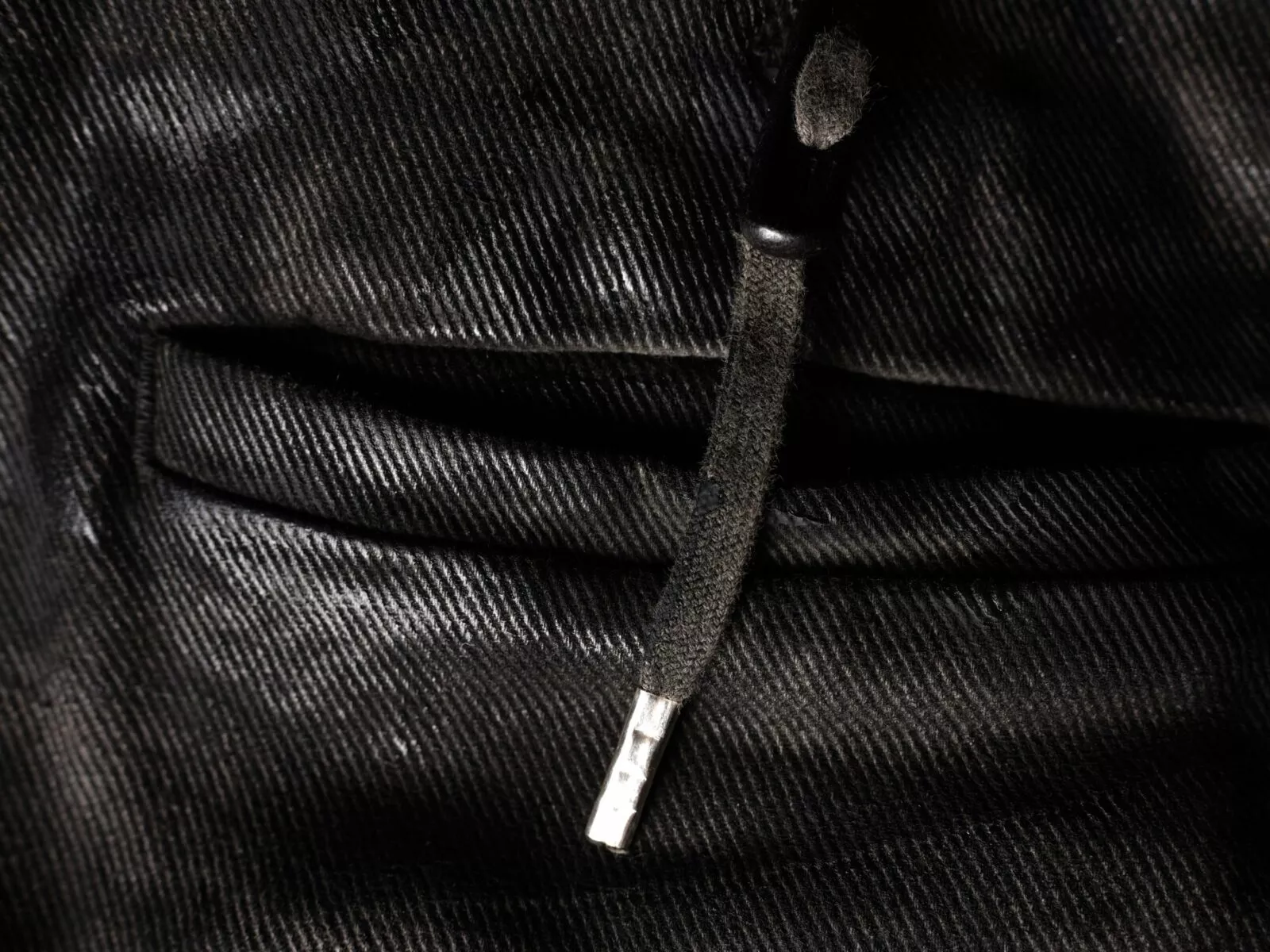
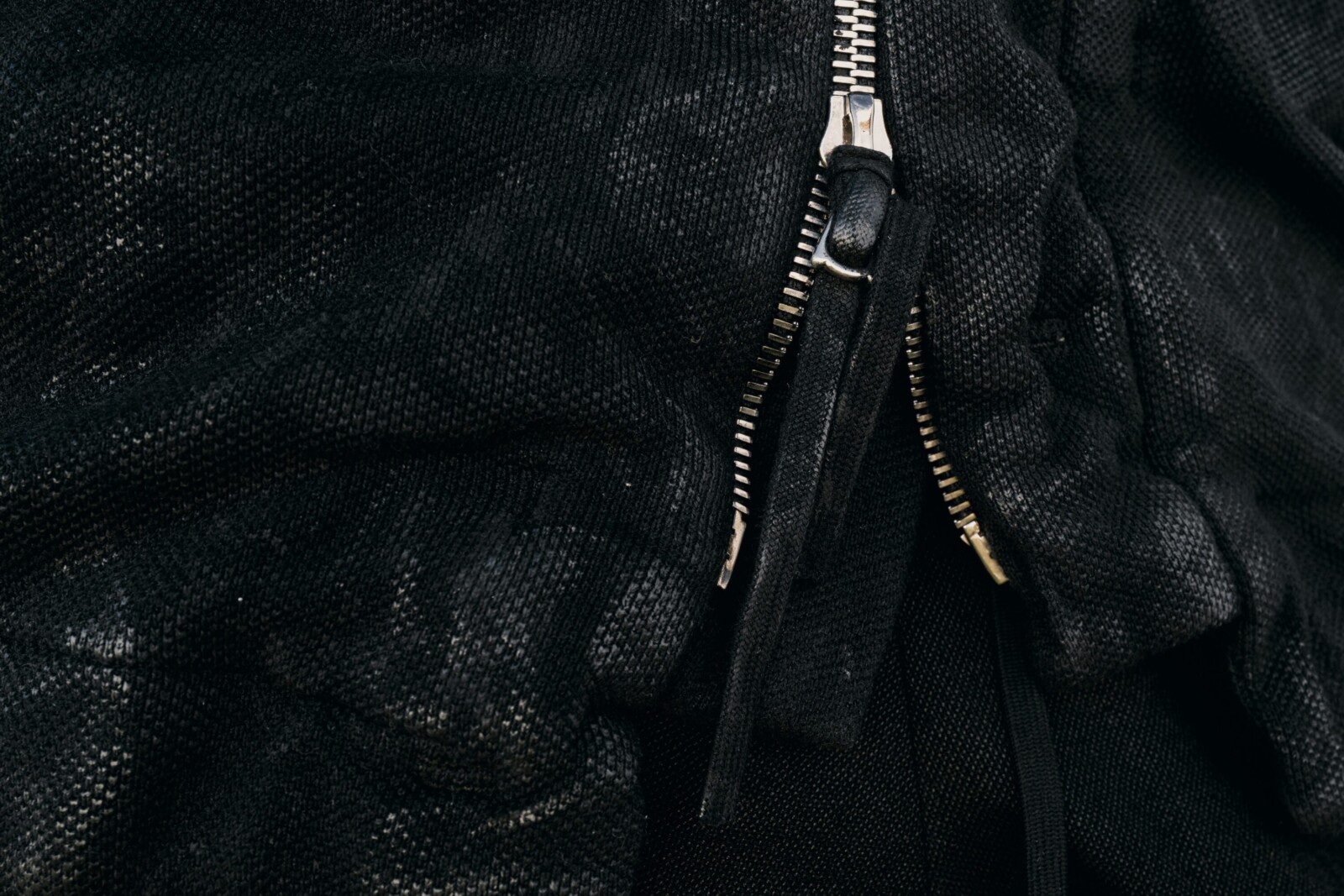
현대 디자이너들은 완성된 직물로서의 원단을 받아들이기보다는 기존의 직물 생산 이후에 작업한다. 완성된 의복은 염색, 세탁, 코팅, 산화, 결합, 마모 또는 압축된다. 가죽은 반투명하거나 단단하거나 의도적으로 흉터가 있을 수 있다. 기술 섬유는 유기 막을 모방할 수 있으며, 겸손한 직물은 반복적인 처리를 통해 밀도를 얻을 수 있다. 과정은 숨겨야 할 결함이 아니라 가시적인 증거가 된다.
3. 해체된 시스템
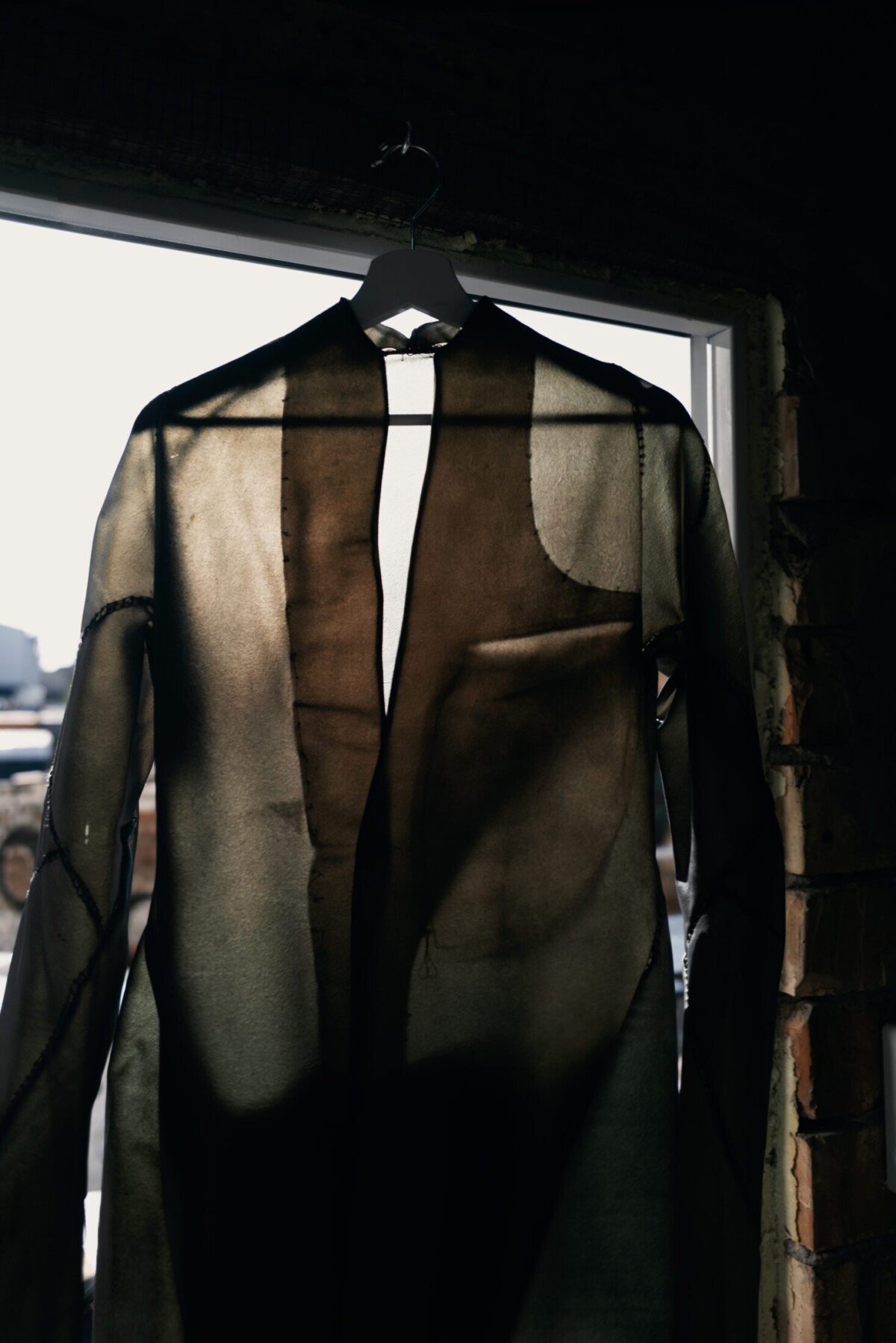
해체는 한 가지 가정을 드러낼 때 여전히 관련이 있다: 왜 솔기가 한 곳에 있어야 하는지, 왜 재킷이 앞에서 닫혀야 하는지, 왜 재단이 성별화된 자세를 암호화하는지, 또는 왜 사치가 새로움과 가치를 동일시하는지. 드러난 내부와 날것의 가장자리는 단지 어휘일 뿐이다. 지적 작업은 익숙한 의복이 구성된 관습이라는 것을 보여주는 데 있다. 따라서 그것은 다르게 구성될 수 있다.
4. 변형 가능성과 참여
모듈식 레이어, 조정 가능한 볼륨, 양면으로 착용할 수 있는 구조 및 착용자가 자른 의복은 디자인 권한을 재분배한다. 미야케와 다이 후지와라의 A-POC 시스템은 중요한 선례로 남아 있다: 산업적으로 생산된 섬유가 사용자의 결정에 따라 의복이 되어, 절단 폐기물이 거의 발생하지 않는다. 현재의 모듈식 시스템은 적응 가능한 사이징, 수리 및 다양한 착용 방식을 통해 이 논리를 확장한다.
5. 런웨이를 하나의 주장으로
현대 패션쇼는 안무, 설치, 영화 또는 시민적 제스처로 작동할 수 있다. 그 가치는 스펙타클에 비례하지 않는다. 캐스팅, 공간, 소리 및 움직임이 의복의 아이디어를 명확히 할 때 발표는 중요하다—관객이 단순히 순환을 위한 이미지를 생성하는 것이 아니라 권력, 아름다움 또는 집단 정체성을 재고하도록 요청받을 때.
현대 분야를 형성하는 디자이너들
설립된 아방가르드 하우스는 그들의 언어가 계속 변화하기 때문에 현대적이다. Comme des Garçons 여전히 “의류’라는 범주를 불안정하게 취급한다. 야마모토 요지’의 재단은 원단, 시간 및 움직이는 몸 사이의 관계를 계속 시험한다. 미야케 스튜디오 는 주름과 엔지니어링된 섬유를 유산의 서명 대신 살아있는 시스템으로 발전시킨다.
릭 오웬스: 기념비적인 규모에서의 독립성
릭 오웬스 은 로스앤젤레스의 언더그라운드 관행을 매끄럽게 하지 않고도 독립적인 파리 하우스로 전환했다. 정교한 드레이프는 세탁된 가죽과 만나고, 신체의 노출은 보호적인 볼륨과 만나며, 고전적인 참조는 클럽 문화와 만난다. 팔레 갈리에는 그의 작업을 구조적 변형, 움직임 및 확장되는 재료 어휘를 통해 설명한다. 그의 런웨이 프로젝트도 똑같이 중요하다: 캐스팅과 집단 공연은 반복적으로 어떤 몸이 고급 패션에서 강력하게 나타날 수 있는지를 질문한다.
캐롤 크리스티안 포엘과 재료 자율성
Carol Christian Poell 은 더 철회된 위치를 차지한다. 그의 작업은 재단, 신발 및 가죽을 해부학적 및 화학적 조사에 제시한다: 회전된 구조, 관절이 있는 연결, 물체 염색, 단단한 표면 및 생물학적 기원의 증거. 의복은 편안함과 일반 소매 전시를 거부하는 느낌을 줄 수 있다. 그 어려움은 의미가 있다. 왜냐하면 그것이 수용, 보존 및 신체의 한계를 물질적으로 드러내기 때문이다.
보리스 비드잔 사베리와 포스트 산업적 몸
Boris Bidjan Saberi 은 장인적 처리를 도시 기술 시스템과 연결한다. 의복 염색, 밀집된 레이어, 제한적인 개구부 및 해부학적으로 곡선이 있는 패턴은 움직임과 착용으로 완성된 옷을 생산한다. 그의 중요성은 1990년대 이탈리아 흐름의 물질적 강도를 21세기 다크웨어, 신발 및 기술 협업으로 가져오면서 그것을 손상된 장식으로 축소하지 않는 데 있다.
레온 에마누엘 블랑크와 왜곡된 해부학
레온 에마누엘 블랑크 은 움직이는 몸의 해부학을 통해 의복 구조를 접근한다. 그의 독특한 패턴 컷팅 방법은 전통적인 대칭과 익숙한 의복 건축을 거부하며, 나선형 솔기, 이동된 볼륨 및 착용자를 감싸는 것처럼 보이는 실루엣을 생성한다. 전통적인 패턴을 장식하는 대신, 블랑크는 그 기초 기하학을 변경한다. 결과는 움직임, 긴장 및 신체 비대칭을 가시화하는 의복으로, 패턴 컷팅 자체를 아방가르드 방법으로 위치시킨다.
DEVOA와 해부학적 구조
DEVOA 는 의복 구조의 중심에 인간 해부학을 둔다. 패턴, 솔기 및 관절 형태는 신체를 정적인 재단 블록으로 취급하는 대신 근육, 관절 및 움직임에 반응한다. 기술 섬유는 자연 재료와 공존하며, 정밀한 구조는 종종 보호와 이동성 사이의 긴장을 생성한다. 이 해부학적 접근은 현대 아방가르드 패션이 시각적 자극만으로가 아니라 신체의 메커니즘을 연구함으로써 어떻게 나타날 수 있는지를 보여준다.
JULIUS와 일본 다크웨어의 진화
줄리어스 모노크롬 레이어링, 길어진 비율, 손상된 표면, 좁은 해부학적 형태와 넓은 볼륨 간의 상호작용을 통해 매우 인식 가능한 언어를 개발했어. 하지만 그 중요성은 단순한 올블랙 미학을 넘어. 군사적 참조, 산업 환경, 음악과 서브컬처 이미지는 반복적으로 실루엣과 소재 실험으로 번역돼. 이렇게 해서 JULIUS는 21세기 일본 아방가르드 남성복의 한 경향을 정의하는 데 도움을 줬어. 여기서 의복은 동시에 보호, 추상, 정체성의 기능을 해.
Viridi-Anne과 조용한 소재 실험
The Viridi-Anne 일본 아방가르드 패션 내에서 더 조용한 영역을 차지해. 이 작업은 비전통적인 패턴 구성, 레이어링, 그리고 일상적인 움직임과 밀접하게 연결된 의복을 조심스럽게 개발한 텍스타일과 결합해. 처리, 불규칙한 표면, 그리고 부드러운 색조는 극적인 실루엣 없이도 복잡성을 만들어. 실험과 착용 가능성 간의 이 균형은 현대 아방가르드에 또 다른 모델을 제공해: 구조, 비율, 소재 세부 사항을 통해 표현된 급진주의, 그리고 스펙타클이 아니야.
Junya Watanabe와 엔지니어링 변형
Junya Watanabe 익숙한 의복을 구조의 문제로 접근해. Comme des Garçons에서 패턴 메이커로 시작한 Watanabe는 인식 가능한 원형을 잘라내고, 복제하고, 복잡한 패턴 엔지니어링을 통해 재구성하는 실천을 개발했어. 작업복, 데님, 재단, 군복, 기술 외투는 고정된 범주가 아닌 시작 구조가 돼. 그의 여성복은 반복적으로 원단을 조각적이고 기하학적인 형태로 밀어넣었고, Junya Watanabe MAN은 협업을 통해 기존 의복과 산업 제품을 내부에서 변형해. 일상적인 것을 구조적으로 낯설게 만드는 이 능력은 Watanabe를 Comme des Garçons의 개념적 실험과 현대 남성복의 점점 더 기술적인 언어 사이에 두게 해.
sacai와 하이브리드 의복
Chitose Abe의 사카이 하이브리드화를 통해 다른 형태의 재구성을 발전시켜. 익숙한 의복을 포기하는 대신, Abe는 그 원형을 결합해: 봄버 재킷은 트렌치 코트가 될 수 있고, 니트웨어는 셔츠와 합쳐질 수 있으며, 대조되는 원단은 단일 의복을 여러 정체성으로 나눌 수 있어. 패턴 구성은 이러한 조합을 단순히 레이어링하거나 스타일링하는 것이 아니라 구조적으로 만들어. 이 접근법은 일상적인 옷장 관습을 불안정한 범주로 바꾸면서도 그 기능성과 인식 가능성을 보존해. 이런 의미에서 sacai는 아방가르드 방법론이 실험을 포기하지 않고도 널리 착용 가능한 현대 패션으로 나아갈 수 있는 방법을 보여줘.
Maison Margiela와 계속되는 해체의 언어
Maison Margiela 현대 아방가르드 패션의 기본이 되어. Martin Margiela가 확립한 방법은 여전히 의복이 어떻게 가치와 의미를 얻는지를 질문하는 어휘를 제공해. 해체는 안감, 솔기, 미완성 구조를 드러내고; 발견된 기존 소재는 재사용되며; 익숙한 의복은 이동되거나 확대되거나 재구성돼; 익명성은 디자이너의 숭배를 도전하고; 장인적 실천은 물체와 버려진 소재를 고급 노동을 통해 변형해. Glenn Martens 하에 이러한 코드는 정적 아카이브 서명보다는 작업 방법으로 다뤄지고 있어. 재사용, 트롱프뢰유, 두 번째 피부 의복, 소재 조합, 변경된 역사적 실루엣은 의복과 물체 간의 경계를 계속 조사해. 따라서 Margiela의 현대적 관련성은 단순히 그 거대한 역사적 영향력에 있는 것이 아니라, 익숙한 것을 다시 낯설게 만드는 해체를 사용할 수 있는 지속적인 가능성에 있어.
Iris van Herpen과 협업 제작
Iris van Herpen은 건축가, 과학자, 엔지니어, 아티스트와의 협업을 통해 고급 패션을 만들어. 디지털 모델링, 레이저 커팅, 적층 제조는 인내심 있는 손 조립과 공존해. 메트로폴리탄 미술관과 팔레 드 도쿄 같은 기관들은 그녀의 작업이 기술을 생물학적 형태와 결합하는 방식을 강조해. 그녀의 가장 큰 성과는 드레스를 미래지향적으로 보이게 하는 것이 아니라, 낯선 과정을 사용해 몸, 자연, 구조 간의 또 다른 관계를 상상하는 거야.
이 숫자들은 완전한 디렉토리를 구성하지 않아. 그들은 독립적인 하우스, 물질적으로 자율적인 아뜰리에, 포스트 산업 시스템, 그리고 학제간 실험실의 다양한 실천 모델을 나타내. RAW Looks’ 광범위한 아방가르드 패션 디자이너 목록 개별 디자이너 프로필의 주요 목적지로 남아 있어.
기술은 방법이지 미학이 아니다
현대 아방가르드 패션은 종종 가시적인 기술을 통해 설명돼: 3D 프린팅, 반응형 표면, 로봇 제작 또는 빛나고 움직이는 의복. 하지만 최신 기계가 자동으로 최신 사고를 생산하는 것은 아니야. 기술은 구조, 저자성, 생산 또는 사용을 변화시킬 때 중요해.
Van Herpen의 레이저 소결된 스켈레톤 드레스는 예를 들어, 전통적인 솔기 없이 연속적인 강체 형태로 만들어질 수 있어. 메트의 보존 연구는 그 혁신의 다른 면을 드러내: 실험적인 폴리아미드는 기존 텍스타일과 다르게 나이를 먹으며, 박물관은 그 관리 방법을 개발해야 해. 기술적 돌파구는 보존 문제를 만들어. 그 전체 소재 생애 주기는 디자인에 속해.
현대 실천은 기계와 손 간의 대립을 복잡하게 해. 컴퓨터 모델은 테스트, 마무리 및 체화된 지식을 요구하고; 손으로 염색된 의복은 화학과 통제된 생산에 의존해; 전통적인 주름은 산업 공학을 통해 재조직될 수 있어. 관련된 구분은 공예 대 기술이 아니라 수동적 관습 대 능동적 탐구야.
디지털 이미지와 물리적 의복
패션은 이제 천보다 스크린을 통해 먼저 접하게 돼. 컬렉션은 정면 런웨이 사진, 짧은 비디오 조각 및 재판매 목록으로 압축돼. 이 순환은 독립 디자이너에게 글로벌 도달 범위를 제공하지만, 즉각적으로 읽을 수 있는 서명을 선호해. 극단적인 비율과 비정상적인 표면은 피드를 통과하지만, 미세한 패턴 논리와 촉각적 지능은 종종 사라져.
따라서 현대 아방가르드 패션에 대한 진지한 이해는 물체로 돌아가. 무게는 어떻게 분배돼? 착용자가 앉거나 걷거나 의복을 잠글 때 무슨 일이 일어나? 소재 처리가 나이가 들면서 개선되나, 아니면 단순히 악화되는 것인가? 물리적인 답변은 디자인 시스템을 이미지 시스템과 구분해.
성별, 몸, 그리고 형태의 정치
아방가르드 패션은 오랫동안 이상화된 해부학에 저항하기 위해 안드로지니, 은폐 및 왜곡을 사용해왔어. 현대 실천은 비이진 옷장, 적응형 구조, 더 넓은 캐스팅, 그리고 의미가 몸에 따라 변화하는 의복을 통해 그 탐구를 확장해. 오버사이즈 의복은 전통적인 성별 실루엣을 드러내야 한다는 요구를 느슨하게 할 수 있어; 노출은 취약성, 대결 또는 자기 소유로 사용될 수 있어.
하지만 시각적 위반이 구조적 포함을 보장하지는 않아. 런웨이는 차이를 축하할 수 있지만, 사이즈, 가격, 소매 가용성은 여전히 좁아. 현대 아방가르드는 전체 시스템을 통해 평가되어야 해: 패턴에 의해 상상되는 사람은 누구인가, 누가 의복을 구매하고 유지할 수 있는가, 누가 노동을 수행하는가, 누가 저자성을 허용받는가.
지속 가능성과 끝없는 새로움의 문제
아방가르드의 전통적인 끊임없는 새로움에 대한 요구는 이제 생태적 한계와 충돌해. 실험적인 소재는 폐기물을 줄이거나 동물 재료를 피할 수 있지만, 화석 유래 폴리머, 집중적인 에너지 또는 수리할 수 없는 과정을 의존할 수도 있어. “혁신”은 소싱, 제조, 내구성 및 폐기에 대한 증거 없이는 불완전해.
따라서 가장 급진적인 현대적 결정은 조용해: 천천히 생산하고, 독립적인 규모를 유지하며, 수리를 위해 설계하고, 기존 의복을 재사용하고, 전문 작업장을 보존하거나 하나의 패턴 시스템이 여러 시즌에 걸쳐 발전하도록 허용하는 것. 이러한 실천은 패션 캘린더의 가치가 빠르게 만료되어야 한다는 요구에 저항해.
아카이브 문화는 또 다른 모순을 기여해. 오래된 Margiela, Comme des Garçons, Helmut Lang, Carpe Diem 또는 Poell을 수집하는 것은 구조 지식을 보존하고 의복의 수명을 연장해. 동시에 온라인의 관심은 역사적으로 특정한 작업을 투기적 상품으로 바꾸고 검색 가능한 서명으로 평탄화할 수 있어. 책임 있는 수집은 나이만을 중요성으로 취급하는 것이 아니라 출처, 상태 및 맥락을 연구해.
의미 있는 현대 아방가르드 패션을 인식하는 방법
가격, 희귀성, 시각적 낯섦은 신뢰할 수 없는 척도야. 더 유용한 해석은 다섯 가지 질문으로 시작해:
- 어떤 관습이 질문되고 있어? 답변은 “일반적인 옷”보다 더 정확해야 해.”
- 구성이 아이디어를 전달해? 실루엣, 솔기, 소재, 그리고 잠금 장치는 개념적 작업을 해야 해.
- 움직이는 몸에서 무슨 일이 일어나? 패션은 정적인 이미지로는 완전하지 않아.
- 과정이 그 결과에 책임이 있어? 노동, 내구성, 그리고 소재의 영향은 평가에 속해.
- 작업이 시간에 따라 발전해? 일관된 실천은 매 시즌마다 의상을 바꾸는 대신 질문을 심화해.
다크웨어, 테크웨어, 개념적 고급 패션, 장인 패션, 실험적 재단은 모두 아방가르드와 겹칠 수 있지만, 어떤 것도 자동으로 동일하지는 않아. 다크웨어는 시각적이고 문화적인 분야를 설명하고; 테크웨어는 종종 성능과 유용성을 우선시하며; 고급 패션은 예외적인 맞춤 제작 시스템을 식별해. 아방가르드는 이러한 시스템 내부 또는 그에 반대되는 비판적 입장을 설명해.
현대적 관련성
현대 아방가르드 패션은 일상적인 복장이 결코 중립적이지 않기 때문에 중요해. 의복은 성별, 움직임, 노동, 지위, 그리고 소재와의 관계를 조직해. 실험적인 의복은 이러한 구조를 가시화해. 그들의 아이디어는 종종 바깥으로 여행해: 비대칭은 일상적이 되고, 유니섹스 사이즈는 확대되며, 수리는 바람직해지고, 기술적 원단은 일상적인 옷장에 들어가고, 이전에는 용납되지 않던 몸은 공적인 존재감을 얻어.
과연 어떤 이상한 실루엣이 주류가 될지를 예측하는 것이 아니라, 어려운 질문과 감각적인 소재 답변을 할 수 있는 분야로서 패션을 보존하는 것이 과제야. 읽어봐 아방가르드 패션이란 무엇인가? 기초적인 정의를 위해, 아방가르드 패션의 역사 더 긴 계보를 위해, 그리고 완전한 아방가르드 패션 타임라인 주요 연대적 전환점을 위해.
참고 문헌 및 추가 읽기
- 현대 미술관 — 아이템: 패션은 현대적인가?
- 현대 미술관 — 아이템 발표: 패션은 현대적인가?
- 현대 미술관 — A-POC 퀸 텍스타일, 1997
- 메트로폴리탄 미술관 — 레이 카와쿠보/꼼데가르송: 사이의 예술
- 팔레 갈리라 — 릭 오웬스: 사랑의 성전
- 빅토리아 국립 미술관 — 캐롤 크리스찬 포엘 — 아티스트 및 컬렉션 기록
- 보리스 비드잔 사베리 — 보리스 비드잔 사베리
- 디자인 박물관 — 후세인 샬라얀
- 온타리오 왕립 박물관 — 아이리스 반 허르펜: 패션의 변신
- 팔레 드 도쿄 — 아이리스 반 허르펜
- 메트로폴리탄 미술관 — (비)영원한 패션: 아이리스 반 헤르펜의 스켈레톤 드레스
- 보스턴 미술관 — #테크스타일
- 아이리스 반 허르펜 — 아틀리에 내부 — 감각의 바다