モダン・アバンギャルド・ファッション
現代のアバンギャルドファッションは、服を使って身体、素材、文化システムが今どのように異なって理解されるかを試す。. それは脱構築、反ファッション、ラディカルなクラフトを受け継いでいるが、黒い服や固定されたカルトデザイナーのリストに制限されることはない。その最も説得力のある形は、現代の条件—テクノロジー、気候、アイデンティティ、労働、イメージ文化—を構築と着用に関する具体的な決定に変える。.
アバンギャルドファッションを現代的にするものは何?
“「現代的」という言葉は現在を意味することもあるが、モダニズムの歴史も含んでいる:工業生活、新しいテクノロジー、変化する社会関係に適した形を作ろうとする試み。現代のアバンギャルドファッションは両方の意味を占めている。それは、受け継がれた美、フィット感、性別、贅沢、さらには衣服自体のアイデアが、私たちが生きる世界をまだ描写しているのかを問う現代的な服である。.
その問いは、カテゴリーが特定のルックに落ち着くのを防ぐ。黒の非対称なレイヤーは、日本のデザイン、ベルギーの脱構築、そして暗いインディペンデントシーンの記憶を持っているかもしれないが、繰り返しだけではそれらをアバンギャルドにすることはできない。馴染みのあるシルエットは商業的に効果的であることができるが、もはやアイデアを進めることはない。逆に、シンプルな衣服は、そのパターン、素材システム、または着用者との関係が、衣服の作り方や使い方を再編成するならば、本当に実験的であるかもしれない。.
MoMAの問い ファッションは現代的か? は役立つ。なぜなら、服を機能性、政治、労働、アイデンティティ、経済、テクノロジーに結びつけるからであり、ファッションを単なる視覚的な新しさとして扱うのではないからだ。現代のアバンギャルドな作品は、これらの次元が一貫したオブジェクトの中で出会うときに重要になる。.
20世紀後半の遺産
現代のアバンギャルドファッションは、すでに変革された分野から始まる。. Issey Miyake テキスタイルエンジニアリングと身体の動きを切り離せないものにした。レイ・カワクボは、欠如、曖昧さ、そして身体の周りの空間をデザイン素材として確立した。ヨウジ・ヤマモトは、黒、ボリューム、非対称なテーラリングが、単に着用者をドラマティックにするのではなく、保護と自由を提供できることを示した。. マルタン・マルジェラ 通常隠されている構造、著作権、商業的価値のシステムを暴露した。.
次世代はルールではなく方法を受け継いだ。フセイン・チャラヤンからは、移民、建築、メカニクスに関する研究としての衣服が生まれ、アレキサンダー・マックイーンからは、心理的かつ政治的に充電されたメディアとしてのランウェイが生まれ、イタリアの職人運動からは、染料、革、縫い目、着用が総合的な素材言語として発展できるというアイデアが生まれた。これらの前例は依然としてアクティブだが、現代の作品は彼らの認識可能な表面を引用するだけでは不十分だ。.
現代のアバンギャルドファッションの五つの言語
1. 建築的シルエット
衣服は、身体に従う膜ではなく、自身のボリュームを持つ構造として扱われる。拡張された肩、移動したアームホール、吊るされたパネル、円形のカット、彫刻的な空洞は、着用者のアウトラインと動きのリズムを変える。その結果は、記念碑的であるか、ほとんど知覚できないかもしれない。建築はサイズだけでなく、空間の組織にある。.
2. 材料の変革
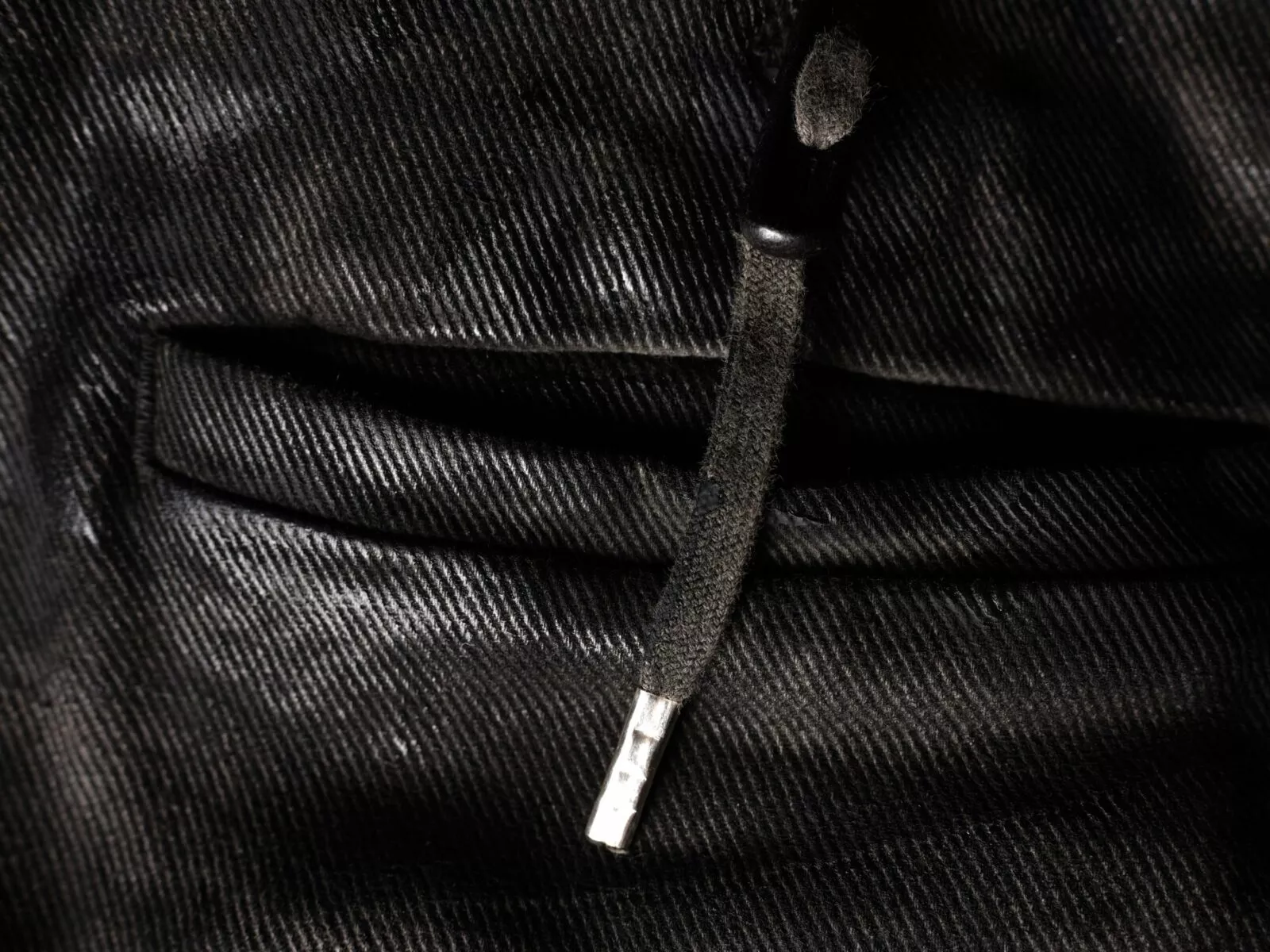
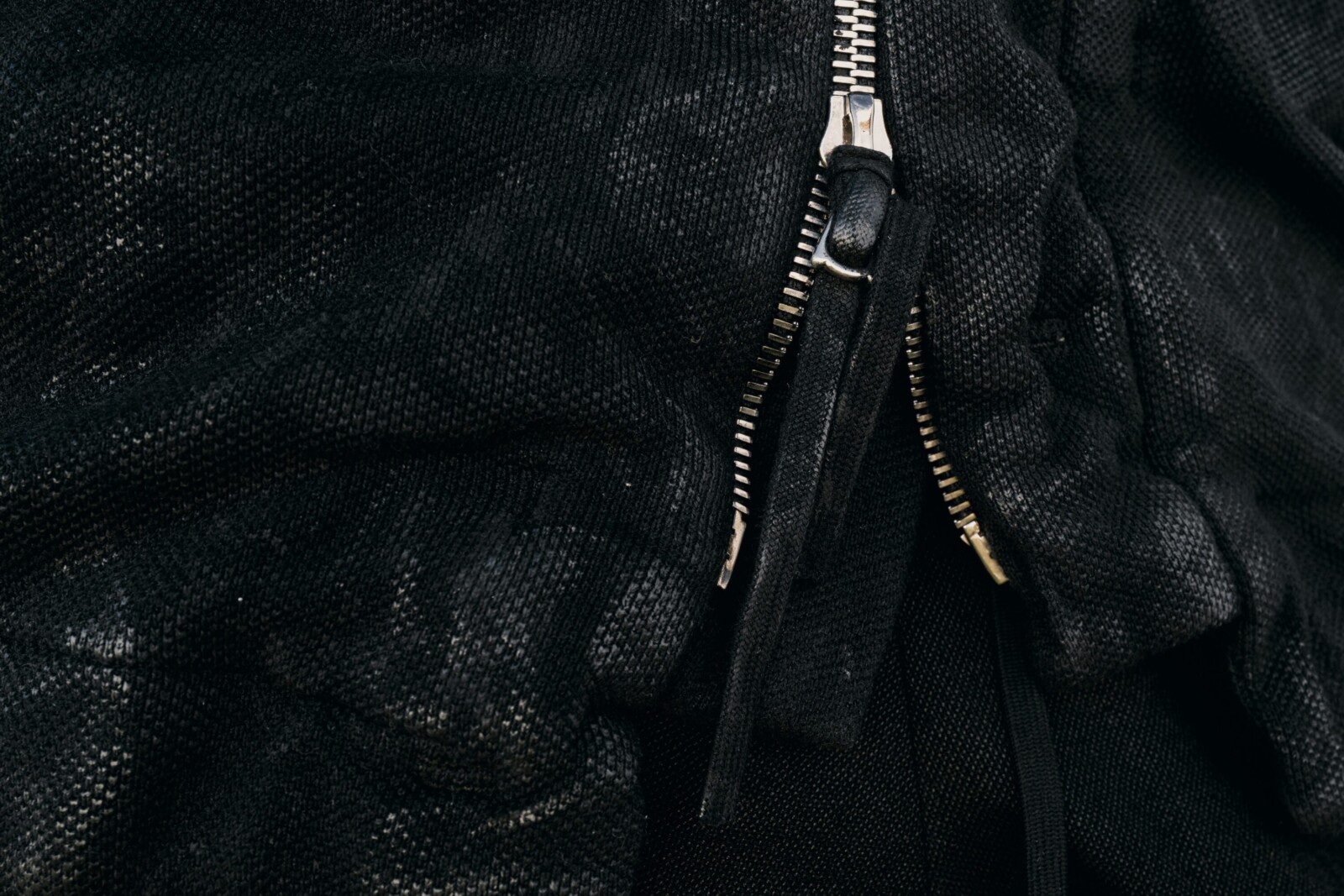
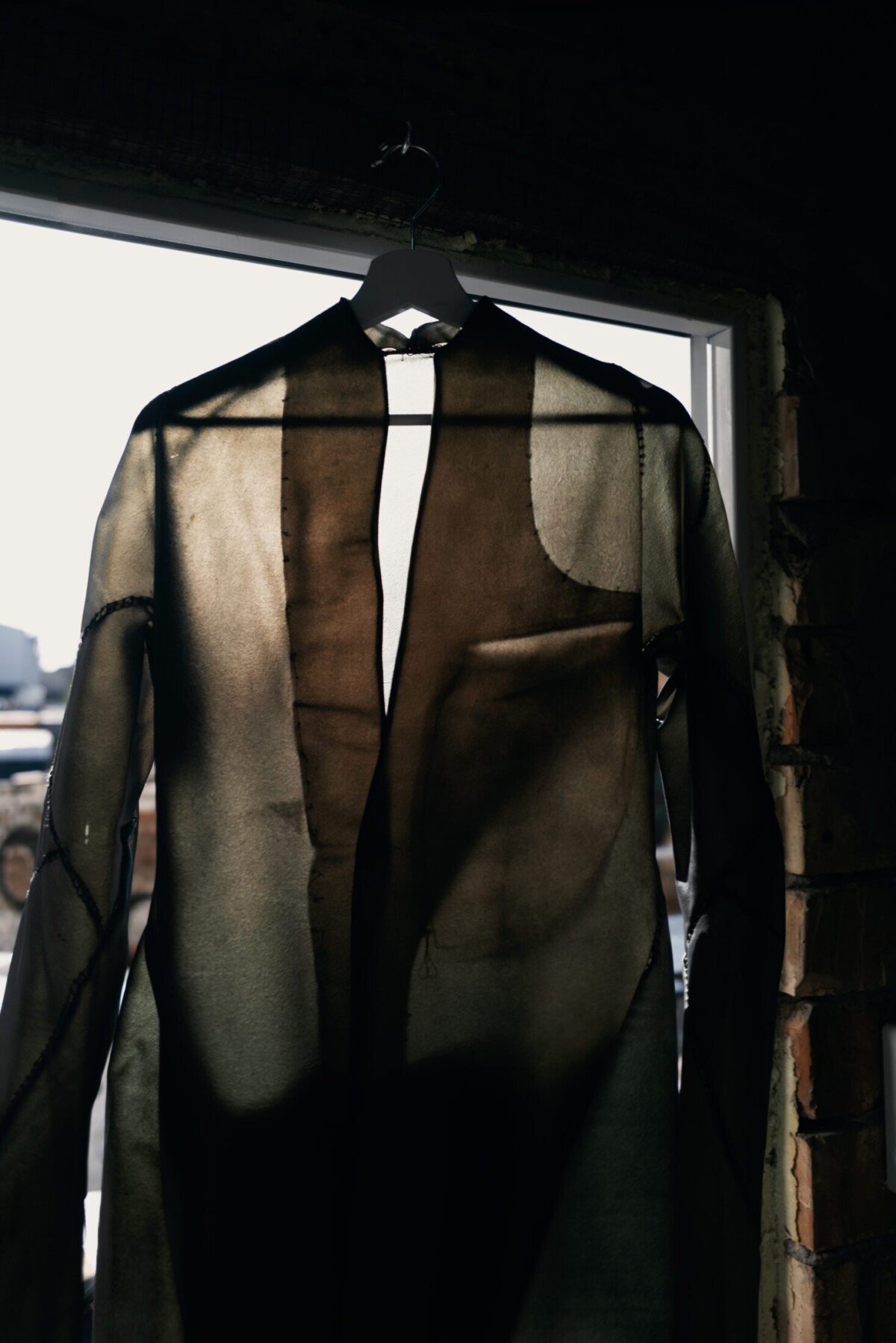
現代のデザイナーは、完成品として生地を受け入れるのではなく、従来のテキスタイル生産の後に作業する。完成した衣服は、染色、洗浄、コーティング、酸化、接着、研磨、または圧縮されることがある。革は半透明、硬直、または意図的に傷つけられることがある。技術的な繊維は有機膜を模倣することができ、質素な布は繰り返しの処理を通じて密度を獲得することができる。プロセスは、隠すべき欠陥ではなく、目に見える証拠となる。.
3. 脱構築されたシステム
脱構築は、仮定を明らかにする時に関連性を持つ:なぜ縫い目が一つの場所に存在するのか、なぜジャケットが前で閉じなければならないのか、なぜテーラリングが性別に基づく姿勢を符号化するのか、またはなぜ贅沢が新しさを価値と同等にするのか。露出した内部と生のエッジは、語彙に過ぎない。知的な作業は、馴染みのある衣服が構築された慣習であり、したがって他の方法で構築できることを示すことにある。.
4. 変形可能性と参加
モジュラーのレイヤー、調整可能なボリューム、リバーシブルな構造、そして着用者によってカットされた衣服は、デザインの権限を再配分する。三宅一生とダイ・フジワラのA-POCシステムは重要な前例である:工業的に生産されたテキスタイルが、ユーザーの決定を通じて衣服となり、切断の廃棄物をほとんど生まない。現在のモジュラーシステムは、適応可能なサイズ、修理、そして複数の着用方法を通じてこの論理を拡張する。.
5. ランウェイを議論として
現代のファッションショーは、振り付け、インスタレーション、映画、または市民的なジェスチャーとして機能することができる。その価値はスペクタクルに比例しない。キャスティング、空間、音、動きが衣服のアイデアを明確にする時、プレゼンテーションは重要である—観客が単に流通のための画像を生成するのではなく、力、美、または集団的アイデンティティを再考するよう求められる時。.
現代の分野を形作るデザイナーたち
確立されたアバンギャルドハウスは、彼らの言語が変わり続けるため、現代的であり続ける。. Comme des Garçons まだ「服」というカテゴリーを不安定なものとして扱っている。. Yohji Yamamoto’のテーラリングは、布、時間、そして動く身体との関係を試し続けている。 三宅スタジオ は、遺産のサインではなく、生きたシステムとしてプリーツとエンジニアリングされたテキスタイルを発展させている。.
リック・オウエンス:モニュメンタルなスケールでの独立
Rick Owens は、ロサンゼルスの地下の実践を、矛盾を滑らかにすることなく、グローバルでありながら独立したパリのハウスに変換した。洗練されたドレーピングは洗いざらしの革と出会い、身体の露出は保護的なボリュームと出会い、古典的な参照はクラブ文化と出会う。パレ・ギャリエラは、彼の作品を構造的な変革、動き、そして拡大する素材の語彙を通じて説明している。彼のランウェイプロジェクトも同様に重要である:キャスティングと集団的なパフォーマンスは、贅沢なファッションがどの身体を力強く見せることを許可するのかを繰り返し問いかける。.
キャロル・クリスチャン・ポエルと素材の自律性
Carol Christian Poell は、より控えめな位置を占めている。彼の作品は、テーラリング、フットウェア、革を解剖学的および化学的な調査にさらす:回転した構造、関節のあるジョイント、オブジェクト染色、硬化した表面、生物学的起源の証拠。衣服は快適さや普通の小売ディスプレイに抵抗するように感じることがある。その困難は意味があり、封じ込め、保存、そして身体の限界を物質的に示すからである。.
ボリス・ビジャン・サベリとポスト工業的な身体
Boris Bidjan Saberi は、職人の処理と都市的な技術システムを結びつける。衣服の染色、密なレイヤリング、制限された開口部、解剖学的に曲がったパターンは、動きと着用によって完成された服を生み出す。彼の重要性は、1990年代のイタリアの流れの物質的な強度を、21世紀のダークウェア、フットウェア、技術的なコラボレーションに持ち込むことにあり、それを傷んだ装飾に還元することはない。.
レオン・エマニュエル・ブランクと歪んだ解剖学
レオン・エマニュエル・ブランク は、動く身体の解剖学を通じて衣服の構造にアプローチする。彼の独特のパターンカッティングの方法は、従来の対称性や馴染みのある衣服の建築を拒否し、渦巻く縫い目、移動したボリューム、そして着用者の周りに自らを巻きつけるように見えるシルエットを生み出す。従来のパターンを装飾するのではなく、ブランクはその基礎的な幾何学を変える。その結果は、動き、緊張、そして身体の非対称性を可視化する衣服であり、パターンカッティング自体をアバンギャルドな方法として位置づける。.
DEVOAと解剖学的な構造
デボア は、衣服の構造の中心に人間の解剖学を置く。パターン、縫い目、そして関節のある形は、身体を静的なテーラリングブロックとして扱うのではなく、筋肉、関節、動きに応じる。技術的な生地は自然素材と共存し、正確な構造はしばしば保護と移動性の間に緊張を生み出す。この解剖学的アプローチは、現代のアバンギャルドファッションが視覚的な挑発だけでなく、身体のメカニクスを研究することから生まれることを示している。.
JULIUSと日本のダークウェアの進化
ジュリアス モノクロのレイヤリング、細長いプロポーション、傷んだ表面、狭い解剖学的形状と広がりのあるボリュームとの相互作用から、非常に認識しやすい言語を開発しました。しかし、その重要性は全てが黒の美学を超えています。軍事的な参照、産業環境、音楽、サブカルチャーのイメージは、シルエットと素材の実験に繰り返し翻訳されています。こうして、JULIUSは、衣服が同時に保護、抽象、アイデンティティとして機能する21世紀の日本のアバンギャルドメンズウェアの一つの流れを定義する手助けをしました。.
Viridi-Anneと静かな素材実験
The Viridi-Anne は、日本のアバンギャルドファッションの中で静かな領域を占めています。その作品は、非伝統的なパターン構築、レイヤリング、丁寧に開発されたテキスタイルを、日常の動きに密接に結びついた衣服と組み合わせています。処理、 irregular surfaces、 subdued palettesは、演劇的なシルエットを必要とせずに複雑さを生み出します。この実験と着用可能性の間のバランスは、現代のアバンギャルドの別のモデルを提供します:構造、プロポーション、素材の詳細を通じて表現された過激主義です。.
Junya Watanabeとエンジニアリングされた変革
Junya Watanabe は、親しみのある衣服を構築の問題としてアプローチします。彼はパターンメーカーとして始まったComme des Garçonsから出てきて、認識可能な原型を切り離し、複製し、複雑なパターンエンジニアリングを通じて再構築する実践を発展させました。作業服、デニム、テーラリング、軍服、技術的なアウターウェアは、固定されたカテゴリーではなく、出発構造となります。彼のウィメンズウェアは、繊維を彫刻的かつ幾何学的な形状に押し込むことが繰り返されてきましたが、Junya Watanabe MANは、既存の衣服や産業製品を内部から変革するためにコラボレーションを使用します。日常的なものを構造的に不慣れにするこの能力は、Comme des Garçonsの概念的な実験と、現代のメンズウェアのますます技術的な言語の間にWatanabeを置きます。.
sacaiとハイブリッドガーメント
千歳阿部の サカイ は、ハイブリッド化を通じて異なる形の再構築を進めます。親しみのある衣服を放棄するのではなく、阿部はその原型を組み合わせます:ボンバージャケットはトレンチコートになり、ニットウェアはシャツと融合し、対照的な生地は単一の衣服を複数のアイデンティティに分けることができます。パターン構築は、これらの組み合わせを単にレイヤーやスタイルを重ねるのではなく、構造的にします。このアプローチは、日常のワードローブの慣習を不安定なカテゴリーに変えつつ、その機能性と認識可能性を保持します。この意味で、sacaiは、アバンギャルドの方法論が実験を放棄することなく、広く着用可能な現代ファッションに移行できることを示しています。.
Maison Margielaと解体の継続する言語
Maison Margiela は、現代のアバンギャルドファッションにとって基本的なものであり、マルタン・マルジェラによって確立された方法は、衣服がどのように価値と意味を獲得するかを問いかけるための語彙を提供し続けています。解体は、裏地、縫い目、未完成の構造を露出させます;見つけられた既存の素材は再利用されます;親しみのある衣服は移動され、大きくされ、再構築されます;匿名性はデザイナーのカルトに挑戦します;そして、アーティザナルな実践は、オブジェクトや廃棄された素材をクチュールレベルの労働を通じて変革します。グレン・マーテンスの下で、これらのコードは静的なアーカイブの署名ではなく、作業方法として扱われています。再利用、トロンプ・ルイユ、セカンドスキンガーメント、素材のアセンブリ、変更された歴史的シルエットは、衣服とオブジェクトの境界を調査し続けます。したがって、マルジェラの現代的な関連性は、その巨大な歴史的影響だけでなく、親しみのあるものを再び奇妙にするために解体を使用する可能性の継続にあります。.
アイリス・ヴァン・ヘルペンとコラボレーションによる製作
アイリス・ヴァン・ヘルペンは、建築家、科学者、エンジニア、アーティストとのコラボレーションを通じてクチュールを構築します。デジタルモデリング、レーザー切断、加法製造は、忍耐強い手作業と共存しています。メトロポリタン美術館やパレ・ド・トーキョーなどの機関は、彼女の作品が技術と生物的形状を結びつける方法を強調しています。彼女の最も強力な成果は、ドレスを未来的に見せることではなく、体、自然、構造の間に別の関係を想像するために不慣れなプロセスを使用することです。.
これらの数字は完全なディレクトリを構成するものではありません。彼らは異なる実践のモデルを表しています:独立したハウス、物質的に自律したアトリエ、ポスト産業システム、学際的なラボ。RAW Looks’ 広範なアバンギャルドファッションデザイナーリスト は、個々のデザイナーのプロフィールの主要な目的地として残ります。.
テクノロジーは方法であって、美学ではない
現代のアバンギャルドファッションは、しばしば目に見える技術を通じて説明されます:3Dプリンティング、応答性のある表面、ロボット製造、または照明や動きのある衣服。しかし、最新の機械が最新の考えを自動的に生み出すわけではありません。技術は、構造、著作権、生産、または使用が変わるときに重要になります。.
ヴァン・ヘルペンのレーザー焼結された スケルトン ドレスは、例えば、従来の縫い目なしに連続した剛体の形状として構築される可能性があります。メトの保存研究は、その革新の別の側面を明らかにします:実験的なポリアミドは、確立されたテキスタイルとは異なる経年変化を示し、博物館はそのケアのための新しい方法を開発する必要があります。技術的なブレークスルーは保存の問題を生み出します。その完全な素材のライフサイクルはデザインに属します。.
現代の実践は、機械と手の対立を複雑にします。計算モデルはテスト、仕上げ、体現された知識を必要とします;手染めの衣服は化学と制御された生産に依存します;伝統的なプリーツは産業工学を通じて再編成されることがあります。関連する区別は、クラフト対技術ではなく、受動的な慣習対能動的な探求です。.
デジタル画像と物理的な衣服
ファッションは今や布を通じてよりも、まず画面を通じて出会うことが多くなっています。コレクションは、正面のランウェイ写真、短いビデオの断片、再販リストに圧縮されます。この流通は、独立したデザイナーにグローバルなリーチを与えますが、即座に理解できる署名を好みます。極端なプロポーションや異常な表面はフィードを生き残りますが、微妙なパターンロジックや触覚的な知性はしばしば消えます。.
したがって、現代のアバンギャルドファッションの真剣な理解は、オブジェクトに戻ります。重さはどのように分配されていますか?着用者が座ったり、歩いたり、衣服を留めたりすると何が起こりますか?素材の処理は年齢とともに改善されますか、それとも劣化は単に演出されたものですか?物理的な答えは、デザインシステムをイメージシステムから分離します。.
ジェンダー、身体、形の政治
アバンギャルドファッションは長い間、理想化された解剖学に抵抗するためにアンドロジニー、隠蔽、歪みを使用してきました。現代の実践は、ノンバイナリーのワードローブ、適応的な構築、より広いキャスティング、身体によって意味が変わる衣服を通じてその探求を広げています。オーバーサイズの衣服は、従来の性別のシルエットを表示する要求を緩和することができます;露出は脆弱性、対立、自己所有として使用されることがあります。.
しかし、視覚的な越境は構造的な包含を保証するものではありません。ランウェイは違いを祝うかもしれませんが、サイズ、価格、リテールの可用性は狭いままです。現代のアバンギャルドは、完全なシステム全体で評価されるべきです:パターンによって誰が想像され、誰が衣服を購入し維持でき、誰が労働を行い、誰が著作権を許可されるのか。.
持続可能性と終わりのない新しさの問題
アバンギャルドの伝統的な新しさの要求は、今や生態的な限界と衝突しています。実験的な素材は廃棄物を減らしたり動物の投入を避けたりするかもしれませんが、化石由来のポリマー、集中的なエネルギー、または修理できないプロセスに依存することもあります。「革新」は、調達、生産、耐久性、廃棄に関する証拠なしには不完全です。.
したがって、最も過激な現代の決定のいくつかは静かです:ゆっくりと生産し、独立したスケールを維持し、修理のためにデザインし、既存の衣服を再利用し、専門的なワークショップを保存し、または一つのパターンシステムを多くのシーズンにわたって進化させることです。これらの実践は、ファッションカレンダーの価値が迅速に失効するという要求に抵抗します。.
アーカイバル文化は別の矛盾をもたらします。古いマルジェラ、Comme des Garçons、ヘルムート・ラング、カーペ・ディエム、またはポエルを収集することは、構築の知識を保存し、衣服の寿命を延ばします。同時に、オンラインの注目は、歴史的に特定の作品を投機的な商品に変え、検索可能な署名に平坦化することがあります。責任ある収集は、重要性を年齢だけでなく、出所、状態、文脈を研究します。.
意味のある現代のアバンギャルドファッションを認識する方法
価格、希少性、視覚的な奇妙さは信頼できる尺度ではありません。より有用な読み取りは、5つの質問から始まります:
- どの慣習が問いかけられていますか? 答えは「普通の服」よりも正確であるべきです。“
- 構築がアイデアを運びますか? シルエット、縫い目、素材、留め具は概念的な作業を行うべきです。.
- 動く身体の上で何が起こりますか? ファッションは静止した画像としては完成しません。.
- そのプロセスは結果に責任がありますか? 労働、耐久性、素材の影響は評価に属します。.
- その作品は時間とともに発展しますか? 一貫した実践は、毎シーズン衣装を変えるのではなく、その質問を深めます。.
ダークウェア、テックウェア、概念的なクチュール、アーティザナルファッション、実験的なテーラリングはすべてアバンギャルドと重なることがありますが、どれも自動的にそれと同一ではありません。ダークウェアは視覚的かつ文化的な領域を説明します;テックウェアはしばしばパフォーマンスと実用性を優先します;クチュールは例外的なカスタム生産のシステムを特定します。アバンギャルドは、これらのシステムの内部またはそれに対抗する批判的な立場を説明します。.
現代の関連性
現代のアバンギャルドファッションは重要です。なぜなら、日常の服装は決して中立ではないからです。衣服は、ジェンダー、動き、労働、地位、そして素材との関係を整理します。実験的な衣服は、それらの構造を可視化します。彼らのアイデアはしばしば外に広がります:非対称性は普通になり、ユニセックスのサイズは拡大し、修理は望ましいものとなり、技術的な生地が日常のワードローブに入ってきて、かつては受け入れられなかった身体が公の場に現れます。.
課題は、どの奇妙なシルエットが主流になるかを予測することではありません。ファッションを、難しい質問と官能的な素材の答えを持つことができる分野として保持することです。読んでください アバンギャルドファッションとは何か? 基礎的な定義のために、, アバンギャルドファッションの歴史 より長い系譜のために、そして 完全なアバンギャルドファッションのタイムライン その重要な年代の転換点のために。.
参考文献とさらなる読み物
- 近代美術館 — アイテム:ファッションは現代的か?
- 近代美術館 — アイテム発表: ファッションは現代的か?
- 近代美術館 — A-POCクイーンテキスタイル、1997
- メトロポリタン美術館 — レイ・カワクボ/コム・デ・ギャルソン:アート・オブ・ザ・イン・ビトウィーン
- パレ・ギャリエラ — リック・オウエンス: 愛の神殿
- ビクトリア国立美術館 — キャロル・クリスチャン・ポエル — アーティストとコレクションの記録
- ボリス・ビジャン・サベリ — ボリス・ビジャン・サベリ
- デザインミュージアム — フセイン・シャラヤン
- オンタリオ王立博物館 — アイリス・ヴァン・ヘルペン: ファッションを変革する
- パレ・ド・トーキョー — アイリス・ヴァン・ヘルペン
- メトロポリタン美術館 — (不)死のファッション: アイリス・ヴァン・ヘルペンのスケルトンドレス
- ボストン美術館 — #テックスタイル
- アイリス・ヴァン・ヘルペン — アトリエの内部 — 感覚の海