موضة الطليعة الحديثة
تستخدم الموضة الطليعية الحديثة الملابس لاختبار كيف يمكن فهم الأجساد والمواد والأنظمة الثقافية بشكل مختلف الآن. ترث التفكيك، ومناهضة الموضة، والحرفية الراديكالية، لكنها ليست محصورة في الملابس السوداء أو قائمة ثابتة من المصممين المميزين. أكثر أشكالها إقناعًا تحول الظروف المعاصرة - التكنولوجيا، المناخ، الهوية، العمل وثقافة الصورة - إلى قرارات دقيقة حول البناء والارتداء.
ما الذي يجعل الموضة الطليعية حديثة؟
“يمكن أن تعني ”حديثة" الحالية، لكنها تحمل أيضًا تاريخ الحداثة: المحاولة لجعل الأشكال ملائمة للحياة الصناعية، والتقنيات الجديدة، والعلاقات الاجتماعية المتغيرة. تحتل الموضة الطليعية الحديثة كلا المعنيين. إنها ملابس معاصرة تسأل عما إذا كانت الأفكار الموروثة عن الجمال، والملاءمة، والجنس، والرفاهية، وحتى الملابس نفسها لا تزال تصف العالم الذي نعيش فيه.
تمنع هذه السؤال الفئة من الاستقرار في مظهر معين. قد تحمل الطبقات السوداء غير المتناظرة ذاكرة التصميم الياباني، والتفكيك البلجيكي، والمشهد المستقل المظلم، لكن التكرار وحده لا يجعلها طليعية. يمكن أن يكون الشكل المألوف فعالًا تجاريًا بينما لم يعد يطور فكرة. على العكس، قد تكون قطعة الملابس العادية تجريبية حقًا إذا كان نمطها، أو نظام المواد، أو علاقتها بالمرتدي تعيد تنظيم كيفية صنع الملابس واستخدامها.
سؤال موما هل الموضة حديثة؟ مفيد لأنه يربط الملابس بالوظائف، والسياسة، والعمل، والهوية، والاقتصاد، والتكنولوجيا بدلاً من التعامل مع الموضة فقط كجديد بصري. تصبح الأعمال الطليعية الحديثة ذات أهمية عندما تلتقي عدة من هذه الأبعاد في كائن متماسك.
إرث أواخر القرن العشرين
تبدأ الموضة الطليعية المعاصرة من مجال تم تحويله بالفعل. Issey Miyake جعلت هندسة النسيج وحركة الجسم غير قابلة للفصل. أسست ري كاواكوبو الغياب، والغموض، والمساحة حول الجسم كمواد تصميم. أظهر يوجي ياماموتو أن الأسود، والحجم، والتفصيل غير المتناظر يمكن أن يقدم الحماية والحرية بدلاً من مجرد دراماتيكية المرتدي. مارتن مارجيلا كشف عن الأنظمة المخفية عادة للبناء، والتأليف، والقيمة التجارية.
ورثت الجيل التالي الأساليب بدلاً من القواعد. من حسين شالايان جاءت الملابس كبحث في الهجرة، والهندسة المعمارية، والميكانيكا؛ ومن ألكسندر ماكوين، كانت منصة العرض كوسيلة مشحونة نفسيًا وسياسيًا؛ ومن الحركة الحرفية الإيطالية، جاءت فكرة أن الصبغة، والجلد، والخياطة، والارتداء يمكن تطويرها كلغة مواد شاملة. تظل هذه السوابق نشطة، لكن العمل الحديث يجب أن يفعل أكثر من مجرد اقتباس أسطحها المعروفة.
خمس لغات من الموضة الطليعية الحديثة
1. الشكل المعماري
تعامل الملابس كهيكل له حجمه الخاص بدلاً من غشاء يتبع الجسم. الأكتاف الممتدة، وفتحات الذراع الم displaced، والألواح المعلقة، والقصات الدائرية، والفراغات المنحوتة تغير من ملامح المرتدي وإيقاع الحركة. قد تكون النتيجة مهيبة أو شبه غير ملحوظة؛ تكمن العمارة في تنظيم الفضاء، وليس فقط في الحجم.
2. تحويل المواد
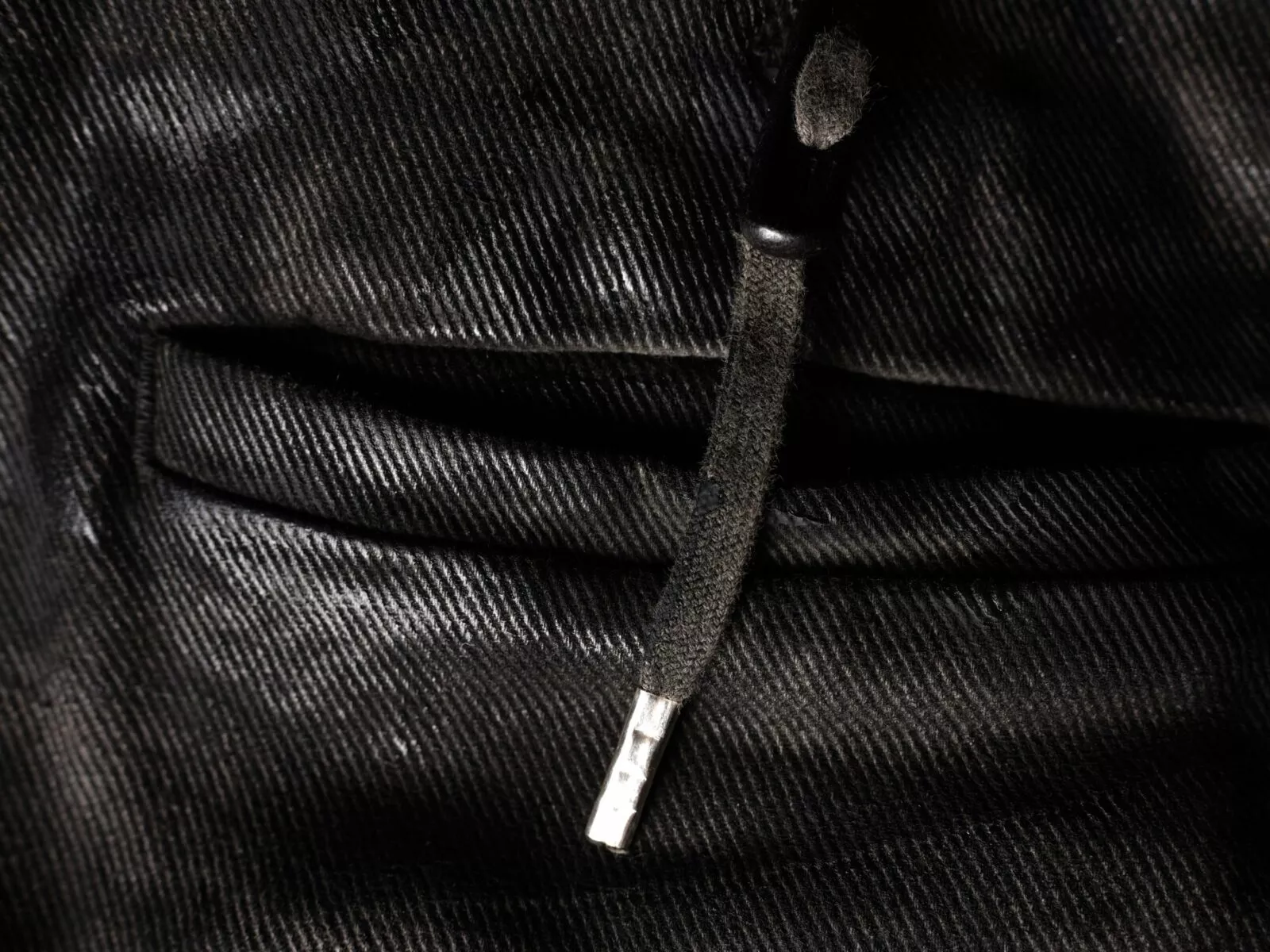
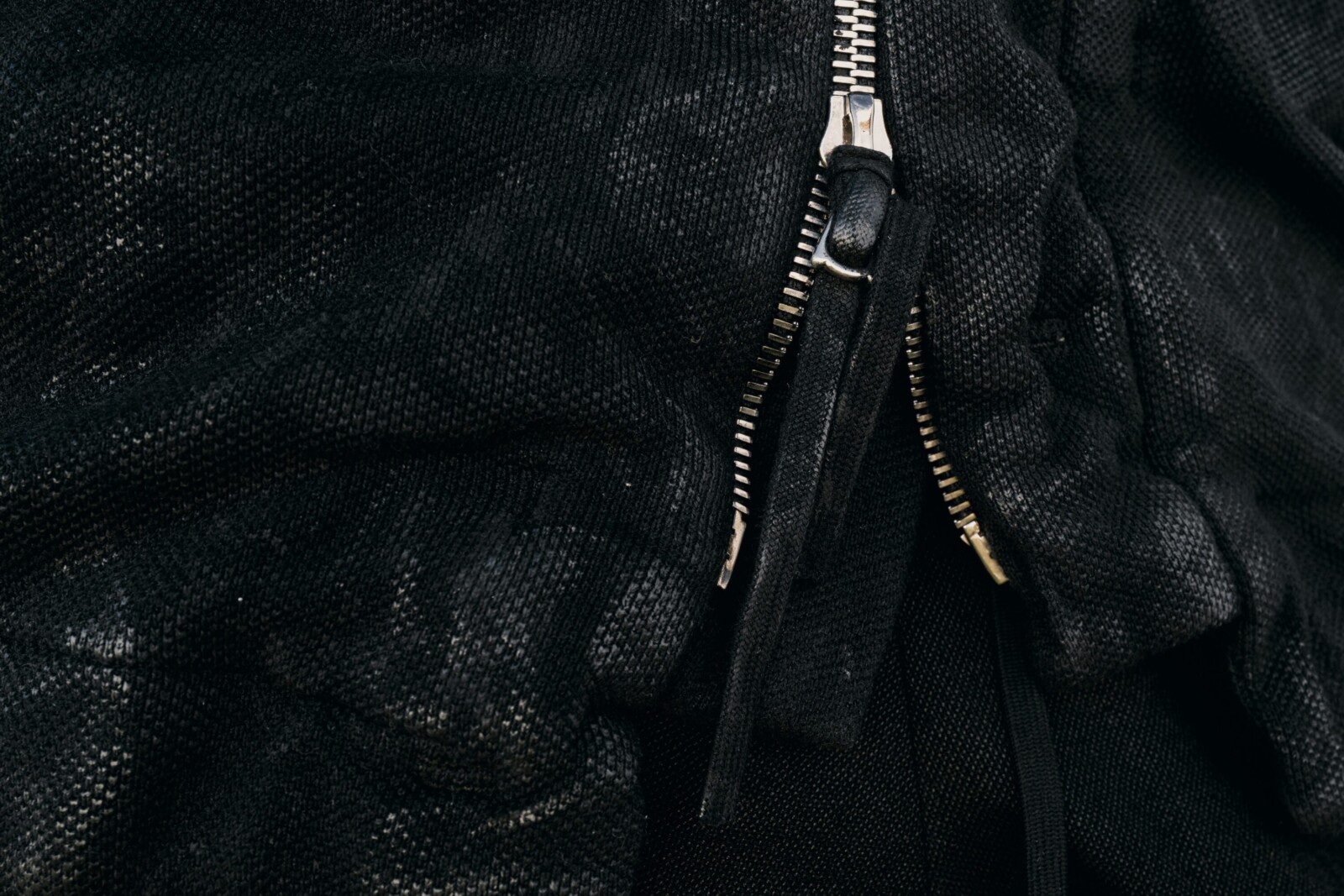
يعمل المصممون المعاصرون بعد الإنتاج التقليدي للنسيج بدلاً من قبول القماش كمنتج نهائي. يتم صبغ الملابس المكتملة، وغسلها، وتغليفها، وأكسدتها، وربطها، وفركها، أو ضغطها. قد يكون الجلد شفافًا، أو صلبًا، أو مشوهًا عمدًا. قد تحاكي الألياف التقنية الأغشية العضوية، بينما يمكن أن تكتسب الأقمشة المتواضعة الكثافة من خلال المعالجة المتكررة. تصبح العملية دليلًا مرئيًا بدلاً من كونها عيبًا يجب إخفاؤه.
3. الأنظمة المفككة
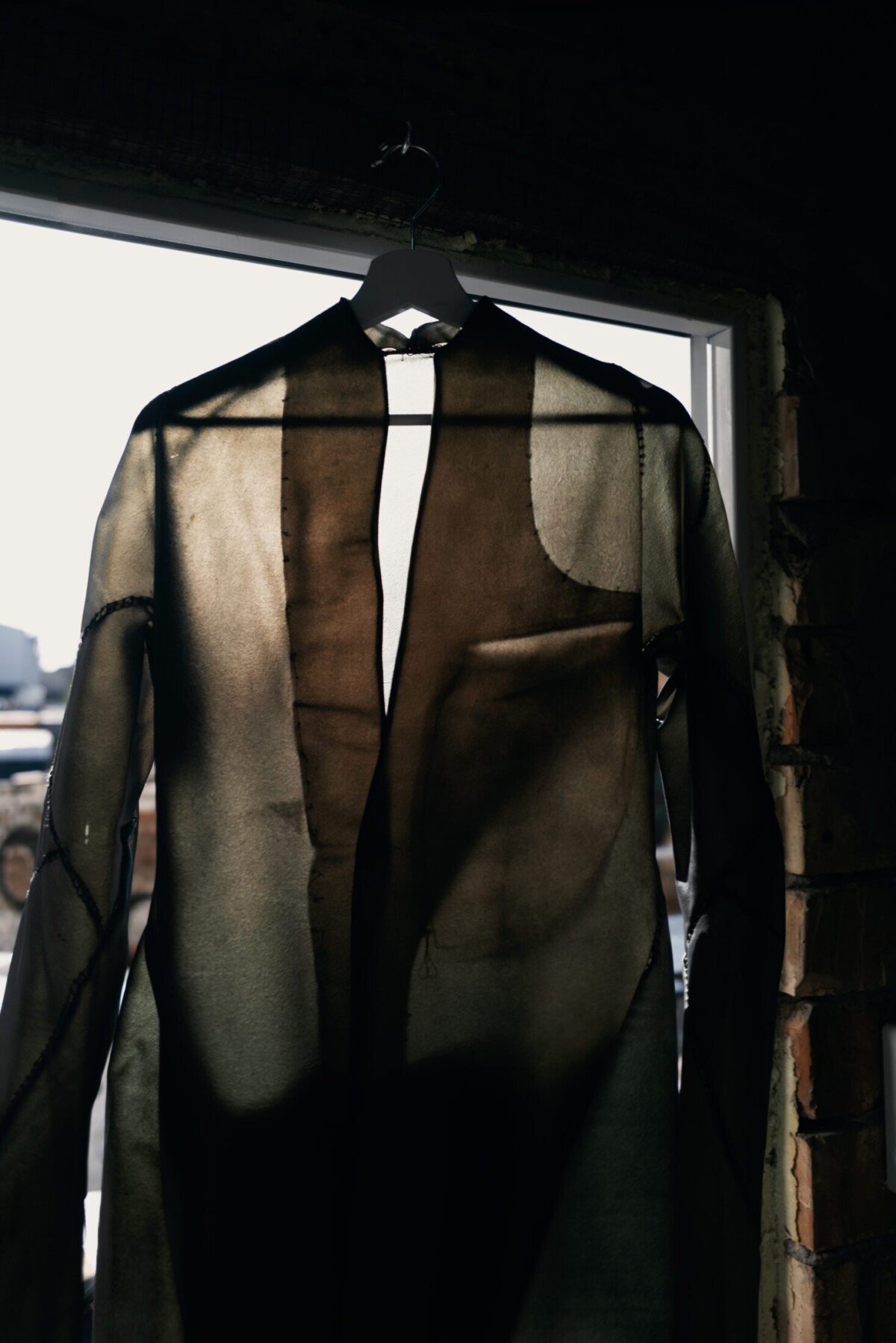
يظل التفكيك ذا صلة عندما يكشف عن افتراض: لماذا تنتمي الخياطة في مكان واحد، ولماذا يجب أن تغلق السترة من الأمام، ولماذا يشفر التفصيل وضعًا جنسيًا، أو لماذا تعادل الرفاهية الجدة بالقيمة. تعتبر الداخل المكشوف والحواف الخام مجرد مفردات. يكمن العمل الفكري في إظهار أن قطعة الملابس المألوفة هي تقليد مُنشأ، وبالتالي يمكن بناؤها بطريقة أخرى.
4. القابلية للتحويل والمشاركة
توزع الطبقات المودولارية، والأحجام القابلة للتعديل، والبناء القابل للعكس، والملابس التي يقطعها المرتدي سلطة التصميم. لا يزال نظام A-POC الخاص بميياكي وداي فوجيورا سابقة حاسمة: يصبح النسيج المنتج صناعيًا ملابس من خلال قرارات المستخدم، مما ينتج عنه القليل من نفايات القطع. تمد الأنظمة المودولارية الحالية هذه المنطق من خلال الأحجام القابلة للتكيف، والإصلاح، وأنماط متعددة من الارتداء.
5. منصة العرض كحجة
يمكن أن تعمل عرض الأزياء الحديثة كرقص، أو تركيب، أو فيلم، أو إيماءة مدنية. ليست قيمتها متناسبة مع العرض. تهم العرض عندما توضح عملية الاختيار، والفضاء، والصوت، والحركة أفكار الملابس - عندما يُطلب من الجمهور إعادة التفكير في القوة، والجمال، أو الهوية الجماعية بدلاً من مجرد توليد صور للتداول.
المصممون الذين يشكلون المجال الحديث
تظل دور الأزياء الطليعية الراسخة معاصرة لأن لغاتها تستمر في التغيير. Comme des Garçons لا تزال تعالج الفئة “الملابس” على أنها غير مستقرة. يوجي ياماموتو’تستمر خياطة "" في اختبار العلاقة بين القماش، والوقت، والأجساد المتحركة. استوديوهات ميياكي تطور الطيات والنسيج الهندسي كنظم حية بدلاً من توقيعات التراث.
ريك أوينز: الاستقلال على نطاق مهيب
ريك أوينز حوّل ممارسة تحت الأرض في لوس أنجلوس إلى دار أزياء عالمية ولكن مستقلة في باريس دون أن يخفف من تناقضاتها. يلتقي الترتيب المتقن بالجلد المغسول، ويقابل التعرض الجسدي الحجم الحامي، وتلتقي المراجع الكلاسيكية بثقافة النادي. تصف باليه غالييرا عمله من خلال التحول الهيكلي، والحركة، ومفردات المواد المتوسعة. مشاريع منصته مهمة بنفس القدر: الاختيار والأداء الجماعي يتساءلان مرارًا وتكرارًا عن أي الأجساد تسمح لها الموضة الراقية بالظهور بشكل قوي.
كارول كريستيان بويل والاستقلال المادي
Carol Christian Poell تشغل موقعًا أكثر انسحابًا. يخضع عمله الخياطة، والأحذية، والجلد للتحقيقات التشريحية والكيميائية: البناء المدور، والمفاصل المتحركة، وصبغ الأشياء، والأسطح المتصلبة، وأدلة الأصل البيولوجي. يمكن أن تشعر الملابس بأنها مقاومة للراحة والعرض العادي للبيع. هذه الصعوبة ذات مغزى لأنها تجعل الاحتواء، والحفظ، وحدود الجسم حاضرة ماديًا.
بوريس بيدجان سابيري والجسد ما بعد الصناعي
Boris Bidjan Saberi يربط المعالجة الحرفية بنظام تقني حضري. ينتج صبغ الملابس، والطبقات الكثيفة، والفتحات المقيدة، والأنماط المنحنية تشكيلة من الملابس المكتملة من خلال الحركة والارتداء. تكمن أهميته في حمل الكثافة المادية للتيار الإيطالي في التسعينيات إلى ملابس داكنة، وأحذية، وتعاون تقني في القرن الحادي والعشرين دون تقليلها إلى زينة متضررة.
ليون إيمانويل بلانك وعلم التشريح المشوه
ليون إيمانويل بلانك يقترب من بناء الملابس من خلال تشريح الجسم المتحرك. ترفض طرق قطع الأنماط المميزة لديه التناظر التقليدي وهندسة الملابس المألوفة، مما ينتج عنه خياطات لولبية، وأحجام مُزاحة، وأشكال تبدو وكأنها تلتف حول المرتدي. بدلاً من تزيين نمط تقليدي، يعدل بلانك هندسته الأساسية. النتيجة هي ملابس تجعل الحركة، والتوتر، وعدم تناظر الجسم مرئيًا، مما يضع قطع الأنماط نفسها كطريقة طليعية.
دي فوا وبناء التشريح
DEVOA تضع التشريح البشري في مركز بناء الملابس. تستجيب الأنماط، والخياطات، والأشكال المتحركة للعضلات، والمفاصل، والحركة بدلاً من التعامل مع الجسم ككتلة خياطة ثابتة. تتعايش الأقمشة التقنية مع المواد الطبيعية، بينما غالبًا ما تخلق البناء الدقيق توترًا بين الحماية والحركة. يظهر هذا النهج التشريحي كيف يمكن أن تنشأ الموضة الطليعية المعاصرة من دراسة ميكانيكا الجسم بدلاً من التحريض البصري وحده.
يوليوس وتطور الملابس الداكنة اليابانية
يوليوس طوّرت لغة معروفة جداً من الطبقات الأحادية، النسب الممتدة، الأسطح المتضررة وتفاعل الأشكال التشريحية الضيقة مع الحجم الواسع. ومع ذلك، فإن أهميتها تمتد إلى ما هو أبعد من الجمالية السوداء بالكامل. يتم ترجمة الإشارات العسكرية، والبيئات الصناعية، والموسيقى وصور الثقافة الفرعية بشكل متكرر إلى تجارب مع الشكل والمواد. من خلال ذلك، ساعدت JULIUS في تعريف فرع من الموضة الرجالية اليابانية الطليعية في القرن الواحد والعشرين حيث تعمل الملابس في آن واحد كحماية وتجريد وهوية.
تجربة المواد الهادئة لـ Viridi-Anne
The Viridi-Anne تشغل منطقة أكثر هدوءًا داخل الموضة اليابانية الطليعية. يجمع عملها بين بناء الأنماط غير التقليدي، والطبقات، والأقمشة المطورة بعناية مع الملابس التي تبقى مرتبطة ارتباطًا وثيقًا بالحركة اليومية. تخلق المعالجات، والأسطح غير المنتظمة، والألوان الهادئة تعقيدًا دون الحاجة إلى أشكال مسرحية. هذا التوازن بين التجريب وقابلية الارتداء يقدم نموذجًا آخر للطليعية المعاصرة: الراديكالية المعبر عنها من خلال البناء، والنسبة، وتفاصيل المواد بدلاً من العرض.
جونيا واتانابي والتحول الهندسي
Junya Watanabe يتعامل مع الملابس المألوفة كمشكلة بناء. ناشئ من Comme des Garçons، حيث بدأ كصانع أنماط، طور واتانابي ممارسة يتم فيها قطع الأنماط المعروفة، وتكثيرها وإعادة بنائها من خلال هندسة الأنماط المعقدة. تصبح الملابس العملية، والدينيم، والتفصيل، والملابس العسكرية والملابس الخارجية التقنية هياكل ابتدائية بدلاً من فئات ثابتة. لقد دفعت ملابس النساء الخاصة به مرارًا الأقمشة إلى أشكال نحتية وهندسية، بينما يستخدم جونيا واتانابي مان التعاون لتحويل الملابس والمنتجات الصناعية القائمة من الداخل. هذه القدرة على جعل العادي غير مألوف هي ما يضع واتانابي بين التجريب المفاهيمي لـ Comme des Garçons واللغة التقنية المتزايدة للموضة الرجالية المعاصرة.
ساكاي والملابس الهجينة
تقدم تشيتوسي آبي شكلًا مختلفًا من إعادة البناء من خلال الهجينة. بدلاً من التخلي عن الملابس المألوفة، تجمع آبي بين أنماطها: يمكن أن يصبح البومبر معطفًا طويلًا، ويمكن أن تندمج الملابس المحبوكة مع القمصان، ويمكن أن تقسم الأقمشة المتناقضة قطعة واحدة إلى هويات متعددة. يجعل بناء الأنماط هذه التركيبات هيكلية بدلاً من أن تكون مجرد طبقات أو أنماط معًا. تحول هذه الطريقة تقاليد خزانة الملابس اليومية إلى فئات غير مستقرة مع الحفاظ على وظيفتها وقابليتها للتعرف. في هذا السياق، تُظهر ساكاي كيف يمكن أن تنتقل منهجية الطليعية إلى الموضة المعاصرة القابلة للارتداء على نطاق واسع دون التخلي عن التجريب. sacai ميزون مارجيلا واللغة المستمرة لفك البناء.
تظل أساسية للموضة الطليعية الحديثة لأن الطرق التي وضعها مارتن مارجيلا تستمر في توفير مفردات للتساؤل حول كيفية اكتساب الملابس للقيمة والمعنى. يكشف فك البناء عن البطانة، والخياطة والهياكل غير المكتملة؛ يتم إعادة استخدام المواد الموجودة؛ يتم إزاحة الملابس المألوفة، وتكبيرها أو إعادة بنائها؛ تتحدى الهوية المجهولة عبادة المصمم؛ وتحول الممارسة الحرفية الأشياء والمواد المهملة من خلال عمل على مستوى الأزياء الراقية. تحت قيادة غلين مارتنز، يتم التعامل مع هذه الرموز كطرق عمل بدلاً من توقيعات أرشيفية ثابتة. تستمر إعادة الاستخدام، والتأثير البصري، والملابس ذات الجلد الثاني، وتجميع المواد والأشكال التاريخية المعدلة في التحقيق في الحدود بين الملابس والموضوع. وبالتالي، فإن أهمية مارجيلا المعاصرة تكمن ليس فقط في تأثيرها التاريخي الهائل، ولكن في إمكانية استخدام فك البناء لجعل المألوف غريبًا مرة أخرى.
Maison Margiela إيريس فان هيربن وصناعة التعاون.
تبني إيريس فان هيربن الأزياء الراقية من خلال التعاون مع المعماريين والعلماء والمهندسين والفنانين. تتعايش النمذجة الرقمية، والقطع بالليزر، والتصنيع الإضافي مع التجميع اليدوي الصبور. تؤكد مؤسسات مثل متحف المتروبوليتان للفنون وباليه دو توكيو على الطريقة التي تربط بها أعمالها التكنولوجيا بالشكل البيولوجي. إن إنجازها الأقوى ليس جعل الفساتين تبدو مستقبلية؛ بل هو استخدام عمليات غير مألوفة لتخيل علاقة أخرى بين الجسم والطبيعة والبنية.
هذه الأرقام لا تشكل دليلًا كاملًا. تمثل نماذج مختلفة من الممارسة: المنزل المستقل، والأتيليه المستقل ماديًا، والنظام ما بعد الصناعي والمختبر بين التخصصات. RAW Looks’.
قائمة مصممي الأزياء الطليعية الشاملة’ تظل الوجهة الأساسية لملفات تعريف المصممين الأفراد. غالبًا ما يتم وصف الموضة الطليعية الحديثة من خلال التكنولوجيا المرئية: الطباعة ثلاثية الأبعاد، والأسطح الاستجابة، والتصنيع الروبوتي أو الملابس التي تضيء وتتحرك. ومع ذلك، فإن أحدث آلة لا تنتج تلقائيًا أحدث فكرة. تصبح التكنولوجيا مهمة عندما تغير الهيكل، والتأليف، والإنتاج أو الاستخدام.
التكنولوجيا هي وسيلة، وليست جمالية
فستان.
Skeleton الذي تم تصنيعه باستخدام تقنية الليزر، على سبيل المثال، يمكن أن يُبنى كشكل صلب مستمر دون خياطة تقليدية. تكشف أبحاث الحفظ في المتروبوليتان عن الجانب الآخر من تلك الابتكار: يتقدم البولي أميد التجريبي بشكل مختلف عن الأقمشة المعروفة، مما يترك المتاحف لتطوير طرق جديدة لرعايته. يخلق الاختراق الفني مشكلة في الحفظ. تنتمي دورة حياة المادة الكاملة إلى التصميم. تُعقد الممارسة الحديثة أيضًا المعارضة بين الآلة واليد. تتطلب النماذج الحسابية الاختبار، والانتهاء والمعرفة المجسدة؛ تعتمد الملابس المصبوغة يدويًا على الكيمياء والإنتاج المنظم؛ يمكن إعادة تنظيم الطي التقليدي من خلال الهندسة الصناعية. التمييز المعني ليس الحرفة مقابل التكنولوجيا ولكن التقليد السلبي مقابل الاستفسار النشط.
الصور الرقمية والملابس المادية.
تُواجه الموضة الآن أولاً من خلال شاشة أكثر من القماش. يتم ضغط المجموعات إلى صور عرض أمامية، وقطع فيديو قصيرة وقوائم إعادة البيع. تعطي هذه الدورة المصممين المستقلين وصولاً عالميًا، لكنها تفضل التوقيعات القابلة للفهم على الفور. تبقى النسب المتطرفة والأسطح غير العادية في الخلاصة؛ غالبًا ما تختفي منطق الأنماط الدقيقة والذكاء اللمسي.
لذا فإن الفهم الجاد للموضة الطليعية الحديثة يعود إلى الموضوع. كيف يتم توزيع الوزن؟ ماذا يحدث عندما يجلس المستخدم، أو يمشي أو يربط الملابس؟ هل تحسن معالجة المواد مع تقدم العمر، أم أن التدهور مجرد تمثيل؟ تفصل الإجابات المادية أنظمة التصميم عن أنظمة الصور.
الجنس، والأجساد، وسياسة الشكل.
استخدمت الموضة الطليعية لفترة طويلة الأندروجينية، والاختباء، والتشويه لمقاومة التشريح المثالي. توسع الممارسة المعاصرة هذا الاستفسار من خلال خزائن الملابس غير الثنائية، والبناء القابل للتكيف، والتوزيع الأوسع والملابس التي يتغير معناها عبر الأجساد. يمكن أن تخفف الملابس الكبيرة من الطلب على عرض شكل جنسي تقليدي؛ يمكن استخدام التعرض كضعف، أو مواجهة، أو امتلاك للذات.
لكن التعدي البصري لا يضمن الإدماج الهيكلي. قد تحتفل منصة العرض بالاختلاف بينما تبقى الأحجام، والأسعار، وتوافر التجزئة ضيقة. يجب تقييم الطليعية الحديثة عبر النظام الكامل: من يتخيله النمط، من يمكنه شراء الملابس وصيانتها، من يؤدى العمل، ومن يُسمح له بالتأليف.
تتعارض المطالب التقليدية للطليعية من أجل التجديد المستمر الآن مع الحدود البيئية. قد تقلل المواد التجريبية من النفايات أو تتجنب المدخلات الحيوانية، لكنها قد تعتمد أيضًا على البوليمرات المشتقة من الوقود الأحفوري، والطاقة المكثفة أو العمليات التي لا يمكن إصلاحها. إن "الابتكار" غير مكتمل دون دليل حول المصادر، والتصنيع، والمتانة والتخلص.
الاستدامة ومشكلة التجديد المستمر
لذا فإن بعض القرارات الأكثر جذرية المعاصرة هادئة: الإنتاج ببطء، والحفاظ على مقياس مستقل، والتصميم للإصلاح، وإعادة استخدام الملابس الموجودة، والحفاظ على ورش العمل المتخصصة أو السماح لنظام نمط واحد بالتطور على مدى عدة مواسم. تقاوم هذه الممارسات متطلبات تقويم الموضة التي تتطلب أن تنتهي القيمة بسرعة.
تساهم الثقافة الأرشيفية في تناقض آخر. إن جمع مارجيلا القديمة، أو Comme des Garçons، أو هيلموت لانغ، أو كاربي دييم أو بويل يحافظ على معرفة البناء ويمتد بعمر الملابس. في الوقت نفسه، يمكن أن يتحول الانتباه عبر الإنترنت إلى عمل تاريخي محدد إلى سلعة تخيلية ويflattenه إلى توقيعات قابلة للبحث. تدرس الجمع المسؤول الأصل، والحالة والسياق بدلاً من التعامل مع العمر فقط كأهمية.
كيف تتعرف على الموضة الطليعية الحديثة ذات المعنى.
السعر، والندرة، والغموض البصري هي مقاييس غير موثوقة. تبدأ قراءة أكثر فائدة بخمس أسئلة:
ما هو التقليد الذي يتم التساؤل عنه؟
- يجب أن تكون الإجابة أكثر دقة من "ملابس عادية". هل يحمل البناء الفكرة؟“
- يجب أن تقوم الشكل، والخياطة، والمادة، والإغلاق بعمل مفهومي. ماذا يحدث على جسم متحرك؟.
- لا تكتمل الموضة كصورة ثابتة. هل العملية مسؤولة عن عواقبها؟.
- ينتمي العمل، والمتانة، وتأثير المادة إلى التقييم. هل يتطور العمل مع مرور الوقت؟.
- تعمق الممارسة المتماسكة أسئلتها بدلاً من تغيير الزي كل موسم. يمكن أن تتداخل الملابس الداكنة، والملابس التقنية، والأزياء المفاهيمية، والموضة الحرفية، والتفصيل التجريبي مع الطليعية، لكن لا شيء منها يتطابق تلقائيًا معها. تصف الملابس الداكنة مجالًا بصريًا وثقافيًا؛ غالبًا ما تعطي الملابس التقنية الأولوية للأداء والفائدة؛ تحدد الأزياء الراقية نظام إنتاج استثنائي مخصص. تصف الطليعية موقفًا نقديًا داخل تلك الأنظمة أو ضدها.
الأهمية المعاصرة.
تعتبر الموضة الطليعية الحديثة مهمة لأن الملابس اليومية ليست أبدًا محايدة. تنظم الملابس الجنس، والحركة، والعمل، والوضع وعلاقتنا بالمواد. تجعل الملابس التجريبية تلك الهياكل مرئية. غالبًا ما تسافر أفكارها إلى الخارج: تصبح عدم التماثل عاديًا، ويتوسع الحجم غير الثنائي، ويصبح الإصلاح مرغوبًا، وتدخل الأقمشة التقنية إلى خزائن الملابس اليومية وتكتسب الأجساد التي كانت غير مقبولة سابقًا وجودًا عامًا.
المهمة ليست التنبؤ بالشكل الغريب الذي سيصبح سائدًا. بل هي الحفاظ على الموضة كحقل قادر على طرح أسئلة صعبة وإجابات مادية حسية. اقرأ.
ما هي الموضة الطليعية؟ للحصول على التعريف الأساسي، لخط النسب الأطول، و, تاريخ الموضة الطليعية للحصول على نقاط التحول الزمنية الرئيسية. خط زمني كامل للموضة الطليعية متحف الفن الحديث - العناصر: هل الموضة حديثة؟.
المراجع والمزيد من القراءة
- متحف الفن الحديث - العناصر: هل الموضة حديثة؟
- متحف الفن الحديث — إعلان العناصر: هل الموضة حديثة؟
- جدول المحتويات
- متحف مو مو - متحف الموضة في أنتويرب - الستة من أنتويرب
- قصر غالييرا — ريك أوينز: معبد الحب
- المعرض الوطني للفنون في فيكتوريا — كارول كريستيان بول — سجل الفنان والمجموعة
- بوريس بيدجان سابيري — بوريس بيدجان سابيري
- متحف المتروبوليتان للفنون - (غير) الخالد في الموضة: فستان هيكل إيريس فان هيربن
- متحف أونتاريو الملكي — إيريس فان هيربن: تحويل الموضة
- قصر توكيو — إيريس فان هيربن
- متحف الفن الحديث - A-POC ملكة النسيج، 1997
- متحف الفنون الجميلة في بوسطن — #techstyle
- إيريس فان هيربن — داخل الأتيليه — بحار حسية