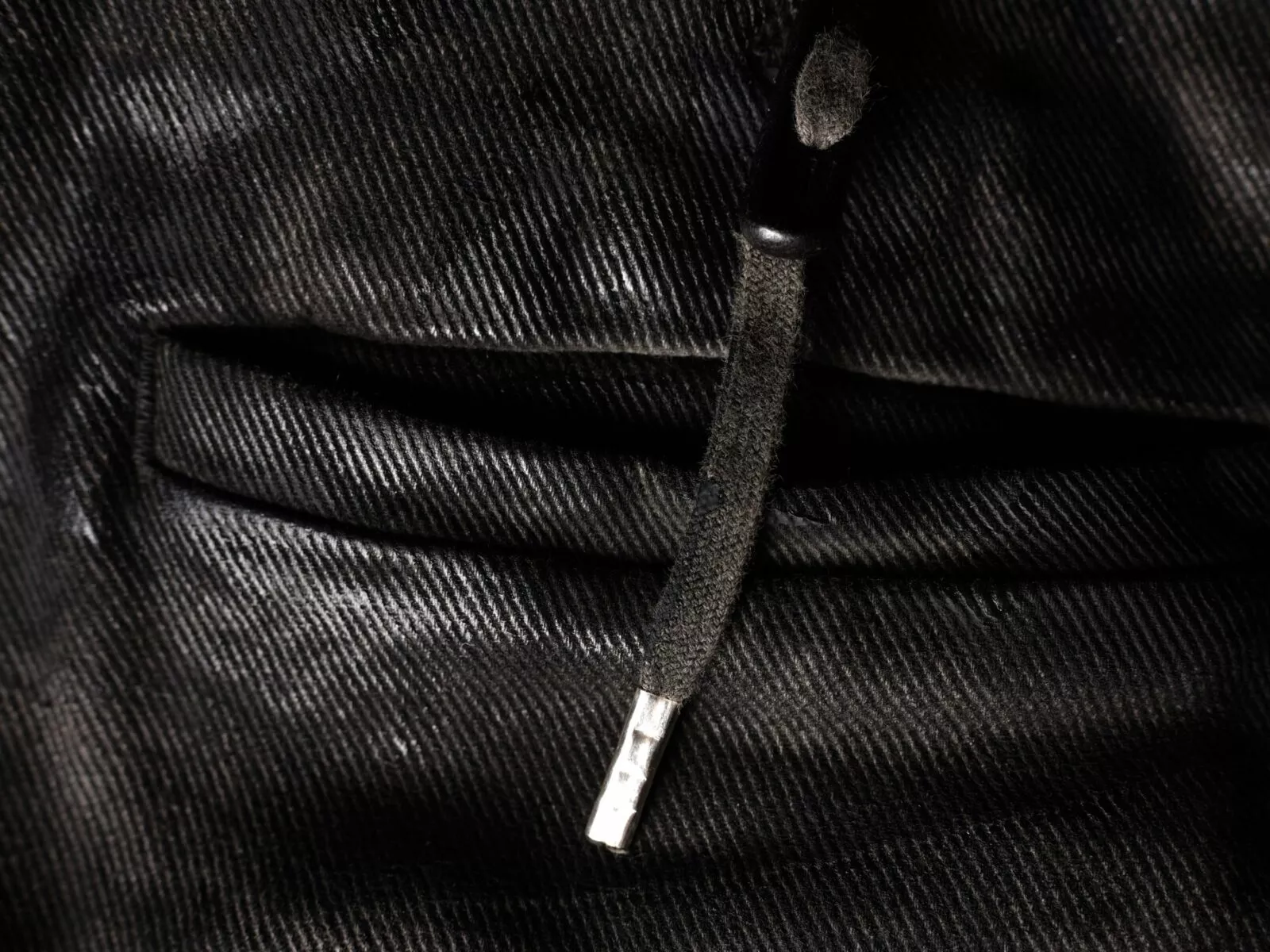
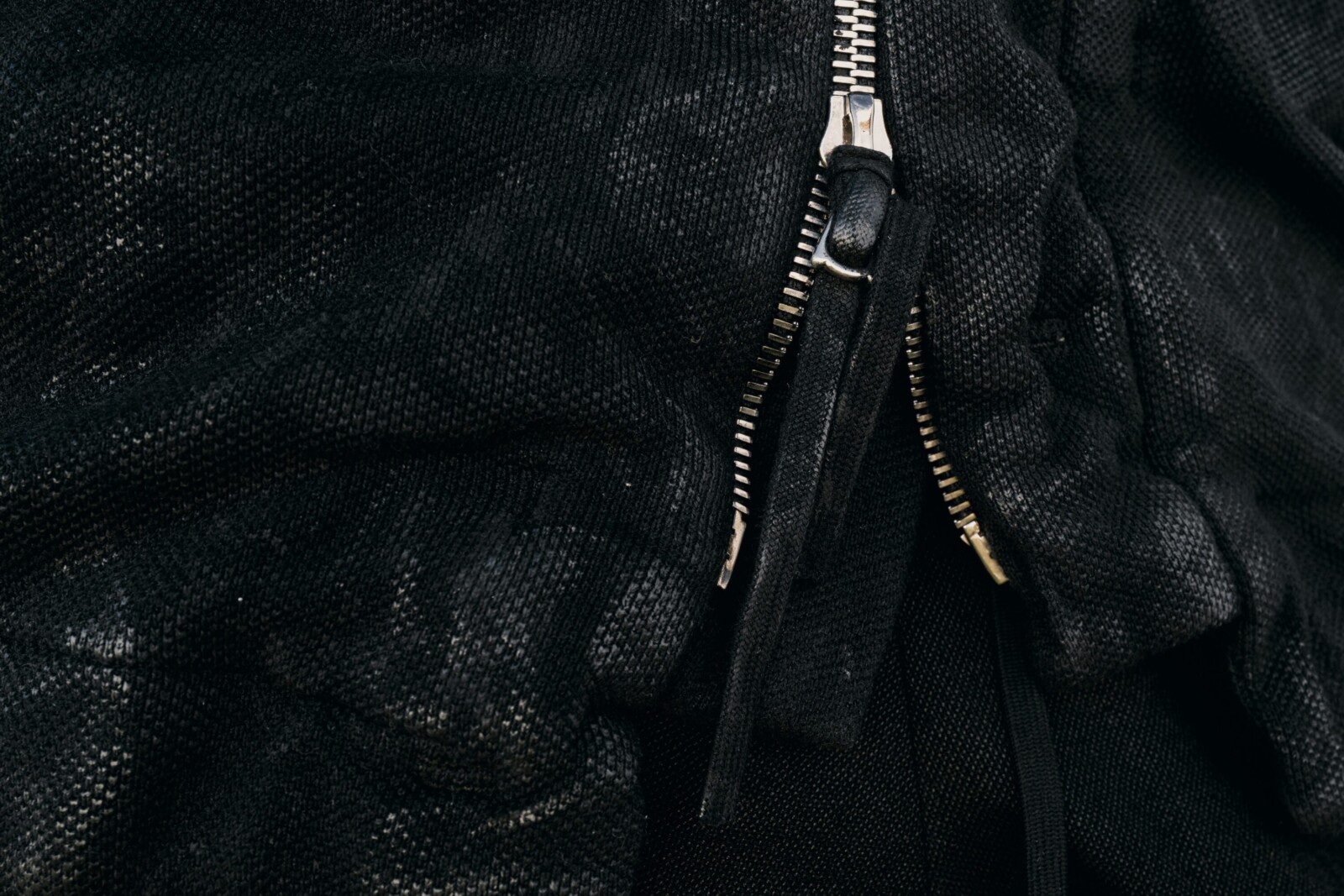
アバンギャルドファッション用語集
この前衛的なファッション用語集は、実験的な服に最もよく見られるムーブメント、構造方法、素材、そして美的概念を定義しています。. 用語は参照用に簡潔ですが、歴史的に特定されています:それは単に言葉が何を表すかを説明するだけでなく、ファッションの中でどのように使われ、しばしば誤用されるかを説明します。.
この用語集の使い方
前衛的なファッションの言語は、アートヒストリー、パターンカッティング、テキスタイル生産、サブカルチャー、そしてマーケティングの間を行き来します。同じ言葉が、ある文脈では定義された技術を特定し、別の文脈では緩やかな視覚的関連を示すことがあります。例えば、「ガーメントダイ」は色付けが行われる時を説明し、「ダークウェア」は現代的な美的領域を説明し、「デコンストラクション」は、その影響が構造に見える批判的アプローチを説明します。.
これらの定義を厳格なカテゴリーではなく出発点として使ってください。デザイナーはしばしばいくつかの用語を横断して作業し、孤立した詳細が全体の実践を定義するわけではありません。知識ベースが発展するにつれて、より長い歴史や技術ガイドのために内部リンクをたどってください。.
A
アンチファッション
季節ごとの新しさ、従来の美しさ、地位の表示、または規定された性別など、支配的なファッションの価値を拒否または混乱させる立場。アンチファッションは、デザイナーの実践、政治的な服装、またはサブカルチャーを通じて現れることがあります。そのサインが商業的に望まれるようになると、アンチファッションはファッションに吸収されることができる—元の抵抗が存在しなかった証拠ではなく、重要な矛盾です。.
建築的な服
体の周りの空間のボリューム、バランス、サポート、そして組織によってデザインされた服。単に大きいまたは幾何学的であることを意味するわけではありません。静かなバレンシアガのボリューム、吊るされたパネル、または正確に配置された空白は、構造が生地が空間を占める方法を制御するため、建築的であり得ます。.
アーティザナルファッション
小規模な制作、専門的な手作業、そして目に見える素材の変化を強調するファッション。前衛的な分野では、1990年代と2000年代のイタリアのオブジェクト染色、解剖学的パターンカッティング、そして処理されたレザーに強く関連しています。「アーティザナル」は、制作の方法や提示を説明するものであり、それ自体が倫理的な労働や独自性の証拠ではありません。.
非対称
体全体にわたる線、ボリューム、留め具、または詳細の不均等な分配。効果的な非対称は方向性と緊張を生み出します:対角線の留め具は胴体を再方向付けし、または重みのあるパネルは動きを変えます。構造的な結果なしのランダムな不規則性は、非対称デザインシステムではなく装飾です。.
B
バイアスカット
織物をその繊維に対して対角にカットすること、一般的には約45度で、そうすることでストレッチし、ドレープし、ストレートグレインの布とは異なる方法で体に沿います。マドレーヌ・ヴィオネは20世紀初頭にバイアスカットを卓越した厳密さで開発しました。現代のデザイナーは、流動性、ねじれ、そしてスパイラルに見える衣服のためにそれを使用します。.
ボディオブジェクト
着用可能な服、彫刻、そして身体の延長の間の不確定な位置を占める衣服または形。体を単に覆うだけでなく、その見かけの解剖学を変えたり、その周りに独立したオブジェクトを作成したりする作品に役立つ用語です。着用可能性は本質的、部分的、または意図的に未解決のままである可能性があります。.
ボディモールド
ボディモールドは、衣服や素材が人間の形の周りに直接形作られ、体の自然な輪郭を密接に追従、彫刻、または意図的に変えるファッションデザイン技術です。.
C
コンセプチュアルファッション
視覚的な外観と同じくらい重要な組織的なアイデアを持つファッション。コンセプトは、説明的なテキストだけでなく、素材、カット、プロセス、またはプレゼンテーションを通じて機能しなければなりません。例としては、移動、匿名性、再生、腐敗、または体と服の間の不安定性を中心にデザインされた衣服が含まれます。.
構成主義
ロシア革命の頃に現れた芸術運動で、芸術を建設、制作、共同生活に向けて再方向づけようとしたもの。バルヴァラ・ステパノワとリュボフ・ポポワは、幾何学的抽象をテキスタイル、演劇、衣服に適用した。ファッション史において、構成主義はドレスを私的な装飾ではなく機能的な組織として扱うことにおいて重要である。.
クチュール
特定のクライアントのために専門のアトリエ労働を通じて作られるカスタム衣服。. オートクチュール 法的に規制されたフランスの名称で、制度的要件がある。これは、どんな elaborate handmade garment の同義語として使用すべきではない。アバンギャルド・クチュールは、この特別な労働を利用して実験的な構造や素材を実現することができる。.
D
ダークウェア
ダークパレット、レイヤーまたは長いシルエット、素材処理、アーティザナルファッション、ポストパンク、工業文化、技術的な衣服からの影響を中心に構築された現代ファッションの分野。これは歴史的な学校ではなく、コミュニティと市場のカテゴリーである。すべての黒いアバンギャルドファッションがダークウェアであるわけではなく、すべてのダークウェアが概念的にアバンギャルドであるわけではない。.
脱構築
衣服が形と価値を獲得するための前提を露わにし、不安定にするアプローチ。裏地が外側になることもあり、縫い目が見えるまま、標準パターンが拡大され、以前の使用が新しさを置き換えることもある。この用語は特にマルタン・マルジェラと20世紀後半のベルギーのファッションに関連しているが、未完成の裾に還元されるべきではなく、哲学的な脱構築の単純な適用として扱われるべきではない。.
ディストレッシング
素材を故意に変化させて、摩耗、擦り切れ、色あせ、穴、ひび割れ、酸化を生み出すこと。技術には、サンディング、洗浄、化学処理、引き裂き、繰り返しの機械的作用が含まれる。ディストレッシングは時間と脆弱性を伝えることができるが、素材の知性なしに適用されると、年齢の一般的なシミュレーションになってしまう。.
ドレーピング
布を体やドレスフォームの上で直接操作して衣服の形を発展させること。平面のパターンからのみ始めるのではなく、ドレーピングは重力、バイアス、重さ、動きが三次元でどのように振る舞うかを明らかにする。流れるような衣服と非常に制御された建築的ボリュームの両方を生み出すことができる。.
E
実験的ファッション
未知の形、素材、技術、またはシステムをテストすることによって発展したファッション。実験的は歴史的な位置よりも方法をより正確に表す:プロジェクトは文化的主流に対抗することなく貴重な研究を生み出すことができ、アバンギャルドは確立された慣習に対するより批判的な関係を示唆する。.
露出した縫い目
衣服の外側に故意に配置された縫い目、または従来の仕上げによって隠されるのではなく、見えるままにされた縫い目。これは組み立てを明らかにし、 raised line を作り、ほつれを許可し、内側と外側の区別に挑戦することができる。その意味は、見え方だけでなく、衣服をどのように変えるかに依存する。.
F
未来主義
20世紀初頭のイタリアの運動で、スピード、機械、過去との断絶を称賛する。ジャコモ・バッラは、プログラムの一部として動的でカラフルで変形可能な衣服を提案した。未来主義の形式的実験は、その国民性、暴力の称賛、そして後のファシズムとの絡み合いと共に研究されるべきである。.
G
衣服染色
衣服がかなりまたは完全に組み立てられた後に色を付けること、事前に染色された布から縫うのではなく。糸、トリム、繊維は異なる染料を吸収することがあり、トーンの深さと柔らかい構造を生み出す。収縮と構成要素の互換性は、パターンとプロセスで予測されるべきである。.
ジェンダーレス衣服
従来のメンズウェアまたはウィメンズウェアのカテゴリーに割り当てられずに提示される衣服。この用語は意味のある自由を示すことができるが、名目上の普遍的なサイズやストレートシルエットはすべての体に合うわけではない。パターンの範囲、留め具、マーケティング、実際の入手可能性が、そのシステムが包括的であるかどうかを決定する。.
H
ハイブリッド構造
通常は別々に保たれるシステムを組み合わせた衣服、例えばテーラリングとスポーツウェア、ニットと成形、手縫いと加法製造、または見つけた衣服と新しいパターンピース。ハイブリッドは、方法が互いに変化させるときに最も強力であり、表面的なコラージュとして一緒に座るのではない。.
I
不完全さ
物体の価値の一部として受け入れられたり設計された不規則性:不均一な染料の吸収、目に見える修理、不安定なエッジ、または手によって生み出された変化。不完全さは、素材と構造の中で理解されるため、悪い実行とは異なる。プロセス、使用、時間を記録するかもしれないが、それらを隠すことはない。.
J
日本のアバンギャルド
最も頻繁にイッセイ・ミヤケ、レイ・カワクボ、ヨウジ・ヤマモトの国際的な影響を指す広い歴史的ラベルで、特にカワクボとヤマモトの1981年のパリでの発表の後。彼らの実践は異なる:テキスタイルシステム、抽象形、保護的テーラリングは、一つの国の美学に還元することはできない。この用語は、それらの違いを保持し、日本文化を本質的に神秘的なものとして提示することを避けるときにのみ有用である。.
L
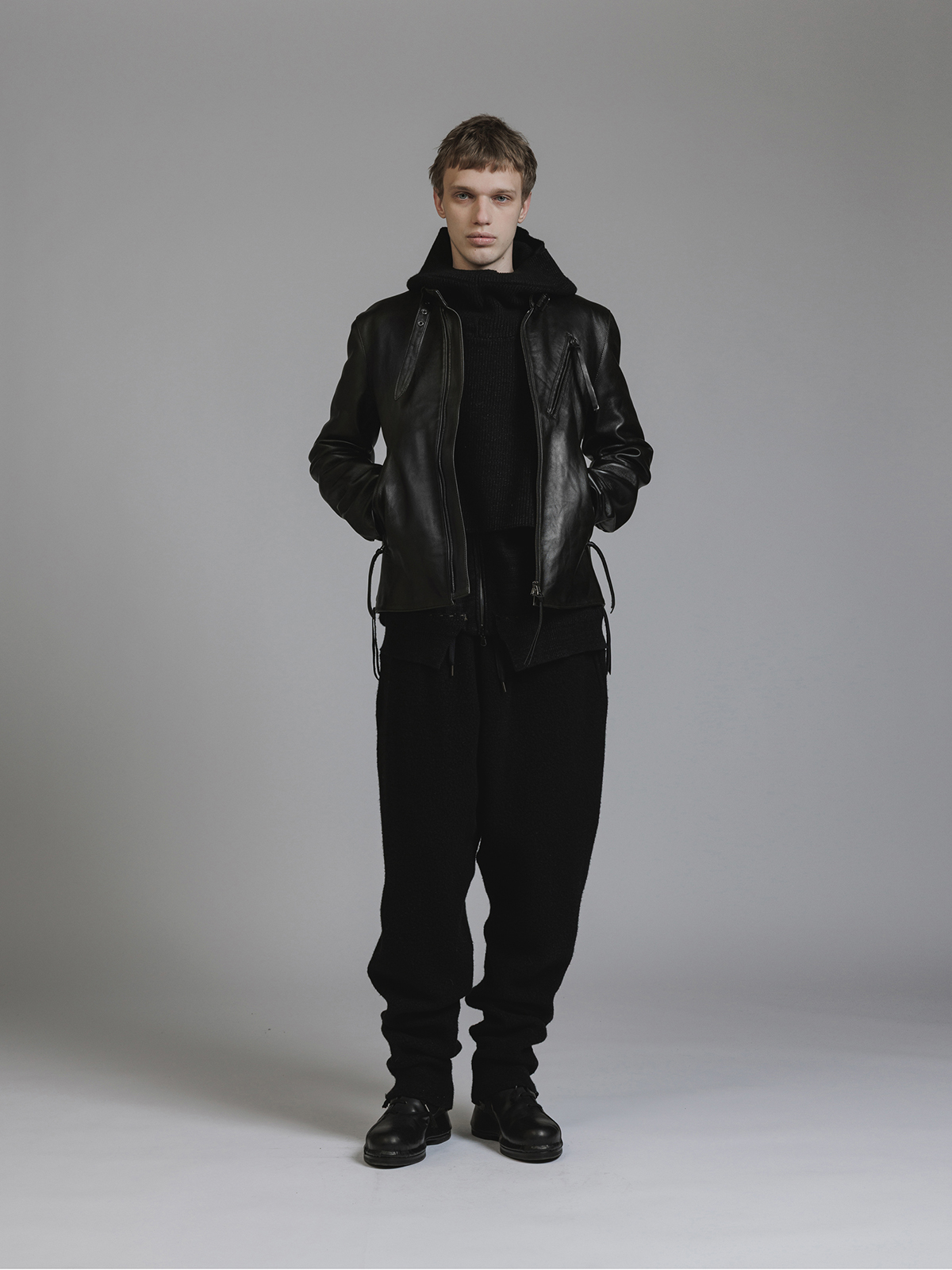
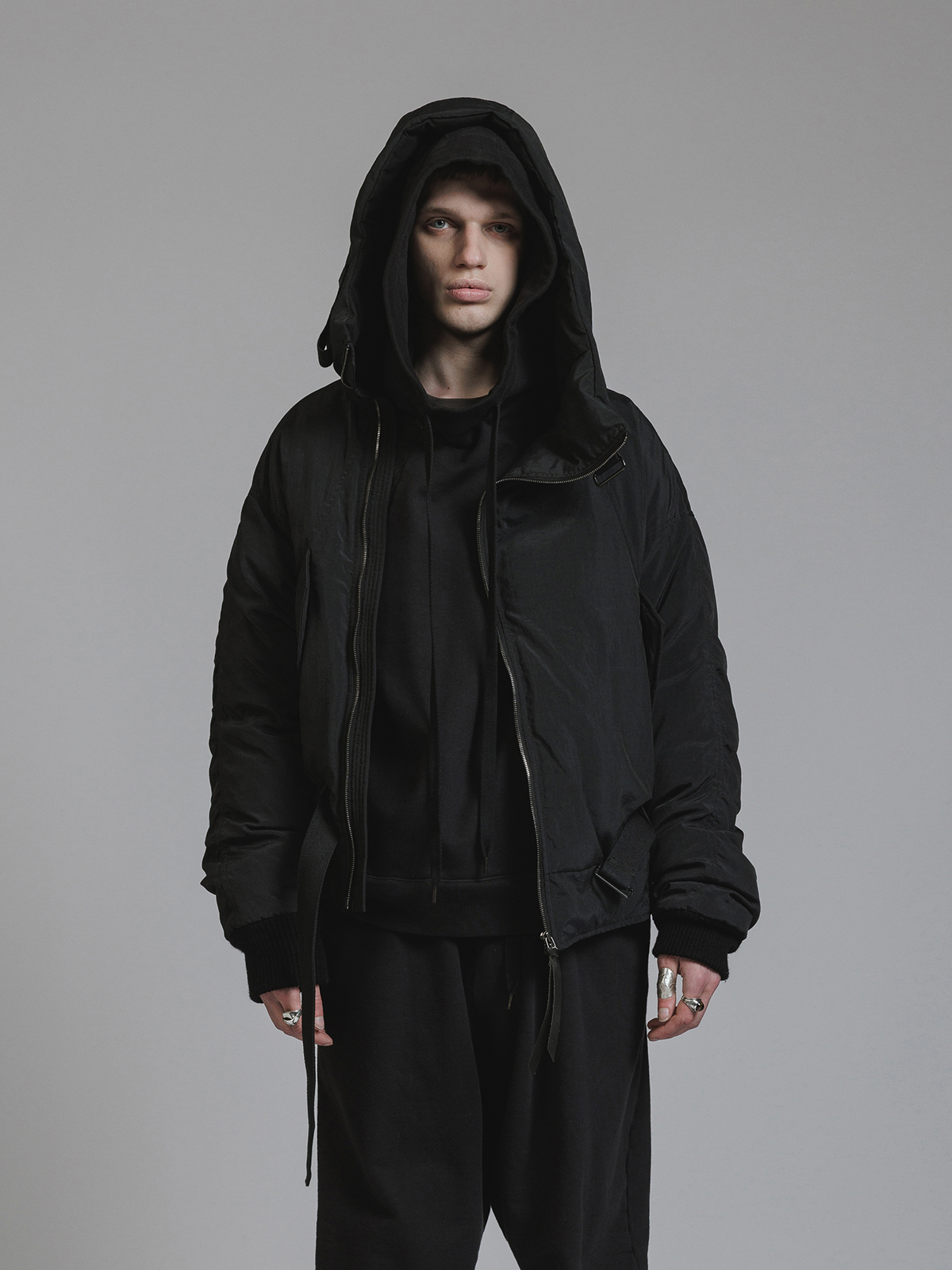
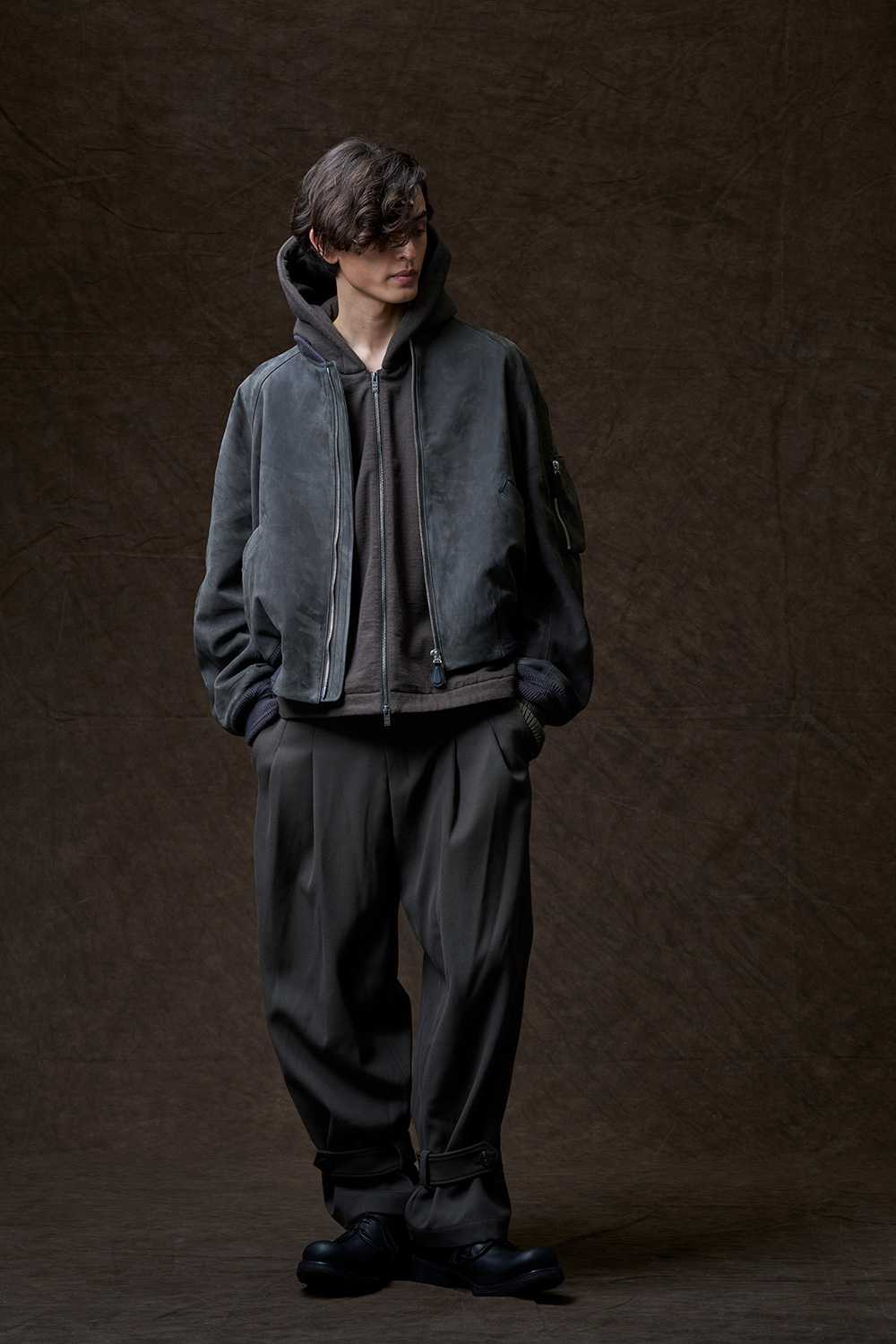
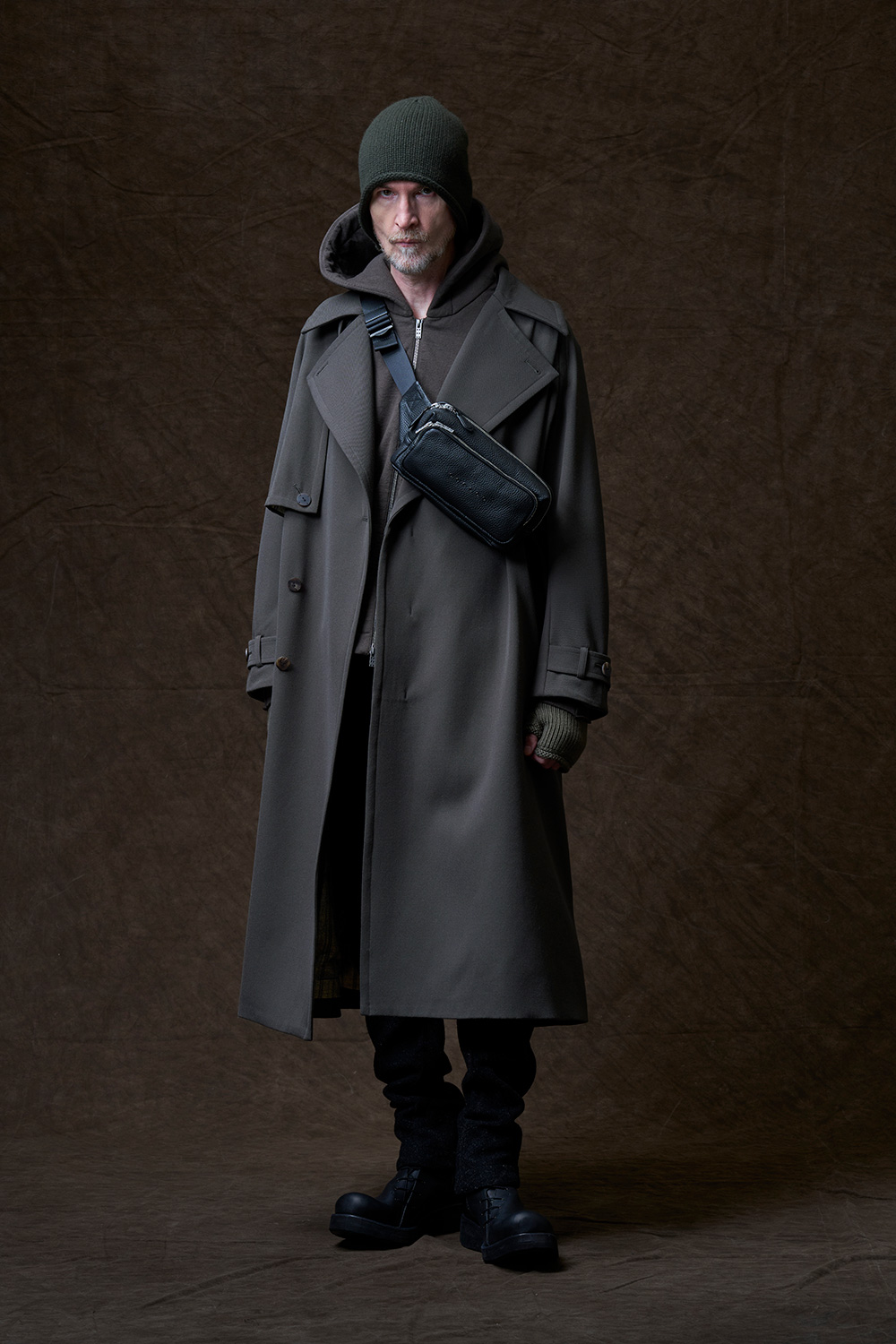
レイヤリング
複数の衣服を整理して、それらの長さ、透明度、開口部、ボリュームが一つの構造を作るようにすること。レイヤリングは気候と動きを調整しながら、体の輪郭を複雑にすることができる。効果的なレイヤーは見えるか、素材的にシルエットに影響を与える;不要なレイヤーは単にボリュームを加えるだけである。例として The Viridi-Anne AW26 Collection と DEVOA AW26 Lookbook:
M
モノクローム
一つの色または狭いトーンのファミリーを中心に整理されたアウトフィットまたはコレクション。モノクロームはシルエットとテクスチャーに注意を向けさせる。黒い衣服では、マットウール、反射的なレザー、半透明のメッシュの違いが、いくつかの無関係な色よりも大きな深さを生み出すことができる。.
モジュラー衣服
部品から構築され、取り外し、再配置、または再結合できる衣服。モジュラリティは長さ、ボリューム、機能、気候反応を変えることができ、衣服の有用な寿命を延ばすことができる。装飾的なジッパーだけではシステムをモジュラーにすることはできない;変換は使用可能で構造的に解決されるべきである。.
O
オブジェクト染色
完成したオブジェクト(布、縫い目、ハードウェア、時にはレザーを含む)を一つの素材イベントとして扱う、構築後の染色の一形態。この用語は実験的なアーティザナルプラクティスに密接に関連している。普通のピース染色とは異なり、このプロセスは意図的に異なる構成要素間で複雑な反応を生み出すことがある。.
オーバーサイズシルエット
従来の体の測定を超えた substantial space で設計されたシルエット。真のオーバーサイズ構造は単に大きな標準サイズではない:アームホール、肩、バランスポイント、布の重さは再計算され、ボリュームが意図的にぶら下がる。これは体を保護したり、隠したり、記念碑的にしたり、規定された輪郭から解放することができる。.
P
パティーナ
年齢、取り扱い、光、酸化、摩耗を通じて生じる表面の変化。革や金属では、パティーナは色を深め、使用を明らかにすることができる;不安定なコーティングでは、劣化を示すことがある。デザイナーはパティーナを予測できるが、本物の摩耗は印刷された模倣ではなく、物体の素材的な生活を通じて発展する。.
ポスト産業美学
工場、インフラ、都市の衰退、保護的作業着、技術システムによって形成された視覚的および素材的な言語。これは重工業の変革または消失の後に生じる。ファッションでは、 muted surfaces、ハードウェア、機能的な形を含むことがある。これは、“industrial” を一般的なタフさとして使用するのではなく、生活環境に取り組むときに意味を持つ。.
義肢シルエット
体の一部を延長、サポート、制限、または置き換えるように見える衣服。パディング、剛性シェル、関節のあるレザー、外部フレームワークは義肢の関係を作り出すことができる。この用語は注意を要する:障害と医療機器は物質的な現実であり、単なる未来的な視覚的参照ではない。.
パンク
1970年代中頃に登場した音楽主導のサブカルチャーで、服装は引き裂き、安全ピン、ボンデージの参照、再利用、社会やファッションの慣習に対する対抗的なグラフィックを使用していた。パンクスタイルは、着る人たちとデザイナーによって作られた。その商業的再生産は、拒否がどれほど早く商品化されるかを示している。.
R
生地の端
意図的に従来の裾や封入仕上げなしに残された切りっぱなしの生地の端。生地の構造を露出させたり、ボリュームを減らしたり、制御されたほつれを許可したりすることができる。その安定性は繊維と織り方に依存し、効果的な未仕上げの端は依然として技術的な決定である。.
S
裂き織り
裂き織りは、使い古したり捨てられた布を細い strips に裂いて新しい布に織り込む、日本の伝統的な織り技術です。歴史的に、この技術は貴重な繊維の有効寿命を延ばしました。.
傷跡ステッチ
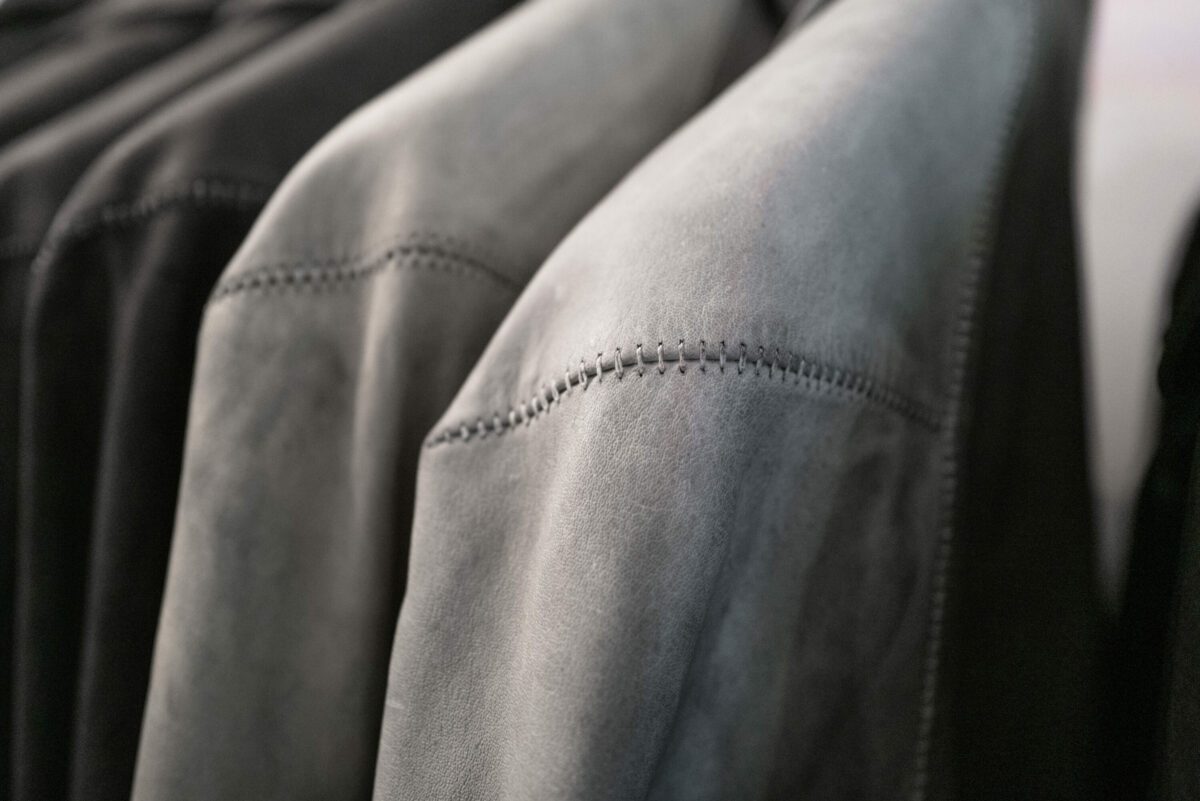
修理、縫合、または素材に横たわる傷を想起させる、目に見える、しばしば不規則なステッチ。パネルを結合したり、脆弱な部分を強化したり、表現的なままにしておくことができる。この用語は小売用語で緩やかに使用されているため、外観から推測するのではなく、構造を検討する必要がある。.
シルエット
服を着た体によって作られる全体の輪郭。シルエットは、比率、ボリューム、生地の挙動、接触点によって決まる。詳細を調べる前に、アバンギャルドなデザインの議論を特定する最も明確な方法であることが多い。.
シュルレアリスム
夢、欲望、偶然、非合理を探求する運動。エルザ・シャピレリは、その方法をトロンプ・ルイユ、移動したオブジェ、サルバドール・ダリやジャン・コクトーを含むアーティストとのコラボレーションを通じてクチュールに翻訳した。シュルレアリストファッションは、馴染みのある衣服を心理的または身体的に奇妙にする。.
サステナブルファッション
材料、労働、製造、輸送、使用、廃棄にわたるファッションの環境的および社会的害を減らそうとする試みのための包括的な用語。単一の繊維や技術が衣服をサステナブルにするわけではない。長寿命、修理、生産量、労働条件、検証可能なライフサイクル証拠を一緒に考慮する必要がある。.
T
テックウェア
技術的パフォーマンス、機動性、天候保護、運搬システムを中心に組織された衣服で、しばしば先進的なテキスタイルや人間工学的なパターンを使用している。テックウェアは、シルエットや実験を通じてアバンギャルドファッションと交差することができるが、機能的な衣服は本質的にアバンギャルドではなく、黒い戦術的スタイリングが必ずしも機能的であるわけではない。.
テキスタイル革新
繊維、構造、仕上げ、製造システムの開発または非従来の使用。革新は新しいポリマーやデジタルプロセスを含む場合もあるが、見落とされがちな自然繊維を回復したり、確立された織りやプリーツの知識を再編成したりすることもできる。新しさは耐久性や影響とともに評価されるべきである。.
変形可能な衣服
折りたたみ、留め具、膨張、機械的動き、または再構成を通じて形や機能を変えるように設計された衣服。フセイン・シャラヤンの作品は称賛される概念的な例を提供している; モジュラーな日常の衣服は、同じ原則をより静かに使用している。変形は意味や使用を追加するべきであり、単なるデモンストレーションとして存在すべきではない。.
U
アップサイクリング
既存の材料や製品から新しい衣服やオブジェクトを作成し、その有用性や価値を保持または増加させること。ファッションにおいて、アップサイクリングは以前の構造の痕跡を保存し、純粋な新しさに疑問を投げかけることができる。リサイクルとは異なり、リサイクルは一般的に材料を別の製造サイクルのための原料に分解する。.
W
侘び寂び
日本の美学と哲学の伝統で、簡単に言えば、無常、不完全、控えめな物質的美に関するものである。ファッションの文章では、しばしば「侘び寂び」が傷んだり不規則なものに対してあまりにもカジュアルに使用される。その適用は、複雑な伝統を表面的な処理に変換するのではなく、文化的文脈を認識するべきである。.
ウェアラブルアート
衣服と自律的な芸術的実践の間に位置する身体関連の作品。それはユニークであったり、パフォーマンスベースであったり、物質的に実験的であるかもしれない。視覚的に劇的な衣服がすべてウェアラブルアートであるわけではなく、すべてのウェアラブルアートがファッションシステム内で機能することを意図しているわけではない。.
Z
ゼロウェイストデザイン
切断廃棄物を排除または大幅に削減することを目的としたデザインアプローチ。方法には、パターンピースを配置して完全な生地幅を消費させる、形に直接編む、衣服の輪郭を連続した布に織り込む、または製品内でオフカットを使用することが含まれる。ゼロウェイストカッティングは、影響の一段階に対処し、衣服の全ライフサイクルには対処しない。.
詳しく見るための語彙
正確な用語の目的は、趣味を監視することではない。より注意深く見ること:生地の端を不注意な損傷から区別し、オブジェクト染色を印刷効果から区別し、建築的な構造を単純なボリュームから区別すること。そうした精度は、これらの言葉が生まれたデザイナー、製作者、文化運動を尊重する。.
基本的な定義については、読んでください。 アバンギャルドファッションとは何か?. 続けて アバンギャルドファッションスタイル:特徴と例, アバンギャルドファッションの歴史 そして実用的なガイドを アバンギャルドな服の着こなし方. 個々のデザイナープロフィールは、RAW Looksの中で整理され続ける ブランドディレクトリ.
参考文献とさらなる読み物
- メトロポリタン美術館 — レイ・カワクボ/コム・デ・ギャルソン:アート・オブ・ザ・イン・ビトウィーン
- ヴィクトリア&アルバート博物館 — ヨウジ・ヤマモト:黒の詩人
- 近代美術館 — A-POCクイーンテキスタイル、1997
- 近代美術館 — 革命:ロシアアバンギャルド、1912–1930
- メトロポリタン美術館 — エルザ・シャピレリ(1890–1973)
- ヴィクトリア&アルバート博物館 — ヴィヴィアン・ウエストウッド:パンク、ニュー・ロマンティック、そしてそれ以降
- モムファッションミュージアムアントワープ — マルタン・マルジェラ — コレクションストーリー
- ヴィクトリア&アルバート博物館 — マドレーヌ・ヴィオネ — はじめに
- デザインミュージアム — フセイン・シャラヤン
- 近代美術館 — アイテム:ファッションは現代的か?