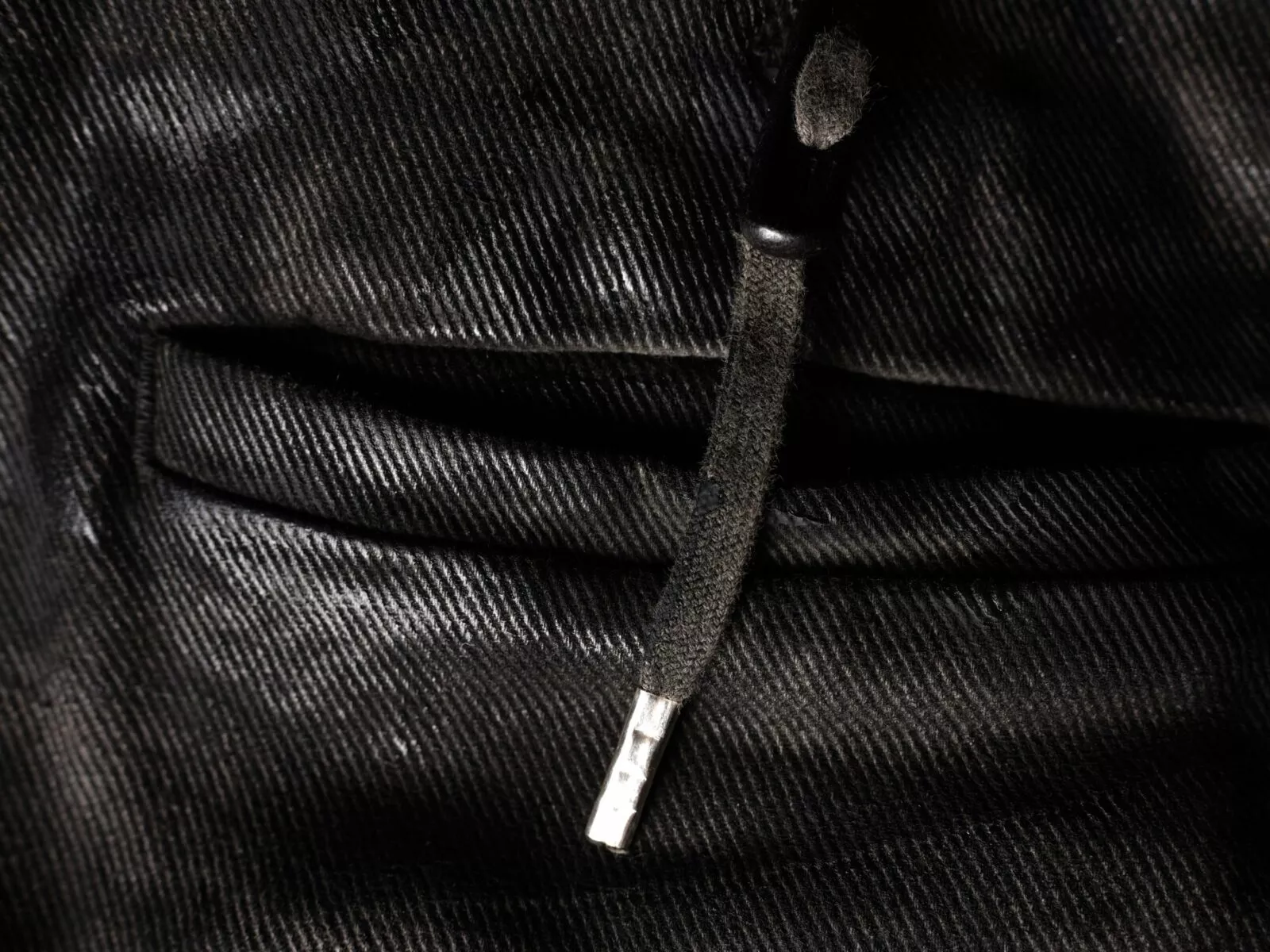
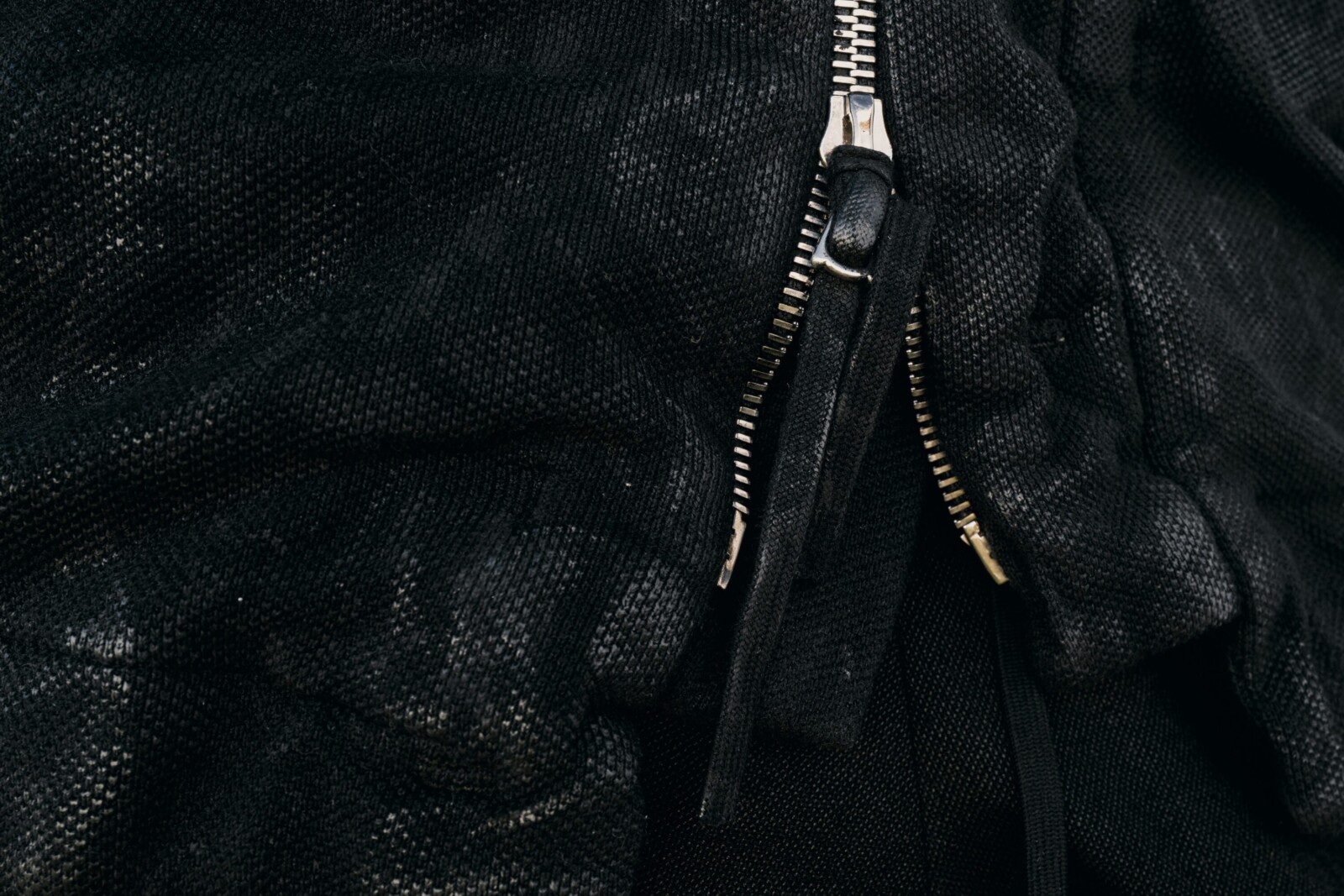
قاموس موضة الطليعة
هذا المعجم للأزياء الطليعية يحدد الحركات وطرق البناء والمواد والمفاهيم الجمالية التي غالبًا ما تُواجه في الملابس التجريبية. المصطلحات مختصرة بما يكفي للرجوع إليها لكنها محددة تاريخيًا: تشرح ليس فقط ما يصفه الكلمة، بل كيف يتم استخدامها - وغالبًا ما تُساء استخدامها - في عالم الأزياء.
كيف تستخدم هذا المعجم
لغة الأزياء الطليعية تتحرك بين تاريخ الفن، وقص الأقمشة، وإنتاج الأقمشة، والثقافة الفرعية، والتسويق. قد تحدد نفس الكلمة تقنية محددة في سياق واحد وارتباط بصري فضفاض في آخر. على سبيل المثال، “صبغ الملابس” يصف متى يحدث التلوين؛ “الأزياء الداكنة” تصف مجال جمالي معاصر؛ “تفكيك” يصف نهجًا نقديًا قد تكون آثاره مرئية في البناء.
استخدم هذه التعريفات كنقاط انطلاق بدلاً من فئات صارمة. غالبًا ما يعمل المصممون عبر عدة مصطلحات، وتفصيل معزول لا يحدد ممارسة كاملة. اتبع الروابط الداخلية لتاريخ أطول وأدلة تقنية مع تطور قاعدة المعرفة.
A
مناهضة الأزياء
موقف يرفض أو يعطل القيم السائدة في عالم الأزياء، مثل التجديد الموسمي، والجمال التقليدي، وعرض الحالة الاجتماعية أو الجنس المحدد. قد تظهر مناهضة الأزياء من خلال ممارسة المصممين، أو الملابس السياسية، أو الثقافة الفرعية. بمجرد أن تصبح علاماتها مرغوبة تجاريًا، يمكن أن تُمتص مناهضة الأزياء في عالم الأزياء - وهو تناقض مهم بدلاً من دليل على أن المقاومة الأصلية لم تكن موجودة أبدًا.
ملابس معمارية
ملابس مصممة من خلال الحجم، والتوازن، والدعم، وتنظيم المساحة حول الجسم. المصطلح لا يعني ببساطة كبير أو هندسي. حجم هادئ من بالينسياغا، أو لوحة معلقة، أو فراغ موضوعة بدقة يمكن أن تكون معمارية لأن البناء يتحكم في كيفية احتلال القماش للمساحة.
أزياء حرفية
أزياء تركز على التصنيع على نطاق صغير، والعمليات اليدوية المتخصصة، والتحول المادي المرئي. ضمن المجال الطليعي، يرتبط بشدة بممارسات إيطالية من التسعينيات والألفينيات تتعلق بصبغ الأجسام، وقص الأنماط التشريحية، والجلود المعالجة. “حرفية” تصف طريقة أو تقديم لصنع؛ ليست بحد ذاتها دليلًا على العمل الأخلاقي أو التفرد.
عدم التماثل
توزيع غير متساوٍ للخط، والحجم، والإغلاق أو التفاصيل عبر الجسم. عدم التماثل الفعال ينتج اتجاهًا وتوترًا: إغلاق مائل يعيد توجيه الجذع، أو لوحة مثقلة تغير الحركة. عدم الانتظام العشوائي بدون عواقب هيكلية هو زخرفة بدلاً من نظام تصميم غير متماثل.
B
قص مائل
قص القماش المنسوج بزاوية مائلة عبر حبيباته، عادةً بحوالي 45 درجة، بحيث يمتد، ويتدلى، ويتبع الجسم بشكل مختلف عن القماش المستقيم. طورت مادلين فيونيت القص المائل بدقة استثنائية خلال أوائل القرن العشرين. يستخدمه المصممون المعاصرون للسيولة، والالتواء، والملابس التي تبدو وكأنها تدور.
جسم-كائن
قطعة ملابس أو شكل يحتل موقعًا غير مؤكد بين الملابس القابلة للارتداء، والنحت، والامتداد الجسدي. المصطلح مفيد للعمل الذي لا يغطي الجسم فحسب، بل يغير تشريحه الظاهر أو ينشئ كائنًا مستقلًا حوله. قد تظل القابلية للارتداء أساسية أو جزئية أو غير محلولة عمدًا.
تشكيل الجسم
تشكيل الجسم هو تقنية تصميم أزياء يتم فيها تشكيل الملابس أو المواد مباشرة حول الشكل البشري، متبعةً عن كثب، أو نحتًا، أو تغييرًا متعمدًا لملامح الجسم الطبيعية.
C
أزياء مفاهيمية
أزياء يكون فيها الفكرة المنظمة بنفس أهمية المظهر البصري. يجب أن تعمل الفكرة من خلال المادة، والقص، والعملية أو العرض - ليس فقط من خلال النص التفسيري. تشمل الأمثلة الملابس المصممة حول الهجرة، والسرية، والتكاثر، والتدهور أو عدم الاستقرار بين الجسم والملابس.
البنائية
حركة فنية ظهرت حول الثورة الروسية وسعت لإعادة توجيه الفن نحو البناء والإنتاج والحياة الجماعية. طبقت فارفارا ستيفانوفا وليوبوف بوبوفا التجريد الهندسي على الأقمشة والمسرح والملابس. في تاريخ الموضة، تعتبر البنائية مهمة لأنها تعالج الملابس كتنظيم وظيفي بدلاً من تزيين خاص.
الأزياء الراقية
ملابس مصممة خصيصًا من خلال عمل متخصص في ورش العمل لعميل فردي. الأزياء الراقية هي أيضًا تسمية فرنسية منظمة قانونيًا مع متطلبات مؤسسية؛ لا ينبغي استخدامها كمرادف لأي قطعة ملابس مصنوعة يدويًا بشكل معقد. يمكن أن تستخدم الأزياء الراقية هذا العمل الاستثنائي لتحقيق هياكل ومواد تجريبية.
D
الملابس الداكنة
مجال موضة معاصر مبني حول لوحات داكنة، أشكال طبقية أو مطولة، معالجة المواد وتأثيرات من الموضة الحرفية، البوست-بانك، الثقافة الصناعية والملابس التقنية. إنها فئة مجتمعية وسوقية بدلاً من أن تكون مدرسة تاريخية واحدة. ليس كل الأزياء الراقية السوداء هي ملابس داكنة، وليس كل الملابس الداكنة هي تجريبية بالضرورة.
تفكيك
نهج يكشف ويزعزع الافتراضات التي من خلالها تكتسب الملابس شكلها وقيمتها. قد تصبح البطانة خارجية، وتبقى الخياطة مرئية، وتكبر الأنماط القياسية، ويحل الاستخدام السابق محل الجدة البكر. يرتبط المصطلح بشكل خاص بمارتن مارجيلا وموضة بلجيكا في أواخر القرن العشرين، لكنه لا ينبغي أن يُختصر إلى حواف غير مكتملة أو يُعامل كتطبيق بسيط للتفكيك الفلسفي.
تآكل
تغيير مادي عمدًا لإنشاء تآكل، احتكاك، تلاشي، ثقوب، تشققات أو أكسدة. تشمل التقنيات الصنفرة، الغسيل، المعالجة الكيميائية، التمزق والعمل الميكانيكي المتكرر. يمكن أن يعبر التآكل عن الزمن والضعف؛ وعندما يُطبق بدون ذكاء مادي، يصبح محاكاة عامة للعمر.
تجعيد
تطوير شكل الملابس عن طريق التلاعب بالقماش مباشرة على جسم أو نموذج ملابس بدلاً من البدء حصريًا من نمط مسطح مُعد. يكشف التجعيد كيف تتصرف الجاذبية، والانحياز، والوزن، والحركة في ثلاثة أبعاد. يمكن أن ينتج ملابس سائلة وحجم معماري مُتحكم فيه بشكل كبير.
E
موضة تجريبية
موضة تم تطويرها من خلال اختبار أشكال ومواد وتقنيات أو أنظمة غير مألوفة. تصف كلمة تجريبية الأسلوب بدقة أكثر من الموقف التاريخي: قد ينتج مشروع بحثًا قيمًا دون معارضة التيار الثقافي السائد، بينما تشير الأزياء الرائدة إلى علاقة أكثر نقدية بالتقاليد الراسخة.
خياطة مكشوفة
خياطة موضوعة عمدًا على الجزء الخارجي من الملابس أو تُترك مرئية بدلاً من إخفائها بواسطة إنهاء تقليدي. يمكن أن تكشف عن التجميع، تخلق خطًا مرتفعًا، تسمح بالتآكل أو تتحدى الفروق بين الداخل والخارج. يعتمد معناها على كيفية تغييرها للملابس، وليس على الرؤية فقط.
F
مستقبلية
حركة إيطالية من أوائل القرن العشرين تحتفل بالسرعة والآلات والانفصال عن الماضي. اقترح جاكومو بالا ملابس ديناميكية وملونة وقابلة للتحول كجزء من برنامجه. يجب دراسة التجريب الرسمي للمستقبلية جنبًا إلى جنب مع قوميتها، والاحتفال بالعنف، وتورطها لاحقًا مع الفاشية.
G
صباغة الملابس
تلوين قطعة ملابس بعد أن تم تجميعها بشكل كبير أو كامل، بدلاً من خياطتها من قماش مصبوغ مسبقًا. قد تمتص الخيوط والزينة والألياف الصبغة بشكل مختلف، مما يخلق عمقًا لونيًا وبناءً ناعمًا. يجب توقع الانكماش وتوافق المكونات في النمط والعملية.
ملابس غير محددة الجنس
ملابس تُعرض دون تخصيص لفئة الملابس الرجالية أو النسائية التقليدية. يمكن أن تشير الكلمة إلى حرية ذات مغزى، ولكن حجم واحد عالمي اسمي أو شكل مستقيم لا يناسب كل جسم. تحدد مجموعة الأنماط، والإغلاق، والتسويق، والتوافر الفعلي ما إذا كان النظام شاملًا.
H
بناء هجين
قطعة ملابس تجمع بين أنظمة عادة ما تُبقي منفصلة، مثل الخياطة وملابس الرياضة، والحياكة والتشكيل، والخياطة اليدوية والتصنيع الإضافي، أو الملابس الموجودة وقطع الأنماط الجديدة. يكون الهجين أقوى عندما تحول الطرق بعضها البعض بدلاً من أن تجلس معًا ككولاج سطحي.
I
عيب
عدم انتظام مقبول أو مصمم كجزء من قيمة الشيء: امتصاص صبغة غير متساوي، إصلاح مرئي، حافة غير مستقرة أو تباين ناتج عن اليد. يختلف العيب عن التنفيذ السيء لأنه يُفهم ضمن المادة والبناء. قد يسجل العملية والاستخدام والزمن بدلاً من إخفائها.
J
الأزياء الرائدة اليابانية
تصنيف تاريخي واسع يشير غالبًا إلى التأثير الدولي لإيسي مياكي، وري كاواكوبو ويوجي ياماموتو، خاصة بعد تقديم كاواكوبو وياماموتو في باريس عام 1981. ممارساتهم متميزة: أنظمة الأقمشة، الشكل التجريدي والخياطة الواقية لا يمكن اختزالها في جمالية وطنية واحدة. يكون المصطلح مفيدًا فقط عندما يحافظ على تلك الاختلافات ويتجنب تقديم الثقافة اليابانية على أنها غامضة بطبيعتها.
L
تكديس
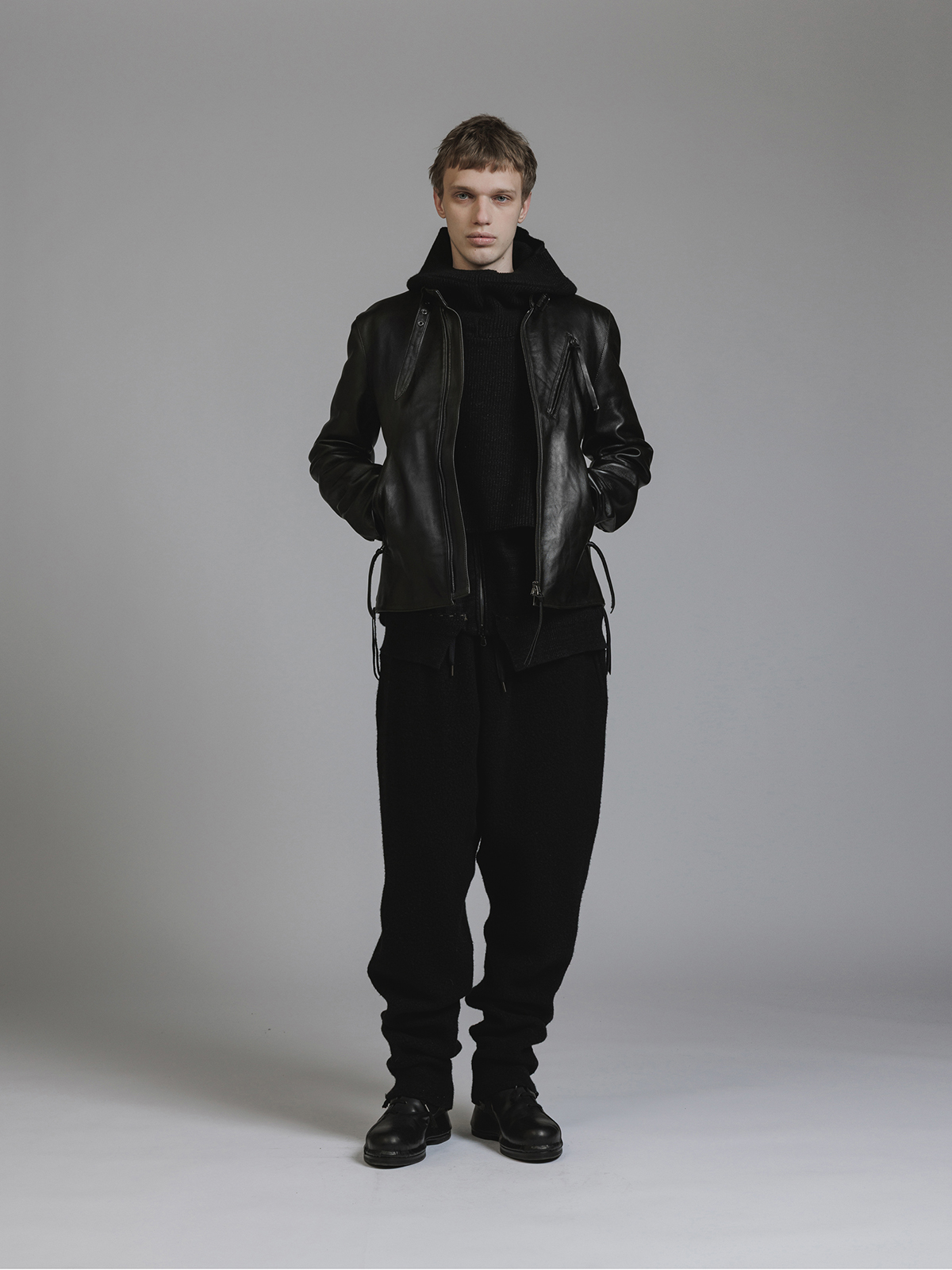
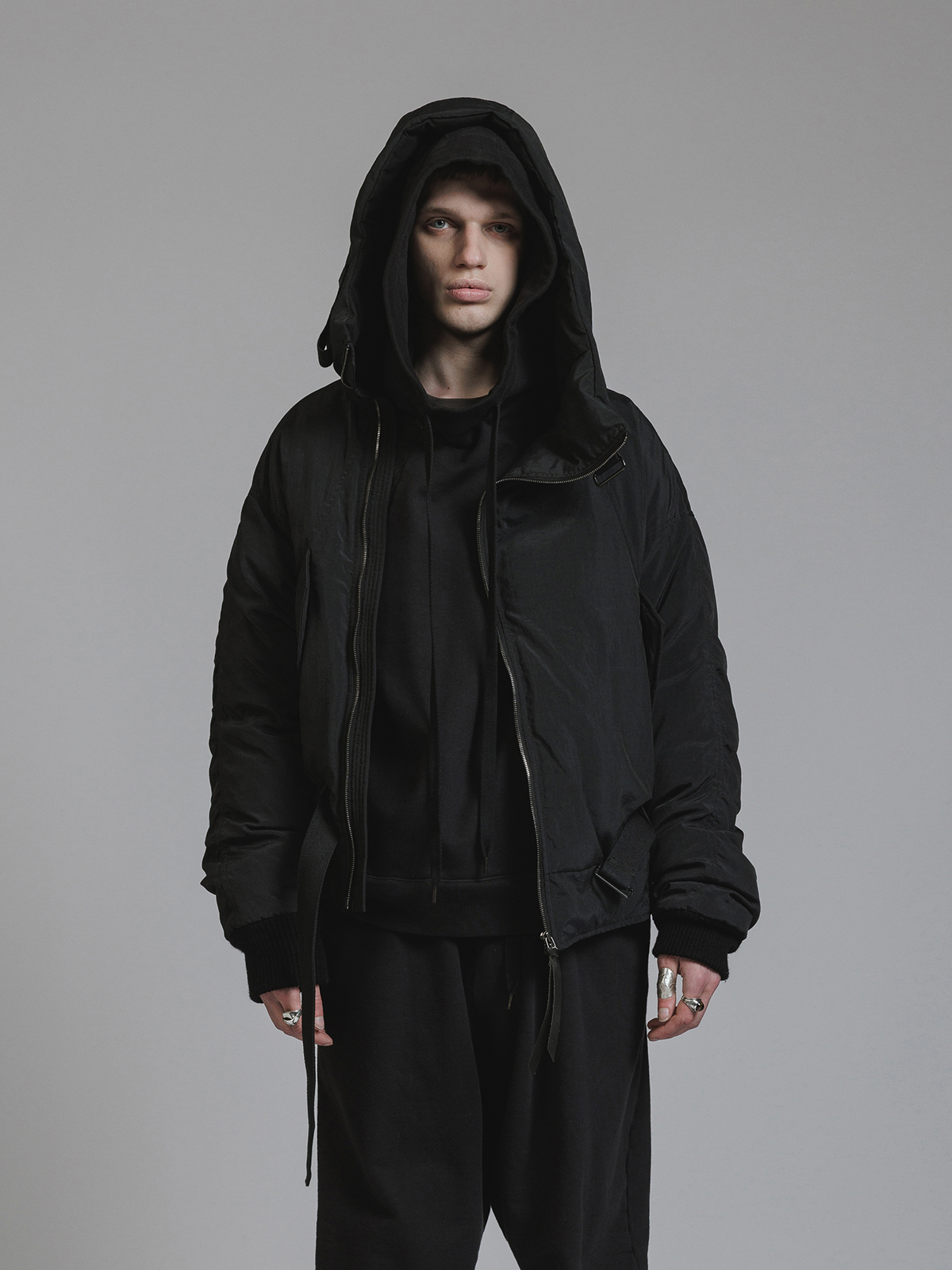
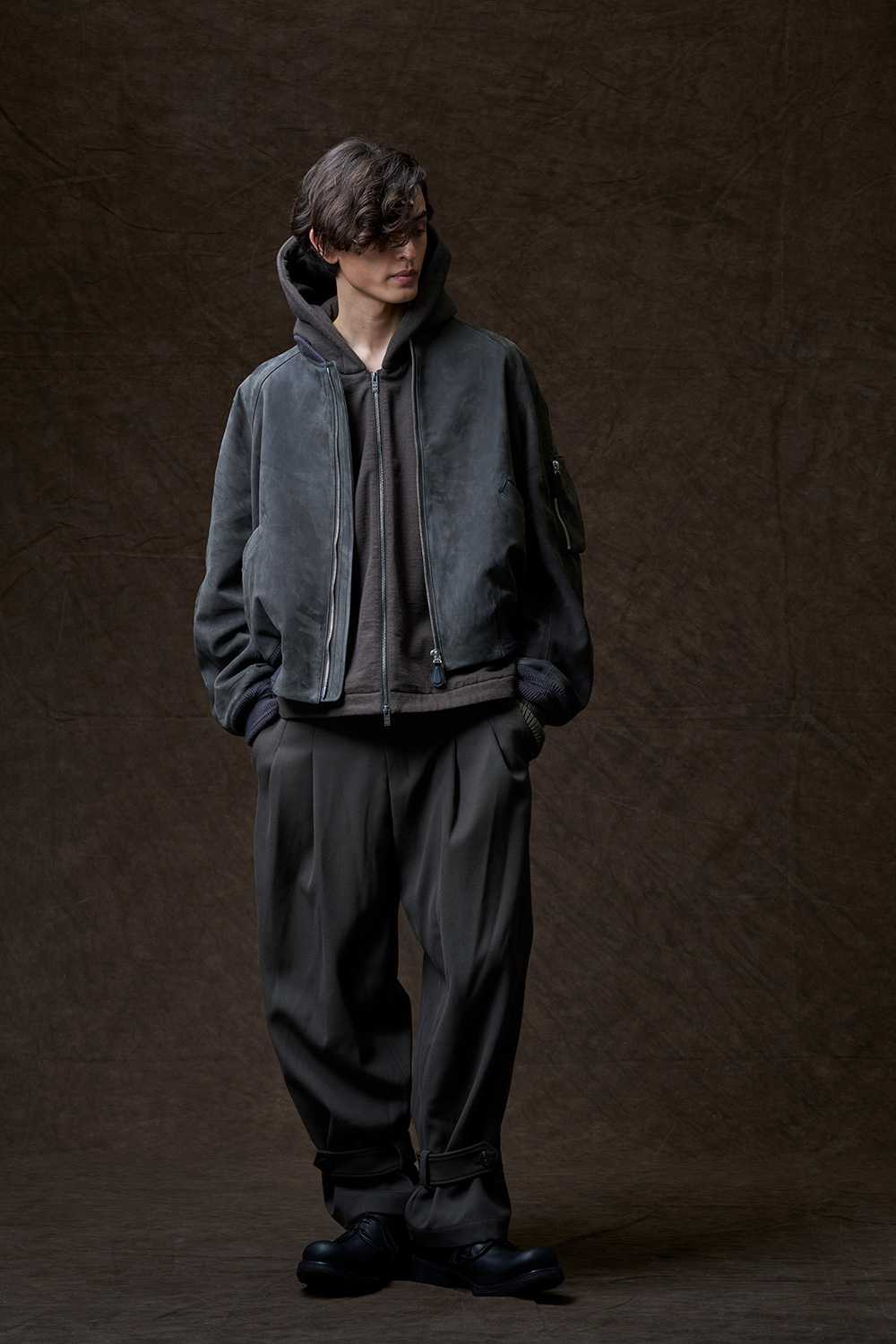
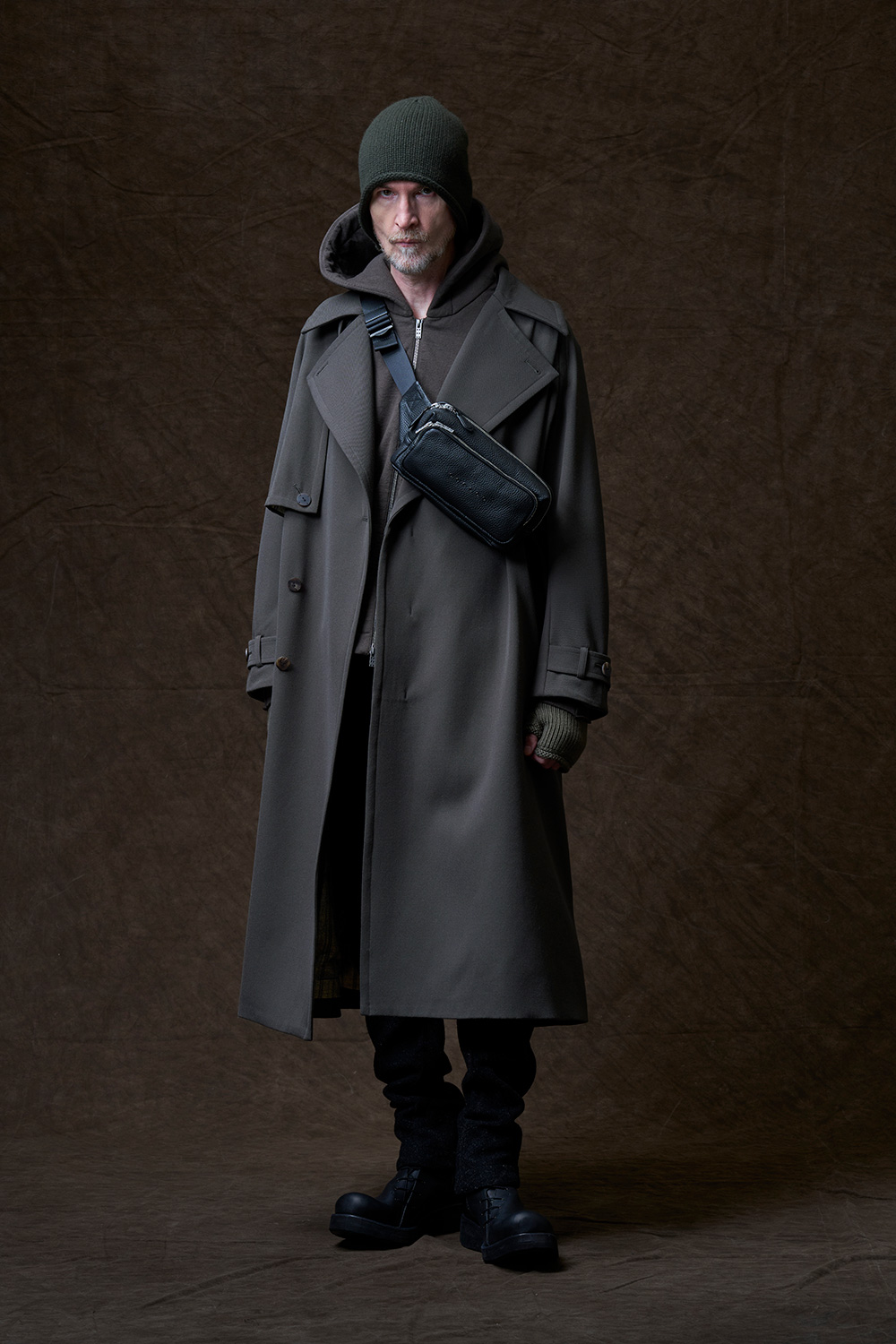
تنظيم عدة قطع ملابس بحيث تخلق أطوالها وشفافيتها وفتحاتها وأحجامها هيكلًا واحدًا. يمكن أن تساعد الطبقات في تعديل المناخ والحركة بينما تعقد شكل الجسم. تبقى الطبقات الفعالة مرئية أو تؤثر ماديًا على السيلويت؛ بينما تضيف الطبقات غير الضرورية مجرد حجم. مجموعة Viridi-Anne لخريف وشتاء 26 و كتاب DEVOA لخريف وشتاء 26:
M
أحادي اللون
زي أو مجموعة منظمة حول لون واحد أو عائلة ضيقة من الألوان. يوجه الأحادي اللون الانتباه نحو الشكل والملمس. في الملابس السوداء، يمكن أن تخلق الاختلافات بين الصوف غير اللامع، والجلد العاكس، والشبك الشفاف عمقًا أكبر من عدة ألوان غير مرتبطة.
قطعة ملابس معيارية
ملابس مبنية من مكونات يمكن فصلها أو إعادة وضعها أو إعادة دمجها. قد تغير المعيارية الطول أو الحجم أو الوظيفة أو استجابة المناخ ويمكن أن تمدد العمر المفيد لقطعة الملابس. لا تجعل السحابات الزخرفية وحدها النظام معياريًا؛ يجب أن تكون التحولات قابلة للاستخدام ومحلولة هيكليًا.
O
صباغة الأشياء
شكل من صباغة ما بعد البناء حيث يتم معالجة الشيء المكتمل - بما في ذلك القماش، والخياطة، والأجهزة وأحيانًا الجلد - كحدث مادي واحد. يرتبط المصطلح بشكل وثيق بالممارسة الحرفية التجريبية. على عكس صباغة القطع العادية، قد ينتج العملية عمداً تفاعلات معقدة عبر مكونات غير متشابهة.
شكل كبير
شكل مصمم بمساحة كبيرة تتجاوز قياسات الجسم التقليدية. البناء الكبير الحقيقي ليس مجرد حجم قياسي أكبر: يتم إعادة حساب فتحات الأذرع، والكتفين، ونقاط التوازن ووزن القماش بحيث يتدلى الحجم بشكل متعمد. يمكن أن يحمي، ويخفي، ويجعل الجسم ضخمًا أو يحرره من الأشكال المحددة.
P
باتينا
التغيير السطحي الناتج عن العمر، والمعالجة، والضوء، والأكسدة، والارتداء. في الجلد والمعدن، قد تعمق الباتينا اللون وتكشف عن الاستخدام؛ في الطلاءات غير المستقرة، قد تشير إلى التدهور. يمكن للمصممين توقع الباتينا، لكن الارتداء الأصيل يتطور من خلال الحياة المادية للشيء بدلاً من تقليد مطبوع.
جمالية ما بعد الصناعية
لغة بصرية ومادية تشكلت من قبل المصانع، والبنية التحتية، والانهيار الحضري، وملابس العمل الواقية والأنظمة التكنولوجية بعد تحول أو اختفاء الصناعة الثقيلة. في الموضة، قد تشمل الأسطح الخافتة، والأجهزة والأشكال الوظيفية. تصبح ذات معنى عندما تتناول البيئات المعيشية بدلاً من استخدام “الصناعي” كصلابة عامة.
شكل بروستاتي
قطعة ملابس تبدو وكأنها تمتد أو تدعم أو تقيد أو تحل محل جزء من الجسم. يمكن أن تخلق الوسائد، والأصداف الصلبة، والجلد المفصل والهياكل الخارجية علاقات بروستاتية. يتطلب المصطلح العناية: الإعاقة والأجهزة الطبية هي حقائق مادية، وليست مجرد مراجع بصرية مستقبلية.
بانك
ثقافة فرعية يقودها الموسيقى ظهرت في منتصف السبعينات حيث استخدمت ملابسها التمزق، ودبابيس الأمان، وإشارات الربط، وإعادة الاستخدام والرسوم الجرافيكية التحديّة ضد التقاليد الاجتماعية والموضة. تم صنع أسلوب البانك من قبل مرتديها وكذلك المصممين. يُظهر إنتاجه التجاري مدى سرعة تحول الرفض إلى سلعة.
R
حافة خام
حافة قماش مقطوعة تُترك عمدًا بدون حافة تقليدية أو إنهاء مغلق. يمكن أن تكشف الحواف الخام عن بنية القماش، تقلل الحجم أو تسمح بالتآكل المنضبط. تعتمد ثباتها على الألياف والنسيج؛ الحافة غير المنتهية الفعالة لا تزال قرارًا تقنيًا.
S
ساكيوري
ساكيوري هي تقنية نسيج يابانية تقليدية يتم فيها تمزيق الأقمشة المستعملة أو المهملة إلى شرائح ضيقة وتنسج في قماش جديد. تاريخياً، كانت هذه التقنية تمدد العمر الافتراضي للأقمشة القيمة.
غرز ندبة
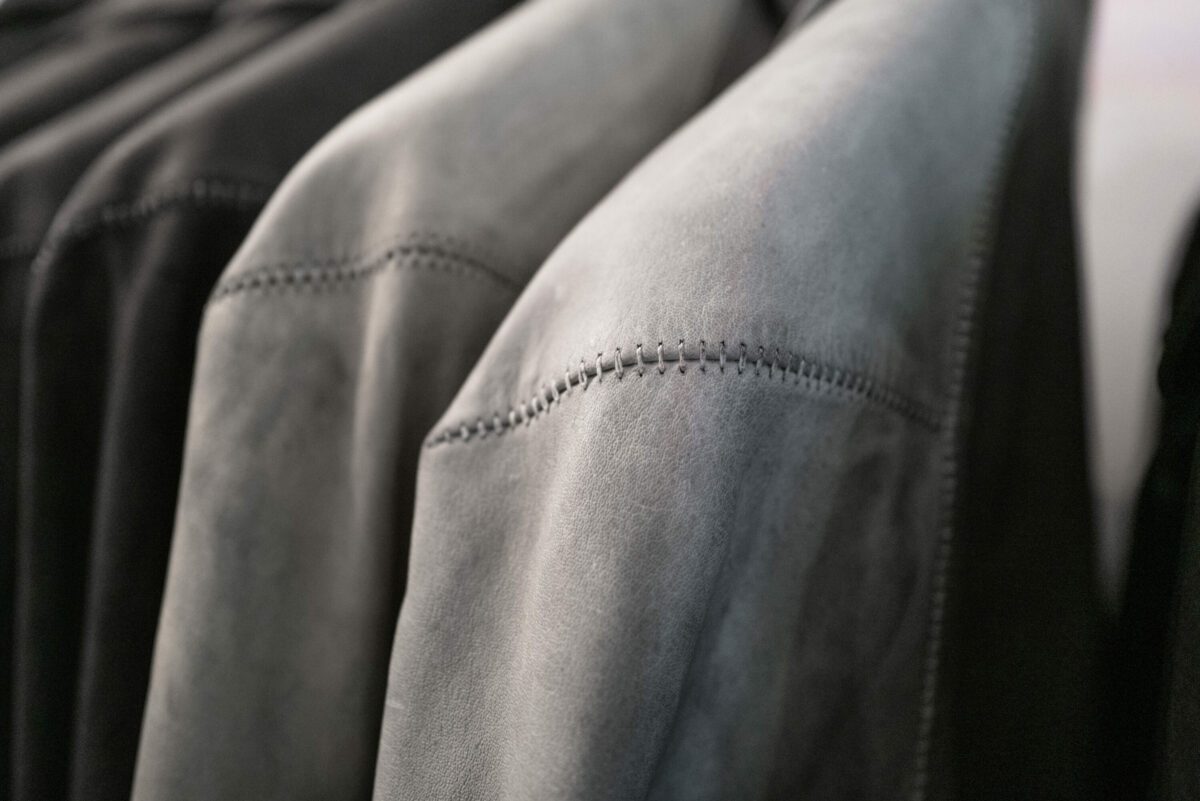
غرز مرئية، وغالبًا غير منتظمة، تثير فكرة الإصلاح أو الخياطة أو الندبة عبر المادة. قد تربط الألواح، تعزز منطقة ضعيفة أو تبقى تعبيرية. يُستخدم المصطلح بشكل فضفاض في لغة البيع بالتجزئة، لذا يجب فحص البناء بدلاً من استنتاجه من المظهر.
سيلويت
الخط العام الذي تشكله الجسم الملبس. يتحدد السيلويت من خلال النسبة، الحجم، سلوك القماش ونقاط الاتصال. غالبًا ما يكون الطريقة الأكثر وضوحًا لتحديد حجة تصميم متقدم قبل فحص التفاصيل.
السريالية
حركة تستكشف الأحلام والرغبات والصدفة واللامعقول. قامت إلسا شيافاريللي بترجمة أساليبها إلى الأزياء الراقية من خلال تأثير الخداع، والأشياء الم displaced والتعاون مع فنانين بما في ذلك سلفادور دالي وجان كوكتو. تجعل الأزياء السريالية الملابس المألوفة غريبة نفسيًا أو جسديًا.
الأزياء المستدامة
مصطلح شامل لمحاولات تقليل الأذى البيئي والاجتماعي للأزياء عبر المواد، والعمل، والتصنيع، والنقل، والاستخدام والتخلص. لا تجعل ألياف أو تقنية واحدة قطعة ملابس مستدامة. يجب أخذ العمر الافتراضي، والإصلاح، وحجم الإنتاج، وظروف العمل، والأدلة القابلة للتحقق على دورة الحياة بعين الاعتبار معًا.
T
ملابس تقنية
ملابس منظمة حول الأداء الفني، والحركة، وحماية الطقس وأنظمة الحمل، غالبًا باستخدام أقمشة متقدمة ونمذجة مريحة. يمكن أن تتقاطع الملابس التقنية مع الأزياء المتقدمة من خلال السيلويت والتجريب، لكن الملابس الوظيفية ليست بالضرورة متقدمة، والأسلوب التكتيكي الأسود ليس بالضرورة وظيفيًا.
ابتكار الأقمشة
تطوير أو استخدام غير تقليدي للألياف والهياكل والتشطيبات وأنظمة الإنتاج. قد يتضمن الابتكار بوليمر جديد أو عملية رقمية، لكنه يمكن أيضًا أن يستعيد الألياف الطبيعية التي تم تجاهلها أو يعيد تنظيم المعرفة الراسخة في النسج والطيات. يجب تقييم الجدة جنبًا إلى جنب مع المتانة والأثر.
قطعة ملابس قابلة للتحويل
ملابس مصممة لتغيير الشكل أو الوظيفة من خلال الطي، أو الربط، أو التضخم، أو الحركة الميكانيكية أو إعادة التكوين. يوفر عمل حسين شاليان أمثلة مفهومة مشهورة؛ تستخدم الملابس اليومية المودولارية نفس المبدأ بشكل أكثر هدوءًا. يجب أن تضيف التحويل معنى أو استخدامًا بدلاً من أن تكون مجرد عرض.
U
إعادة التدوير
إنشاء قطعة ملابس أو كائن جديد من مواد أو منتجات موجودة مع الاحتفاظ أو زيادة فائدتها وقيمتها. في عالم الأزياء، يمكن أن تحافظ إعادة التدوير على آثار البناء السابق وتطرح تساؤلات حول الجدة النقية. تختلف عن إعادة التدوير، التي تكسر عمومًا المادة إلى مواد أولية لدورة تصنيع أخرى.
W
وابي سابي
تقليد جمالي وفلسفي ياباني يهتم، بكلمات مبسطة، بالزوال، وعدم الاكتمال وجمال المواد المتواضعة. غالبًا ما يستخدم الكتابة عن الأزياء “وابي سابي” بشكل غير دقيق لأي شيء متضرر أو غير منتظم. يجب أن تعترف تطبيقاته بالسياق الثقافي بدلاً من تحويل تقليد معقد إلى معالجة سطحية.
فن قابل للارتداء
عمل مرتبط بالجسد يقع بين الملابس والممارسة الفنية المستقلة. قد يكون فريدًا، قائمًا على الأداء أو تجريبيًا ماديًا. ليس كل قطعة ملابس درامية بصريًا هي فن قابل للارتداء، وليس كل فن قابل للارتداء مقصود له أن يعمل ضمن نظام الأزياء.
Z
تصميم بدون نفايات
نهج تصميم يهدف إلى القضاء على أو تقليل النفايات الناتجة عن القص بشكل جذري. تشمل الطرق ترتيب قطع النمط بحيث تستهلك عرض القماش بالكامل، أو الحياكة مباشرة إلى الشكل، أو نسج خطوط الملابس في قماش مستمر، أو استخدام القطع الزائدة ضمن المنتج. يتناول قطع بدون نفايات مرحلة واحدة من التأثير، وليس دورة حياة القطعة بالكامل.
مفردات للنظر عن كثب
الغرض من المصطلحات الدقيقة ليس مراقبة الذوق. بل هو النظر عن كثب: لتمييز الحافة الخام عن الضرر غير المدروس، أو صبغ الكائن عن تأثير مطبوع، أو البناء المعماري عن الحجم البسيط. تلك الدقة تحترم المصممين، والصانعين، والحركات الثقافية التي تنبثق منها هذه الكلمات.
للحصول على تعريف أساسي، اقرأ. للحصول على التعريف الأساسي،. استمر مع أسلوب الموضة الطليعي: الخصائص والأمثلة, تاريخ الموضة الطليعية ودليل عملي. كيف ترتدي أسلوب الأفانت غارد. تظل ملفات تعريف المصممين الفرديين منظمة من خلال RAW Looks معماري هادئ.
المراجع والمزيد من القراءة
- متحف مو مو - متحف الموضة في أنتويرب - الستة من أنتويرب
- متحف فيكتوريا وألبرت - يوجي ياماموتو: شاعر الأسود
- جدول المحتويات
- متحف المتروبوليتان للفنون - إلسا شيافاريللي (1890-1973)
- متحف فيكتوريا وألبرت - مقدمة لموضة الستينيات
- المتحف في معهد الموضة للتكنولوجيا - الموضة اليابانية الآن
- متحف المتروبوليتان للفنون - ألكسندر ماكوين: جمال وحشي
- متحف فيكتوريا وألبرت - مادلين فيونيت - مقدمة
- متحف المتروبوليتان للفنون - (غير) الخالد في الموضة: فستان هيكل إيريس فان هيربن
- متحف الفن الحديث - العناصر: هل الموضة حديثة؟