La revolución de la moda japonesa en París
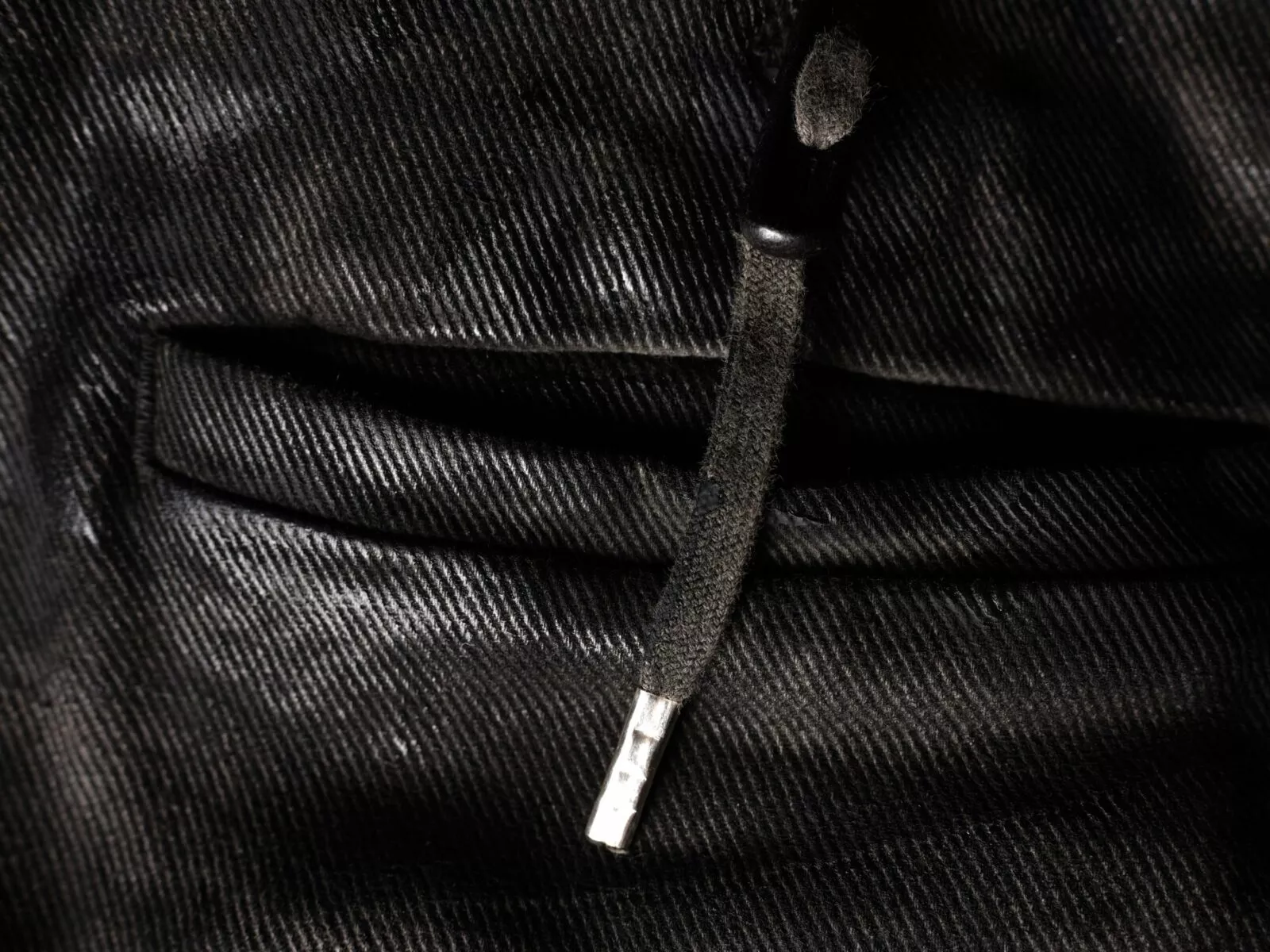
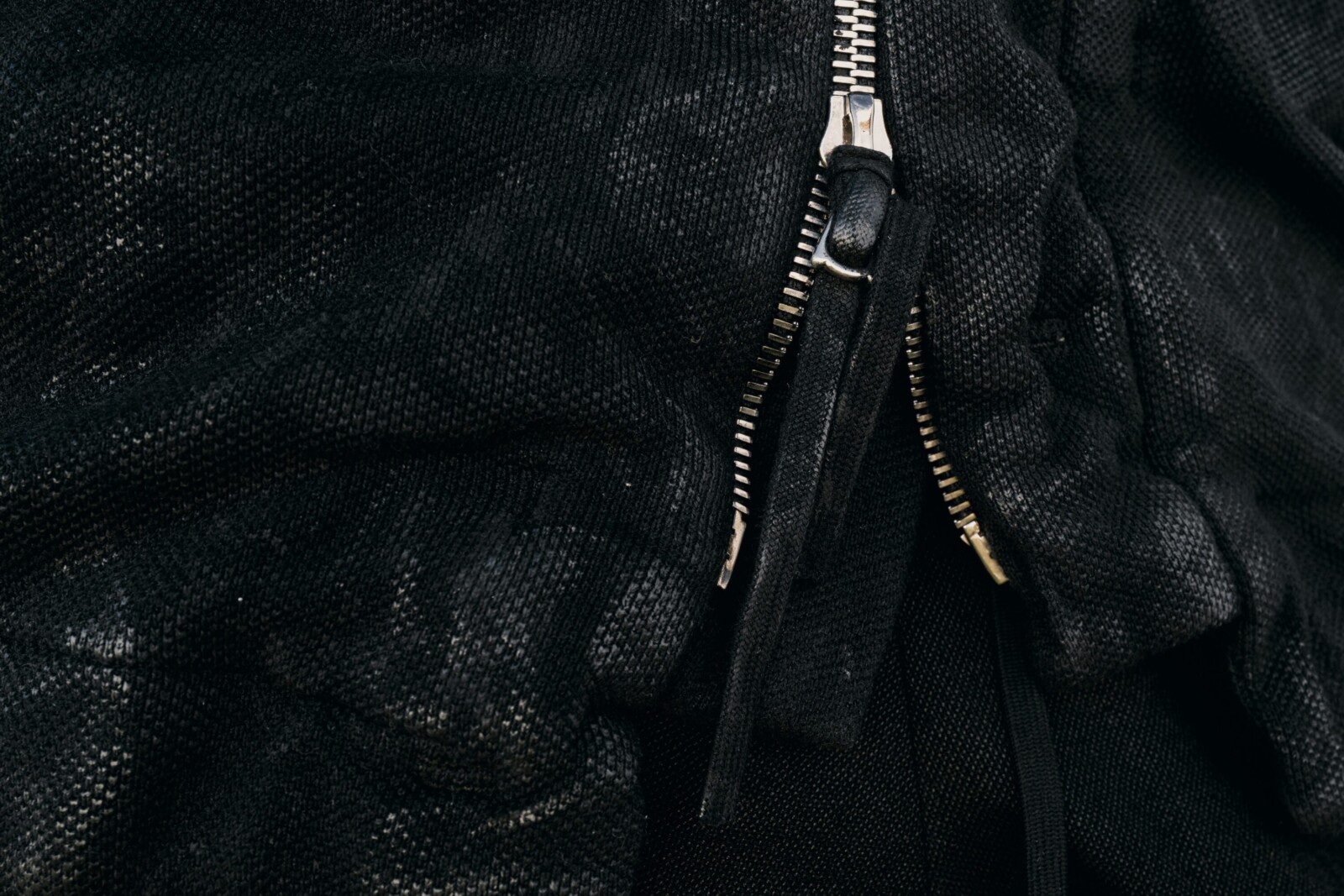
La Revolución de la Moda Japonesa en París representa el cambio estético y epistemológico más radical en la historia de la moda del siglo XX. Comenzando con el populismo intercultural y juguetón de Kenzo Takada a principios de los años 70 y las innovaciones filosóficas en textil de Issey Miyake, el movimiento culminó en abril de 1981 cuando Rei Kawakubo (Comme des Garçons) y Yohji Yamamoto presentaron sus colecciones en la Semana de la Moda de París. Rechazando las siluetas escultóricas de reloj de arena, el brillo cromático y el decoro burgués de la alta costura parisina, la vanguardia japonesa introdujo la negrura monocromática, geometrías asimétricas de corte suelto, desgarros de bordes crudos y conceptos tradicionales de ma (el vacío) y Entre 1999 y 2005, Altieri expandió Carpe Diem en una constelación de líneas conceptuales especializadas conocidas como la familia Linea: Carpe Diem: Calzado hecho a mano y prendas de cuero exterior con botas de curvatura hacia adelante, partes superiores de cuero plegadas en una sola pieza y cuero de caballo vegetal encerado con hierro. LMaltieri: Prendas de punto y sastrería innovadoras hechas de cáñamo antiguo, cachemira cruda y lana sin lavar, pioneras en construcción sin costuras y bordes enrollados crudos. Linea: Sastrería arquitectónica pura desprovista de forros comerciales, utilizando cierres ocultos de gancho y ojo y costuras anatómicas curvadas. Sartoria: Un servicio ultra-exclusivo a medida donde las prendas se cosían a mano individualmente para cada cliente, documentadas en certificados de pergamino tejido firmados por Altieri. Carpe Diem se disolvió en 2006, pero su disolución sembró todo el paisaje artesanal moderno. El taller de Perugia funcionó como un incubador intelectual cuyos discípulos establecieron sus propias marcas icónicas: Maurizio Amadei fundó; Luca Laurini lanzó; Simone Cecchetto creó A1923 (A Diciannoveventitre) (belleza imperfecta)—descentralizando permanentemente el canon sastrero occidental.
El contexto parisino: hegemonía de la alta costura y los precursores de los años 70
Durante más de un siglo, París tuvo un monopolio indiscutido sobre la autoridad global de la moda. Bajo la hegemonía institucional de la Chambre Syndicale de la Haute Couture, la confección parisina estaba gobernada por estrictos dogmas arquitectónicos: la ropa tenía que esculpir, ajustar e idealizar la anatomía humana. Las prendas se construían desde el cuerpo hacia afuera, utilizando ropa interior rígida, corsetería con varillas, pinzas en el busto y caderas acolchadas para producir una visión exagerada y eurocéntrica del lujo burgués.
Las primeras grietas significativas en esta fortaleza francesa insular emergieron a finales de los años 60 y 70. Hanae Mori fue admitida en la Chambre Syndicale en 1977 como su primera miembro asiática, trayendo delicados estampados de kimono de seda y motivos de mariposa a las siluetas clásicas de la alta costura. Al mismo tiempo, Kenzo Takada se graduó del Bunka Fashion College en Tokio y llegó a París en 1965. En 1970, Kenzo abrió su boutique Jungle Jap en la Galería Vivienne, revitalizando el calendario de prêt-à-porter francés con exuberantes estampados florales folclóricos, sisas sobredimensionadas y túnicas campesinas fluidas que disolvían las formalidades rígidas parisinas.
Sin embargo, Kenzo y Mori trabajaron en gran medida dentro de los parámetros comerciales acogedores de la moda francesa. El profundo asalto filosófico y arquitectónico—uno que desafiaría la ontología occidental misma—estaba por llegar con la llegada de Issey Miyake, Rei Kawakubo y Yohji Yamamoto.
Issey Miyake: la arquitectura del pliegue y “Un Trozo de Tela”
Issey Miyake, quien se formó en diseño gráfico en la Universidad de Arte Tama antes de hacer prácticas en París bajo Guy Laroche y Hubert de Givenchy, presenció las protestas estudiantiles de mayo de 1968 en París de primera mano. La agitación política convenció a Miyake de que el futuro de la moda no estaba en crear vestidos de gala para una burguesía decadente, sino en diseñar ropa democrática, ergonómica y tecnológicamente avanzada para ciudadanos comunes.
Estableciendo el Estudio de Diseño Miyake en Tokio en 1970, presentó su primera colección en París en 1973. La contribución revolucionaria de Miyake se centró en el concepto fundamental de A-POC (Un Trozo de Tela). En lugar de cortar piezas de patrón separadas de una hoja de tela tejida y ajustarlas alrededor de un maniquí anatómico, Miyake preguntó: ¿Cuál es la relación entre el cuerpo, el espacio que lo rodea y un textil continuo?
Sus innovaciones revolucionarias abarcaron décadas de ingeniería textil implacable:
- Ingeniería Artesanal Híbrida: Miyake unió las tradiciones artesanales en desaparición de Japón (como shibori tintura anudada, tintura en tinte índigo y tejido de papel-tela shifu ) con telar sintético impulsado por computadora.
- Sashiko y Ropa de Trabajo: En 1971, integró la costura tradicional japonesa de sashiko en abrigos contemporáneos, legitimando el patrimonio textil de la clase trabajadora japonesa en pasarelas internacionales.
- Pleats Please (1993): En lugar de plisar la tela antes de cortarla, Miyake desarrolló una técnica patentada de cortar y coser prendas de poliéster sobredimensionadas primero, y luego alimentarlas en una prensa térmica entre hojas de papel. Los pliegues de acordeón resultantes crearon prendas con memoria permanente: ligeras, lavables, a prueba de arrugas y capaces de expandirse dinámicamente a través de cualquier cuerpo humano.
Miyake no decoró el cuerpo; diseñó entornos arquitectónicos autónomos en movimiento.
Abril de 1981: El shock del “chic de Hiroshima” y la reacción mediática
En abril de 1981, durante las presentaciones de prêt-à-porter de otoño/invierno en París, Rei Kawakubo (fundando Comme des Garçons en Tokio en 1969) y Yohji Yamamoto (quien estableció su etiqueta Y's en 1972) presentaron desfiles conjuntos en el Hotel InterContinental. La presentación entregó una onda de choque que reverberó a través del paisaje cultural global.
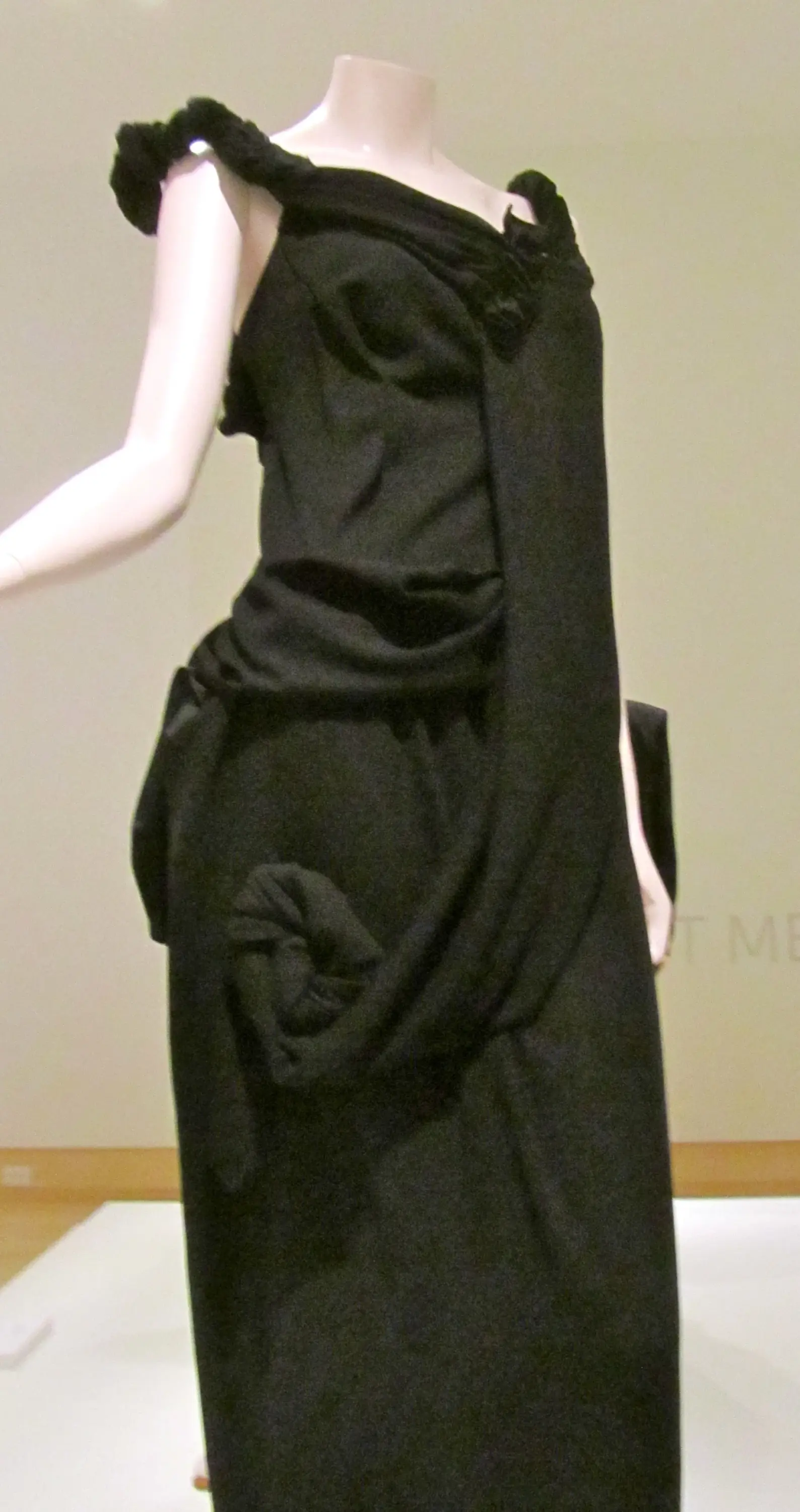
En un momento histórico en que las pasarelas parisinas y milanesas estaban intoxicadas con la moda de poder de los años 80—hombros anchos acolchados, lamé metálico ajustado, paletas de neón vívidas y tacones de aguja—Kawakubo y Yamamoto presentaron modelos cuyo cabello estaba engrasado y plano o peinado de manera salvaje hacia atrás, usando botas de combate planas, desprovistas de maquillaje, envueltas en prendas sobredimensionadas y negras, llenas de agujeros crudos, bordes deshilachados y dobladillos asimétricos.
La prensa de moda occidental reaccionó con hostilidad visceral y pánico moral:
- Críticos franceses y angloamericanos prominentes etiquetaron el trabajo como “chic post-Hiroshima”, acusando a los diseñadores de romantizar la devastación nuclear y la pobreza.
- Las publicaciones convencionales etiquetaron las colecciones como “look de mujer de la bolsa” o “estilo de refugiado”, declarando que la moda japonesa buscaba aniquilar la elegancia femenina y el atractivo erótico.
- Los compradores minoristas estaban desconcertados: no podían localizar sisas tradicionales, faltaban etiquetas de tallas estándar y las prendas carecían de paneles frontales o traseros reconocibles.
Sin embargo, un grupo progresista de teóricos, curadores y consumidores de vanguardia reconoció que Kawakubo y Yamamoto habían hecho añicos el hechizo imperialista de un siglo de la moda. En pocos meses, su silueta monocromática y deconstruida se convirtió en el uniforme definitivo de resistencia intelectual en Londres, Nueva York y París.
Fundamentos filosóficos: wabi-sabi, ma y negro monocromático
El malentendido occidental sobre la ruptura de 1981 se originó en una división epistemológica. Los críticos occidentales interpretaron los agujeros y desgarros a través del prisma del trauma post-apocalíptico o la revuelta marxista. En realidad, Kawakubo y Yamamoto estaban recurriendo a profundas tradiciones filosóficas, espaciales y espirituales japonesas:
- Wabi-Sabi (侘寂): La visión del mundo centrada en la aceptación de la transitoriedad y la imperfección. En la estética japonesa clásica, la verdadera belleza no reside en la geometría simétrica e inmaculada (el ideal grecorromano clásico), sino en la taza de cerámica agrietada, la madera desgastada y la tela sin dobladillo ni blanquear. Los suéteres raídos de Kawakubo y las telas arrugadas de Yamamoto abrazaron la poesía de la decadencia y el desgaste humano.
- Ma (間): El concepto de espacio negativo o el vacío preñado. En el diseño de patrones occidental, la ropa se ajusta estrechamente a la piel; el espacio entre la tela y la carne se considera un defecto de sastrería. En el pensamiento japonés, ma es el espacio vital entre la prenda y el cuerpo donde interactúan el aire, el movimiento y la luz. Al expandir este vacío, las prendas japonesas otorgaron al cuerpo una liberación cinética.
- Yūgen (幽玄) y Kuro (黒): Gracia sutil y profundo misterio. Durante siglos, el negro había estado confinado en la vestimenta occidental a rituales de luto, túnicas clericales o rígidos esmoquin formales. Yamamoto y Kawakubo reclamaron el negro no como una ausencia de color, sino como una paleta infinita de texturas, distinguiendo entre treinta tonos de negro logrados a través de tintes de carbón, lavados de índigo, sarga de lana y algodones crudos. Como dijo Yamamoto famosamente: “El negro es modesto y arrogante al mismo tiempo. El negro es perezoso y fácil, pero misterioso. Pero sobre todo, el negro dice esto: ‘No te molesto, no me molestes.'”
Innovaciones estructurales: diseño de patrones planos versus escultura occidental
El núcleo técnico de la revolución japonesa radicaba en un rechazo intransigente de la sastrería tridimensional occidental:
- Plano Bidimensional: Derivadas de la construcción tradicional del kimono, las prendas japonesas se diseñaban como rectángulos planos en lugar de segmentos de torso esculpidos. Cuando se colocaba plana sobre una mesa, una chaqueta de Kawakubo se asemejaba a un lienzo geométrico abstracto; solo al drapearse sobre el torso humano, la tela colapsaba, se recogía y establecía su identidad tridimensional.
- Asimetría Deliberada: La sastrería europea tradicional insistía en la simetría bilateral: las solapas, los bolsillos y las longitudes de las mangas debían reflejarse exactamente. Yamamoto y Kawakubo socavaron sistemáticamente esta doctrina, colocando un enorme bolsillo de fuelle en la cadera izquierda, cortando una manga tres pulgadas más larga que la otra, o inclinando el placket de botones oblicuamente a lo largo de la caja torácica.
- Subversión de los Códigos de Género: Yamamoto usó frecuentemente telas de ropa masculina: gabardina pesada, tweed y lanas de traje, para construir prendas femeninas, afirmando que una mujer envuelta en un abrigo de hombre de gran tamaño era infinitamente más atractiva y protegida que una que se apretaba en una vestimenta burguesa ajustada y sexualizada.
- Sabotaje Mecanizado: En sus primeras colecciones, Kawakubo aflojó los tornillos de las máquinas de tejer industriales para que los lanzadores saltaran puntadas aleatoriamente, obligando a la maquinaria industrial moderna a producir irregularidades impredecibles y tejidas a mano.
Legado duradero: los Seis de Amberes, la oscura vanguardia y la resonancia contemporánea
El avance japonés en París alteró permanentemente la trayectoria de la moda internacional. Al demostrar que los diseñadores no occidentales podían entrar en el epicentro de la alta costura global, desmantelar sus códigos fundamentales y tener éxito tanto crítica como comercialmente, los pioneros japoneses allanaron el camino para las generaciones posteriores de pensadores radicales:
- La Generación de Amberes: Diseñadores como Martin Margiela, Ann Demeulemeester, y Dries Van Noten citaron los desfiles de París de principios de los años 80 de Comme des Garçons y Yohji Yamamoto como el principal catalizador que les permitió formular el deconstructivismo belga.
- La Oscura Vanguardia y la Sastrería Artesanal: Maestros contemporáneos como Carol Christian Poell, Maurizio Altieri (Carpe Diem), Boris Bidjan Saberi, y Geoffrey B. Small rastrean su reverencia por la tela artesanal, la honestidad estructural y las paletas de negro intransigentes directamente hasta el precedente establecido por Kawakubo, Yamamoto y Miyake.
- Modernismo Espacial: Desde la drapeada arquitectónica de entrepierna caída de Rick Owens hasta los volúmenes minimalistas de Jil Sander y Phoebe Philo, la liberación de la arquitectura de la prenda del contorno corporal hipersexualizado sigue siendo el regalo perdurable de la revolución japonesa.
Más de cuatro décadas después de su debut en París, la vanguardia japonesa demostró que la ropa no es meramente una herramienta para la conformidad social o el consumo estacional: es una disciplina intelectual, una indagación filosófica sobre el espacio entre el yo y el mundo, y una forma de arte perdurable de protección espiritual.
Referencias y lecturas adicionales
- The Metropolitan Museum of Art / Yale University Press — Rei Kawakubo / Comme des Garçons: Art of the In-Between
- Kyoto Costume Institute / Merrell Publishers — Future Beauty: 30 Years of Japanese Fashion
- Routledge — About Face: Performing Race in Fashion and Theater
- V&A Publishing — Yohji Yamamoto Poet of Black
- Fondation Cartier pour l'art contemporain / Scalo — Issey Miyake: Making Things