Что такое анти-мода?
Анти-мода — это не отсутствие одежды; это активный, диалектический отказ от экономического ускорения моды, декоративной поверхностности и нормativных идеалов тела. Употребляемый в социологической теории, субкультурном восстании и радикальных дизайнерских движениях, этот термин обозначает практики, которые сопротивляются сезонной устареванию, диктуемому глобальным капиталом. От монашеских черных драпировок ранних 1980-х Рей Кавакубо и Ёдзи Ямамото до неотшлифованных архивных подрывов Мезон Маржела и системных экологических обвинений манифеста 2015 года Ли Эделькорт, анти-мода разрушает центральную иллюзию индустрии: что ценность одежды истекает, когда календарь меняется.
Теоретические основы: определение анти-моды против модной системы
В массовом дискурсе “мода” часто отождествляется с одеждой. Однако, как заметил социолог Георг Зиммель в своем эссе 1904 года, механизм моды по своей сути является социальным двигателем непрерывного новшества, классового подражания и запланированного устаревания. Мода существует только через постоянное движение: эстетическое новшество вводится элитой, подражается массами, теряет свою эксклюзивность и оставляется в пользу нового цикла. Участвовать в модной системе — значит принять, что у одежды есть искусственная дата истечения, диктуемая не физическим износом, а коллективной психологической усталостью. Мода, возникает как сознательное идеологическое, эстетическое и материальное отрицание этого механизма. Как выразила культурный теоретик Элизабет Уилсон в "Adorned in Dreams" (1985), анти-мода обозначает формы одежды, которые намеренно отвергают основной мандат моды о сезонных изменениях. Она функционирует на двух различных, но пересекающихся уровнях:.
Анти-мода Статическая или традиционная анти-мода: Одежда, укорененная в ритуале, народной традиции, религиозном порядке или профессиональной полезности (например, простая одежда амишей, морские куртки, баварские Трахтены, джинсовые комбинезоны). Эти формы развиваются медленно, ценя долговечность, функциональную цель и общинную непрерывность выше стилистического новшества. Оппозиционная или концептуальная анти-мода:
- Преднамеренное sartorial сопротивление, созданное в рамках современности. Здесь одежда используется как критическое оружие для оспаривания потребительского капитализма, буржуазных стандартов привлекательности тела, гендерной перформативности и коммерческой эксплуатации. Далеко не являясь актом равнодушия, концептуальная анти-мода требует острого осознания визуальной синтаксиса моды. Она не игнорирует правила моды; она систематически нарушает их, чтобы сделать скрытые предположения индустрии одежды видимыми.
- Прежде чем анти-мода появилась на международных подиумах, она функционировала как основная семиотическая валюта контркультурных молодежных движений. Культурный теоретик Тед Полхемус, автор "Streetstyle", задокументировал, как маргинализированные группы систематически захватывали утилитарные одежды, чтобы выразить социальный протест. В Америке 1950-х годов мотоциклетные банды и рокабилли приняли избыточную кожаную куртку Schott Perfecto и нестиранные джинсовые рабочие брюки — одежду, изначально созданную для физического труда и опасности — и превратили их в символы преступной девиации. Два десятилетия спустя, как исследовано в ".
", британская молодежь радикализировала этот отказ, разрывая секонд-хенд костюмы, соединяя разрывы булавками и надевая мусорные мешки, чтобы физически выразить отвращение к капиталистическому потребительству.
Субкультурный отказ: уличный подрыв, рабочая одежда и стабильность униформы
Эти субкультурные униформы были анти-модой, потому что они отвергали сезонный оборот роскошного салона. Панк-куртка или кожанка байкера развивали подлинный культурный капитал только через многократное ношение, абразию, жир и личные модификации. Время, а не одноразовое новшество, стало мерой ценности. В апреле 1981 года анти-мода перешла от субкультурного сопротивления к землетрясению в центре международной высокой моды. Когда японские дизайнеры Рей Кавакубо (из ", ") и " представили свои дебютные коллекции в Париже, западные критики были озадачены и отвращены. Парижская модная пресса, привыкшая к гиперсексуализированному, ярко окрашенному, с сильно подбитыми плечами гламура Тьерри Мюглера и Клода Монтана, высмеивала японские презентации как "взгляд Хиросимы", "пост-голокостный шик" и "моду для бродяг".
Кавакубо и Ямамото организовали тотальное анти-модное восстание на трех основных фронтах: Панк, DIY и разрушение модных конвенций, Упразднение евроцентричного тела:.
Западная высокая мода исторически использовала каркас, дартинг и набивку, чтобы подчеркнуть силуэт женского тела в форме песочных часов — зауженные талии, поднятые груди и открытые декольте. Кавакубо и Ямамото полностью упразднили это анатомическое представление. Их одежда свободно свисала с плеч, создавая массивные объемы асимметричной ткани, которые окружали тело, скрывая его изгибы и создавая глубокое пространство (японская концепция ".

1981 год: Японский разрыв и эстетический шок “после Хиросимы”
") между тканью и плотью. Comme des GarçonsМонохромный императив: Yohji Yamamoto Вместо сезонных цветовых трендов они работали почти исключительно в черном, угольном и потертом индиго. Черный рассматривался не как отсутствие, а как богатый материальный спектр текстуры, поглощения света и экзистенциальной защиты. Как знаменитый заявил Ямамото:“
"Черный скромен и высокомерен одновременно. Черный ленив и прост — но таинственен. Но прежде всего черный говорит это: я не беспокою тебя — не беспокой меня."
- Поэтика повреждений: Вместо гладких, безупречных шелков, одежда имела преднамеренные отверстия, как у моли, обрывки краев, незавершенные края, вареную шерсть и перекрученные швы. Кавакубо ослабила натяжные винты на промышленных вязальных машинах, заставляя их производить нерегулярные свитера с выпавшими петлями, которые отмечали японскую философию " ма" — красоту несовершенства, асимметрии и непостоянства.
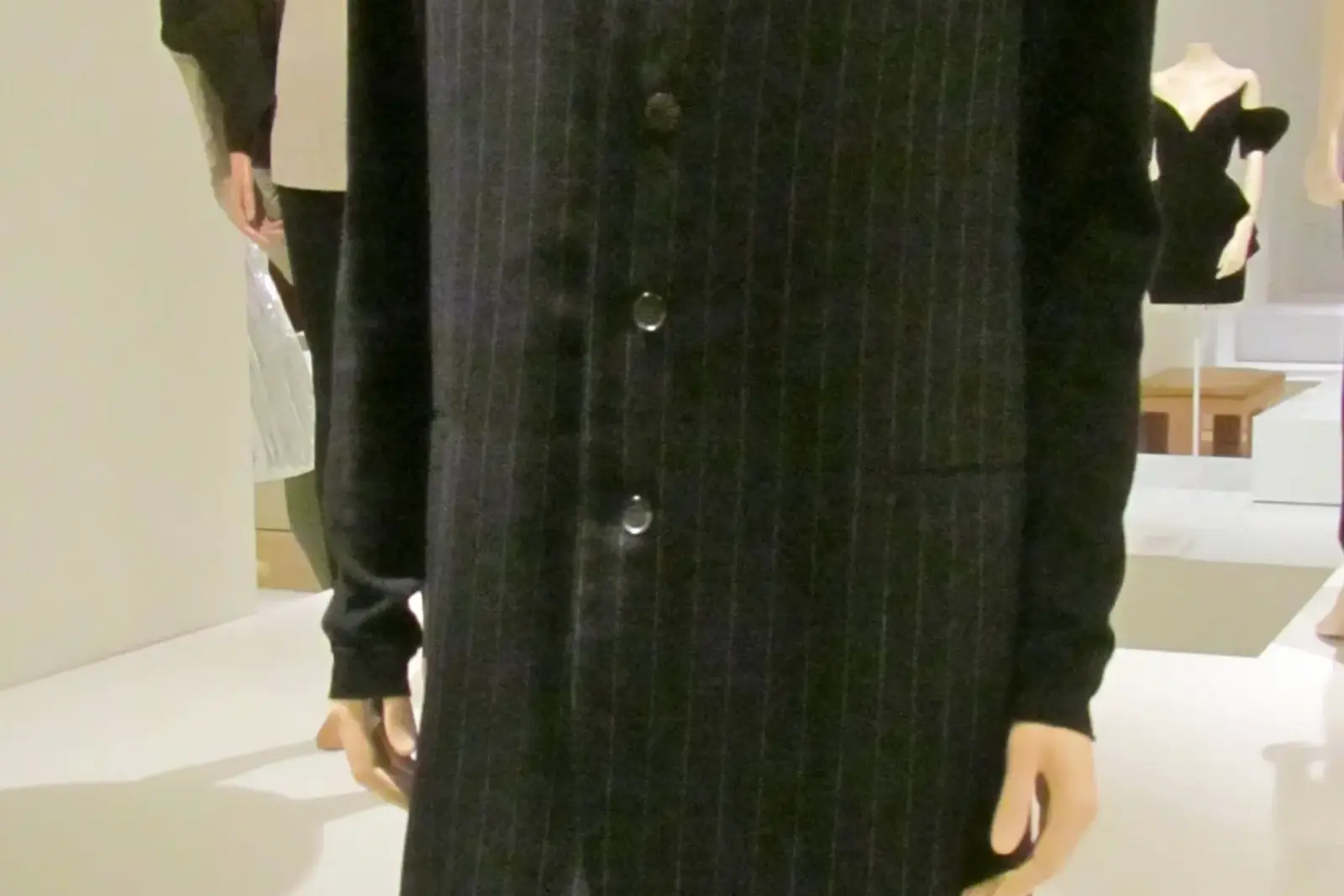
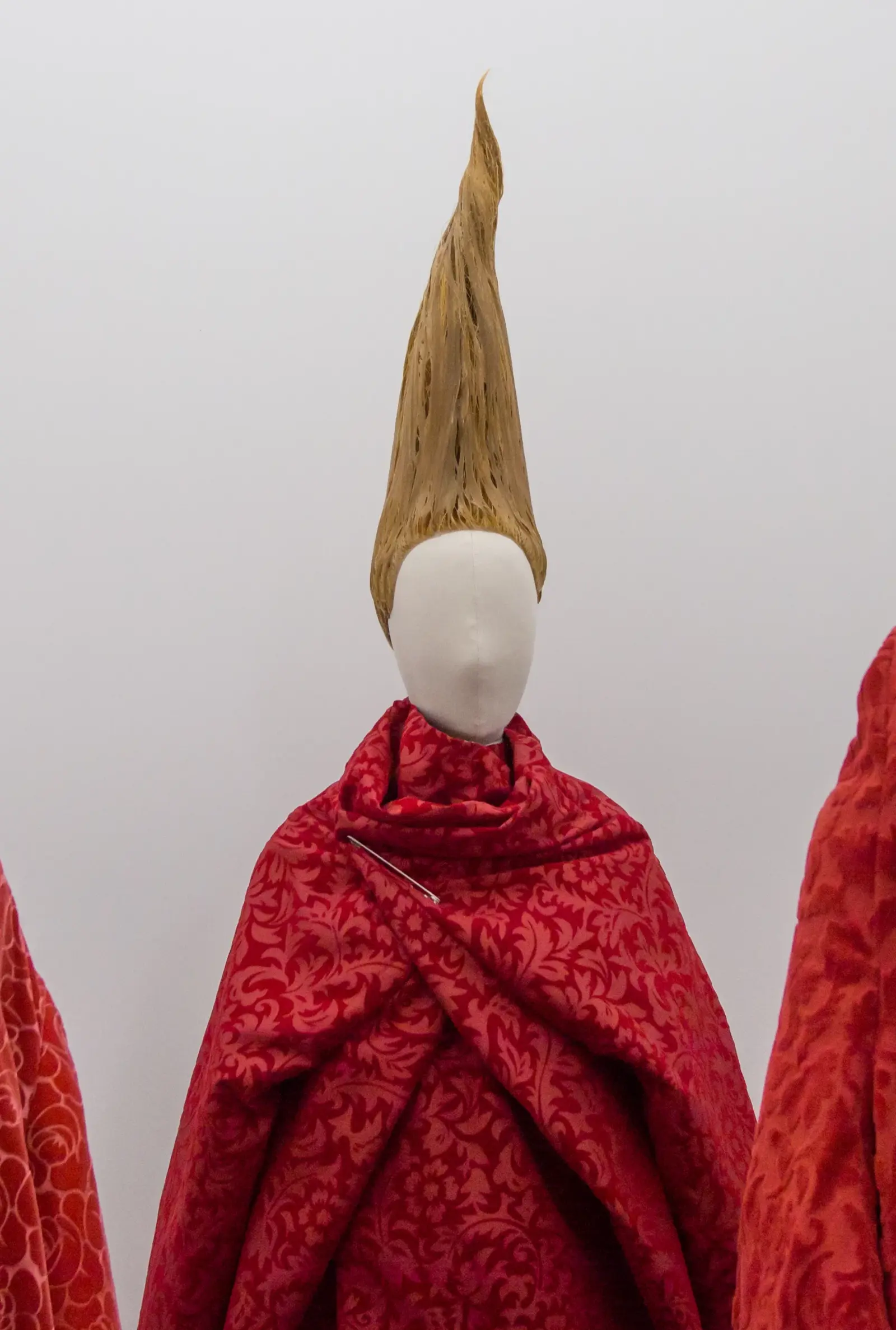
- Заставив модную столицу столкнуться с одеждой, напоминающей траурные саваны и рабочую одежду, Кавакубо и Ямамото навсегда доказали, что одежда может приоритизировать философское исследование и автономию носителя над декоративным флиртом. Вид установки "Рей Кавакубо / Comme des Garçons: Искусство промежутка" в Метрополитен-музее, Нью-Йорк (2017). Фотография Rhododendrites, Wikimedia Commons, CC BY-SA 4.0. Работа Кавакубо исследовала дихотомию Мода/Анти-Мода, рассматривая одежду как автономные скульптурные исследования объема, отсутствия и плоти. “Шоковые волны японской революции были восприняты и радикализированы поколением дизайнеров, которые появились в конце 1980-х и 1990-х годов, особенно выпускниками Королевской академии изящных искусств в Антверпене и австрийским минимализмом.”
- На пике этой второй волны анти-моды стоял " ", основанный в 1988 году Мартином Маржелой и Дженни Мейренс. Маржела превратил анти-моду в полную институциональную критику: С 1999 по 2005 год Альтиери расширил Carpe Diem в созвездие специализированных концептуальных линий, известных как семья Линеа: Carpe Diem: Ручная обувь и кожаная верхняя одежда с изогнутыми ботинками, цельными сложенными кожаными верхами и восковыми растительными лошадьми. LMaltieri: Прорывные трикотажные изделия и пошив из антикварного конопляного волокна, сырого кашемира и нестиранной шерсти, первопроходцы бесшовной конструкции и необработанных краев. Линеа: Чистый архитектурный пошив без коммерческих подкладок, использующий скрытые застежки и анатомические изогнутые швы. Сартория: Ультраэксклюзивная индивидуальная услуга, где одежда шилась вручную для каждого клиента, документировалась на тканевых сертификатах, подписанных Альтиери.Анонимность против знаменитости:.
Маржела отказался от личных фотографий, проводил интервью по факсу, используя коллективное местоимение "мы", и скрывал лица моделей на подиуме в марлевых капюшонах или пятнах краски, чтобы заставить зрителей смотреть на одежду, а не на знаменитую поддержку.
Бельгийская деконструкция и минимализм 1990-х: Маржела и Ланг
В индустрии, одержимой логоманией и роскошным брендингом, Маржела представил пустую прямоугольную белую тканевую этикетку, прикрепленную к одежде четырьмя простыми белыми угловыми стежками, предназначенную для того, чтобы ее срезали носители. Хельмут Ланг.
Ремесленная линия и апсайклинг: Maison Margiela, За десятилетия до того, как "устойчивость" стала корпоративным маркетинговым модным словом, коллекции Маржелы деконструировали одежду с блошиных рынков, носки военного образца, лыжные перчатки и разбитую посуду с блошиных рынков в уникальные кутюрные сборки.
- Анонимность против знаменитости: Маржела отказался от личных фотографий, проводил интервью по факсу, используя местоимение “мы”, и скрывал лица моделей на подиуме под марлевыми капюшонами или брызгами краски, чтобы заставить зрителей смотреть на одежду, а не на знаменитостей.
- Пустой белый ярлык: В индустрии, одержимой логоманией и роскошным брендингом, Маржела представил пустой прямоугольный белый ярлык, прикрепленный к одежде четырьмя простыми белыми угловыми стежками, который предназначен для того, чтобы его отрезал сам носитель.
- Артизанальная линия и апсайклинг: За десятилетия до того, как “устойчивое развитие” стало модным словом в корпоративном маркетинге, коллекции Маржелы деконструировали одежду с блошиных рынков, вторичные военные носки, лыжные перчатки и разбитую посуду с блошиных рынков в уникальные кутюрные сборки. Ремесленные коллекции деконструированных вещей с блошиного рынка, вторичных военных носок, лыжных перчаток и разбитой посуды с блошиного рынка в уникальные кутюрные сборки.
- Сохранение через линию Replica: В 1994 году Маржела запустил Replica серии: идентичные, стежок в стежок репродукции винтажной рабочей одежды, армейских ботинок и австрийских танцевальных платьев, с ярлыками, документирующими оригинальное происхождение, географическое происхождение и дату. Повторно выпуская существующие исторические дизайны без изменений, Маржела явно ставил под сомнение фетиш подиума к искусственному новшеству.
Одновременно, Хельмут Ланг обнажил моду 1990-х до ее голых индустриальных основ. Сочетая безупречные шершащие пальто с запачканными краской рабочими брюками, баллистическими нейлоновыми ремнями и резиновыми хлопковыми тканями, Ланг внедрил функциональность австрийской рабочей одежды прямо в лексикон роскоши, установив стильный, клинический анти-модный минимализм, который отвергал декоративные излишества.
Системная критика: манифест Ли Эделькорт и экологическая анти-мода
В 2015 году определение анти-моды претерпело еще одно историческое расширение с публикацией знаменитого манифеста прогнозистки трендов Ли Эделькоорт, Анти-мода: Манифест на следующее десятилетие. Тезис Эделькоорт был разрушительным: традиционная модная система стала устаревшей, коррумпированной и мертвой.
Эделькоорт утверждала, что современная мода покинула свою первоначальную культурную миссию интерпретации общества. Вместо этого сочетание конгломератов быстрой моды, гиперускоренных цепочек поставок, беспощадного оффшорного производства и потребительства в социальных сетях превратило одежду в одноразовый товар, оторванный от текстильного ремесла, гуманного труда и экологической устойчивости. Она призвала к эпохе анти-моды, которая бы разрушила эту машину в пользу круговой, ориентированной на материалы “экономики одежды.”
Сегодня экологическая анти-мода представлена дизайнерами, которые сознательно отказываются от сезонного подиумного цирка. Дизайнеры, такие как Елена Досон, Geoffrey B. Small, Пол Харднени John Alexander Skelton работают по анти-индустриальным принципам: производя микро-партии в независимых ателье, используя антикварные остатки тканей, применяя растительные красители и создавая одежду, предназначенную для ремонта, наследования и ношения на протяжении десятилетий.
Анти-мода против авангарда: нюансы, парадоксы и современное ремесленное выживание
Хотя термины анти-моду и авангардная мода часто используются как синонимы, они обозначают различные критические позиции, которые часто существуют в продуктивном напряжении:
| Измерение | Анти-мода | Авангардная мода |
|---|---|---|
| Основная цель | Модный цикл, сезонная устаревание, маркетинговые спектакли и коммерческая скорость. | Эстетические границы, традиционные силуэты, материальные пороги и телесные формы. |
| Методология | Сокращение, отказ, постоянное ношение униформы, архивная репликация, сырая утилитарность и ремонт. | Разрыв, структурные эксперименты, архитектурный объем, технологические инновации и концептуальная провокация. |
| Темпоральная позиция | Статическая, циклическая или вне времени; одежда стареет вместе с носителем на протяжении десятилетий. | Футуристическая или ориентированная на границы; устремляясь вперед в неизведанные эстетические территории. |
| Внутренний парадокс | “Парадокс анти-моды”: отказываясь от моды, радикальные вещи часто становятся следующим крупным трендом. | Ассимиляция: экспериментальные прототипы неизбежно разбавляются и поглощаются коммерческой массовой модой. |
Эта динамика раскрывает центральный философский парадокс анти-моды: ничто не входит в моду быстрее, чем анти-мода.. В тот момент, когда дизайнер создает вещь, которая противоречит коммерческой тщеславию — будь то необработанное тренч-кот, изношенные боевые ботинки или oversized черное шершащее пальто — коммерческий аппарат спешит превратить этот отказ в товарный стиль для потребителей.
Тем не менее, для мастеров современной артельной моды — таких как Carol Christian Poell, Boris Bidjan Saberi, Маурицио Альтьери (Carpe Diem), и Ann Demeulemeester— анти-мода остается незаменимым философским компасом. Создавая одежду, которая ценит соматический опыт выше циклов трендов, артельное мастерство выше фабричной эксплуатации и честное материальное старение выше поверхностного блеска, анти-мода сохраняет одежду как одно из самых глубоких, интимных искусств человеческого существования.
Чтобы проследить техническую эволюцию разборки одежды, изучи наш следующий эссе на Деконструкция в моде. Для более широких хронологических движений, вернись к Панк, DIY и разрушение модных конвенций и основному эссе объясняет визуальный словарь более подробно, в то время как.
Ссылки и дальнейшее чтение
- Элизабет Уилсон / Rutgers University Press / Bloomsbury Academic — Украшенные в мечтах: Мода и современность
- Тед Полхемус / Thames & Hudson — Уличный стиль: От тротуара до подиума
- Георг Симмель / International Quarterly / University of Chicago Press — Мода (1904)
- Ли Эделькоорт / Edelkoort Inc. / Trend Union — Анти-мода: Манифест на следующее десятилетие
- Эндрю Болтон / Метрополитен-музей / Yale University Press — Рей Кавакубо / Comme des Garçons: Искусство между