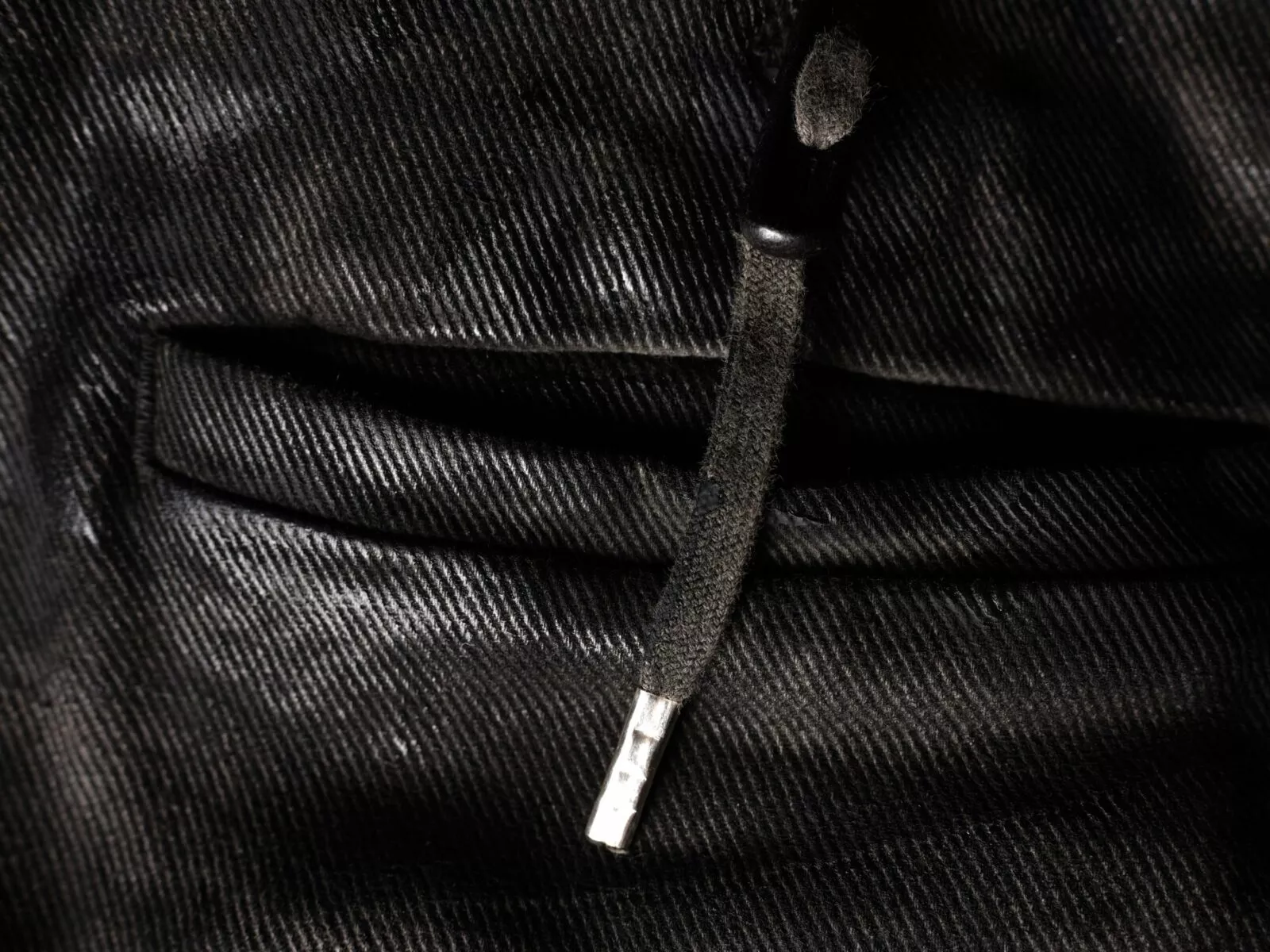
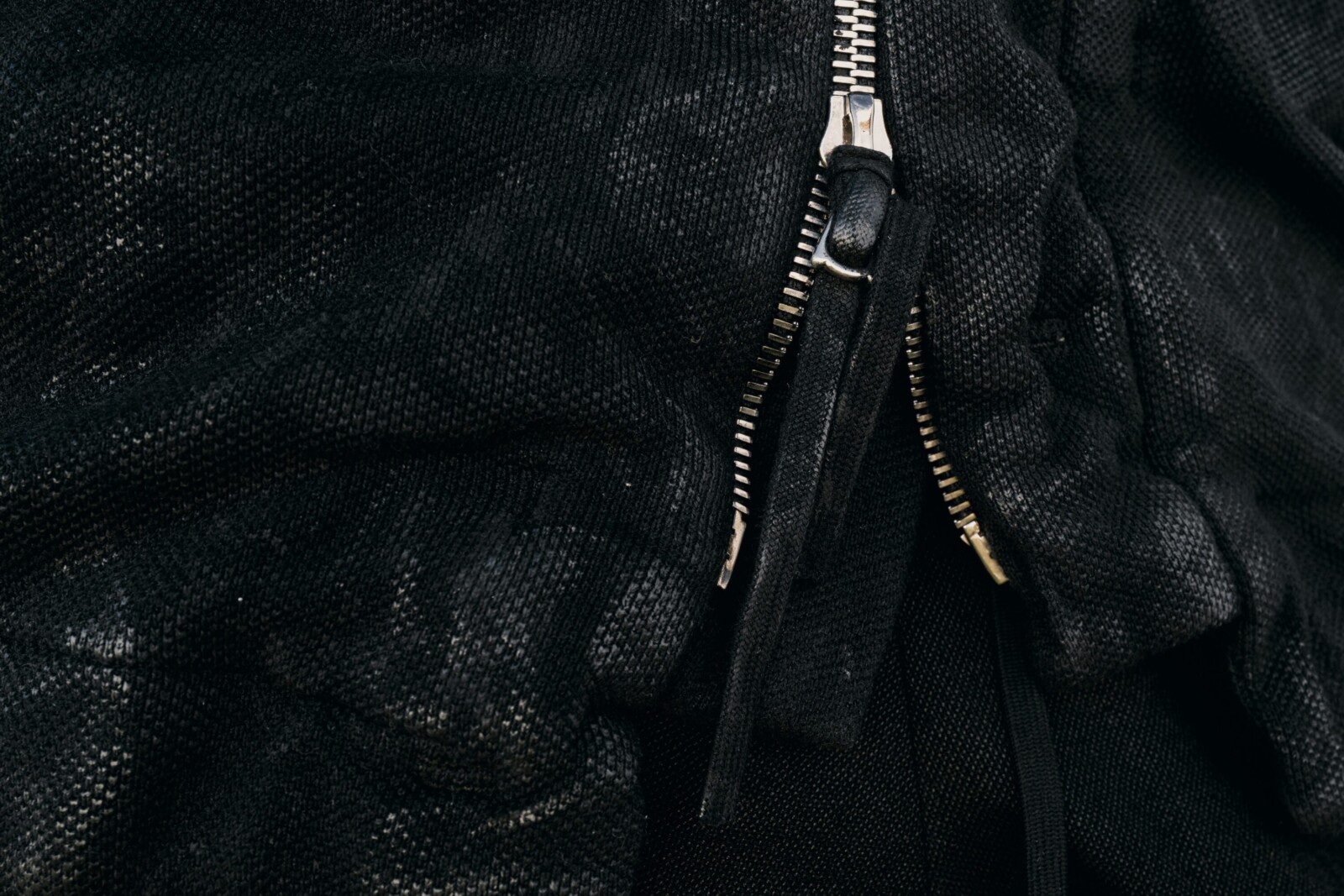
Авангардная мода и техноодежда
Слияние авангардной моды и техно-одежды представляет собой одно из самых интеллектуально строгих и материально трансформирующих событий в современной одежде. Далеко не мимолетная субкультурная тенденция или косметическое стилирование, это пересечение объединяет философскую антиортодоксию авангардного дизайна с бескомпромиссными требованиями производительности в аэрокосмической, военной и экстремальной инженерии. Происходя из индустриальных текстильных лабораторий Массимо Ости в C.P. Company и минималистским утилитаризмом Хельмут Ланг, дисциплина достигла радикальной реализации через кинетическую архитектуру Эрролсона Хью в ACRONYM. На протяжении последних трех десятилетий этот функциональный авангард постоянно переопределял отношения между одеждой и носителем — синтезируя скульптурные, постапокалиптические силуэты Такэру Хорикавы Julius, анатомическую биомеханику Дайсуке Нисида DEVOA, материальную алхимию Boris Bidjan Saberi, и гиперинженерные мембраны Ten C и NEMEN в бескомпромиссную sartorial экосистему.
Функциональный поворот: конструктивизм, военный избыток и индустриальное происхождение
Чтобы рассмотреть техно-одежду через призму авангардной моды, необходимо деконструировать ложную дихотомию между художественным экспериментом и чистой утилитарностью. На протяжении истории одежды высокая мода часто привилегировала орнаментальный показ, символическую иерархию и аристократический досуг над физической эффективностью. Тем не менее, самые ранние авангардные движения двадцатого века признали, что истинный радикализм заключается в абсолютной утилитарной рационализации.
Как задокументировано в наших основополагающих исследованиях по конструктивизму и функциональной одежде и Принципы Баухауса в моде, ранние художники двадцатого века, такие как Варвара Степанова и Любовь Попова, отвергли буржуазный декоративный излишек. В своих прозодежда (производственных одеждах) проектах начала 1920-х годов одежда была задумана как механические инструменты: спроектированные с модульными геометрическими панелями, тяжелыми неотбеленными хлопковыми твилами и стратегически расположенными карманами, откалиброванными специально для промышленного труда. В то же время итальянские футуристы — проанализированные в футуризме и рождении радикальной одежды— отстаивали скорость машин, синтетические промышленные волокна и динамическое движение над классической отделкой.
После Второй мировой войны быстрые технологические достижения, сделанные для боевой авиации, альпийской войны и выживания в аэрокосмической сфере, проникли в сознание гражданского населения. Избыточный военный рынок предоставил художникам, диссидентам и субкультурам одежду, сконструированную из плотно сплетенного хлопка Ventile, рипстоп-нейлона и тяжелых канвасов с замысловатыми вставками, штормовыми клапанами и многоточечными ремнями. В то время как послевоенные модные дома в основном придерживались силуэтов в форме песочных часов или коктейльных силуэтов, функциональная лексика летней куртки, парки с хвостом и парашютного комбинезона заложила техническую основу для того, что появится десятилетия спустя как техническая авангардная одежда.
Массимо Ости и итальянская материальная лаборатория: C.P. Company, Stone Island и индустриальные мембраны
Переход функциональной рабочей одежды и военного излишка в согласованный язык роскошного дизайна был инициирован не в Париже, а в регионе Эмилия-Романья в Италии графическим дизайнером, ставшим новатором в одежде, Массимо Ости. Основав Chester Perry в 1971 году (позже переименован в C.P. Company в 1978 году) и затем Stone Island в 1982 году, Ости работал в индустриальной лаборатории, а не в традиционной модной ателье.
Ости систематически деконструировал военные одежды — закупая десятки тысяч винтажных функциональных предметов у европейских вооруженных сил — чтобы извлечь их механическую логику. Его вклад изменил материальную лексику современной моды по трем основным векторам:
- Окрашивание одежды (Tinto in Capo): До Ости одежда шилась из предварительно окрашенных тканей для поддержания хроматической согласованности. Ости спроектировал неокрашенные одежды, состоящие из нескольких различных волокон — таких как нейлон, хлопок и полиуретан — и погружал полностью собранный предмет в высоконапорные химические красильные ванны. Поскольку каждое волокно поглощало красители с разной скоростью, одежда выходила с насыщенными тональными градациями, предварительно смягченным драпированием и неоспоримой художественной патиной, которая соединяла индустриальное массовое производство и художественную индивидуальность.
- Индустриальное покрытие и резинизация: В 1982 году Ости открыл “Tela Stella” — тяжелую, жесткую ткань для грузовиков, пропитанную контрастными пигментами с обеих сторон. Подвергнув этот индустриальный текстиль агрессивной каменной стирке с энзимами, он создал водоотталкивающую, ветрозащитную ткань с мягкой текстурой старой кожи. Затем он спроектировал сатин с резиновым покрытием, термореактивные текстильные волокна, которые меняли цвет в зависимости от окружающей температуры (Ice Jacket, 1989), и отражающие нейлоновые куртки, встраиваемые с тысячами микроскопических стеклянных шариков.
- Интегрированная защитная архитектура: Иконическая куртка Goggle Jacket 1988 года Ости — изначально разработанная для гонки на выносливость Mille Miglia — интегрировала защитные линзы из ацетата в капюшон на шнурке и прозрачную выпуклую линзу на левом запястье (“просмотр часов”), позволяя водителям проверять свои хронографы на высокой скорости в слепящем дожде и грязи.
Строгая архивная методология Ости продемонстрировала, что высококачественная мужская одежда может извлекать божественную красоту не из декоративных отделок, а из гиперфункциональной материальной химии. Эта материальная инновация глубоко повлияла на последующих итальянских мастеров, включая Пола Харви и Алессандро Пунгетти в Ten C, и Леонардо Фасоло в NEMEN, которые продолжают раздвигать границы индустриального окрашивания и технических ламинатов.
Минималистский авангард 1990-х: Хельмут Ланг, Prada Sport и индустриальный монохроматизм
Хотя Ости установил текстильную химию технической спортивной одежды, 1990-е годы представили интеллектуальную, минималистскую строгость, которая объединила технические элементы с высокой модой. На переднем крае этой трансформации стоял австрийский дизайнер Хельмут Ланг.
Произведения Ланга с 1994 по 2004 год установили визуальную и концептуальную грамматику современной городской техно-одежды. Работая с клиническим, судебным взглядом, Ланг убрал декоративную буржуазную отделку, заменив бархатные лацканы и роговые пуговицы на индустриальный баллистический нейлон, тактические жилеты в стиле пуленепробиваемых, отражающие безопасные полосы и скрытые внутренние ремни для связывания:
- Внутренние системы переноски: Ланг ввел эластичные внутренние ремни в тяжелые зимние парки и технические летные куртки. Носители могли снимать свои куртки в помещении, не неся их, перекидывая одежду через плечи, как рюкзак — функциональная деталь, которая напрямую предвосхитила современные системы подвешивания техно-одежды.
- Эргономика кобуры: Опираясь на военное тактическое снаряжение и ремни правоохранительных органов, Ланг разработал нагрудные системы, модульные поясные кобуры и асимметричные карманы для ног, выполненные из высокопрочного черного нейлона и резинизированного канваса, интегрируя тактическую утилитарность в роскошные коллекции на подиуме.
- Подрыв формальной одежды: Срезая классические двубортные костюмы из водоотталкивающих технических микроволокон и сочетая их с утилитарными парками с высоким воротником и прозрачными резиновыми рубашками, Ланг разрушил границу, отделяющую утилитарную рабочую одежду от роскошной отделки, действуя непосредственно в философии анти-моду.
Параллельно с Лангом, Миучча Прада запустила Prada Sport (Linea Rossa) в 1997 году, сочетая высокую моду миланского минимализма с экстремальными требованиями конкурентного парусного спорта (кампания Luna Rossa America’s Cup). С бесшовными соединениями, скрытыми застежками на молнии, ветрозащитными мембранами Gore-Tex и культовой красной резиновой вкладкой, Prada Sport легитимизировала высокопроизводительные синтетические материалы в роскошном пантеоне.
В Токио, Yohji Yamamoto обнял высокопроизводительную спортивную одежду с запуском в 2002 году Y-3 в партнерстве с adidas. Уже преобразив глобальную моду через японскую модную революцию в Париже, Ямамото привнес свои широкие, объемные драпировки в технический неопрен, склеенные эластаны и современные системы амортизации, демонстрируя, что техническая спортивная одежда может обладать монументальными авангардными силуэтами.
Кибернетический горизонт: Эрролсон Хью, ACRONYM и кинетическая архитектура
Если Хельмут Ланг и Массимо Ости предоставили чертежи, канадский дизайнер Эрролсон Хью и Микаэла Захенбахер революционизировали всю среду, основав ACRONYM в Мюнхене в 1994 году (представив свою революционную первую коммерческую капсулу, ACR KIT-001, в 2002 году). ACRONYM был задуман не как коллекция одежды, а как интегрированная кинетическая аппаратная платформа, предназначенная для оптимизации человеческой активности в сложных городских условиях.
Обученный боевым искусствам и промышленному дизайну, Хью подходил к одежде как к кинетической архитектуре. ACRONYM полностью отверг сезонный модный календарь, разрабатывая одежду в течение много лет исследовательских и опытно-конструкторских циклов. Хью разработал запатентованные механические системы, которые решали реальные физические проблемы, с которыми сталкиваются современные городские жители:
- Gravity Pocket: Запатентованный двунаправленный карман на рукаве, сконструированный с точными геометрическими углами и кнопками-застежками. Поворачивая предплечье вперед и нажимая на внешнюю кнопку манжеты, носитель позволяет хранящемуся смартфону или компактному устройству мгновенно скользнуть в ладонь благодаря гравитации, устраняя трение при расстегивании или поиске в карманах.
- EscapeZip: Специальная разъемная передняя молния, которую можно расстегнуть традиционным способом или мгновенно освободить одним плавным движением вверх за воротник, позволяя носителю сбрасывать тяжелые водонепроницаемые оболочки в экстренных тактических ситуациях или при быстром перемещении.
- JacketSling: Внешний или внутренний несущий ремень, который крепится поперек торса, позволяя носителю снять куртку, не держа ее в руках или не убирая, сбалансировав вес одежды симметрично по всей спине.
- Interops System: Точно сконструированная диагональная или боковая молния, которая позволяет носителю взаимодействовать без швов с подлежащей сумкой-мессенджером или рюкзаком 3rd Arm, не расстегивая внешнюю защитную оболочку, сохраняя полную водонепроницаемость в условиях сильного дождя.
- Sound Force / TEC SYS: Интегрированные неодимовые магниты, расположенные внутри воротника для крепления кабелей наушников, когда они не используются, в сочетании с лазерно вырезанными сетками PALS/MOLLE, которые позволяют модульное крепление сумок и аксессуаров.
Технический радикализм ACRONYM привлек внимание глобальных спортивных гигантов и домов высокой моды. Хью был приглашен разработать первые коллекции Arc’teryx Veilance в 2009 году, привнеся минималистичную конструкцию с проклеенными швами 3L GORE-TEX Pro в архитектурную мужскую одежду. С 2014 по 2018 год Хью возглавил обновление NikeLab ACG (All Conditions Gear), представив артикулированные брюки-карго с низкой посадкой, раздвижные капюшоны и модульные оболочки широкой аудитории, одновременно сотрудничая с Карло Риветти над проектом Stone Island Shadow (2008–2021).
Артизанский техно-одежда и симбиоз темного авангарда: Юлий, DEVOA и Борис Биджан Сабери
В то время как ACRONYM подходил к техноодежде через призму киберпанкового функционализма и аэрокосмических текстилей, дизайнеры в темной авангардной экосистеме интегрировали техническую производительность в художественную, подпольную эстетику — эволюция, исследуемая в нашем исследовании происхождения и эстетики темной авангардной моды и сцена темной одежды 2000-х.
В Токио Татсуро Хорикава дебютировал с показами на подиуме для Julius начиная с 2004 года, сосредоточив коллекции на индустриальном техно, постапокалиптической литературе и дистопической городской войне. Хорикава синтезировал высокопроизводительные военные ремни с жестким готическим брутализмом. Фирменные брюки-карго Julius “противогаз” имели монументальные трехмерные карманы с бочкообразными складками, закрепленные тяжелыми нейлоновыми ремнями, артикулированные спиральные колени и потертые поверхности, вымытые маслом. Julius доказал, что техническая функциональность может передавать ощутимый эмоциональный страх и кинематографическую драму.
Тем временем бывший тренер по борьбе и медицинский спортивный тренер Дайсуке Нисида запустил DEVOA в 2008 году. Вместо того чтобы чертить одежду на плоском бумаге или полагаться на стандартные манекены портных, Нисида создавал выкройки, основанные на кинезиологии и анатомии человеческих мышц:
- Анатомическая артикуляция: Нисида разработал многослойные брюки и куртки, которые следовали естественному изгибу бедра, бицепса и позвоночника. Панели изгибались вдоль мышечных тел, позволяя носителю спринтовать, приседать или вытягивать конечности, не поднимая одежду или не зажимая суставы.
- Органические-технические гибриды: DEVOA стал пионером сочетания традиционных японских художественных текстилей — таких как пряжа из бумаги васи и ультратонкие шерстяные габардины — с швейцарскими мембранами Schoeller, водонепроницаемыми шовными лентами и керамическими покрытиями. Результатом стали изделия, обладающие тактильной душой натуральных волокон с показателями производительности высокогорных альпийских оболочек.
- Кинетическая эргономика: Вместе с DEVOA, Томоаки Оканива The Viridi-anne объединил японскую эстетику ваби-саби с бесшовной связкой пуха, водоотталкивающими молниями и артикулированными коленными дартсами.
В Европе немецко-персидский дизайнер Boris Bidjan Saberi связал разрыв между скейт-культурой, хип-хопом, ближневосточной кочевой драпировкой и альпинистским снаряжением из своей барселонской ателье. Сабери представил “Object Dyecord” — высокопрочные альпинистские веревки, интегрированные непосредственно в подолы и рукава одежды, которые позволяют носителю затягивать и изменять силуэт одежды, пока он подвешен. Одежда Сабери имела термо-сваренные водонепроницаемые шовные ленты на растительном дубленом конском кожаном, виниловые обработки и манжеты с отверстием для большого пальца, создавая эстетику, которая одновременно казалась доисторической и межпланетной.
Эта художественная техническая линия продолжается в современных студиях, таких как enfin levé (специализирующихся на индивидуальных художественных изделиях с использованием Schoeller Dryskin и Stotz Etaproof), HAMCUS (разрабатывающих научно-фантастические постапокалиптические тактические системы с модульными магнитными аксессуарами), и Carol Christian Poell, чьи “капельные” резиновые кроссовки с проклеенными швами и протезы с титановыми вставками раздвинули границы прочности материалов до скульптурных пределов.
Материаловедение и эргономическая таксономия: неевклидское моделирование, мембраны ePTFE и высокопроизводительные текстили
Что отличает подлинную авангардную техноодежду от поверхностной уличной одежды, так это непоколебимая приверженность материалам науки и эргономической геометрии. Вместо того чтобы применять декоративные пряжки или избыточные ремни к традиционным плоским выкройкам, технические авангардные изделия строятся вокруг трех основных дисциплин:
1. Нонеуклидическая и кинетическая разработка выкроек
Традиционная западная портняжная работа основывается на плоских, прямоугольных блоках выкроек, которые сжимаются или контурируют торс через дартсы. В отличие от этого, технические авангардные модельеры используют нонеуклидическую геометрию:
- Алмазы подмышечных вставок: Бесшовная ромбовидная вставка, соединяющая боковой шов грудной клетки с внутренним рукавом, устраняющая трение в пройме и позволяющая полное вращение плеча на 360 градусов без вытаскивания подола куртки из положения.
- Артикулированные дартсы колен и локтей: Анатомические швы, вырезанные с предизогнутым скошенным формированием, которые имитируют отдых 15-20 градусов сгибания человеческих суставов, предотвращая сборку ткани за коленом и устраняя напряжение на надколеннике во время движения.
- Спиральная архитектура шва: Ноги, нарисованные как одна непрерывная спиральная панель, обвивающая конечность от тазового основания до подола лодыжки. Это распределяет структурное напряжение по диагонали по ноге, а не концентрирует износ на одном линейном шве.
2. Передовые текстильные мембраны и полимеры
Дизайнеры технического авангарда работают на переднем крае синтеза промышленных текстилей, используя материалы, изначально разработанные для аэрокосмической, морской и специализированной военной обороны:
- Расширенный политетрафторэтилен (ePTFE): Микропористая мембрана в основе GORE-TEX Pro. Мембрана содержит более 9 миллиардов микроскопических пор на квадратный дюйм. Каждая пора в 20 000 раз меньше капли воды — предотвращает проникновение дождя — но в 700 раз больше молекулы водяного пара, позволяя поту испаряться наружу при физической нагрузке.
- Композиты из высокоплотного полиамида/полиэстера: Разработанные Ten C с их фирменным OJJ (Original Japanese Jersey) — нетканый микрофибровый трикотаж, связанный в Японии и сжатый под экстремальным термальным давлением в Италии. OJJ полностью водоотталкивающий, ветронепроницаемый и со временем образует индивидуальные блеск и складки, как тяжелый сырой деним.
- Schoeller Dryskin и NanoSphere: Швейцарская двусторонняя биэластичная ткань, разработанная с синтетическими полиамидами на внешней стороне и функциональными микрофибрами, отводящими влагу, на коже. Ткань включает в себя нанотехнологию NanoSphere, имитирующую микроскопическую структуру поверхности листа лотоса, чтобы легко сбрасывать грязь, масло и жидкие загрязнители.
- Ультравысокомолекулярный полиэтилен (UHMWPE / Dyneema): Известный как композитная ткань или Cuben Fiber, UHMWPE предлагает соотношение прочности к весу в пятнадцать раз больше, чем у высококачественной стали. Используемый авангардными обувниками и ателье верхней одежды, Dyneema обеспечивает экстремальную стойкость к порезам и абсолютную гидростатическую водонепроницаемость при незначительном весе ткани.
- Stotz Etaproof / Ventile: Разработанный во время Второй мировой войны для британских пилотов истребителей, этот текстиль использует 100% экстра-длинные неочищенные хлопковые волокна, пряденые в плотные нити. При воздействии дождя хлопковые волокна набухают, создавая естественный гидростатический барьер, который остается совершенно тихим, дышащим и биодеградируемым.
Сравнительная таксономия: подлинный технический авангард против косметической техно-одежды
Внезапная популярность в интернете “техно-одежды” в конце 2010-х привела к широкомасштабной коммерциализации. Критическая научная таксономия должна различать подлинную авангардную инженерию и косметический стиль “молл-ниндзя”:
| Дизайн Размер | Косметическая “техно-одежда” уличной моды | Подлинный авангардный технический дизайн |
|---|---|---|
| Проектирование выкроек | Стандартный цилиндрический крой быстрого модного производства с добавленной декоративной нейлоновой лентой | Неевклидово кинетическое проектирование; спиральные вырезы, артикулированные суставы, ромбовидные вставки |
| Тканевый субстрат | Дешевый 100% недышащий полиэстер или обработанный хлопок; не выдерживает дождь | Высококачественный ePTFE (GORE-TEX Pro), Schoeller Dryskin, Stotz Etaproof, микрофибры OJJ |
| Фурнитура и застежки | Обычные пластиковые зажимы, незабрендированные неводонепроницаемые молнии, нефункциональные D-образные кольца | Магнитные замки Fidlock, немецкие пряжки Cobra, YKK Aquaguard, молнии riri высокой прочности |
| Конструкция швов | Стандартная оверлоковая строчка; сырые отверстия от иглы пропускают воду | Ультразвуковая сварка, лазерная резка, трехслойные термополиуретановые микротканевые швы |
| Эргономическая цель | Чисто визуальный косплей, имитирующий аниме или дистопическую тактическую эстетику | Кинетическая оптимизация; распределение веса, быстрый доступ, терморегуляция, полная мобильность |
| Философия производства | Массово производимая быстрая мода с быстрой устареванием | Ограниченное производство в художественных лабораториях, многолетние циклы НИОКР, десятилетия ремонтопригодности |
Авангардная техно-одежда представляет собой абсолютную антипод поверхностного украшательства. Используя передовую полимерную химию, эргономическое кинезиологическое проектирование и радикальную структурную философию, дизайнеры от Массимо Ости и Хельмута Ланга до Эрролсона Хью, Тацуро Хорикавы и Дайсуке Нисиды создали новую sartorial парадигму: одежду, спроектированную не как социальный театр, а как автономное, защитное технологическое убежище для человеческого тела.
Дополнительное чтение: Роскошные авангардные бренды техно-одежды
Хотя этот академический трактат исследует историческую эволюцию, материаловедение и кинетическую архитектуру, объединяющие авангардный дизайн с высокопроизводительной утилитарностью, современный sartorial ландшафт движется активным авангардом независимых ателье и домов роскошной производительности. Для основного кураторского обзора основных брендов, технических подписей и знаковых силуэтов, определяющих современное движение, прочитай наш специальный гид: Роскошные авангардные бренды техно-одежды, которые ты должен знать.
Ссылки и дальнейшее чтение
- Wikimedia Foundation — Массимо Ости: Текстильная инженерия и промышленный дизайн одежды
- Wikimedia Foundation — C.P. Company: История, инновации в ткани и функциональная верхняя одежда
- Wikimedia Foundation — Научные исследования мембраны Gore-Tex и водонепроницаемые дышащие текстили
- Киотский институт костюма (KCI) — Цифровые архивы Киотского института костюма: Японский авангард и техническая мода
- Wikimedia Foundation — Функциональная одежда: Защитные, термальные и эргономичные системы одежды