Modernismo de posguerra y vestido experimental
Tras la devastación de la Segunda Guerra Mundial, la moda se dividió entre el escapismo nostálgico y el radicalismo arquitectónico moderno. Mientras que el “New Look” de Christian Dior de 1947 reinstauró la corsetería del siglo XIX, corsés con varillas y caderas acolchadas, los couturiers de vanguardia liderados por Cristóbal Balenciaga, Charles James y Claire McCardell llevaron a cabo una profunda contrarrevolución. Al liberar el torso de la constricción burguesa, movilizando sedas arquitectónicas pesadas y eliminando costuras superfluas, el vestido experimental de la posguerra transformó la ropa de ornamentación decorativa en una disciplina autónoma y tridimensional que estableció la silueta moderna de vanguardia.
La fractura ideológica de la posguerra: retroversión versus abstracción
La conclusión de la Segunda Guerra Mundial en 1945 dejó a Europa físicamente destrozada, financieramente empobrecida y culturalmente desorientada. El sistema de moda, centrado en los históricos atelieres de París, enfrentó un cruce existencial. En febrero de 1947, Christian Dior presentó su primera colección de alta costura, bautizada por Carmel Snow como el “New Look”. La estética de Dior fue un retiro deliberado y nostálgico hacia la lujosa seguridad del siglo XIX: cinturas pequeñas, corsés con varillas, caderas fuertemente acolchadas y faldas largas hasta los tobillos que requerían hasta veinte metros de tela.
Mientras que el New Look fue celebrado como una alegre resurrección de la opulencia femenina parisina tras años de austeridad y racionamiento, los modernistas y diseñadores progresistas lo vieron con profunda consternación. Imponer una silueta de reloj de arena a través de un rígido armazón interno y compresión física era, en esencia, reconstruir la jaula anatómica patriarcal que los vanguardistas de principios del siglo XX habían luchado tan ferozmente por desmantelar.
En oposición al historicismo retrospectivo de Dior, una vanguardia de diseñadores radicales siguió un camino completamente diferente: modernismo de posguerra.. En lugar de forzar el cuerpo femenino de vuelta a un modelo artificial de la Belle Époque, abordaron el diseño de prendas como una disciplina espacial, de ingeniería y arquitectónica autónoma. El cuerpo ya no se trataba como un maniquí de corsé que debía ser ajustado, sino como un centro cinético activo alrededor del cual podían flotar planos escultóricos tridimensionales con total libertad física.
Cristóbal Balenciaga: el arquitecto de la alta costura
En la cúspide de este modernismo arquitectónico se encontraba el maestro vasco Cristóbal Balenciaga. Mientras que sus contemporáneos drapeaban la tela instintivamente o dibujaban ilustraciones de moda para ser interpretadas por los mejores sastres, Balenciaga era un consumado patronista técnico que entendía cada punto de tensión, la dirección del hilo y el margen de costura. Christian Dior lo llamó famosamente “el maestro de todos nosotros”, mientras que Gabrielle Chanel concedió que Balenciaga era el único verdadero couturier capaz de cortar tela, ensamblar una prenda y coserla a mano.
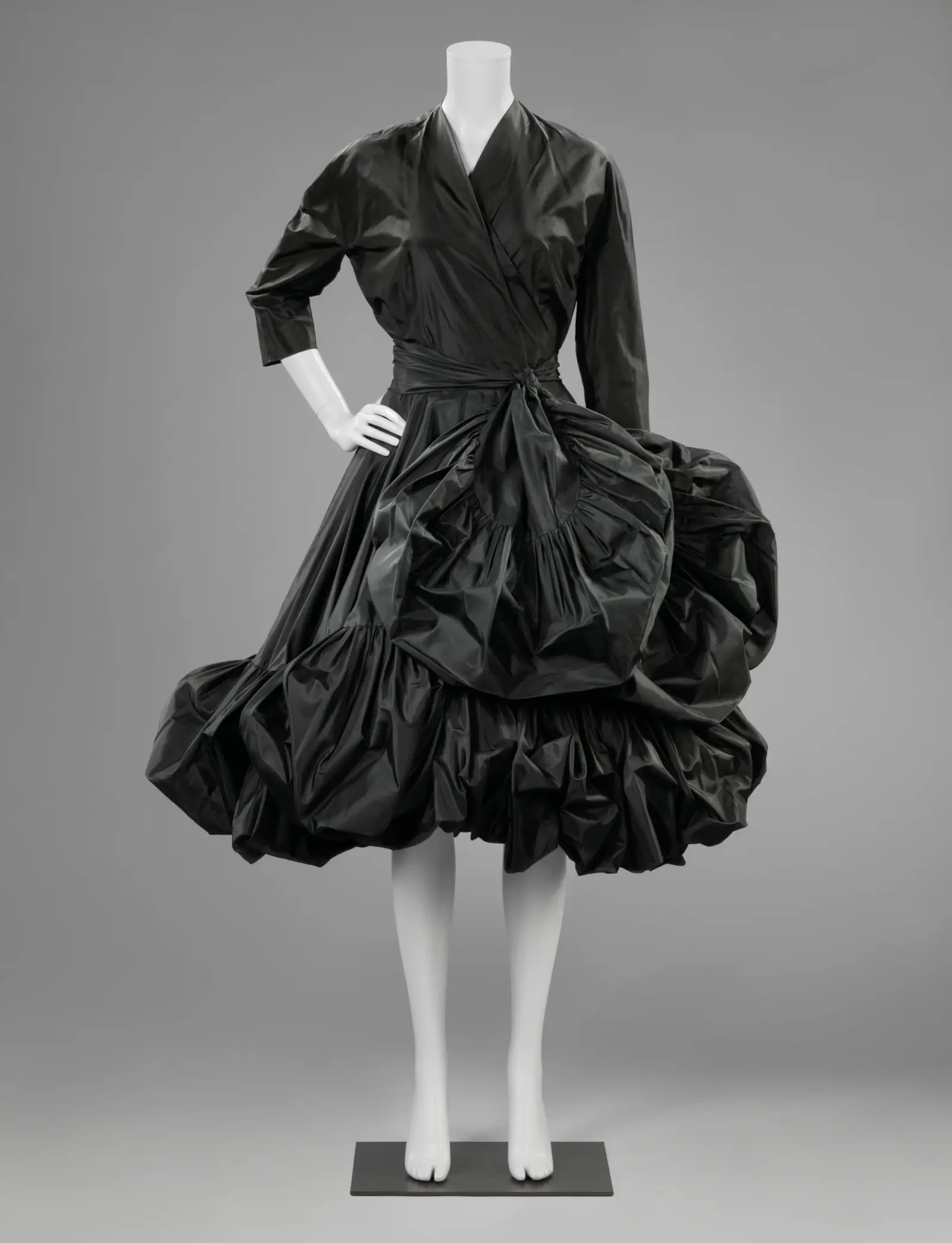
A partir de finales de la década de 1940 y acelerando a través de la década de 1950, Balenciaga lanzó un asalto formal sistemático contra la silueta femenina convencional. En lugar de confeccionar prendas que se ajustaran a la piel, introdujo un volumen vacío (lo que la estética japonesa llama ma) entre la tela y la carne. El espacio dentro de la prenda se volvió tan crítico como la propia cubierta textil.
Sus intervenciones estructurales siguieron una progresión cronológica de abstracciones radicales:
- La Línea de Barril (1947): Hombros suavemente redondeados y una espalda curva y elíptica que se ensanchaba a través de los omóplatos y se estrechaba en el dobladillo, rechazando la verticalidad rígida de la sastrería tradicional.
- El Traje Semi-Ajustado (1951): Ajustado y ceñido en el torso delantero, mientras que colgaba completamente recto y suelto en la parte posterior, creando una realidad visual dual que respondía dinámicamente a medida que la usuaria caminaba.
- El Vestido Túnica (1955): Una silueta rectilínea limpia de dos piezas que consiste en una sobre-túnica recta, de largo hasta la cadera, llevada sobre una falda lápiz estrecha, reduciendo el vestido a dos planos rectangulares que se intersectan.
- El Vestido Saco / Quimono (1957): Una columna de lana sin cinturón y sin cintura que evitaba completamente el busto, la cintura y las caderas, provocando la indignación entre los críticos de moda que acusaron a Balenciaga de eliminar la forma femenina.
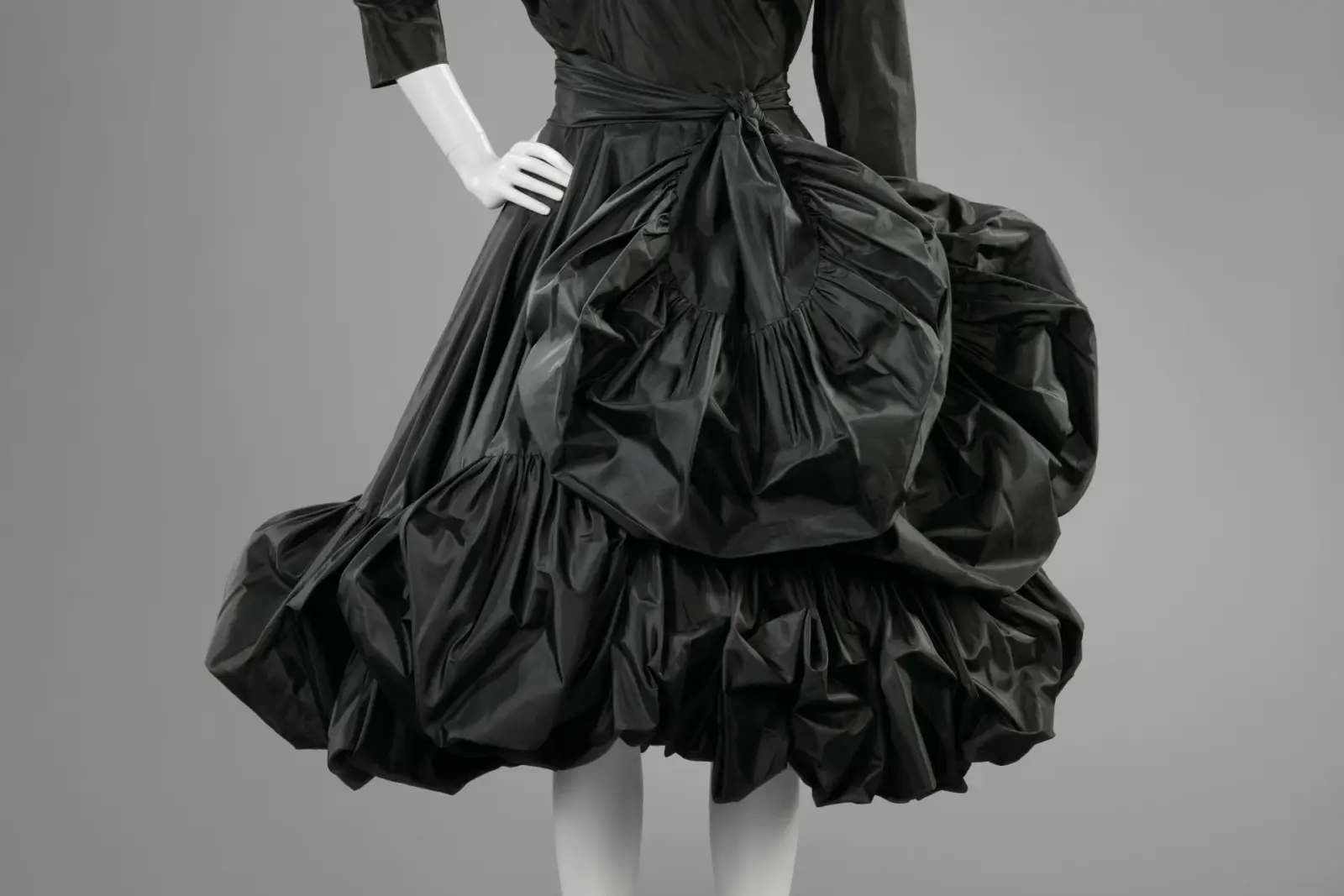
- El Vestido Baby Doll (1958): Un trapezoide de cintura alta que se expandía dramáticamente desde las clavículas en una campana triangular flotante de tafetán de seda, dando a la usuaria un completo desapego anatómico.
- El Vestido Sobre (1967): Construido a partir de planos plegados de gazar pesado con costuras mínimas, envolviendo el cuerpo como un sobre de origami y creando una escultura cuadrilátera radical en movimiento.
De la línea de barril al vestido saco: liberando la cintura
La introducción del Vestido Saco de 1957 (la robe sac o quimono) representó un momento crucial en la teoría de la moda. Al eliminar completamente la línea de cintura—el antiguo punto focal del vestido femenino occidental—Balenciaga rompió el contrato erótico que definía el valor social de las mujeres a través de la exhibición anatómica.

Inicialmente recibido con burla en la prensa popular—los periodistas bromeaban diciendo que las mujeres parecían papas envueltas en sacos de arpillera—la silueta fue rápidamente adoptada por mujeres que descubrieron su extraordinario confort ergonómico y dignidad modernista. El vestido saco demostró que una prenda podía tener una profunda autoridad visual sin ajustarse al cuerpo.
Simultáneamente, Balenciaga alteró el marco de la cara y el cuello. Cortó los cuellos lejos de la nuca (el “cuello separado”), exponiendo las vértebras del cuello femenino y alargando la garganta sin necesidad de un escote profundo y revelador. Acortó las mangas a la longitud de pulsera (la manga tres cuartos), enmarcando las muñecas y manos como instrumentos expresivos. En las manos de Balenciaga, la ropa no objetivaba a la usuaria; la enmarcaba como una entidad arquitectónica autónoma.
Ingeniería de materiales: gazar, faille y textiles independientes
Realizar estas formas volumétricas sin precedentes requería materiales que no colapsaran ni se drapearan flácidamente contra el cuerpo. El modernismo de posguerra exigía textiles con rigidez estructural, memoria e integridad táctil.
En 1958, Balenciaga se asoció con el fabricante suizo de textiles Abraham y su director, Gustav Zumsteg, para desarrollar una nueva seda revolucionaria: gazar.. Hecha de hilos de seda organzine de alta torsión y doble torsión tejidos con densidad controlada, el gazar poseía una rigidez escultórica similar a la arcilla mientras seguía siendo notablemente ligero. Por primera vez en la historia de la alta costura, una tela podía sostener cúpulas curvas, pliegues cantilever afilados y cuellos independientes alejados del cuerpo sin requerir acolchado de crin, varillas o esqueletos internos de alambre.
Este avance marcó la transición de la confección decorativa a la ingeniería de materiales. Balenciaga cortaba el gazar con economía escultórica, reduciendo las costuras a mínimos matemáticos absolutos. Una capa o abrigo de noche se cortaba frecuentemente de una sola longitud de tela ininterrumpida, dejando que la dirección del textil soportara su propio volumen arquitectónico.
Charles James y la ingeniería matemática de prendas
Al otro lado del Atlántico, en Nueva York, el couturier angloamericano Charles James estaba llevando a cabo experimentos paralelos en la rigurosa construcción arquitectónica de prendas. James se veía a sí mismo no como un modista, sino como un ingeniero y escultor cuyo medio era la tela. Pasó décadas refinando patrones singulares, calculando la fuerza gravitacional, el par y la distribución de tensión de las telas en capas.
Su obra maestra, el vestido de baile “Four-Leaf Clover” (o “Abstract”) de 1953, pesaba más de cinco kilogramos, pero su peso estaba tan equilibrado a través de las caderas y la pelvis que la usuaria experimentaba una completa ligereza física. Construido a partir de treinta piezas de patrón distintas, incluyendo una armadura rígida de pellón, la falda se extendía hacia afuera en cuatro lóbulos matemáticos que nunca tocaban el suelo ni las piernas de la usuaria, funcionando como una estructura cantilever autónoma.
En 1937, James diseñó la primera chaqueta de noche de satén acolchado neumático—rellena con plumas de eider—que anticipó el moderno abrigo acolchado en casi medio siglo. En 1948, Salvador Dalí declaró la chaqueta acolchada de James como “la primera escultura blanda”, reconociendo que James había convertido la construcción de prendas en una rama radical de la escultura moderna.
La huella arquitectónica de la posguerra en el vestido moderno de vanguardia
Las propuestas radicales establecidas por Balenciaga y James entre 1945 y 1968 forman la gramática estructural primaria de la moda contemporánea de vanguardia. Cuando los diseñadores modernos evitan la cintura, ingenian siluetas independientes o manipulan la rigidez de la tela cruda, están extendiendo directamente la línea modernista de posguerra.
Yohji Yamamoto y Comme des Garçons la fundadora Rei Kawakubo reconoció abiertamente a Balenciaga como su predecesor espiritual europeo. Cuando la vanguardia japonesa llegó a París en 1981 con prendas voluminosas, de gran tamaño y completamente negras que evitaban la cintura y flotaban alrededor del cuerpo, los críticos occidentales quedaron sorprendidos—sin embargo, Kawakubo y Yamamoto simplemente estaban universalizando la libertad estructural y el volumen vacío (ma) que Balenciaga había pionero tres décadas antes.
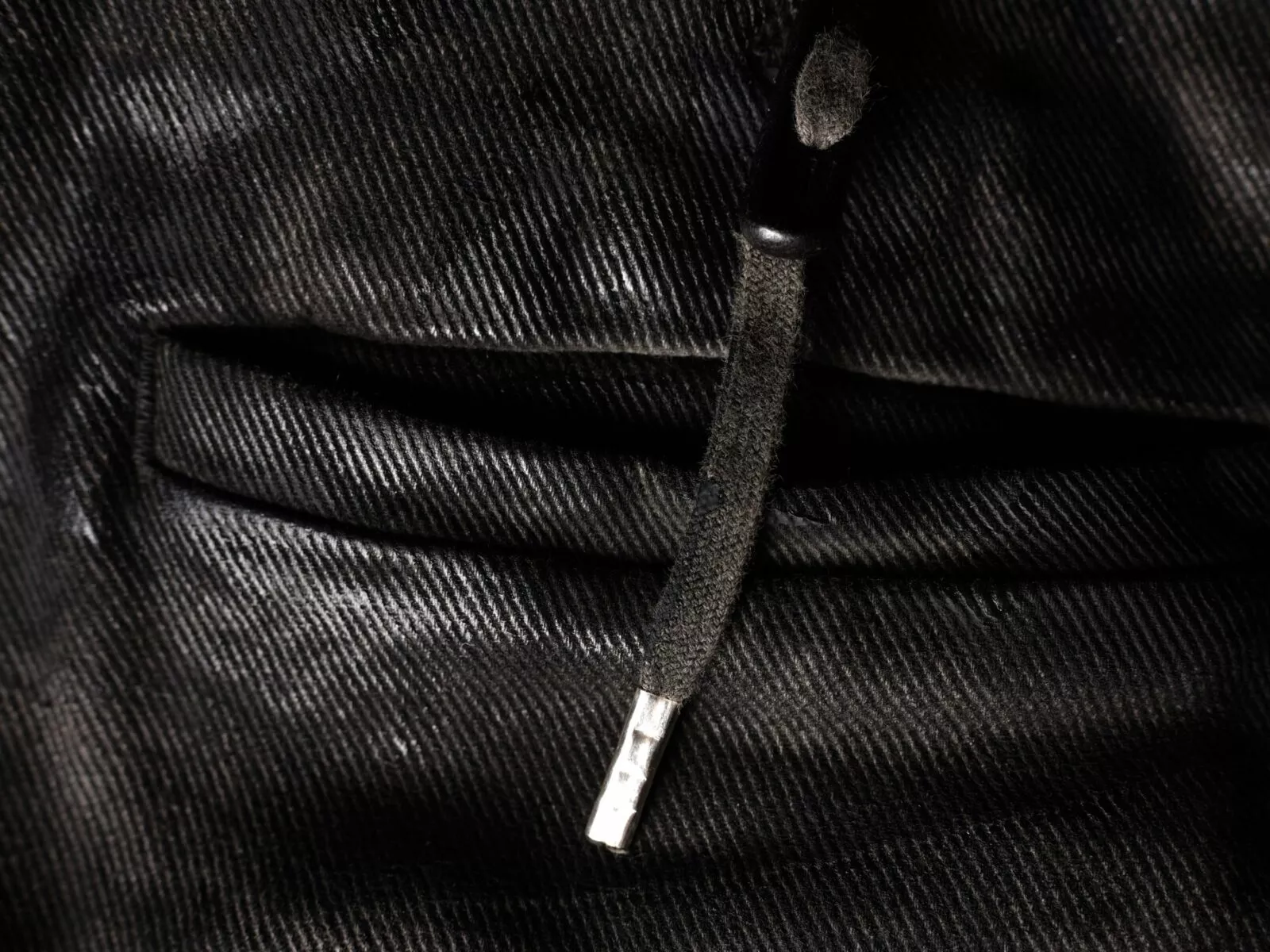
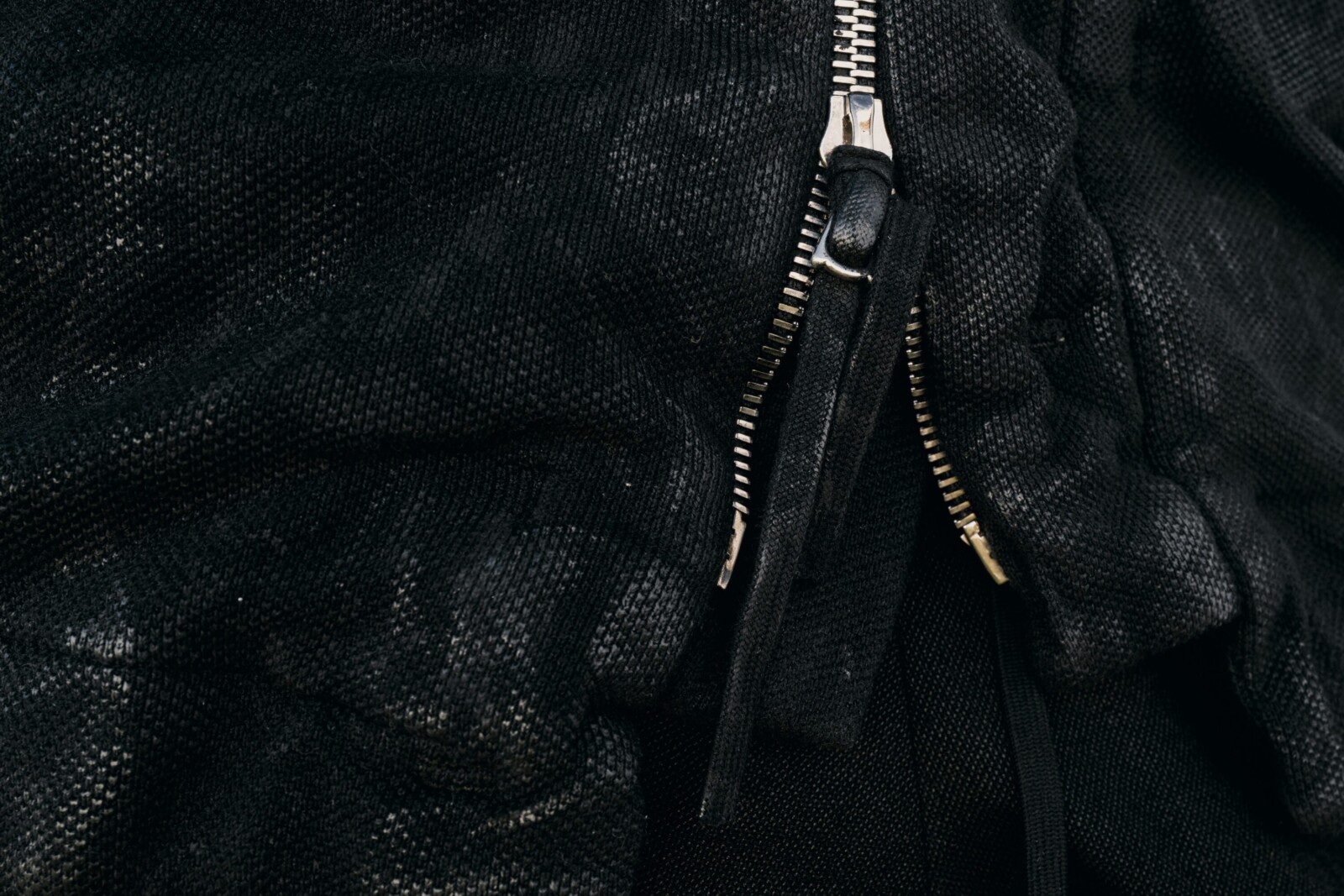
Rick Owens canales la gravedad monástica de Balenciaga en la sastrería post-apocalíptica: cuellos de embudo que enmarcan la garganta, hombros arquitectónicos caídos y faldas columna monolíticas cortadas de cueros rígidos y algodones encerados. De manera similar, Issey Miyake construyó toda su práctica filosófica alrededor de “Un Trozo de Tela”, continuando la búsqueda de Balenciaga por generar formas tridimensionales complejas a partir de longitudes mínimas e ininterrumpidas de material.
El legado radical del modernismo de posguerra demostró que la ropa no deriva su poder de la nostalgia decorativa, sino de la honestidad tectónica, la audacia espacial y la liberación del cuerpo en movimiento dentro de una forma arquitectónica.
Sigue explorando la evolución del vestido radical en Principios Bauhaus en la moda, descubre las subversiones psicológicas de Surrealismo y Moda, y traza la trayectoria histórica completa en Una línea de tiempo completa de la moda vanguardista.
Referencias y lecturas adicionales
- Cassie Davies-Strodder, Lesley Ellis Miller / V&A Publishing — Balenciaga: Modelando la Moda
- El Museo Metropolitano de Arte / Cronología Heilbrunn de la Historia del Arte — Cristóbal Balenciaga (1895–1972)
- Harold Koda, Jan Glier Reeder / El Museo Metropolitano de Arte / Yale University Press — Charles James: Más Allá de la Moda
- Publishers Weekly — El Maestro de Todos: Balenciaga, Sus Talleres, Su Mundo
- Cristóbal Balenciaga Museoa, Getaria — Colección y Archivo del Museo Balenciaga
- Museo Victoria y Alberto — Modelando la Moda: El Legado de Balenciaga