如何穿搭前卫风格
穿着前卫意味着在衣物和身体之间建立一种有意的关系,而不是简单地拼凑一套不寻常的服装。. 从轮廓、比例和运动开始;只有在增强这种结构时,才添加材料对比和细节。最令人信服的衣橱感觉是个人化的、可穿戴的和连贯的——而不是像模仿时装秀或一堆昂贵的信号。.
前卫风格始于一个视角
没有强制性的前卫衣橱。黑色不是必须的;不对称不是会员徽章;一件困难的服装并不自动意味着聪明。从历史上看,前卫设计师挑战了身体、美、性别、制造和社会行为之间的公认关系。从这种传统中穿着意味着在日常生活中做出同样深思熟虑的选择。.
你的视角可能优先考虑保护性体积、严谨的简约、脆弱的层次、可见的构造或因穿着而改变的衣物。在选择单件服装之前,先选择一个核心理念。这会产生连贯性,防止服装变成一堆无关的效果。.
1. 从轮廓开始
轮廓是服装传达的第一信息。在检查标签或细节之前,注意身体和衣物共同形成的边界。它是垂直下垂、在肩部变宽、从躯干弯曲、向脚踝收紧,还是通过下垂的裆部和移位的缝合创造空间?
选择一个主要轮廓,让其余的服装来支持它。一层长而窄的外层可以与下面受控的体积相配合。一件短的建筑风格夹克可以搭配一层更长的内层和宽松的裤子。一件超大号的上衣在下半身重复其体积或故意收缩时会变得更清晰。目标不是普遍的“平衡”,而是可读的关系。.
合身并不等同于传统的迎合
前卫服装可能会遮挡腰部、延伸肩部或将面料与身体分离。但它仍然需要在其结构依赖接触的地方合身:领口、袖孔、手腕、臀部、鞋子和悬挂点。简单地大几号的超大衣物往往会在错误的地方塌陷。专门设计的体积有控制的缝合、重量和平衡。.
2. 控制比例和视觉重量
比例涉及轮廓内部的长度和分割。一件远低于臀部的夹克会改变腿的显著位置。短裤暴露出在厚重鞋子上方的狭窄间隔。延长的袖子减缓手部动作。这些变化之所以有效,是因为它们改变了熟悉的身体测量。.
一开始先处理一个有意义的位移。延长外层、裁剪裤子、抬高领子或夸大宽度——而不是自动处理所有四个。然后看看视觉重量。厚重的皮革、重羊毛和实质性的靴子会将视线向下拉;浅色或透明的布料看起来像是漂浮的。当这些重量感觉被故意分配时,服装就变得连贯。.
测试衣物在运动中的表现
走路、坐下、伸手和使用楼梯。静态的镜子可能会掩盖糟糕的关节动作,只显示最上镜的角度。. Issey Miyake’的衣物展示了面料如何通过运动而发生根本性的变化;; Yohji Yamamoto’的裁剪在空气进入布料与身体之间的空间时获得意义。日常的前卫穿着应该在照片之外保持活力。.
3. 建立一个调色板,而不是默认黑色
黑色是有用的,因为它清晰轮廓,统一各种材料,并允许表面微妙的差异变得可见。它还承载着哀悼、反叛、知识分子穿着、朋克和日本反时尚的历史。但穿黑色并不意味着一套服装就是前卫,避免颜色可能会成为一种未经审视的惯例。.
一个克制的调色板可以包括木炭、墨水、灰尘、棕黑色、氧化灰、骨色和褪色的矿物色调。温度和反射率的差异防止单色服装变得平坦。颜色也可以是结构性的:一种在运动中才显露的朱红色衬里、黑色上的钴蓝色体积,或者几种以相同强度处理的冲突色调。.
如果你刚开始,选择两种相关的基础颜色和一种受控的干扰。在几套服装中重复会让调色板感觉像是个人语言,而不是主题服装。.
4. 让质感和构造承载细节
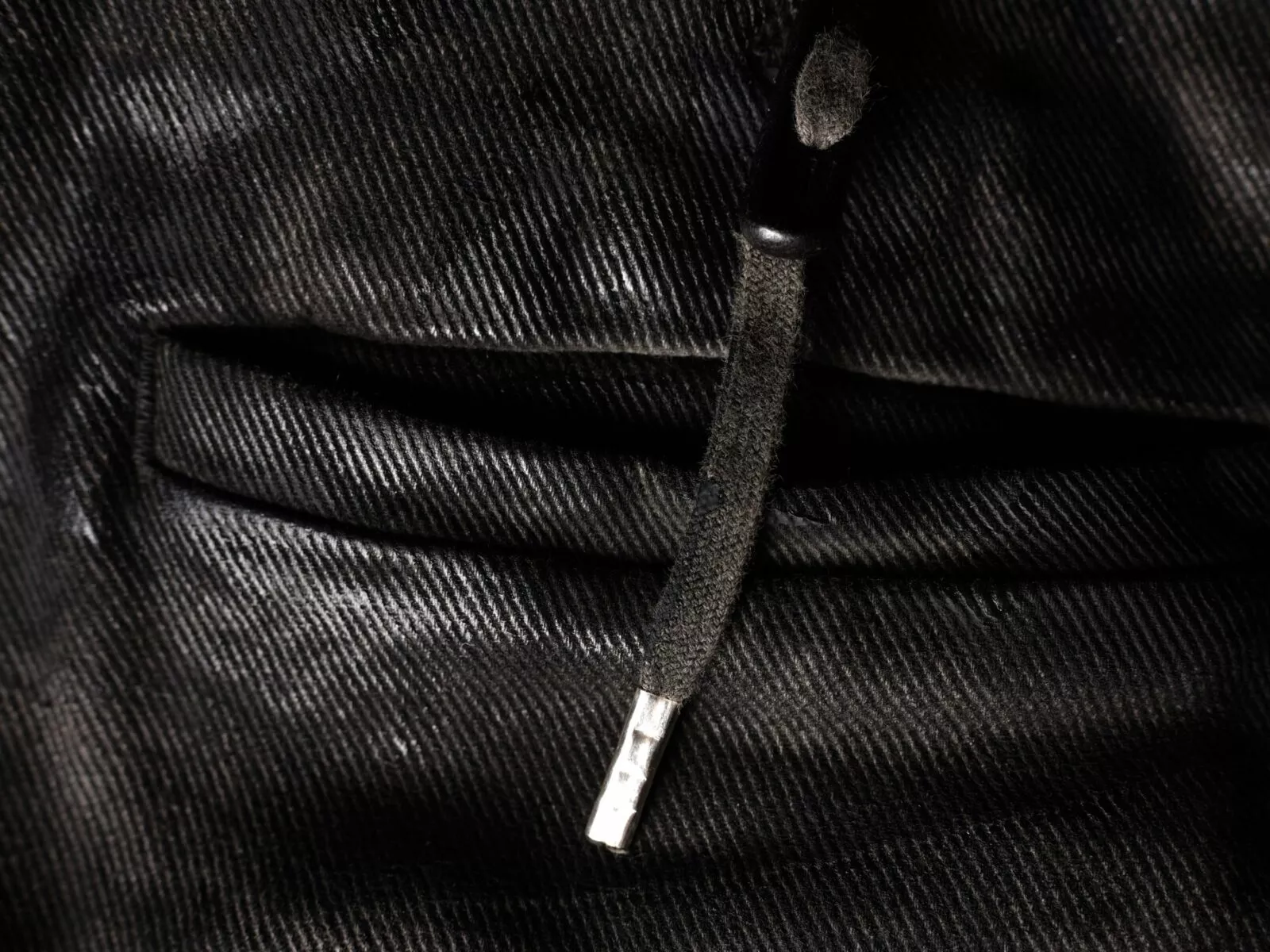
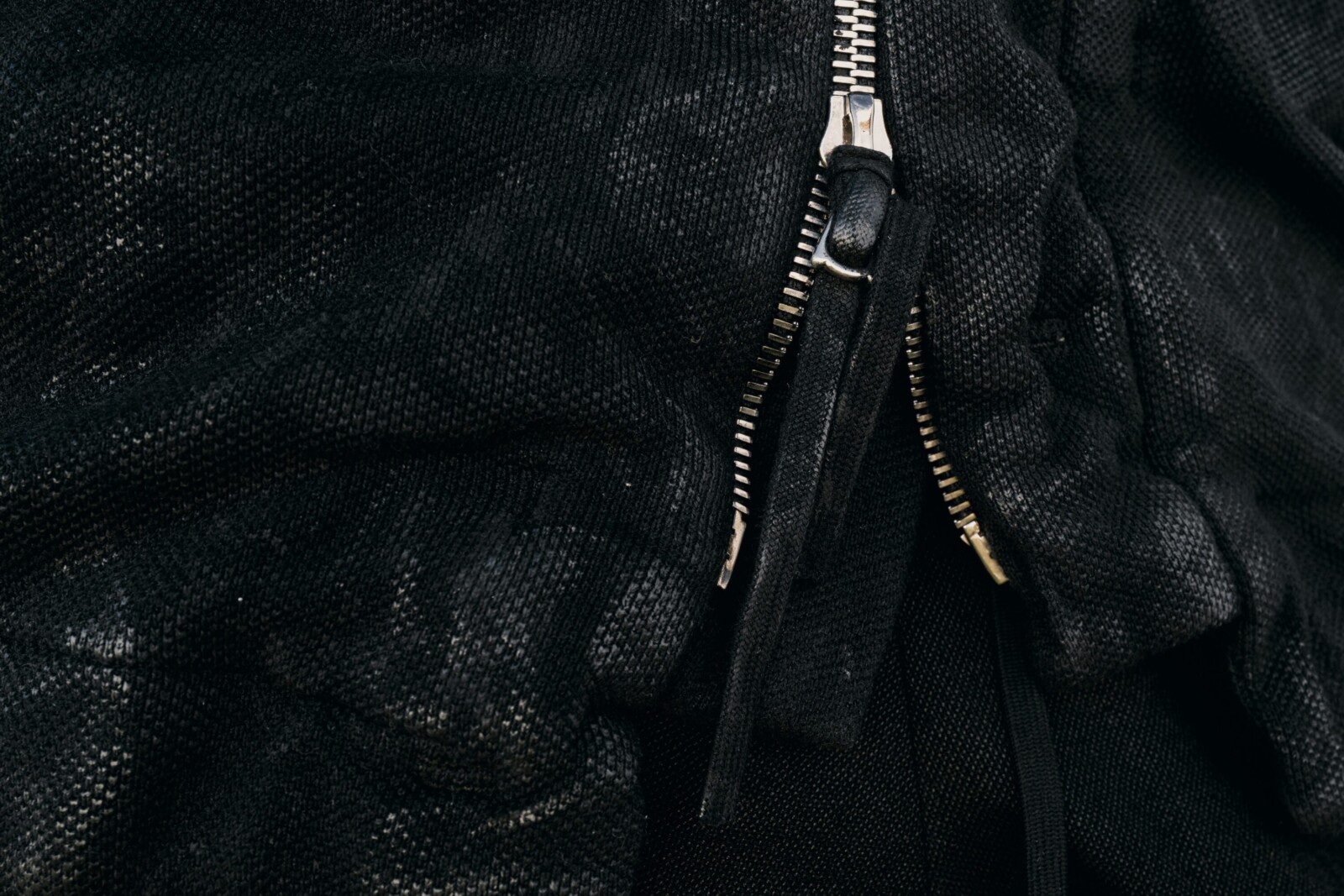
最引人注目的前卫服装奖励亲密感。洗过的羊毛与紧凑的棉花吸收光线的方式不同;物体染色的缝合保留色调的变化;受伤的皮革记录紧张;透明的网眼布改变了其下方的任何东西。这些材料关系可以在没有印花、标志或过多硬件的情况下创造深度。.
将不同表现的质感结合,而不仅仅是不同的外观。将刚性的外壳放在柔软的层上,干燥的编织布与抛光的皮革并排,或在生边夹克下放一件精细的针织品。两种严重受损的材料在一起可能会相互竞争,而一个被安静布料包围的改变表面则变得可读。.
从内部阅读服装
将衣物翻转。沿着缝合线,检查重量的支撑位置。时尚中的解构不仅仅是暴露的缝合;它是对为什么一件衣物以熟悉的方式组装的探究。一个移位的闭合、旋转的裤腿或外部的飞边应该改变功能、运动或意义。当构造除了装饰之外没有其他后果时,它会迅速过时。.
5. 有目的地叠加
叠加创造深度、可调的体积和一种衣橱是一个系统的感觉。开始时有三个角色:
- 基础: 接触身体并建立舒适感、线条和温度的层。.
- 过渡: 一件衬衫、针织品、背心或改变长度、透明度或质感的悬垂面板。.
- 结构: 定义轮廓的夹克、外套或外部体积。.
Each layer should remain visible or affect the shape. If an intermediate garment disappears completely and adds only bulk, remove it. Vary hems and openings so the eye can understand how the outfit is constructed. Repeating every irregular hem at the same interval creates noise; one long line beside one decisive interruption feels stronger.
Use asymmetry as tension
Asymmetry works when it produces direction: a diagonal closure draws the torso across, a panel weights one side, or an uneven hem responds to movement. Randomly adding asymmetrical items can cancel their effect. Give the outfit one dominant directional gesture and quieter supporting lines.
6. 用鞋子稳固轮廓
Footwear determines how the entire structure meets the ground. A heavy boot gives authority to wide trousers and long coats; a narrow shoe can sharpen an otherwise oversized silhouette; an anatomical or low-profile form preserves the sense of uninterrupted fabric. Choose shoes by their mass, shaft height and toe shape before considering decorative detail.
Avoid assuming that avant-garde footwear must be extreme. The strongest choice may be a severe, beautifully proportioned boot that can be repaired. If the clothing already carries multiple technical treatments, quieter footwear gives the eye somewhere to rest.
Accessories should modify the system
A bag can extend the architecture of an outfit, a belt can redirect volume, and jewelry can introduce a different material scale. Treat accessories as functional punctuation. One substantial object is often more effective than many symbols associated with an imagined “avant-garde” identity.
Utility should be real. A harness without a structural or carrying purpose, excessive straps, or tactical components detached from use can read as costume. Function and poetry can coexist, but the object should be honest about which one leads.
7. Build an avant-garde wardrobe gradually
Start from clothes you already wear repeatedly. Identify their useful qualities—perhaps a high rise, generous shoulder, long line or preference for dry natural fibers—then intensify one quality rather than replacing your identity wholesale.
- Choose a foundation uniform. Establish reliable trousers, a knit or shirt, and footwear with compatible proportions.
- Add one structural outer layer. A coat or jacket has the greatest influence on silhouette and can reorganize familiar basics.
- Introduce material contrast. Add one garment whose texture or construction changes the depth of the outfit.
- Refine through alteration. Hem length, sleeve position and trouser break often matter more than acquiring another piece.
- Observe wear. Keep what becomes more expressive through movement and time; release what performs only for the mirror.
This method is intentionally slower than shopping for a complete look. It allows clothes from different periods, price levels and designers to become one personal system. The RAW Looks brand directory can support designer research, but the wardrobe should never function as a directory worn at once.
实用的前卫服装公式
Quiet architectural
Start with wide straight trousers and a fitted or compact foundation layer. Add a jacket with one displaced closure or controlled extended shoulder, then use narrow footwear. Keep the palette close so the construction remains the focus.
Protective volume
Combine a long soft coat with a high-neck layer and trousers that taper toward substantial boots. Let the outer garment create space around the torso while the lower leg provides a point of control.
Material contrast
Use a washed or raw-edged outer layer over smooth jersey, then introduce one polished leather element. Maintain a conventional silhouette so the surfaces can carry the experimentation.
Light and sculptural
Choose pale tones, an asymmetric shirt or tunic and a wider trouser in a fabric that moves. Ground the outfit with matte footwear. Avant-garde dressing need not depend on darkness; volume and construction remain fully visible in ivory, stone and desaturated color.
Everyday reduced
Wear a familiar shirt, knit or T-shirt with trousers whose pattern changes the hip or leg line, plus one strong coat. This is often the most sustainable formula because it concentrates investment and care in the garments doing structural work.
常见错误
Copying a complete designer look
A runway look expresses one collection’s argument. Reproducing it exactly may demonstrate knowledge but leaves little room for the wearer. Borrow a principle—proportion, layering, restraint—and translate it through your own body and daily life.
Confusing complexity with intention
More layers, straps, distressed surfaces and unusual accessories do not automatically create depth. Remove one element at a time. If the central silhouette becomes clearer, the removed piece was probably competing rather than contributing.
Ignoring comfort and context
Discomfort can be conceptually meaningful on a runway, but daily clothing must allow work, travel and weather. Adapt the language instead of suffering for it. A garment that prevents ordinary movement without a considered reason reduces the wearer to a display support.
Buying novelty without learning the material
Experimental coatings, delicate knits and treated leather may demand specific care. Understand how an object will age before buying it. Patina can be beautiful; preventable damage is different. Repairability and frequency of wear are part of good avant-garde judgment.
Dress from understanding, not uniform
Avant-garde style becomes convincing when the wearer can explain the outfit materially rather than recite its labels. The coat changes the body’s boundary; the trouser redirects proportion; the shoe controls weight; the fabric records time. Every choice participates in one idea.
Begin with What Is Avant-Garde Fashion? for the underlying definition. 先锋时尚风格:特点和示例 explains the visual vocabulary in greater depth, while 现代前卫时尚 places today’s wardrobes within their cultural and material context.
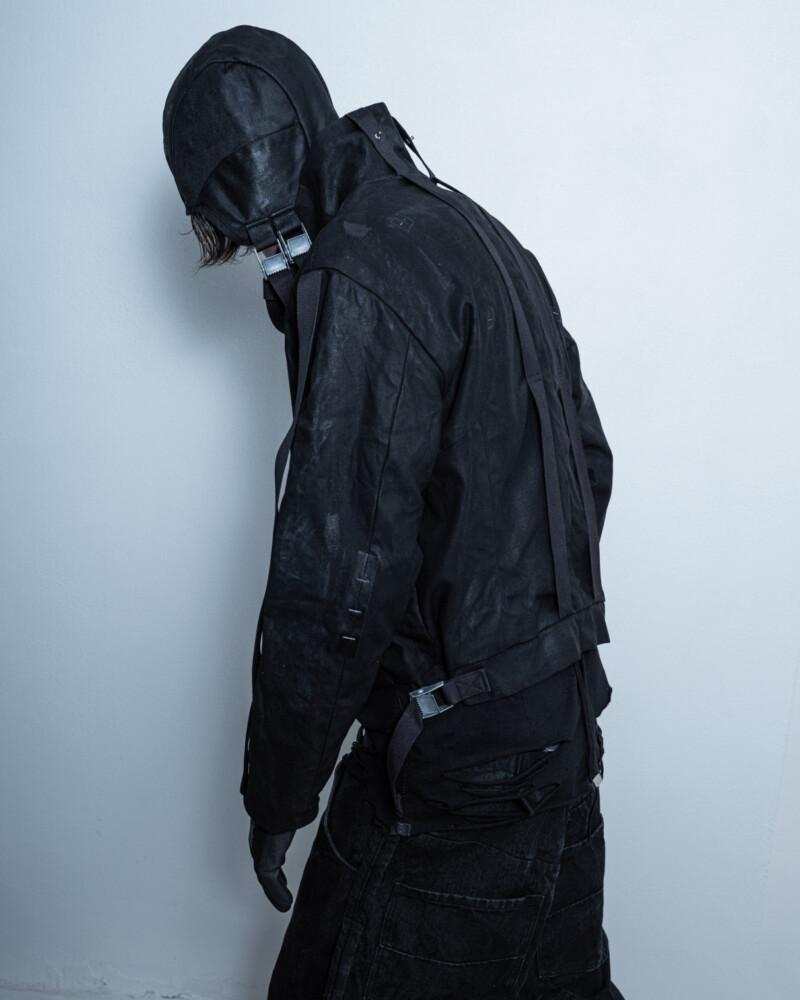
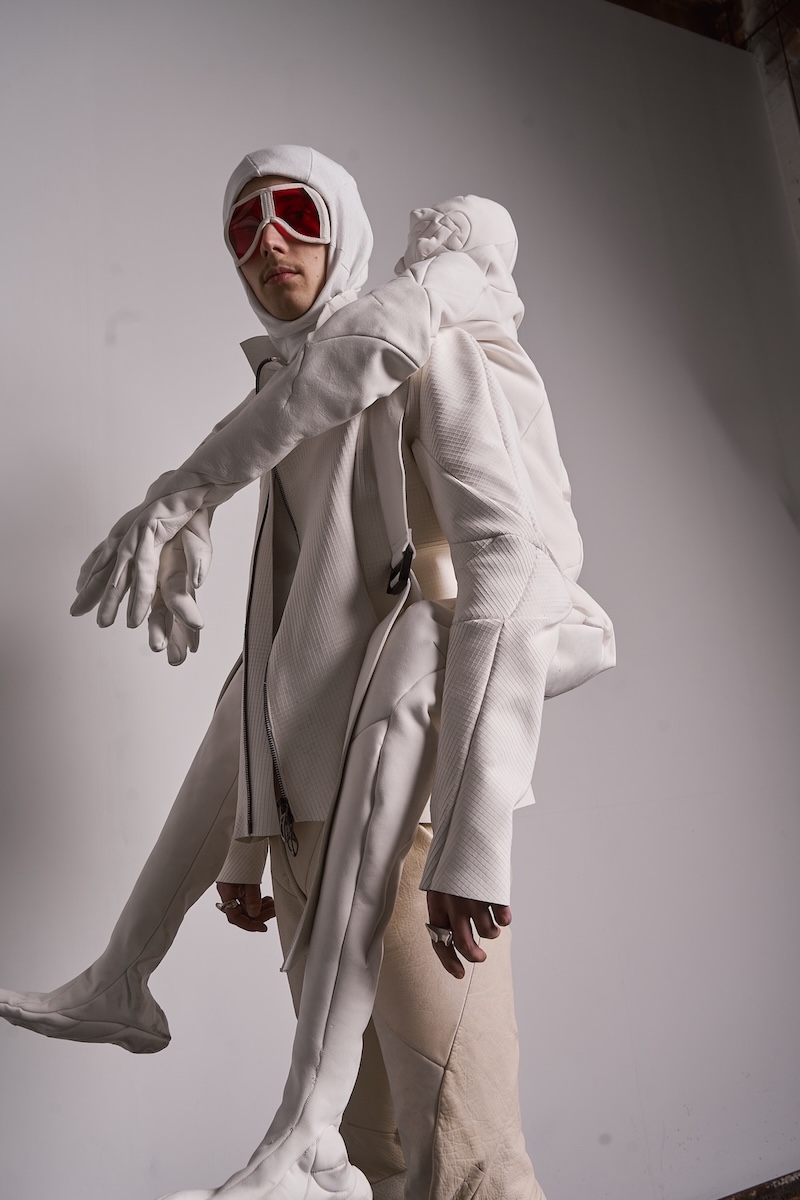
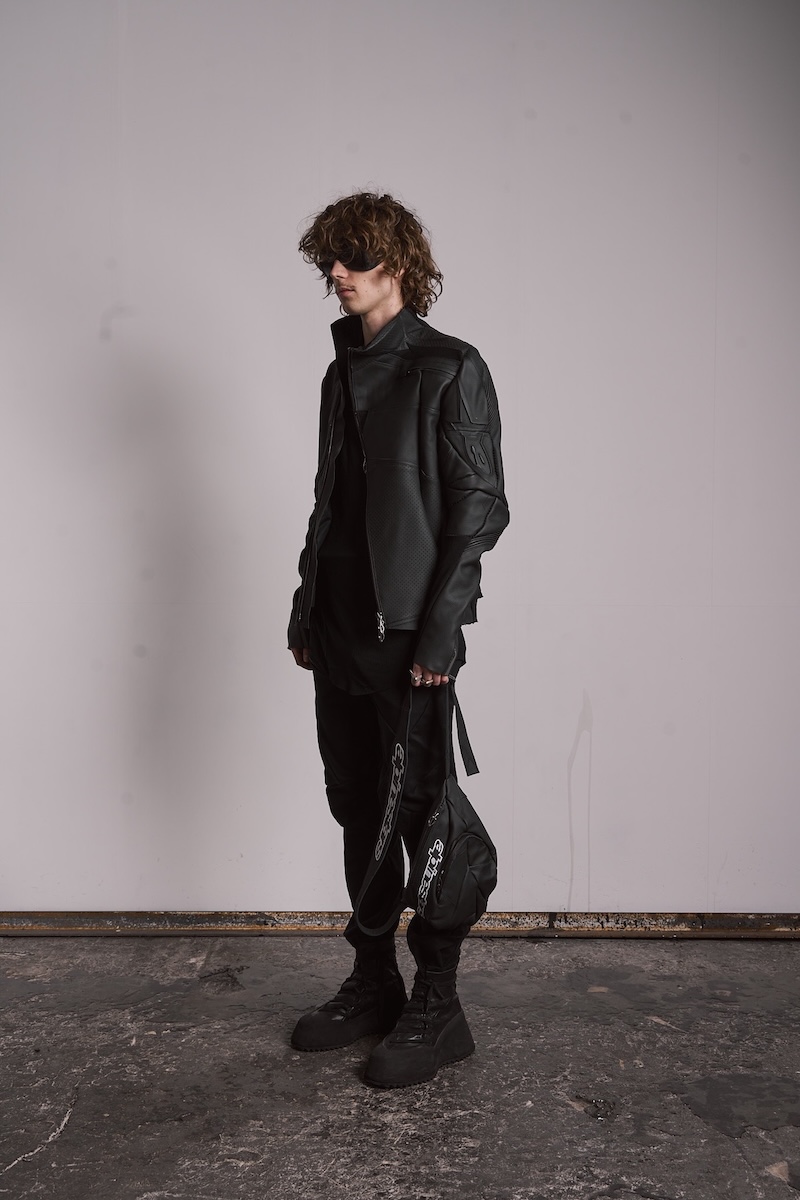
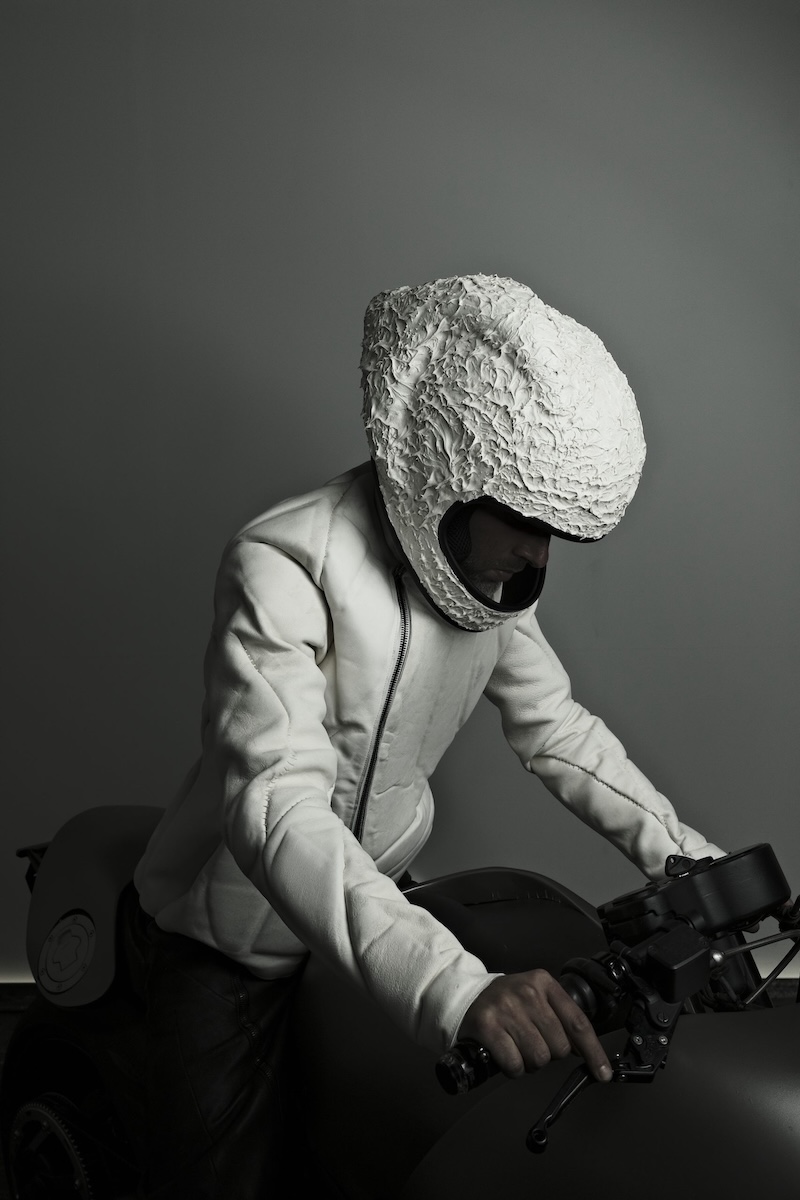
发现当代前卫时尚造型
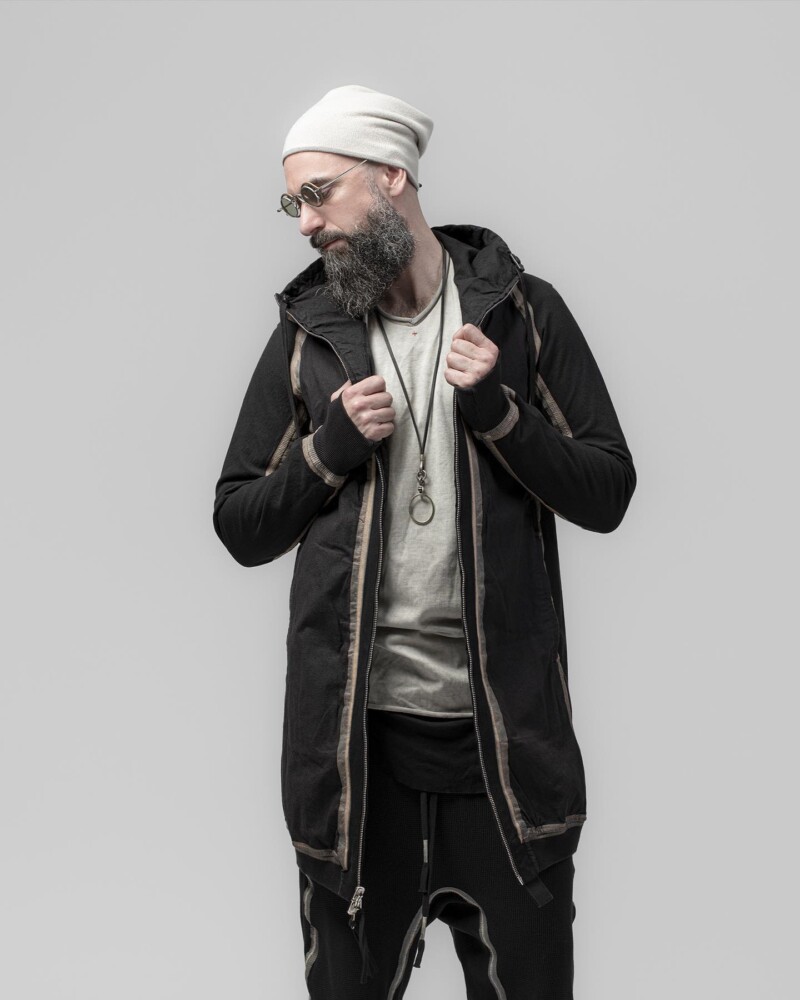
Explore styles and outfits from international Avant-Garde Fashion Designers and the global Avant-Garde Fashion Community.


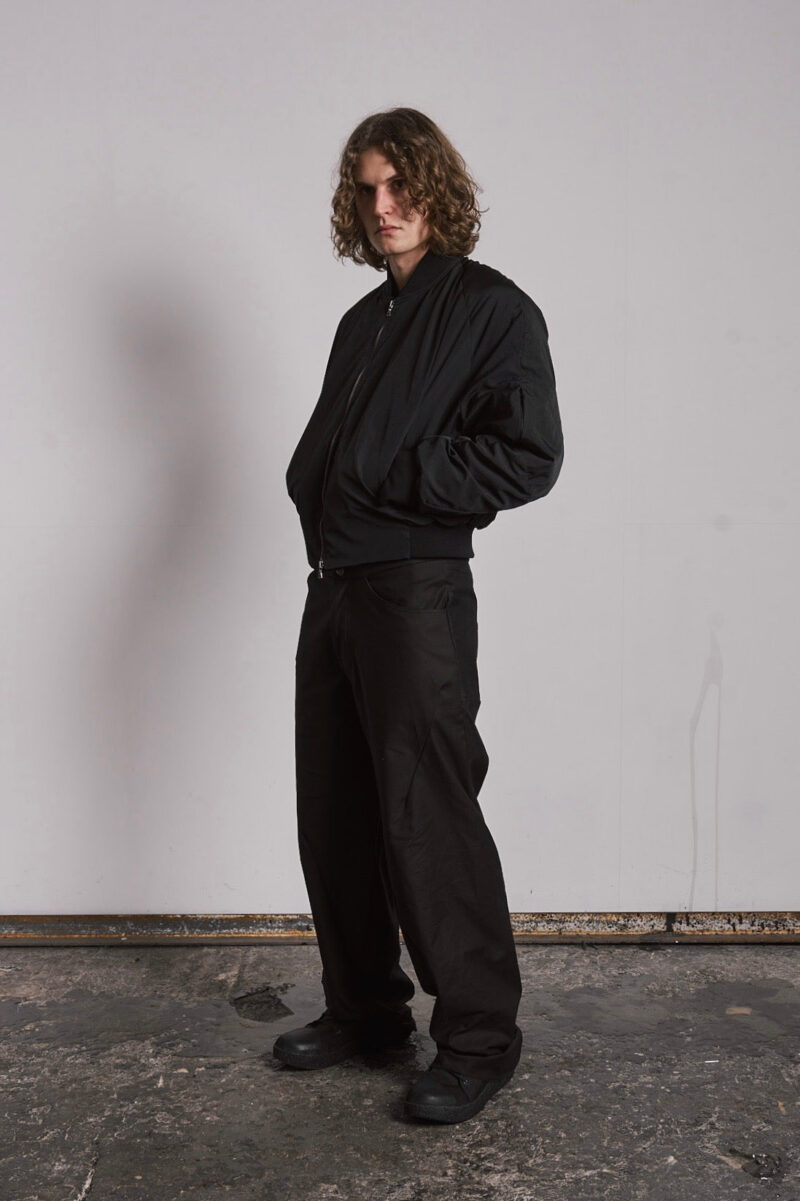
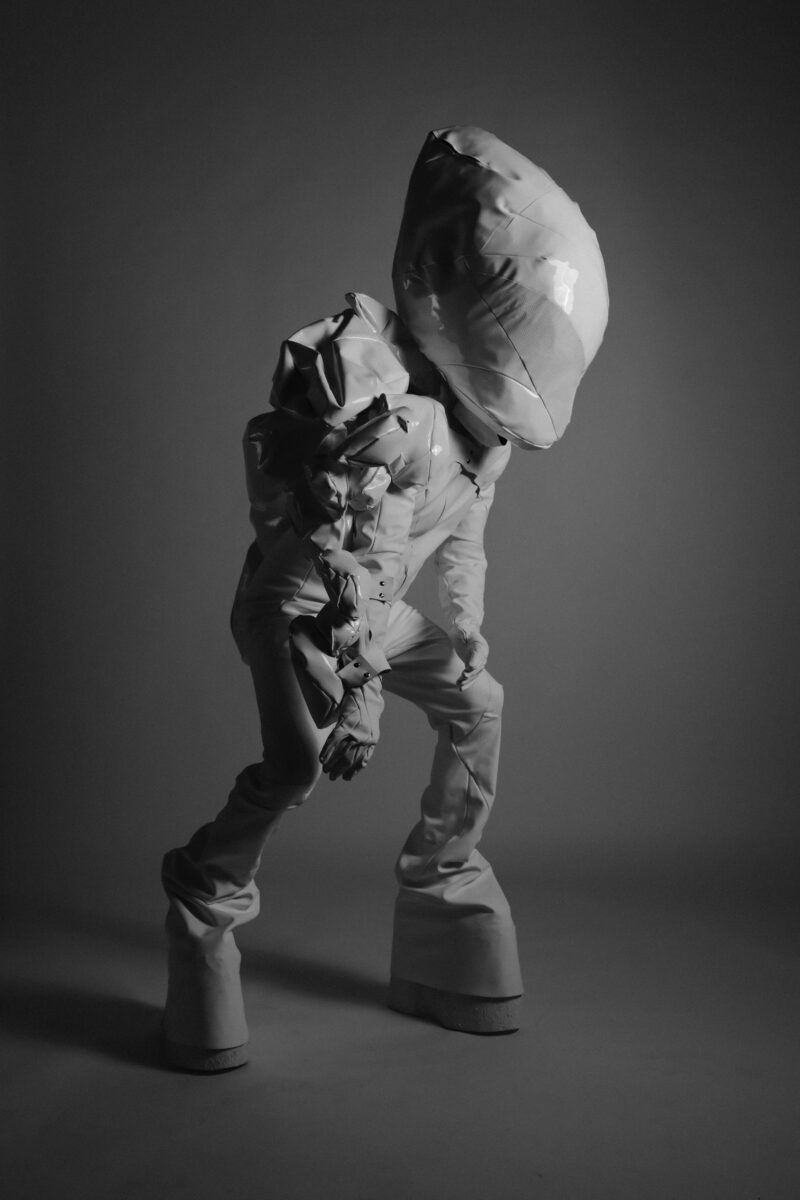
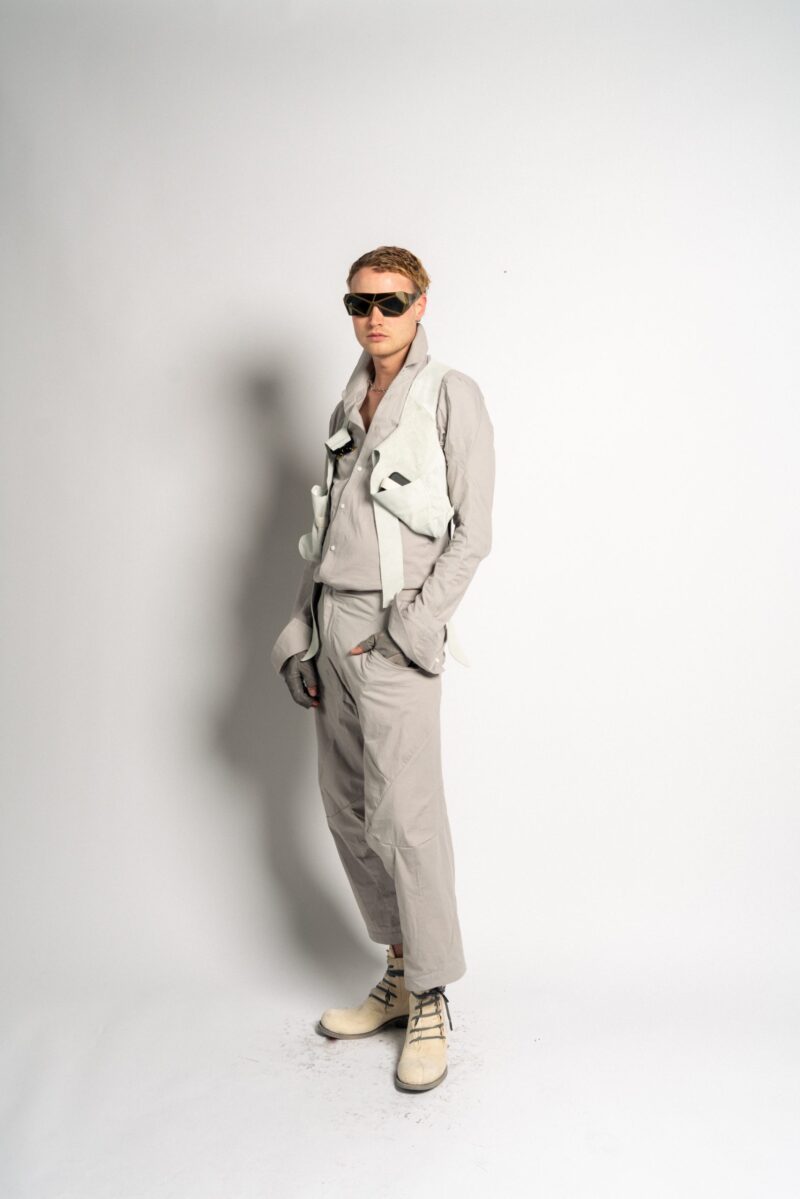
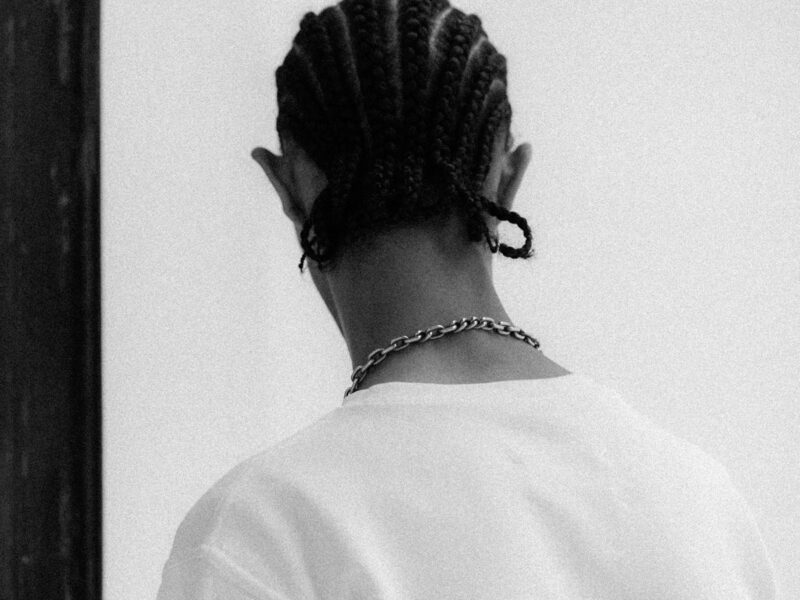

前卫时尚秀
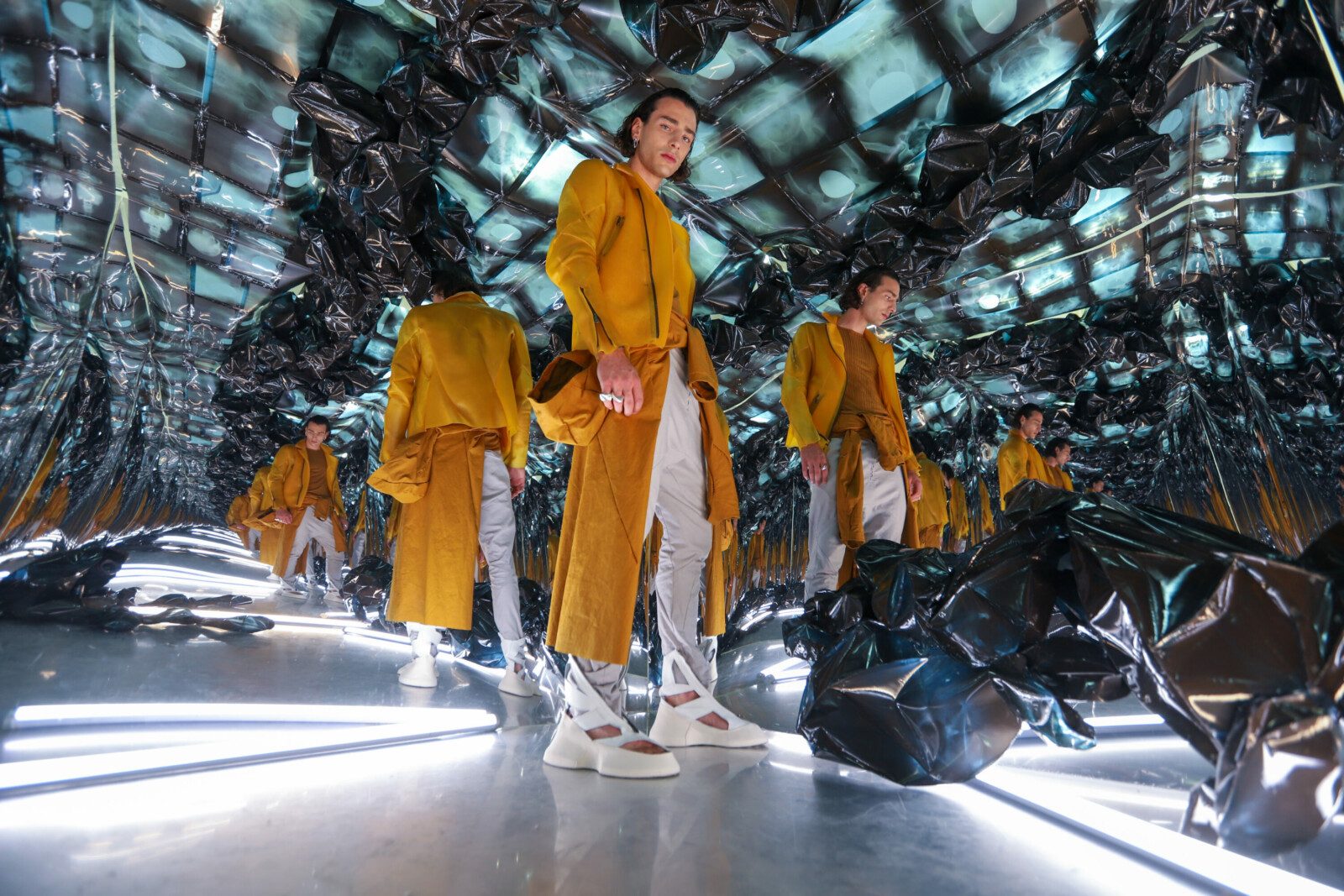
Get inspired by fashion presentations from some of the world’s leading Avant-Garde Fashion Designers.
References and further reading
- The Metropolitan Museum of Art — Rei Kawakubo/Comme des Garçons: Art of the In-Between
- The Metropolitan Museum of Art — Dress, Comme des Garçons, Spring/Summer 1997
- Victoria and Albert Museum — Yohji Yamamoto: Poet of Black
- Victoria and Albert Museum — Yohji Yamamoto Exhibition Press Release
- The Museum of Modern Art — A-POC Queen Textile, 1997
- The Museum of Modern Art — Structure and Surface: Contemporary Japanese Textiles
- The Metropolitan Museum of Art — Wabi Sabi — Rei Kawakubo Dress, 1983
- The Museum of Modern Art — Announcing Items: Is Fashion Modern?