Hussein Chalayan: moda, technologia i transformacja
Fashion manufactures seasonal fantasy; Hussein Chalayan engineered tectonic displacement. While the European runway across the 1990s and early 2000s oscillated between heritage romanticism and polished commercial minimalism, Chalayan operated as an architect of exile, velocity, and biological transmutation. Born in Nicosia in 1970 and navigating the physical partition of Cyprus during childhood, he approached the dressed body not as a clothes horse for bourgeois vanity, but as a site of crisis and shelter. Alongside contemporaries explored across our archives—from Alexander McQueen i Issey Miyake do Martin Margiela i Helmut Lang—Chalayan dismantled conventional dressmaking. Through our study of the Hussein Chalayan oeuvre, we examine a radical continuum: exhuming silk garments buried in backyard soil to register geological decay, converting domestic living room furniture into telescopic refugee clothing, deploying aerospace servomotors to trigger autonomous animatronic transformations, and testing the financial boundaries of fashion commerce.
Fashion manufactures seasonal fantasy; Hussein Chalayan engineered tectonic displacement.
Runway fashion often operates as an elaborate diversion. It trades in surface glitter, ephemeral nostalgia, and industrial speed, asking audiences to forget the violent geopolitical and technological shifts reshaping the physical planet. Hussein Chalayan rejected that narcotic comfort outright. To him, garments were never decorative shells designed to flatter the client in a candlelit salon. They were speculative protective instruments.
He saw clothing as an exterior nervous system. Situated between vulnerable human anatomy and an aggressive environment, dress had to register trauma, speed, and flight. Where his Central Saint Martins peer Alexander McQueen filtered psychological trauma through nineteenth-century Gothic melodrama and historical bloodlines, Chalayan looked forward into composite materials, aeronautics, and cybernetic mechanics. His methodology was forensic. He interrogated how human bodies navigate hostile checkpoints, pressurized aircraft cabins, and digital surveillance grids.
The result was clothing that refused to sit quietly on a hanger. Jackets sprouted articulated wings; slipcovers unbuttoned into tailored overcoats; silk dresses weathered months of underground burial like archaeological strata. Chalayan proved that modern garments could function as rigorous philosophical treatises without surrendering technical tailoring precision.
The Nicosia fault line and The Tangent Flows: Soil burial, geological decay, and Joan Burstein
Geopolitical displacement was not an abstract design theory for Chalayan; it was childhood reality. Born in Nicosia in 1970 to Turkish-Cypriot parents, he witnessed the 1974 partition of Cyprus firsthand. He remembered families fleeing their houses with minutes to spare, packing their lives into hastily bundled tablecloths, carrying heirloom spoons and birth certificates in coat pockets, and encountering militarized green lines dividing streets they had walked for generations. That profound spatial rupture never left his consciousness. It instilled a lifelong suspicion of permanent dwellings and fixed national borders.
After moving to England in 1978 and completing his foundation training at Warwickshire College of Art, Chalayan entered Central Saint Martins in London. His 1993 graduate collection, titled Tangent Flows, sent immediate shockwaves through the European fashion circuit. Rather than cutting pristine runway dresses from fresh rolls of organza, Chalayan altered the timeline of textile fabrication. He took heavy raw silk dresses, combined them with iron filings and chemical compounds, and buried them deep underground in a friend’s suburban garden. He left them in the soil for months, exposed to earthworms, micro-organisms, groundwater, and seasonal rot.
When he exhumed the garments weeks before his graduation presentation, the earth had rewritten their surfaces. The buried silk was stained in deep ochre, rust-brown, and mineral gray. Portions of the weave had dissolved into fragile lace; oxidized metal shavings had rusted directly into the fabric grain, leaving petrified rings and brittle crystalline crusts. The dresses looked like artifacts salvaged from an archaeological dig or clothing exhumed from a prehistoric tomb.
The fashion industry recognized their significance instantly. Joan Burstein, the legendary visionary behind the influential London retailer Browns, purchased the graduate collection in its entirety. She installed the oxidized, soil-encrusted garments directly into the boutique’s prestigious South Molton Street windows. At twenty-three, Chalayan had bypassed the conventional junior-assistant hierarchy, establishing himself as a formidable intellectual voice in contemporary fashion.
Afterwords and portable architecture: Living room upholstery and the telescopic coffee table
Seven years after his graduation, Chalayan staged what remains one of the defining moments in modern performance art: his Autumn/Winter 2000 collection, Afterwords, presented at the Sadler’s Wells Theatre in London. The runway had no glossy catwalk. Instead, the stage was configured as an austere mid-century living room, complete with five slipcovered armchairs, a central mahogany coffee table, and minimalist domestic silence.
The presentation addressed the plight of Kosovar refugees fleeing ethnic cleansing in the late 1990s. Chalayan considered how displaced civilians, facing imminent bombardment or eviction, had to disguise their assets and carry their homes on their backs. Models walked onto the domestic stage in muted, tailored undergarments. Methodically, without haste or theatrical pantomime, they approached the living room furniture.
The choreography was mesmerizing. Models unfastened the heavy upholstery covers from the armchairs, pulling hidden cords to transform the seat padding into tailored wool-crepe tunic coats, dresses, and capes. Next, they folded down the bare wooden chair frames, latching the hinged limbs into compact leather-trimmed suitcases that could be carried in hand. Domestic space was physically packed away in real time.
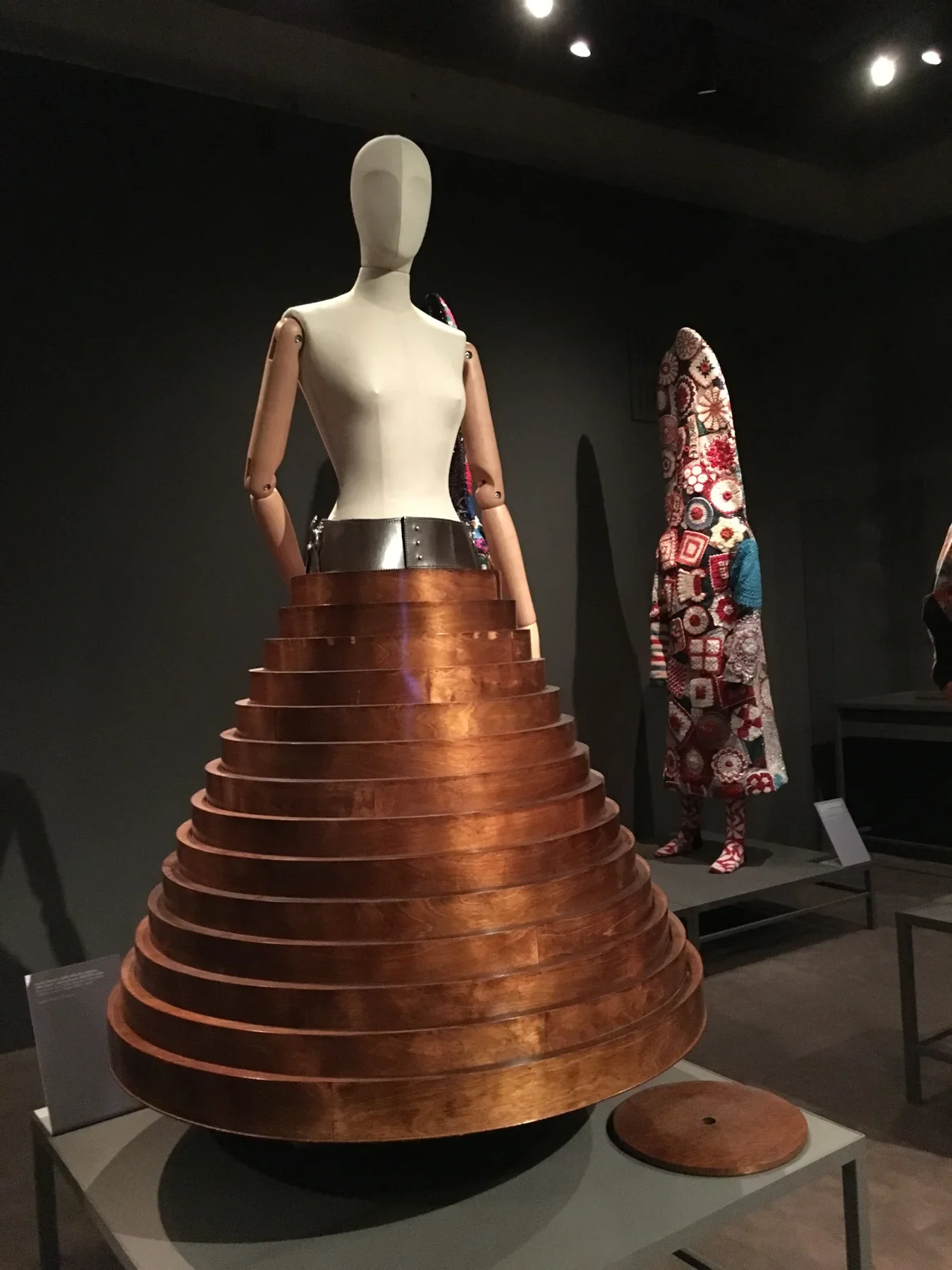
Then arrived the climactic finale. Model Natalia Semanova walked to the center of the stage, approached the round mahogany coffee table, and stepped inside its hollow central well. Reaching down, she unlocked the interior bracket. She pulled upward. Concentric tiers of polished timber lifted smoothly around her torso, rising like an architectural accordion skirt. After securing the wooden hoops around her waist, she stepped forward and walked the perimeter of the stage, wearing the living room table as an articulated garment. Through pure kinetic invention, Chalayan had synthesized clothing, portable shelter, and the heartbreaking weight of forced migration into a single indelible image.
Aerodynamic fuselages and synthetic flight: Before Minus Now and the Echoform carapace
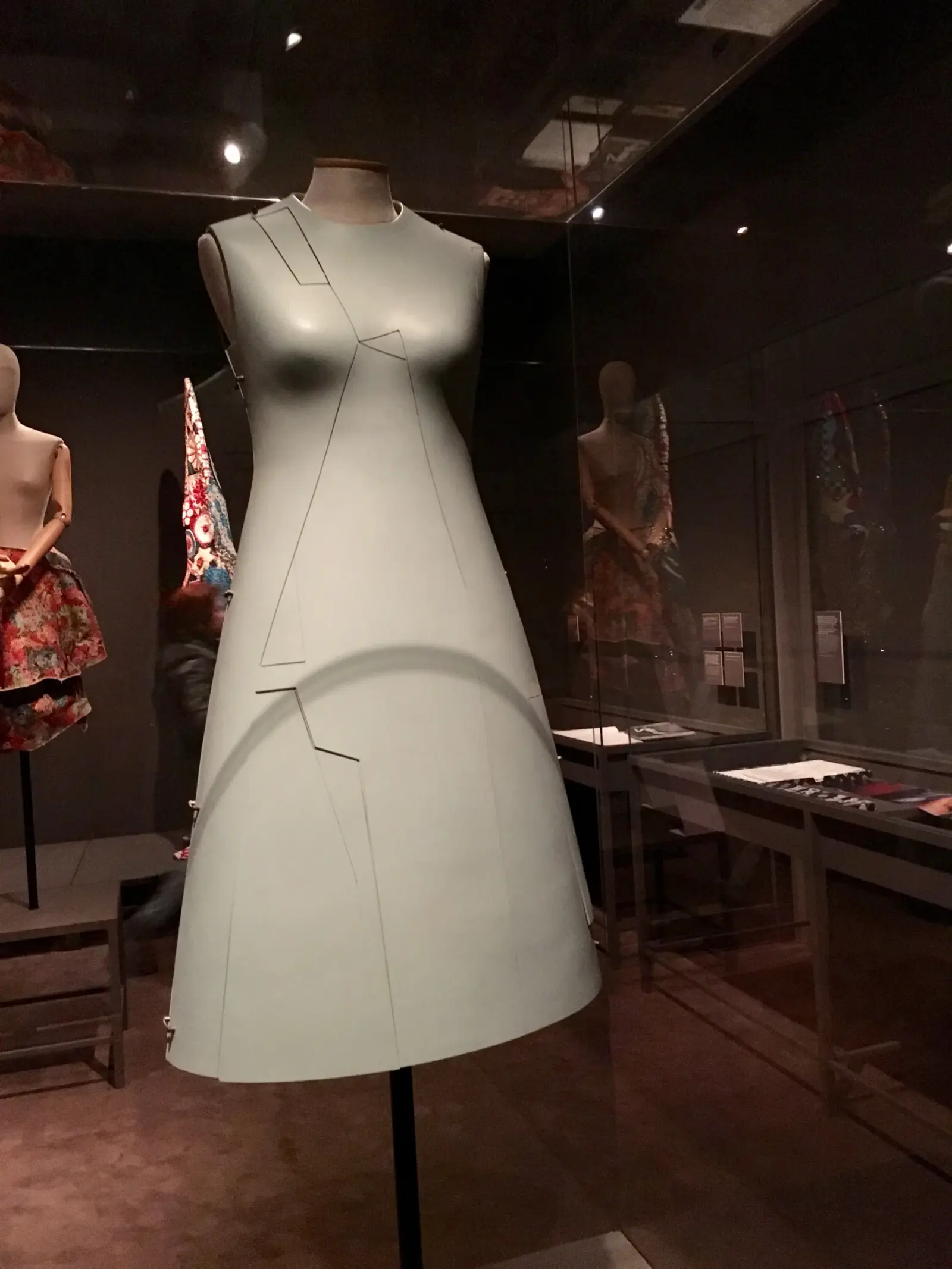
Having explored domestic displacement, Chalayan turned his focus to industrial velocity and aviation science. In his Spring/Summer 2000 collection, titled Before Minus Now, he abandoned traditional needle-and-thread patternmaking to collaborate with aeronautical engineers and automotive modelers. The centerpiece was the legendary composite airplane dress.
The garment was molded from rigid composite resin, fiberglass, and polyester polymers, finished in automotive high-gloss white paint. It did not hug the organic curves of the feminine torso. Instead, it formed a monocoque aerodynamic shell resembling the sleek fuselage of a supersonic passenger jet or the front wing of a Formula One racer. Concealed beneath the fiberglass skin was a network of micro-servomotors, battery packs, and articulated mechanical hinges.
On the runway, a young boy holding a wireless radio transmitter stood at the edge of the catwalk. As the model strode forward, the transmitter sent radio-frequency signals to the dress. Micro-motors hummed to life. Smooth panels on the side and rear of the composite shell slid open, revealing layers of soft pink and white tulle beneath, mimicking the trailing-edge flaps deployed on aircraft wings during landing approaches. Fashion had discarded passive drape to become an active mechanical vehicle.
This aerodynamic trajectory deepened in his Autumn/Winter 1999 presentation, Echoform. Here, Chalayan worked with aircraft technicians to construct rigid carbon-fiber and leather body carapaces modeled on cockpit ergonomics. Padded neck rolls, aerodynamic fairings, and molded composite chest plates encased the body, forcing the wearer to adopt the rigid posture of a pilot enduring high gravitational loads. As explored in our historical surveys on mody awangardowej i techwear i dekonstrukcja w modzie, Chalayan demonstrated that technical clothing was not merely about waterproof nylon membranes, but about reconfiguring the ergonomic boundary between flesh and industrial technology.
One Hundred and Eleven: Mechanical servomotors, pulleys, and robotic sartorial history
By Spring/Summer 2007, Chalayan’s kinetic ambition reached its mechanical zenith with the collection One Hundred and Eleven. Staged in Paris, the runway explored the preceding 111 years of Western fashion history, charting social emancipation and technological shifts from the late Victorian era in 1895 through to 2006. Rather than presenting static historical retrospectives, Chalayan built mechanical animatronics directly into the garments.
He collaborated with mechanical design studio 2D3D and engineer Sean Jeating. Inside the corsetry and linings of six bespoke dresses, they concealed complex networks of micro-servomotors, tiny pulleys, tensioned aircraft cables, and computer-controlled microchips. The show was an exercise in pure temporal compression.
A model paused at the center of the stage wearing a high-collared, long-sleeved Victorian gown with an expansive crinoline skirt. Suddenly, without human touch, the garment began to twitch and whirr. Micro-motors spun miniature spools, reeling in the hidden cables. The heavy Victorian hemline gathered upward, drawing the floor-length skirt up to mid-calf; the high neckline parted and retracted into the shoulders; interior panels shifted sideways. Within sixty seconds, the Victorian crinoline had autonomously collapsed into a dropped-waist, beaded 1920s flapper dress.
In subsequent looks, an hourglass 1950s ballgown pulled its own volume inward to reveal a sleek 1960s Paco Rabanne-style metallic mini-shift, while a high-tech geodesic headpiece opened and closed like a mechanical lotus blossom. Chalayan compressed a century of stylistic evolution into ninety seconds of robotic movement. He laid bare the relentless, mechanical obsolescence at the heart of the fashion cycle: each historical era cannibalizing its predecessor through the push of an unseen switch.
Airborne optics: 15,000 Swarovski crystals, video dresses, and ephemeral illumination
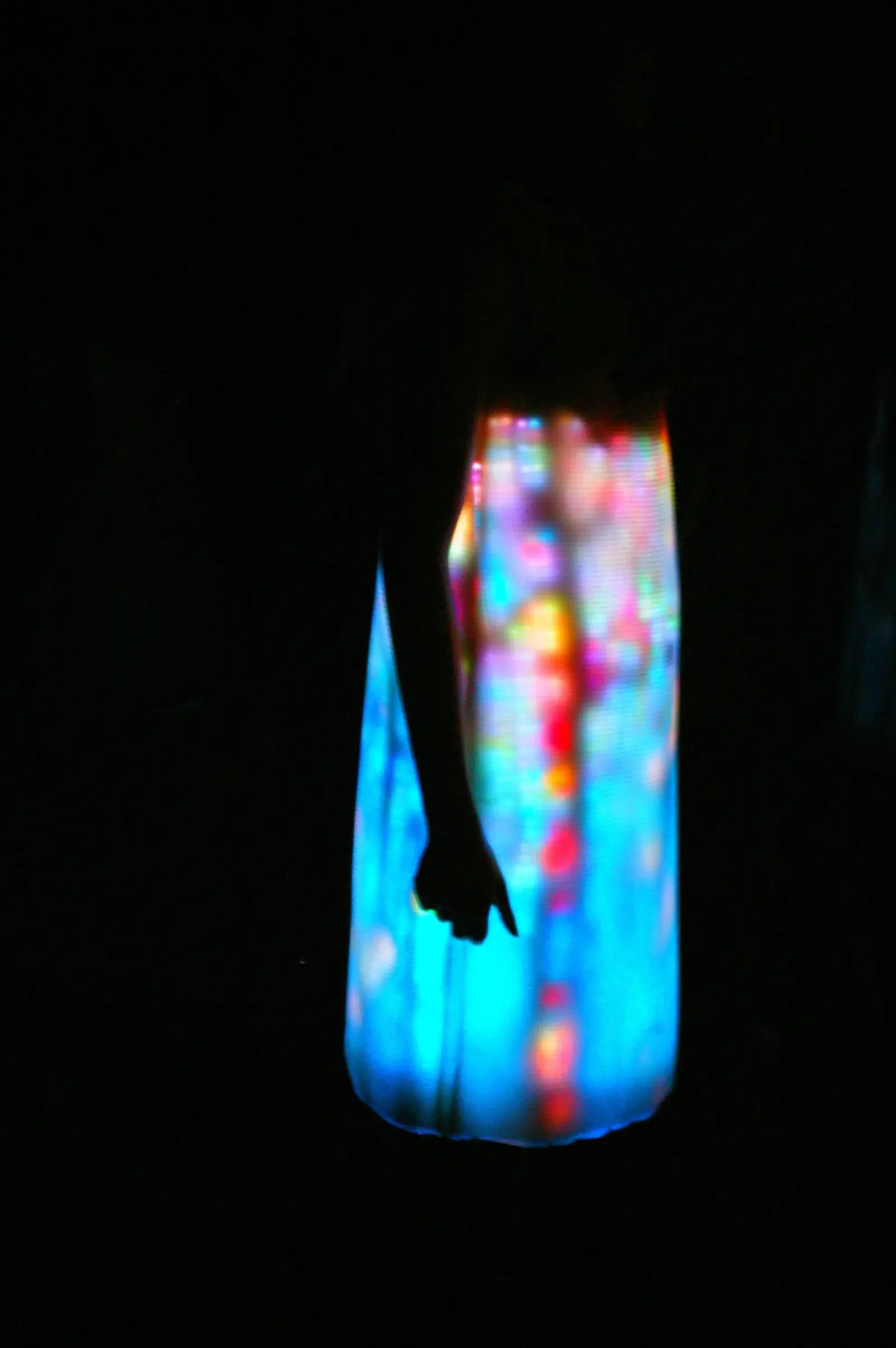
Following his exploration of mechanical gears and pulleys, Chalayan pivoted from kinetic hardware to digital optoelectronics. For his Autumn/Winter 2007 collection, W powietrzu, nawiązał współpracę z londyńskim pionierem technologicznym Moritzem Waldemeyerem oraz domem kryształów Swarovski, aby stworzyć ubrania, które działały jak dynamiczne ekrany wideo.
Budowa była technicznie oszałamiająca. Waldemeyer opracował elastyczne płytki obwodowe z 15 000 indywidualnie adresowalnych mikro-LED-ów, które zostały zaprojektowane tak, aby wyginały się wraz z ruchem tkaniny, nie łamiąc lutów. Nad każdym mikroskopijnym diodą świetlną technicy zamontowali precyzyjnie wycięte soczewki kryształowe Swarovski. Te fasetowane kryształy rozpraszały ostre cyfrowe punkty światła w miękkie, świetliste piksele fotograficzne.
Na przyciemnionym wybiegu sukienki ożyły. Zamiast migać prymitywnymi grafikami elektronicznymi czy logo komercyjnymi, ubrania wyświetlały filmowe, niskorozdzielcze pętle wideo z kwitnącymi różami, więdnącymi płatkami i sezonowymi wzorami pogodowymi płynącymi bezpośrednio przez tkaninę. Gdy modelka się poruszała, cyfrowe światło odkształcało się na krzywiznach ciała, tworząc niesamowudną iluzję żywej, świecącej skóry.
Wiosną/Latem 2008 poszedł jeszcze dalej w eksperymentach optycznych z Odczytami.. W tej kolekcji sukienki były ozdobione dwustu ruchomymi diodami laserowymi połączonymi z miniaturowymi obracającymi się lustrami. Gdy modelki przechodziły przez sztuczną mgłę sceniczną, jasne czerwone promienie laserowe wystrzeliwały z ich ciał w ostre geometryczne stożki, przebijając ciemność i odbijając się od obracających się luster zamontowanych wokół audytorium. Ubrania przestały być pasywnymi tekstyliami odbijającymi światło otoczenia; stały się aktywnymi projektorami optycznymi, które mapowały i reorganizowały przestrzeń architektoniczną wokół nich.
Material alchemy: Tyvek airmail paper, water-soluble textiles, and synthetic memory
Wysoka technologia w świecie Chalayana nigdy nie była ograniczona do elektronicznych płytek obwodowych i silników elektrycznych. Z równą starannością podchodził do alchemii materiałowej i niskotkowych podłoży przemysłowych. Jego najbardziej komercyjnie rezonujący artefakt pozostaje Sukienka Airmail, zaprojektowana w czasie jego studiów i wyprodukowana w 1999 roku.
Wycięta z DuPont Tyvek — niezrywalnej, wysokodensowej tkaniny polietylenowej, zazwyczaj wykorzystywanej do pakowania pocztowego i ochronnych kombinezonów przemysłowych — sukienka przybyła złożona płasko w chrupiącej kopercie pocztowej. Zewnętrzna strona była drukowana tradycyjnymi niebiesko-czerwonymi ukośnymi bordurami pocztowymi, pudełkami na znaczki i liniami adresowymi. Noszący mógł napisać osobisty list na materiale, złożyć ubranie w konfiguracji koperty, uszczelnić je, nakleić znaczki pocztowe i wysłać przez międzynarodowy system pocztowy. Po przybyciu odbiorca rozkładał list w plisowaną, noszoną sukienkę. Zburzyło to barierę między korespondencją, pamięcią a odzieżą.
Niestabilność materiałowa dramatycznie powróciła w jego prezentacji Wiosna/Lato 2016, Pas de Deux.. Dwie modelki stały nieruchomo na postumentach pod zamontowanymi na suficie prysznicami. Gdy sztuczny deszcz padał, ciężkie bawełniane wojskowe płaszcze, które nosiły, zaczęły się rozpuszczać. Chalayan uszył zewnętrzne ubrania z wyspecjalizowanych tkanin rozpuszczalnych w wodzie; gdy woda nasycała włókna, płaszcze rozpuszczały się w białych, pieniących się strumieniach, odsłaniając delikatne, haftowane kryształami wieczorowe sukienki ukryte pod spodem. Metamorfoza była natychmiastowa, gwałtowna i poetycka.
Te badania materiałowe odzwierciedlały eksperymentalne przełomy w całym spektrum awangardowym. Tak jak Issey Miyake pionierował termodynamiczną pamięć poliestru w swoich technologiach plisowania odzieży, i Maison Margiela ujawniał strukturalną anatomię odzyskanych ubrań przez dekonstrukcja, Chalayan przesuwał przemysłowe syntetyki poza komfort w kierunku ontologicznego dochodzenia.
The commercial crucible: Insolvency, corporate tenures, and sculptural permanence
Geniusz na wybiegu nie daje żadnej odporności na bezwzględne finansowe realia międzynarodowej produkcji odzieży. W trakcie swojej kariery, nieugięta czystość koncepcyjna Chalayana istniała w ciągłym, bolesnym tarciu z ekonomią mody detalicznej. Projektowanie prototypów sukienek z serwomotorami, formami z włókna węglowego i szytymi na miarę płytkami obwodowymi kosztowało dziesiątki tysięcy funtów za sztukę — monumentalne inwestycje kapitałowe, które nigdy nie mogły zostać odzyskane przez sprzedaż w domach towarowych.
Pomimo że dwukrotnie otrzymał tytuł Brytyjskiego Projektanta Roku w 1999 i 2000 roku, jego firma stała na krawędzi finansowej katastrofy. Na początku 2001 roku, gdy jego włoski producent Gibo nagle wycofał wsparcie produkcyjne, Chalayan został zmuszony do niewypłacalności korporacyjnej i dobrowolnej likwidacji. Musiał odwołać swoje nadchodzące pokazy mody na jesień/zima 2001 w Paryżu, ilustrując brutalny podział między krytycznym uznaniem a przetrwaniem komercyjnym.
Aby utrzymać swoje niezależne atelier badawcze, Chalayan przyjął kontrakty na kierownictwo kreatywne w renomowanych korporacjach. W 2001 roku został mianowany dyrektorem kreatywnym brytyjskiej marki luksusowej Asprey. W 2008 roku gigant odzieżowy Puma nabył większościowy udział w biznesie Husseina Chalayana, mianując go dyrektorem kreatywnym całej marki i finansując jego eksperymentalne kolekcje obuwia i odzieży Urban Mobility. W 2014 roku przejął projektowanie demi-couture dla Vionnet w Paryżu. Jednak kompromis korporacyjny często ocierał się o jego artystyczną autonomię, prowadząc do ostatecznych odejść z każdej korporacyjnej parasolki.
Nieuchronnie, Chalayan znalazł swoje prawdziwe miejsce w akademii i instytucjach sztuki pięknej. Został mianowany profesorem i kierownikiem Katedry Mody na Uniwersytecie Sztuk Stosowanych w Wiedniu, zastępując Rafa Simonsa i Helmut Lang. Współpracował z choreografami w Sadler’s Wells, aby reżyserować współczesne występy taneczne takie jak Gravity Fatigue (2015), tworząc kostiumy kinetyczne, które zmieniały się wraz z fizycznym impetem tancerzy. Jego przełomowe dzieła — sukienka zdalnie sterowanego samolotu, spódnica kawowa, koperta papierowa airmail i sukienka wideo LED — teraz znajdują się w stałych zbiorach instytucjonalnych w Victoria and Albert Museum, Kyoto Costume Institute i Design Museum w Londynie.
Hussein Chalayan nie dążył do dekorowania ciał dla efemerycznego statusu społecznego. Używał ubrania jako fizycznego laboratorium do badania migracji, mechanicznej akceleracji i ludzkiej wrażliwości. W ten sposób podniósł awangardową modę z powierzchownej ozdoby do kinetycznej rzeźby najwyższego porządku intelektualnego.
Odkryj starannie wyselekcjonowane archiwalne dzieła i głębokie analizy historyczne wzdłuż awangardowego kontinuum: przeglądaj starannie wyselekcjonowane
Odkryj starannie wyselekcjonowane archiwalne dzieła i głębokie analizy historyczne w całym kontinuum awangardowym: sprawdź monografie na temat Issey Miyake, Alexander McQueen, Maison Margiela, Comme des Garçons, i Helmut Lang, lub zbadaj podstawowe analizy historyczne, w tym Issey Miyake: ruch, technologia i fałda, Moda Awangardowa i Techwear, Dekonstrukcja w modzie, Czym jest anty-moda?, i Od subkultury do luksusu: Moda awangardowa dzisiaj.
Bibliografia i dalsza lektura
- Wikimedia Foundation — Hussein Chalayan: Biografia, Moda Koncepcyjna i Projektowanie Kinetyczne
- Wikimedia Foundation — Central Saint Martins: Historia Programu Projektowania Mody
- Wikimedia Foundation — Browns: Joan Burstein, Kuracja Detaliczna i Wsparcie Brytyjskiej Awangardy
- Wikimedia Foundation — Sadler’s Wells Theatre: Współczesny Taniec i Współprace Performacyjne
- Wikimedia Foundation — Puma: Historia Korporacyjna, Współprace Kreatywne i Mobilność Miejska
- Chalayan YouTube Archive — Hussein Chalayan Autumn/Winter 2000 After Words Runway Presentation
Kredyty do zdjęć
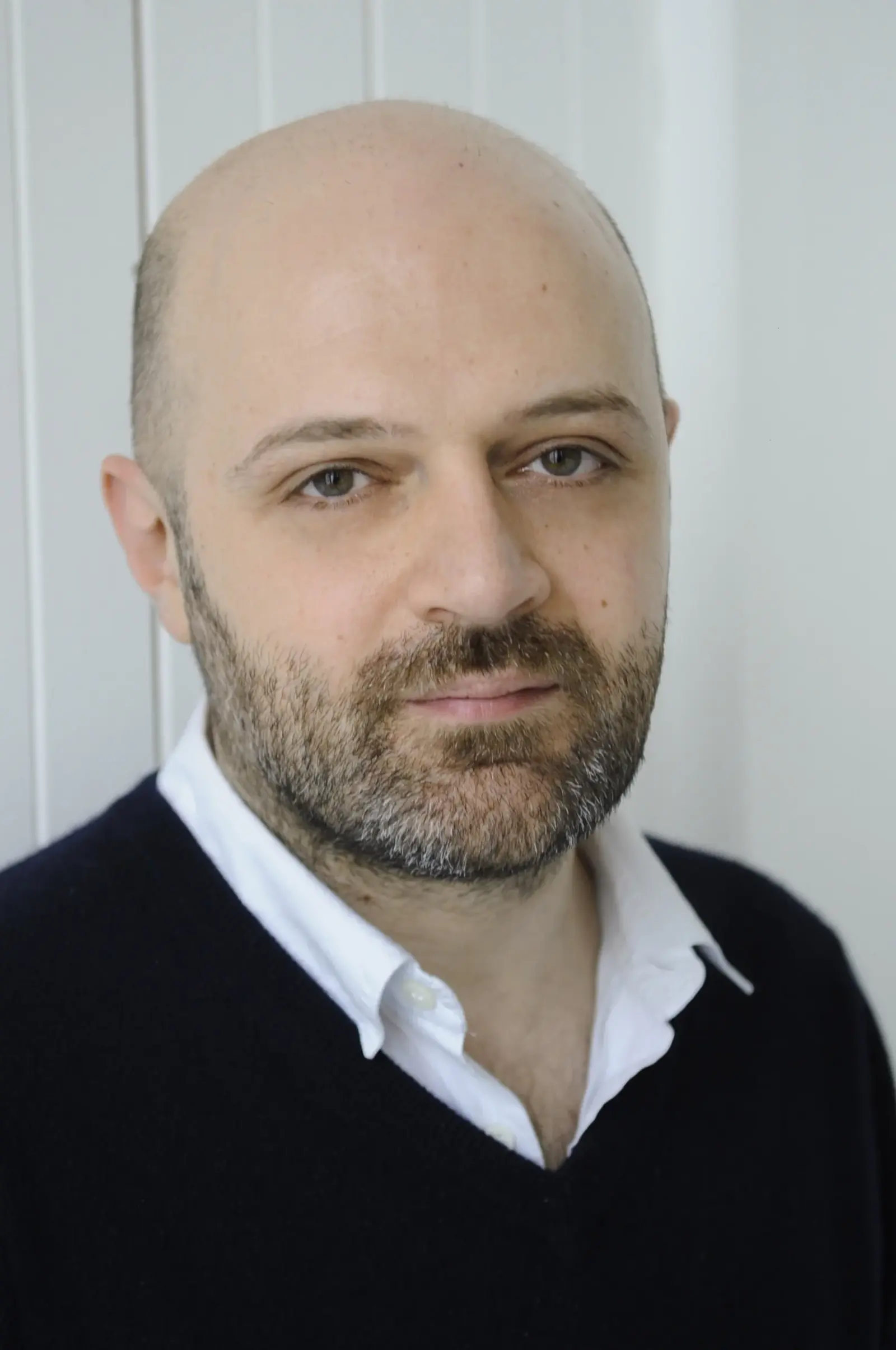
- Hussein Chalayan, portret autorstwa Chrisa Moore'a. Zdjęcie dzięki uprzejmości Presschalayan, Wikimedia Commons, CC BY-SA 3.0.
- Hussein Chalayan, teleskopowa spódnica kawowa z prezentacji Autumn/Winter 2000 "Afterwords". Zdjęcie autorstwa Manuelarosi, Wikimedia Commons, CC BY-SA 3.0.
- Hussein Chalayan, sukienka zdalnie sterowanego samolotu z Wiosny/Lata 2000 "Before Minus Now". Zdjęcie autorstwa Manuelarosi, Wikimedia Commons, CC BY-SA 4.0.
- Hussein Chalayan, sukienka wideo LED z Autumn/Winter 2007 "Airborne", wystawiana w Design Museum w Londynie. Zdjęcie autorstwa renaissancechambara, Wikimedia Commons, CC BY 2.0.