Hoe je Avant-Garde kunt kleden
Avant-garde kleden betekent een opzettelijke relatie opbouwen tussen kleding en het lichaam in plaats van een uniform van ongebruikelijke stukken samen te stellen. Begin met silhouet, proportie en beweging; voeg materiaalcontrast en detail alleen toe wanneer ze die structuur versterken. De meest overtuigende garderobe voelt persoonlijk, draagbaar en samenhangend aan—niet als een imitatie van een catwalk of een verzameling dure signalen.
Avant-garde stijl begint met een perspectief
Er is geen verplichte avant-garde garderobe. Zwart is niet verplicht; asymmetrie is geen lidmaatschapsbadge; een moeilijk kledingstuk is niet automatisch intelligent. Historisch gezien hebben avant-garde ontwerpers de geaccepteerde relaties tussen lichaam, schoonheid, gender, productie en sociaal gedrag uitgedaagd. Kleden vanuit die traditie betekent dat je soortgelijke doordachte keuzes maakt op een alledaagse schaal.
Jouw perspectief kan prioriteit geven aan beschermende volume, strenge reductie, fragiele lagen, zichtbare constructie of kleding die door slijtage is veranderd. Kies één centraal idee voordat je individuele stukken kiest. Dit zorgt voor samenhang en voorkomt dat de outfit een stapel ongerelateerde effecten wordt.
1. Begin met silhouet
Silhouet is de eerste informatie die een outfit communiceert. Voordat je labels of details bekijkt, let op de grens die door lichaam en kleding samen wordt gevormd. Valt het verticaal, verbreedt het bij de schouder, kromt het weg van de torso, versmalt het naar de enkel of creëert het ruimte door een verlaagde kruis en verplaatste naad?
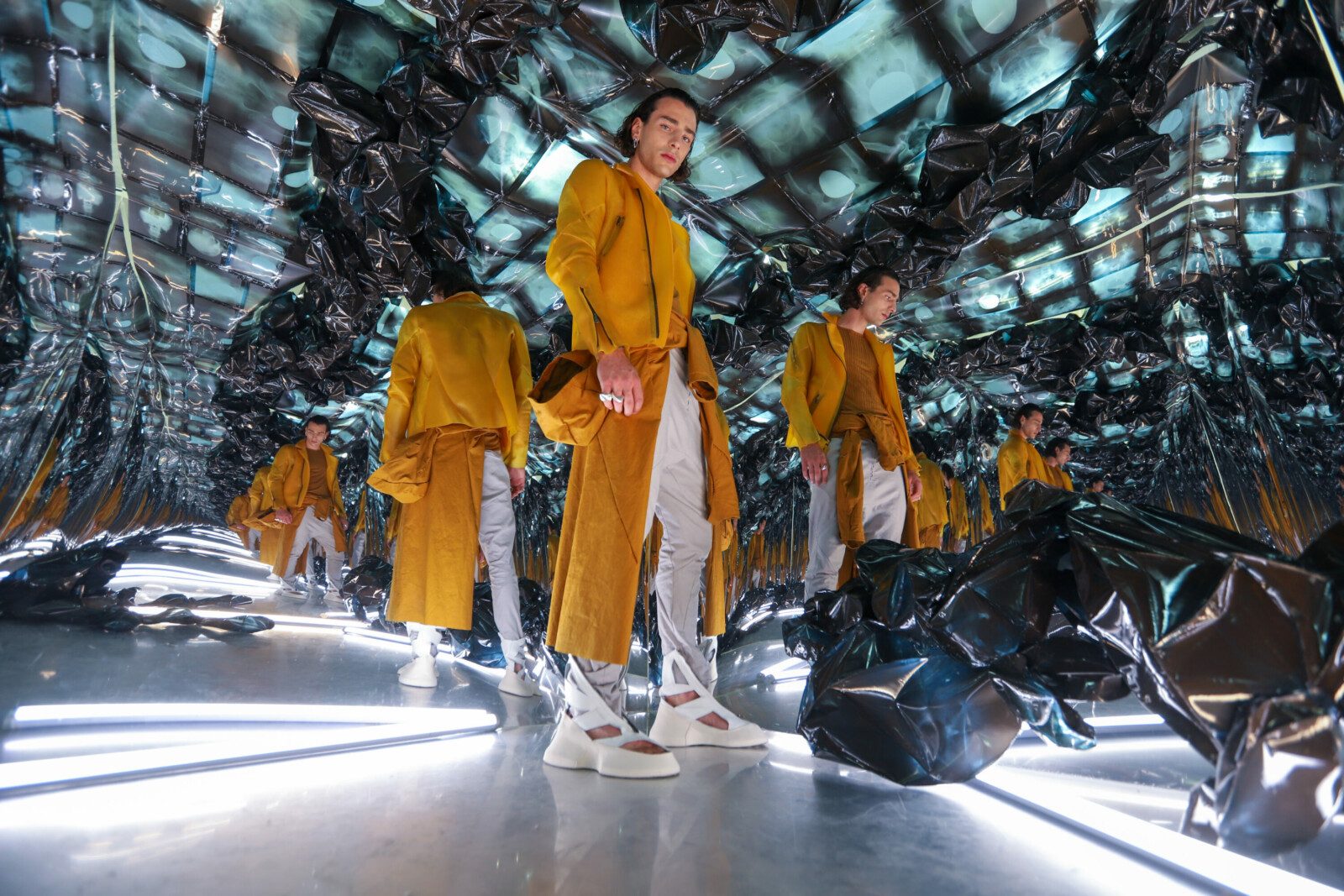
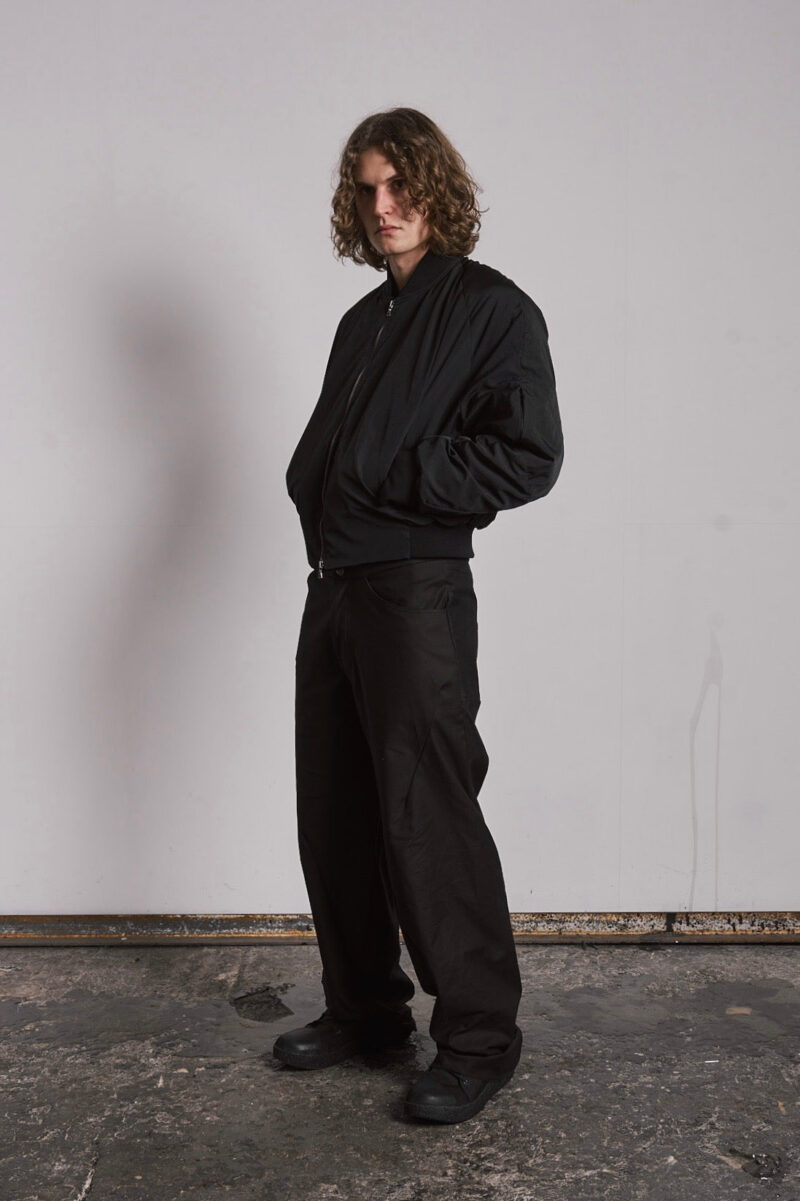
Kies één primaire silhouet en laat de rest van de outfit het ondersteunen. Een lange, smalle buitenlaag kan werken met gecontroleerd volume eronder. Een korte architecturale jas kan over een langere binnenlaag en brede broeken zitten. Een oversized top wordt duidelijker wanneer de onderkant zijn volume herhaalt of het opzettelijk verkleint. Het doel is niet universele “balans,” maar een leesbare relatie.
Pasvorm is niet hetzelfde als conventionele vleierij
Avant-garde kleding kan de taille verbergen, de schouder verlengen of stof van het lichaam losmaken. Het moet nog steeds passen waar de structuur afhankelijk is van contact: halslijn, armsgat, pols, heup, schoeisel en ophangpunten. Oversized kleding die simpelweg meerdere maten te groot is, valt vaak op de verkeerde plaatsen in elkaar. Doelgericht volume heeft gecontroleerde naden, gewicht en balans.
2. Beheers proportie en visueel gewicht
Proportie betreft de lengtes en verdelingen binnen de silhouet. Een jas die ver onder de heup eindigt, verandert de schijnbare positie van de benen. Afgekorte broeken onthullen een smalle tussenruimte boven substantieel schoeisel. Een verlengde mouw vertraagt de hand. Deze verschuivingen zijn effectief omdat ze vertrouwde lichaamsmetingen veranderen.
Werk eerst met één betekenisvolle verschuiving. Verleng de buitenlaag, verkort de broek, verhoog de kraag of overdrijf de breedte—niet automatisch alle vier. Kijk dan naar visueel gewicht. Dichte leer, zware wol en substantiële laarzen trekken het oog naar beneden; lichte of doorzichtige stof lijkt te zweven. De outfit wordt samenhangend wanneer die gewichten opzettelijk verdeeld aanvoelen.
Test de kleding in beweging
Loop, zit, reik en gebruik trappen. Een statieve spiegel kan slechte articulatie verbergen en alleen de meest fotogenieke hoek onthullen. Issey Miyake’s kleding laat zien hoe radicaal stof kan veranderen door beweging; Yohji Yamamoto’s maatwerk krijgt betekenis wanneer lucht de ruimte tussen stof en lichaam binnenkomt. Alledaagse avant-garde kleding moet levend blijven buiten de foto.
3. Bouw een palet in plaats van standaard zwart te kiezen
Zwart is nuttig omdat het de omtrek verduidelijkt, verschillende materialen verenigt en subtiele verschillen in oppervlak zichtbaar maakt. Het draagt ook geschiedenissen van rouw, rebellie, intellectuele kleding, punk en Japanse anti-mode. Maar zwart dragen maakt een outfit niet avant-garde, en het vermijden van kleur kan een ononderzochte conventie op zich worden.
Een ingetogen palet kan houtskool, inkt, stof, bruinzwart, geoxideerd grijs, bot en vervaagde mineraaltinten omvatten. Verschillen in temperatuur en reflectiviteit voorkomen dat monochrome kleding plat wordt. Kleur kan ook structureel zijn: een vermiljoen voering die alleen in beweging zichtbaar is, een kobalt volume tegen zwart, of verschillende conflicterende tinten die met dezelfde intensiteit worden behandeld.
Als je begint, kies dan twee verwante basiskleuren en één gecontroleerde onderbreking. Herhaling in verschillende outfits zal het palet als persoonlijke taal laten voelen in plaats van als een themakostuum.
4. Laat textuur en constructie de details dragen
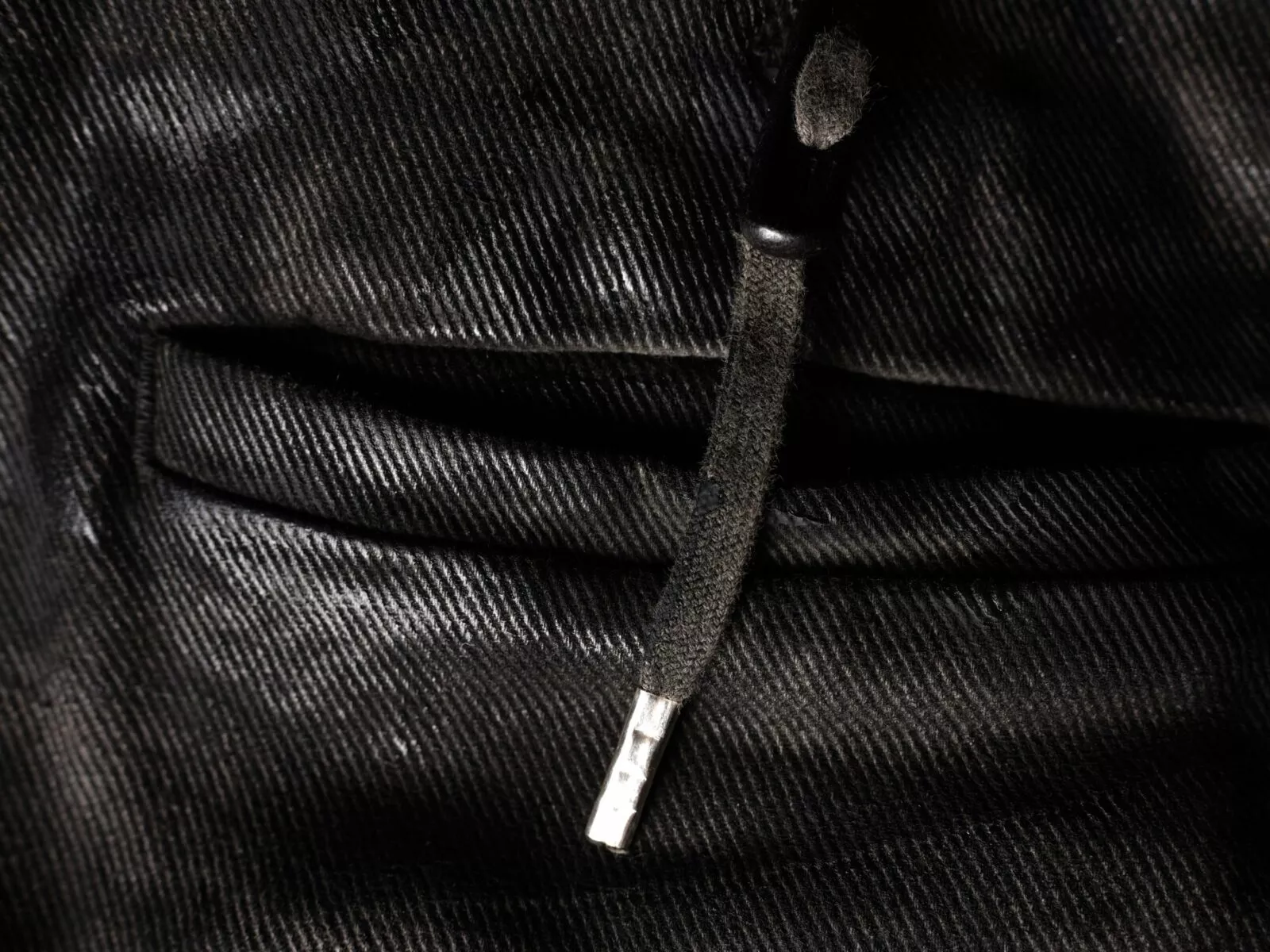
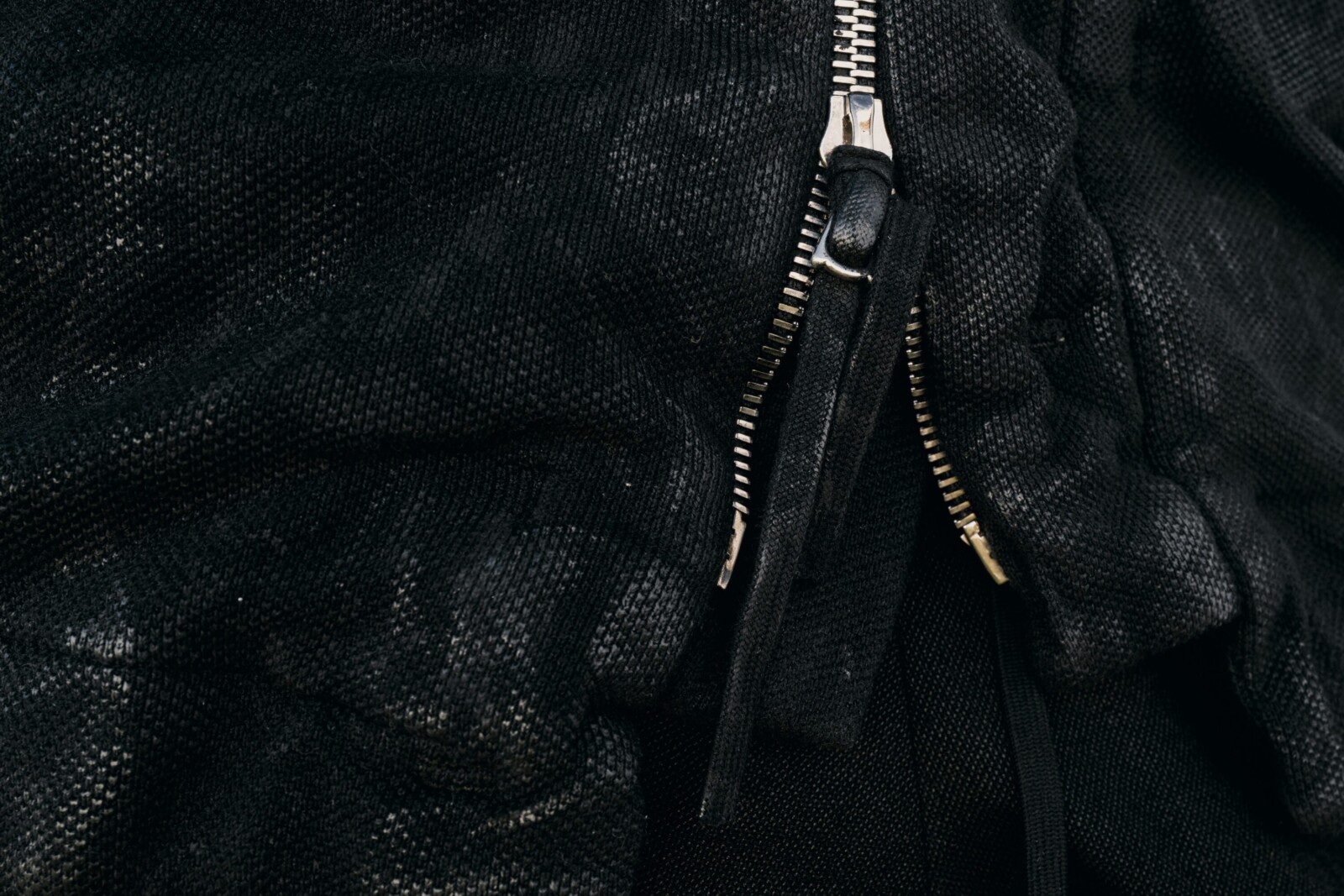
De meest overtuigende avant-garde kleding beloont nabijheid. Gewassen wol absorbeert licht anders dan compacte katoen; object-geverfde naden behouden veranderingen in toon; geschonden leer registreert spanning; doorzichtige mesh verandert wat eronder ligt. Deze materiaalsrelaties kunnen diepte creëren zonder prints, logo's of overmatige hardware.
Combineer texturen met verschillende gedragingen in plaats van simpelweg verschillende verschijningen. Plaats een rigide schaal over een zachte laag, een droge geweven stof naast gepolijst leer, of een fijne brei onder een ruwe jas. Twee zwaar beschadigde materialen samen kunnen concurreren, terwijl één gewijzigde oppervlakte omringd door rustigere stof leesbaar wordt.
Lees het kledingstuk van binnenuit
Draai kleding binnenstebuiten. Volg de naden en bekijk waar gewicht wordt ondersteund. Deconstructie in mode is niet slechts blootgestelde stiksels; het is een onderzoek naar waarom een kledingstuk op een vertrouwde manier is samengesteld. Een verplaatste sluiting, gedraaide pijp of externe dart zou functie, beweging of betekenis moeten veranderen. Wanneer de constructie geen consequentie heeft buiten decoratie, zal het snel verouderen.
5. Laag met een doel
Lagen creëren diepte, aanpasbaar volume en een gevoel dat de garderobe een systeem is. Begin met drie rollen:
- Basislaag: de laag die het lichaam aanraakt en comfort, lijn en temperatuur vaststelt.
- Overgang: een shirt, brei, vest of gedrapeerd paneel dat lengte, transparantie of textuur verandert.
- Structuur: de jas, mantel of buitenvolume die de silhouet definieert.
Each layer should remain visible or affect the shape. If an intermediate garment disappears completely and adds only bulk, remove it. Vary hems and openings so the eye can understand how the outfit is constructed. Repeating every irregular hem at the same interval creates noise; one long line beside one decisive interruption feels stronger.
Use asymmetry as tension
Asymmetry works when it produces direction: a diagonal closure draws the torso across, a panel weights one side, or an uneven hem responds to movement. Randomly adding asymmetrical items can cancel their effect. Give the outfit one dominant directional gesture and quieter supporting lines.
6. Veranker de silhouet met schoeisel
Footwear determines how the entire structure meets the ground. A heavy boot gives authority to wide trousers and long coats; a narrow shoe can sharpen an otherwise oversized silhouette; an anatomical or low-profile form preserves the sense of uninterrupted fabric. Choose shoes by their mass, shaft height and toe shape before considering decorative detail.
Avoid assuming that avant-garde footwear must be extreme. The strongest choice may be a severe, beautifully proportioned boot that can be repaired. If the clothing already carries multiple technical treatments, quieter footwear gives the eye somewhere to rest.
Accessories should modify the system
A bag can extend the architecture of an outfit, a belt can redirect volume, and jewelry can introduce a different material scale. Treat accessories as functional punctuation. One substantial object is often more effective than many symbols associated with an imagined “avant-garde” identity.
Utility should be real. A harness without a structural or carrying purpose, excessive straps, or tactical components detached from use can read as costume. Function and poetry can coexist, but the object should be honest about which one leads.
7. Build an avant-garde wardrobe gradually
Start from clothes you already wear repeatedly. Identify their useful qualities—perhaps a high rise, generous shoulder, long line or preference for dry natural fibers—then intensify one quality rather than replacing your identity wholesale.
- Choose a foundation uniform. Establish reliable trousers, a knit or shirt, and footwear with compatible proportions.
- Add one structural outer layer. A coat or jacket has the greatest influence on silhouette and can reorganize familiar basics.
- Introduce material contrast. Add one garment whose texture or construction changes the depth of the outfit.
- Refine through alteration. Hem length, sleeve position and trouser break often matter more than acquiring another piece.
- Observe wear. Keep what becomes more expressive through movement and time; release what performs only for the mirror.
This method is intentionally slower than shopping for a complete look. It allows clothes from different periods, price levels and designers to become one personal system. The RAW Looks brand directory can support designer research, but the wardrobe should never function as a directory worn at once.
Praktische avant-garde outfit formules
Quiet architectural
Start with wide straight trousers and a fitted or compact foundation layer. Add a jacket with one displaced closure or controlled extended shoulder, then use narrow footwear. Keep the palette close so the construction remains the focus.
Protective volume
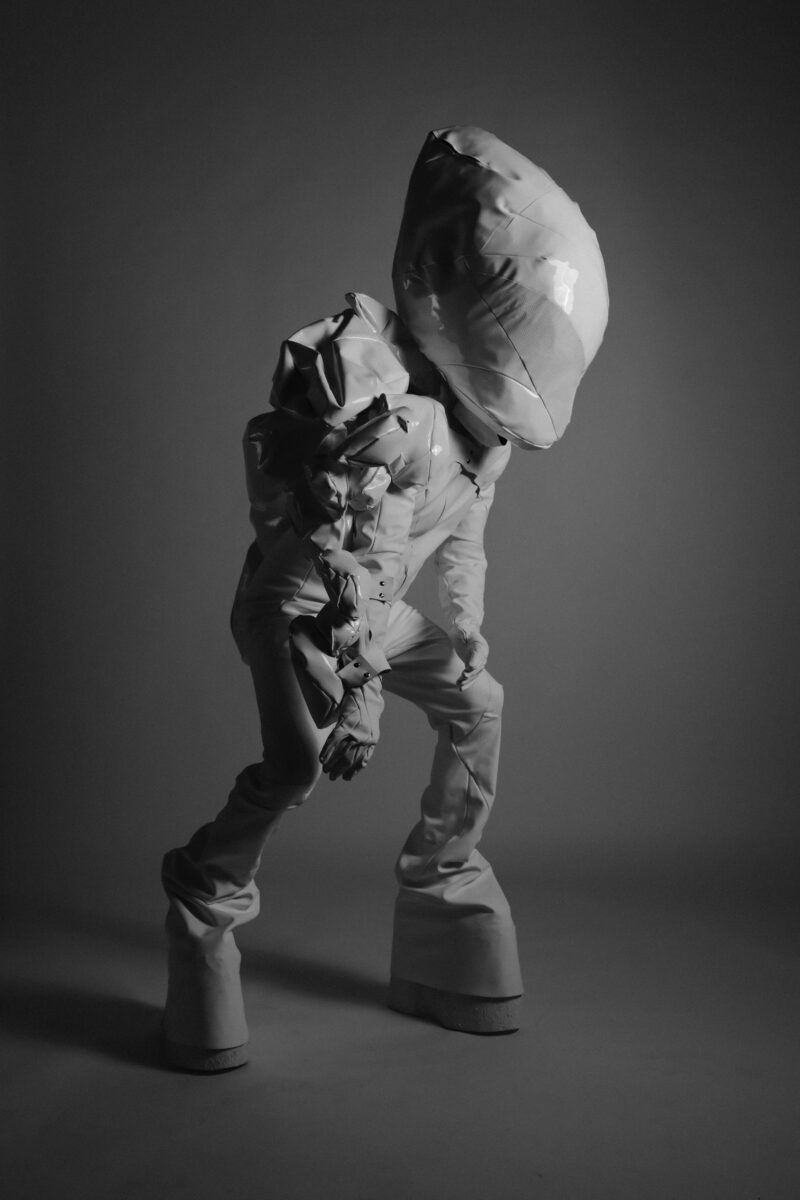
Combine a long soft coat with a high-neck layer and trousers that taper toward substantial boots. Let the outer garment create space around the torso while the lower leg provides a point of control.
Material contrast
Use a washed or raw-edged outer layer over smooth jersey, then introduce one polished leather element. Maintain a conventional silhouette so the surfaces can carry the experimentation.
Light and sculptural
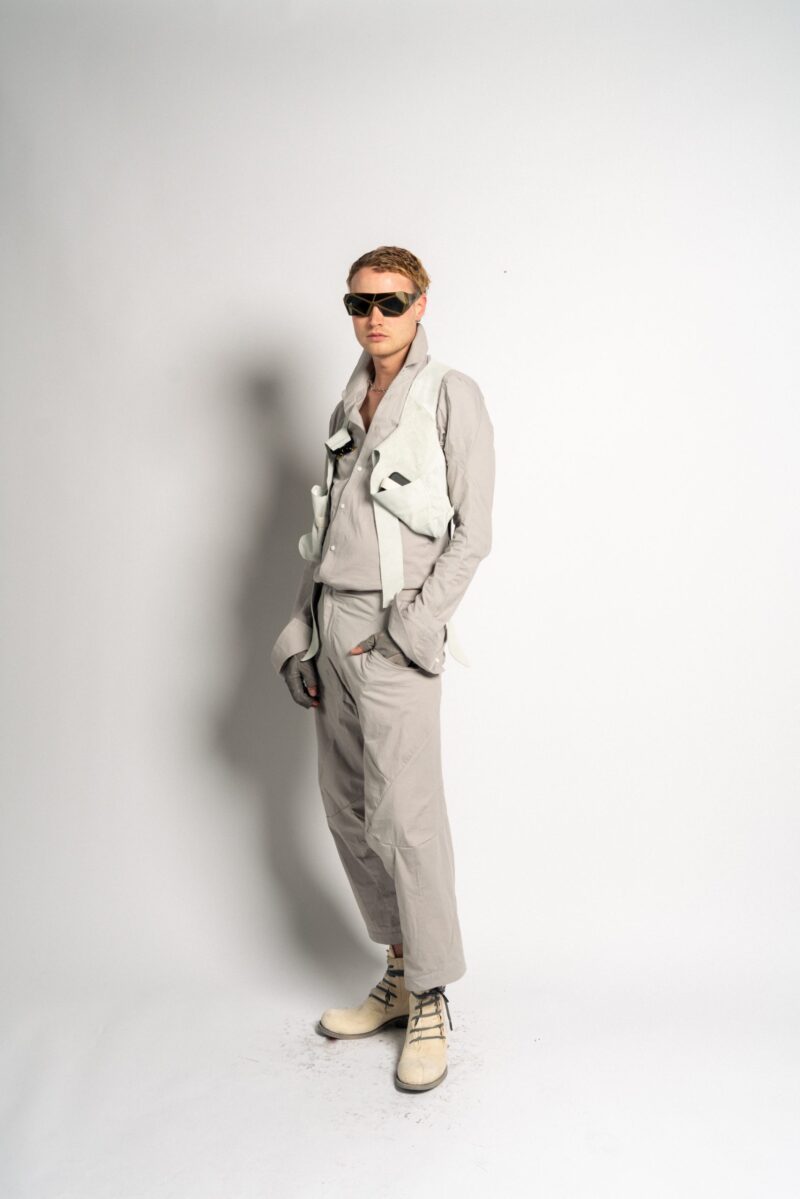
Choose pale tones, an asymmetric shirt or tunic and a wider trouser in a fabric that moves. Ground the outfit with matte footwear. Avant-garde dressing need not depend on darkness; volume and construction remain fully visible in ivory, stone and desaturated color.
Everyday reduced
Wear a familiar shirt, knit or T-shirt with trousers whose pattern changes the hip or leg line, plus one strong coat. This is often the most sustainable formula because it concentrates investment and care in the garments doing structural work.
Veelvoorkomende fouten
Copying a complete designer look
A runway look expresses one collection’s argument. Reproducing it exactly may demonstrate knowledge but leaves little room for the wearer. Borrow a principle—proportion, layering, restraint—and translate it through your own body and daily life.
Confusing complexity with intention
More layers, straps, distressed surfaces and unusual accessories do not automatically create depth. Remove one element at a time. If the central silhouette becomes clearer, the removed piece was probably competing rather than contributing.
Ignoring comfort and context
Discomfort can be conceptually meaningful on a runway, but daily clothing must allow work, travel and weather. Adapt the language instead of suffering for it. A garment that prevents ordinary movement without a considered reason reduces the wearer to a display support.
Buying novelty without learning the material
Experimental coatings, delicate knits and treated leather may demand specific care. Understand how an object will age before buying it. Patina can be beautiful; preventable damage is different. Repairability and frequency of wear are part of good avant-garde judgment.
Dress from understanding, not uniform
Avant-garde style becomes convincing when the wearer can explain the outfit materially rather than recite its labels. The coat changes the body’s boundary; the trouser redirects proportion; the shoe controls weight; the fabric records time. Every choice participates in one idea.
Begin with What Is Avant-Garde Fashion? for the underlying definition. Avant-Garde Fashion Style: Characteristics and Examples explains the visual vocabulary in greater depth, while Moderne Avant-Garde Mode places today’s wardrobes within their cultural and material context.
Ontdek hedendaagse avant-garde mode looks
Explore styles and outfits from international Avant-Garde Fashion Designers and the global Avant-Garde Fashion Community.
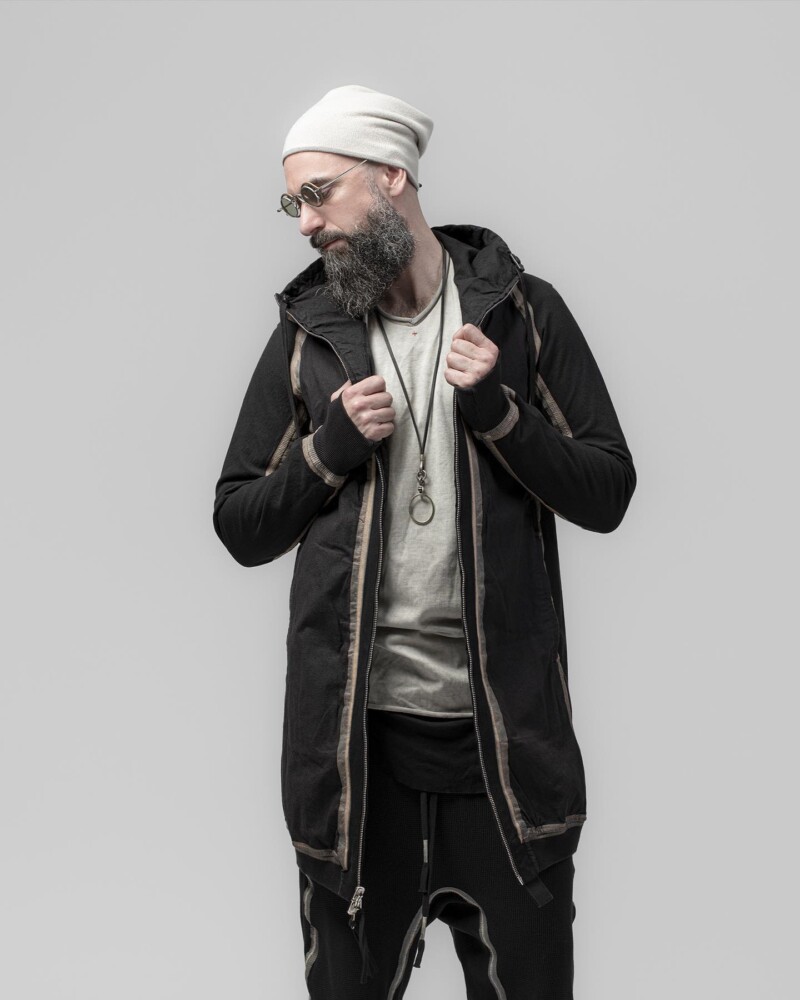


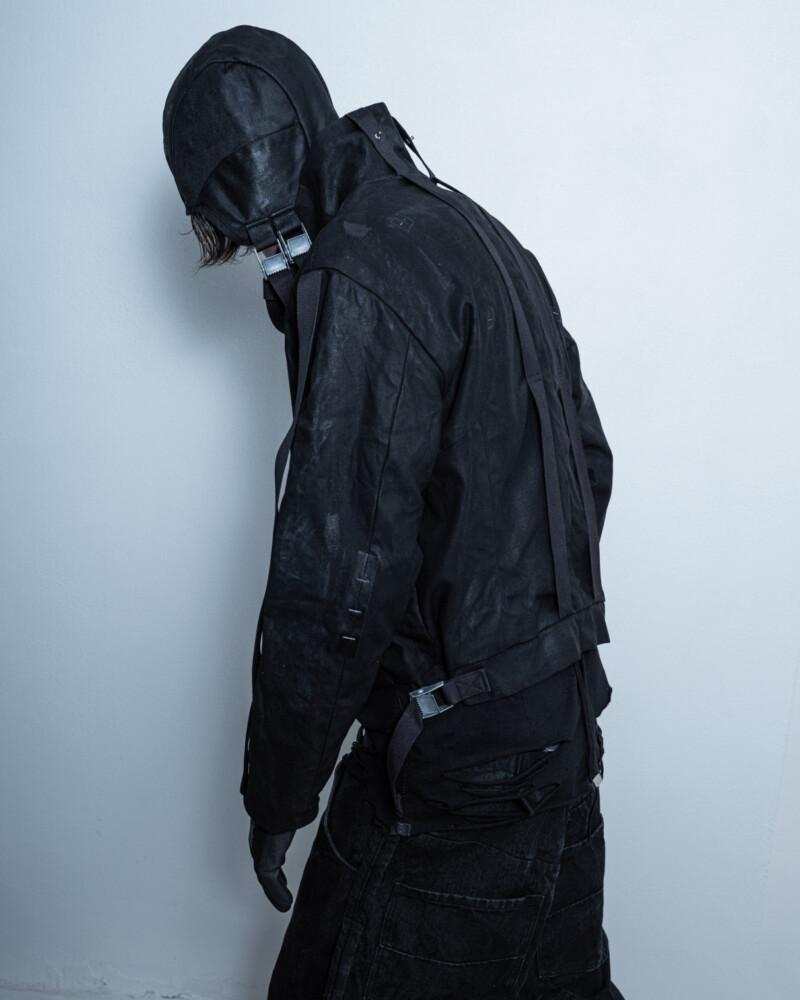
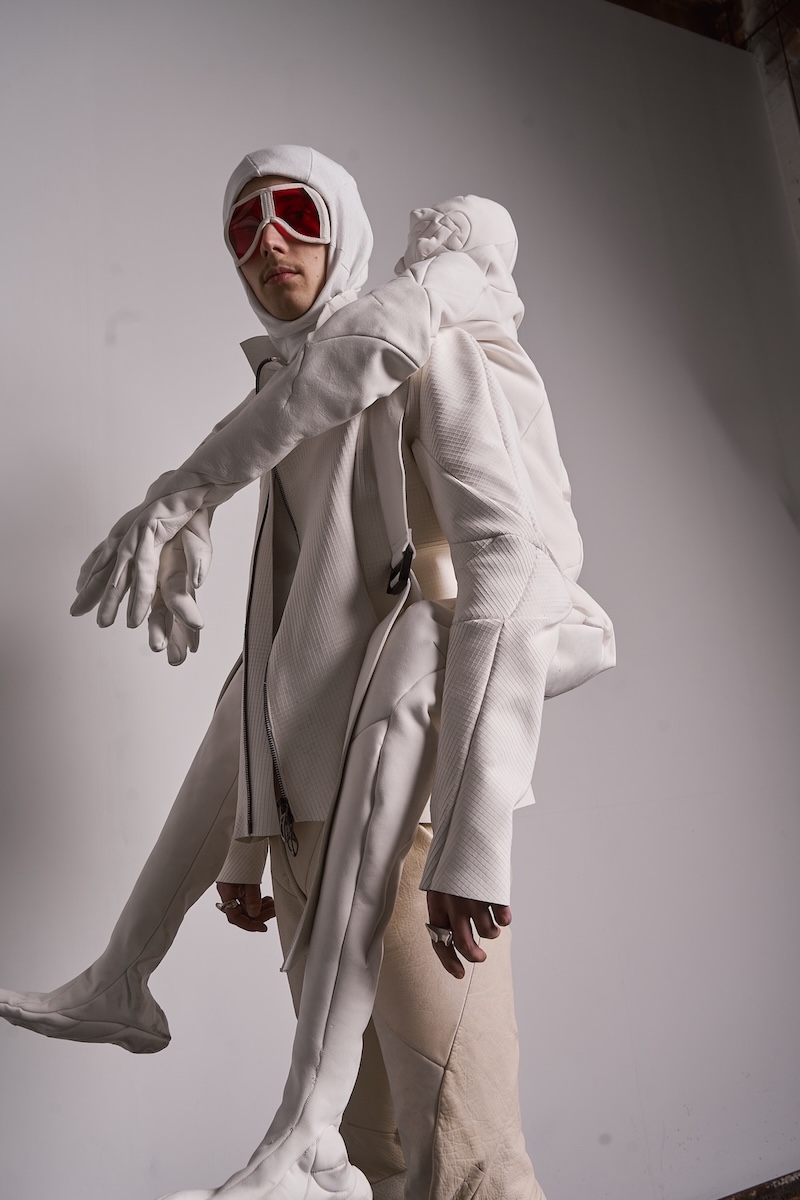
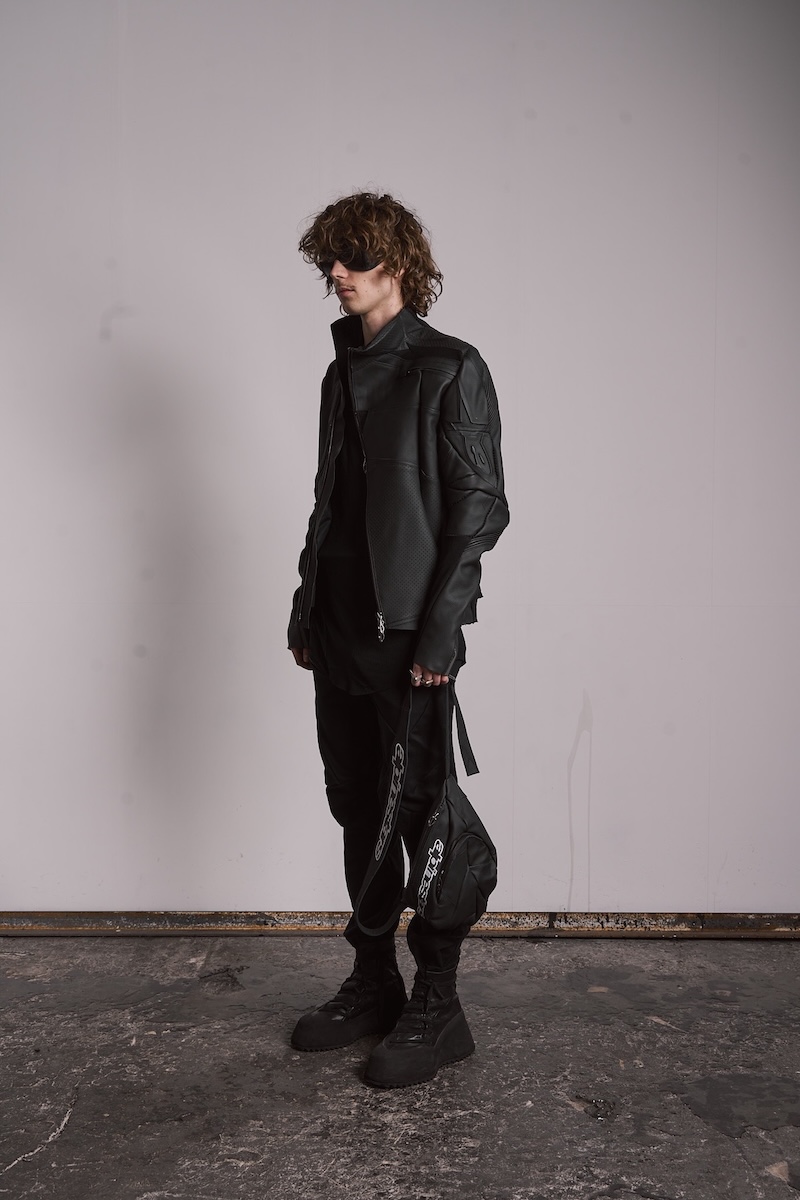
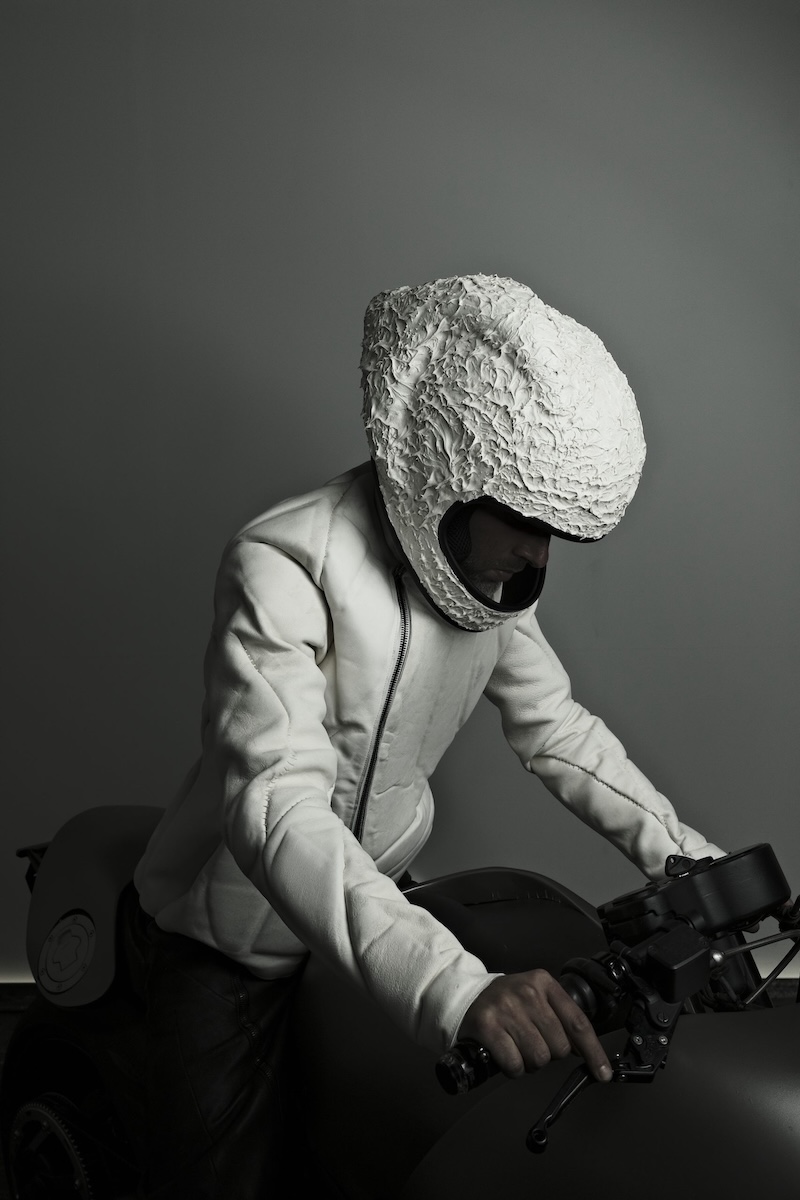

Avant-Garde Mode Shows
Get inspired by fashion presentations from some of the world’s leading Avant-Garde Fashion Designers.
References and further reading
- The Metropolitan Museum of Art — Rei Kawakubo/Comme des Garçons: Art of the In-Between
- The Metropolitan Museum of Art — Dress, Comme des Garçons, Spring/Summer 1997
- Victoria and Albert Museum — Yohji Yamamoto: Poet of Black
- Victoria and Albert Museum — Yohji Yamamoto Exhibition Press Release
- The Museum of Modern Art — A-POC Queen Textile, 1997
- The Museum of Modern Art — Structure and Surface: Contemporary Japanese Textiles
- The Metropolitan Museum of Art — Wabi Sabi — Rei Kawakubo Dress, 1983
- The Museum of Modern Art — Announcing Items: Is Fashion Modern?