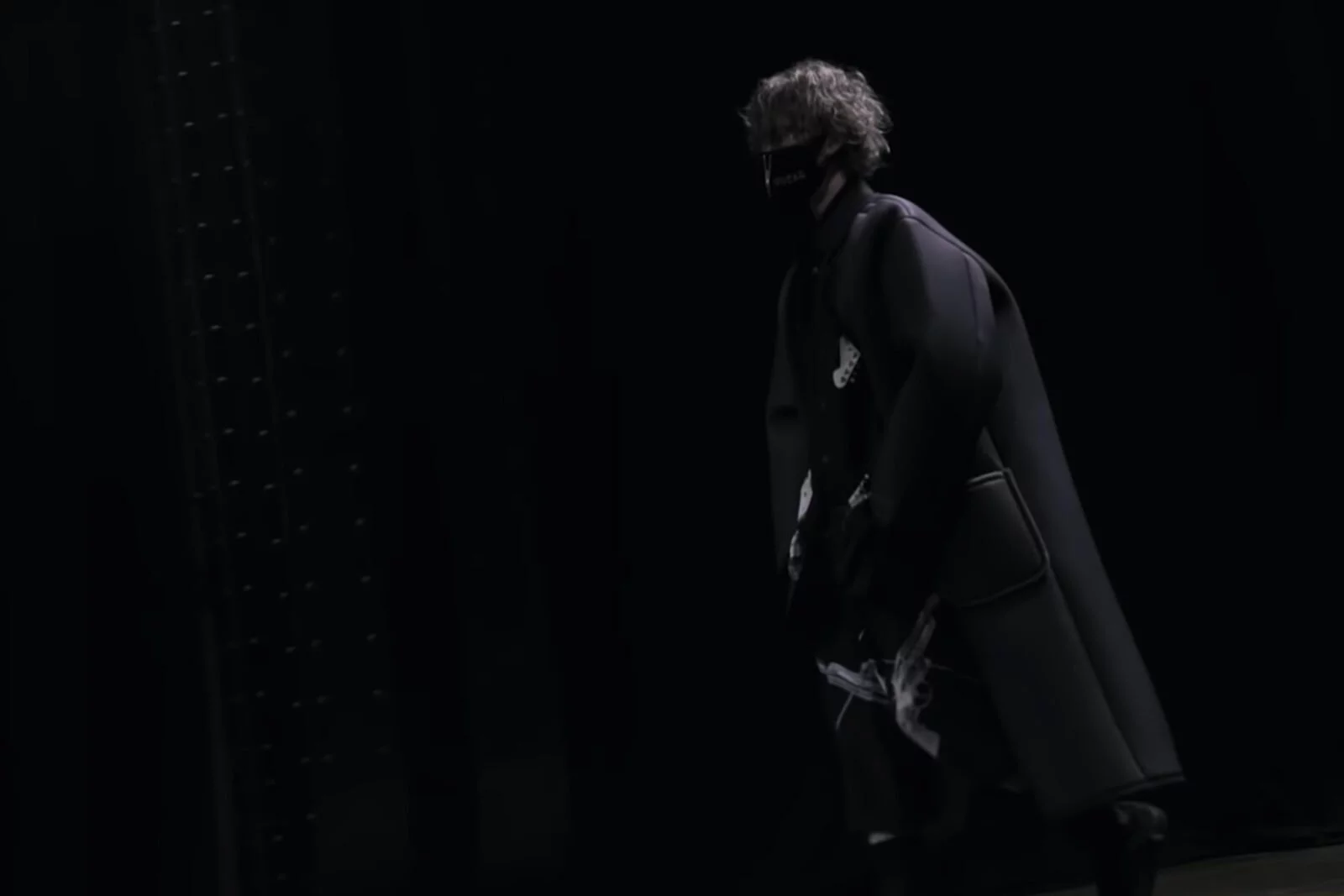
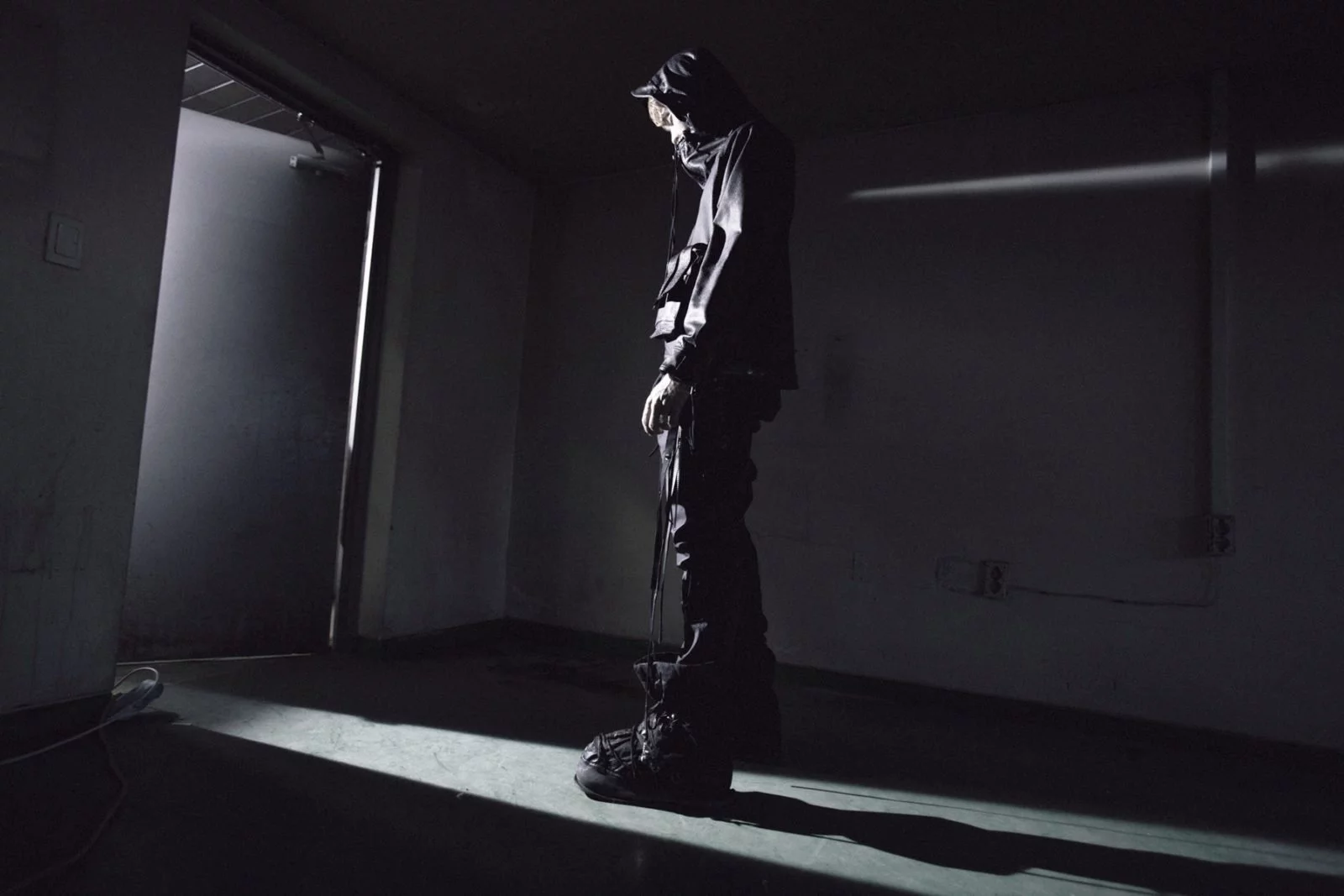
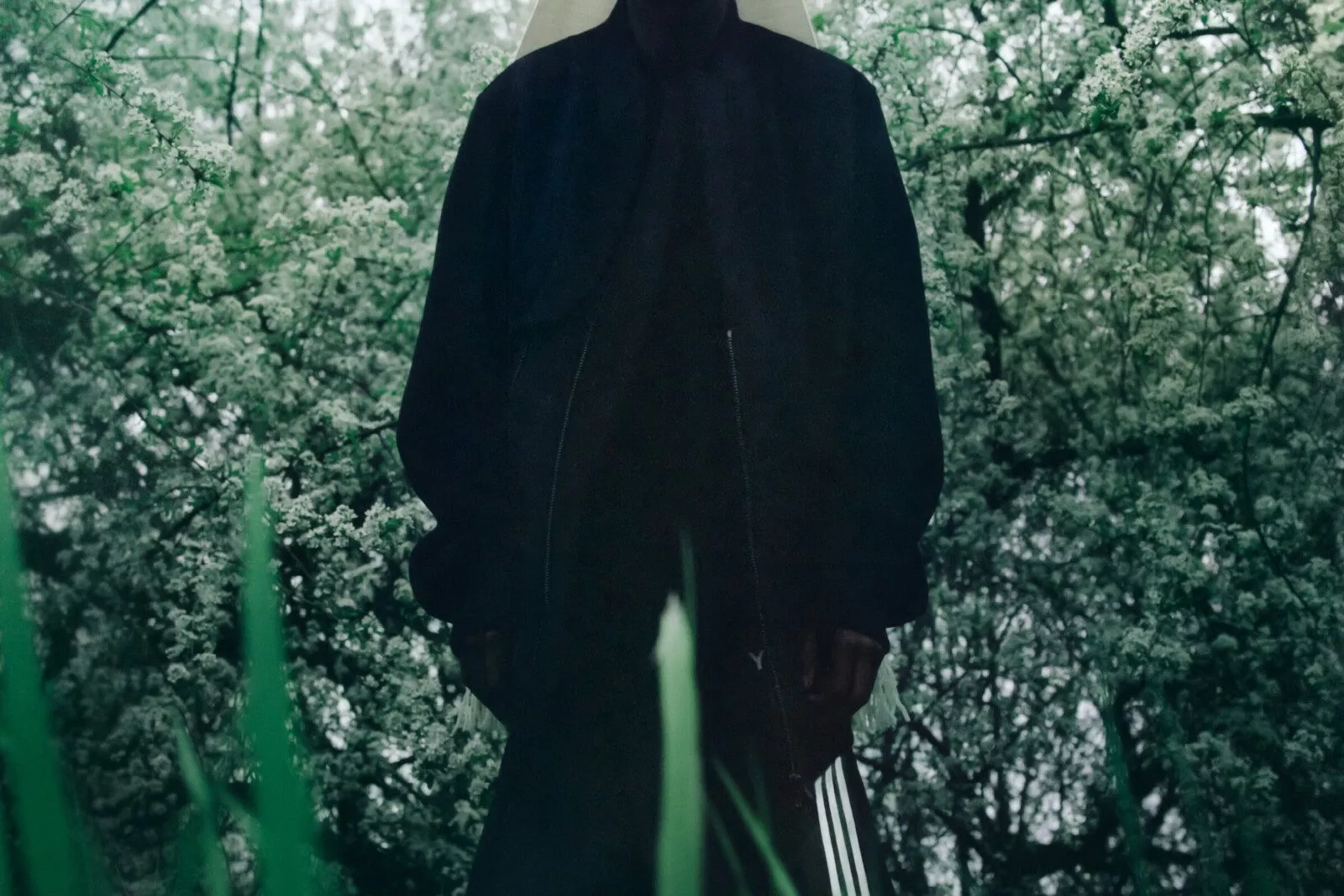
モノクロームアバンギャルドファッションは、単色のシンプルさとアバンギャルドデザインの大胆で実験的な本質を融合させています。このスタイルは、革新的なシルエット、予想外の素材、芸術的なコンセプトを通じて伝統的なファッションの規範に挑戦しつつ、統一されたカラーパレットを維持します。
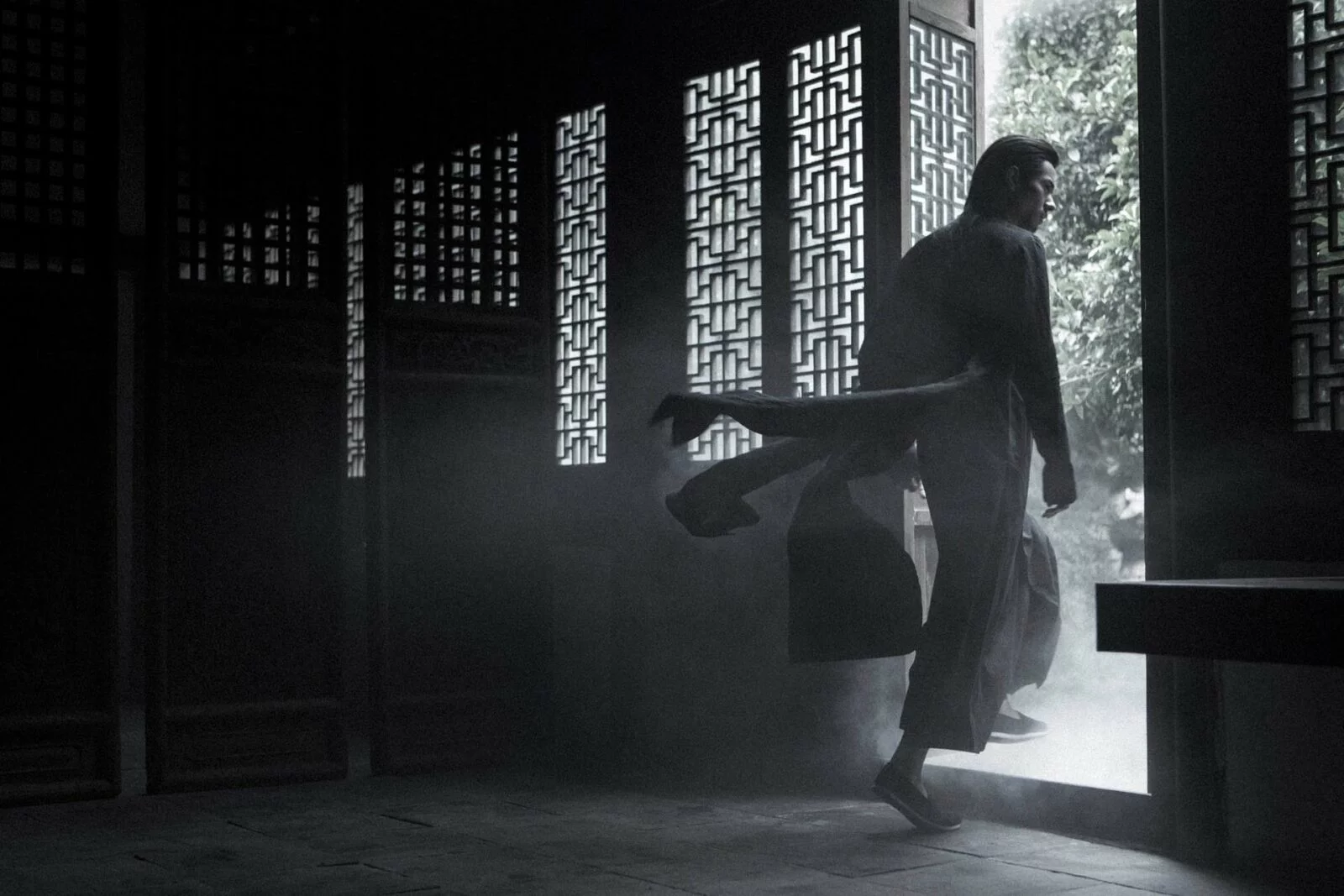
モノクロのアバンギャルドファッションにおける実験的なシルエットは、型破りなカット、ドレープ技術、または不均一な裾を通じて非対称性によって実現されます。例えば、レオン・エマニュエル・ブランクは、彼のデザインコンセプトの一つとして、彼の衣服の中で完全に対称性を廃止しています。日本のアバンギャルドファッションブランド、例えばヨウジヤマモトやジュリアスは、しばしばオーバーサイズで解体された形状をデザインします。ボリュームのある衣服はプロポーションを遊び、しばしばドラマティックな効果を生み出します。
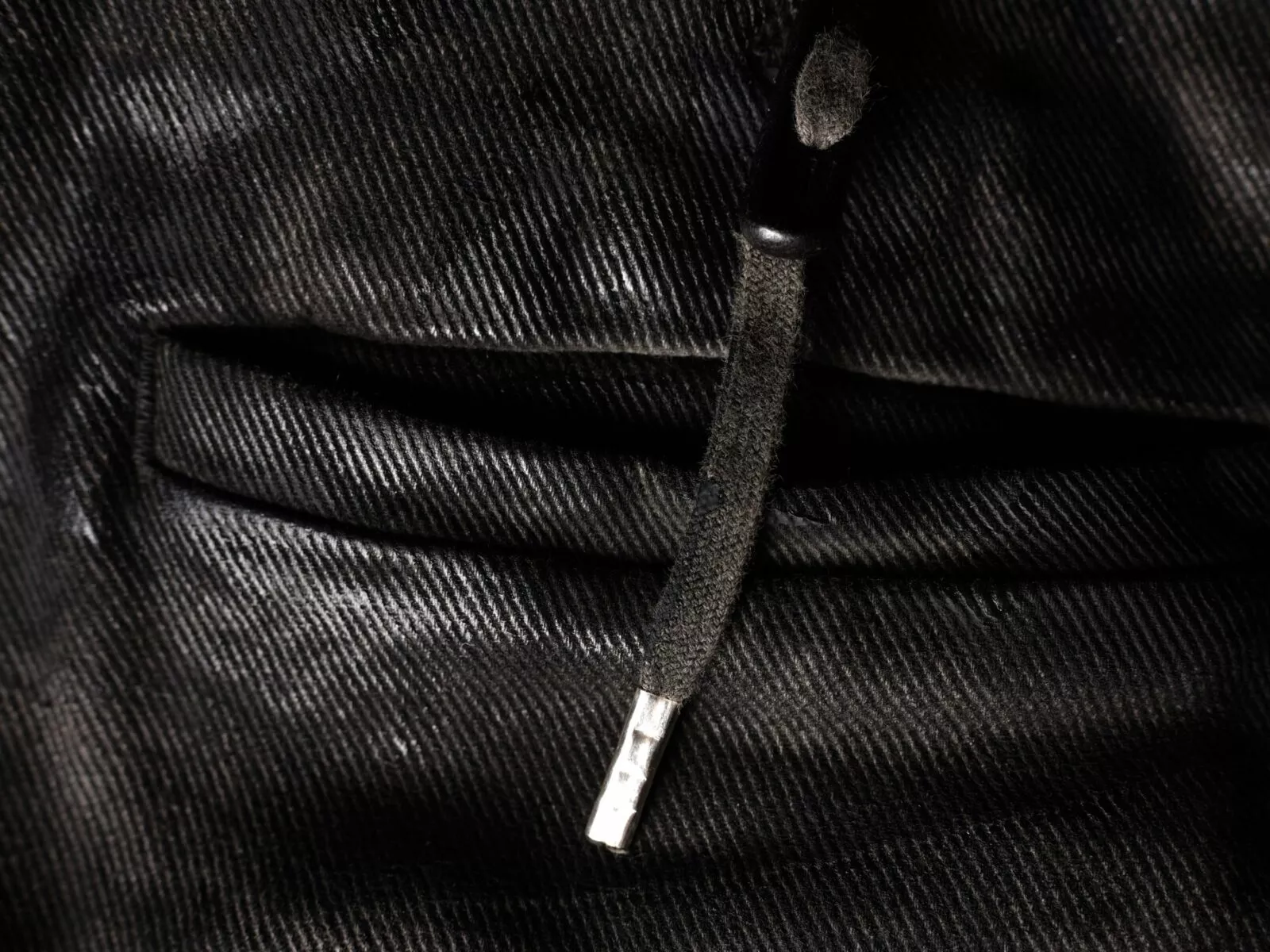
モノクロのアバンギャルドファッションのアイテムは、滑らかでマット、光沢のある、テクスチャーのある素材を組み合わせた生地のミックスを使用することで際立つことが多く、モノクロのカラーパレットにもかかわらず深みと興味を加えます。ボリス・ビジャン・サベリは、彼の作品にユニークな手処理を専門としており、例えばレジンダイイングという概念を適用しています。さらに、アバンギャルドファッションでは、作品にレイヤーの概念を取り入れることが一般的です。複数のレイヤーを使用することで、衣服に次元と複雑さを生み出します。
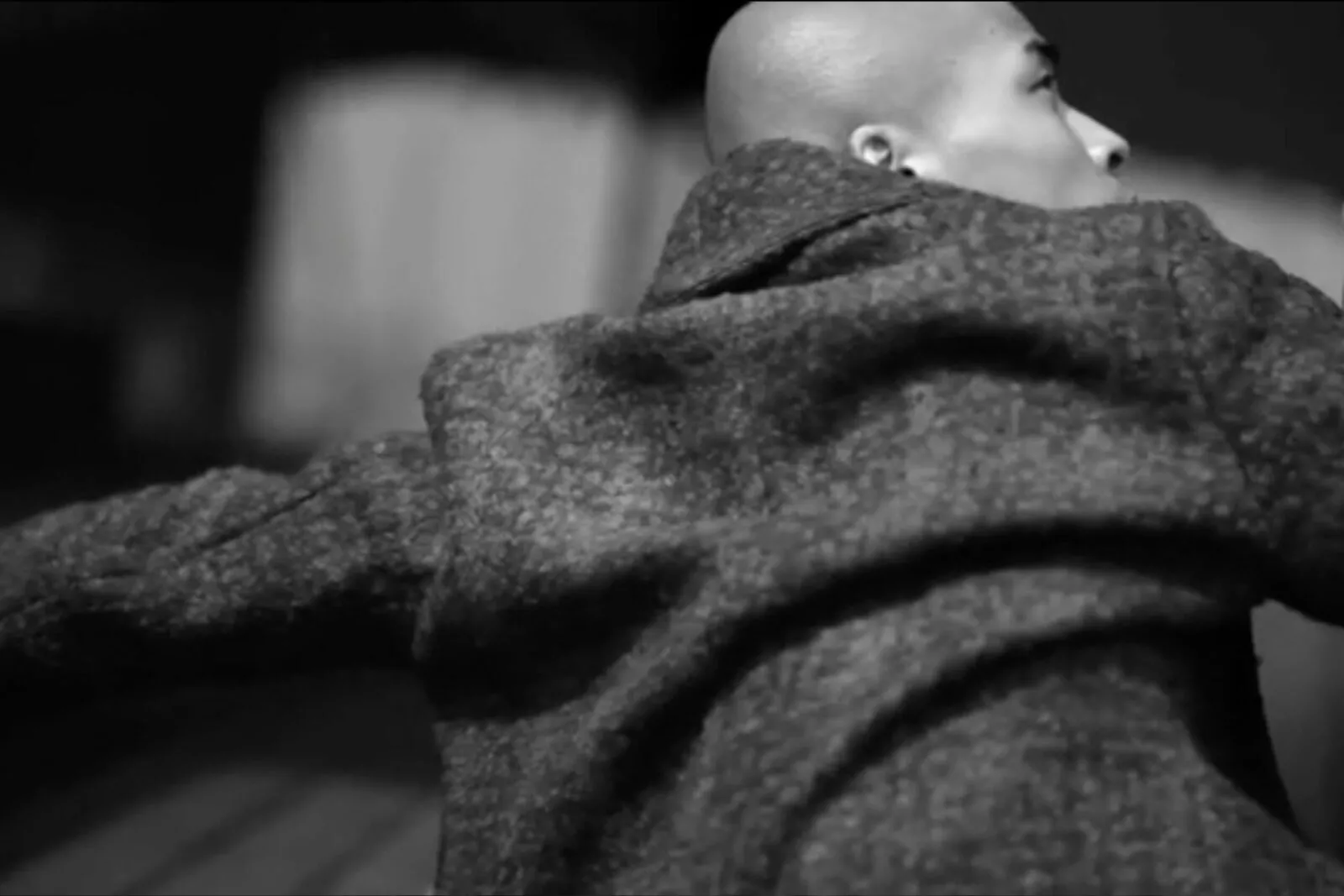
ウール、レザー、オーガニックテキスタイルなどの未処理または生の素材は、装飾よりも形と構造に焦点を当てたシンプルなデザインを実現するために革新的な方法で使用されることが多いです。彫刻的な衣服は、従来の服よりも着るアートのように見えます。未来的でディストピア的なテーマは、推測的なフィクションや抽象芸術から影響を受けています。しばしば、特別なタイプのポケット、ストラップ、調整可能な要素などの機能的なアーティザナルテックウェアの特徴が見られます。