COMOLI
Reconsidered Japanese Menswear
Sobre COMOLI
Founded in Tokyo in 2011 by designer Keijiro Komori, COMOLI has become one of the defining names in contemporary Japanese menswear, recognised for relaxed proportions, exacting material choices and an understated approach to everyday clothing.
Born in Tokyo in 1976, Komori graduated from Bunka Fashion College before spending a decade working as a designer within the Japanese fashion industry. COMOLI emerged from a deceptively simple proposition: most archetypes of modern clothing originated in Europe or America and were designed around a particular purpose, climate, body and way of life. What should those clothes become when worn in contemporary Japan?
This question continues to underpin the label. Komori draws from European workwear, military clothing, tailoring, sportswear and other familiar forms without treating their historical details as rules to be preserved. Proportion, fabric and construction are adjusted according to how clothing feels on the body and how it behaves within the environments in which it will actually be worn. Komori has spoken about imagining specific situations before designing a garment and has even travelled with finished collections to test his clothes in different climates.
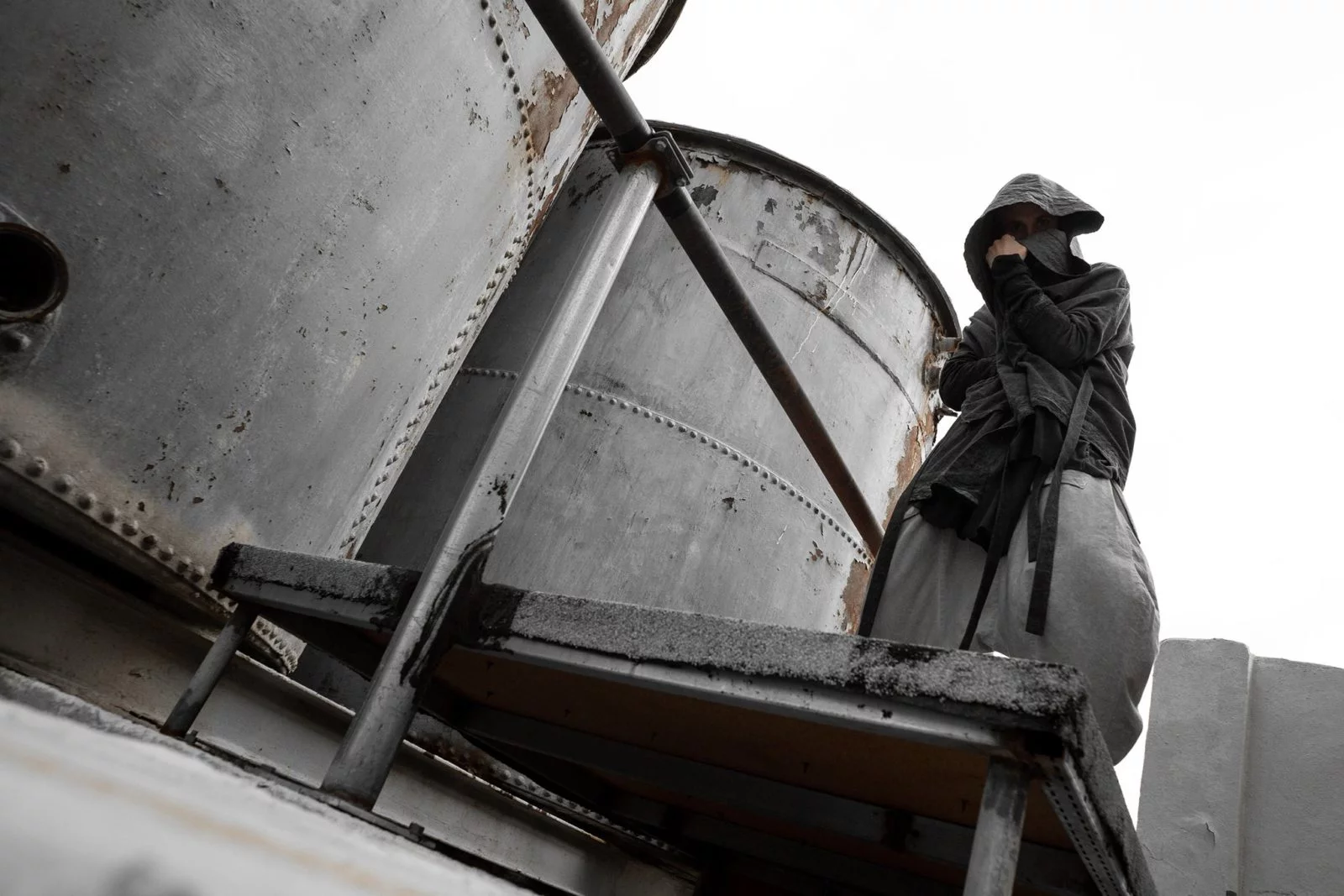
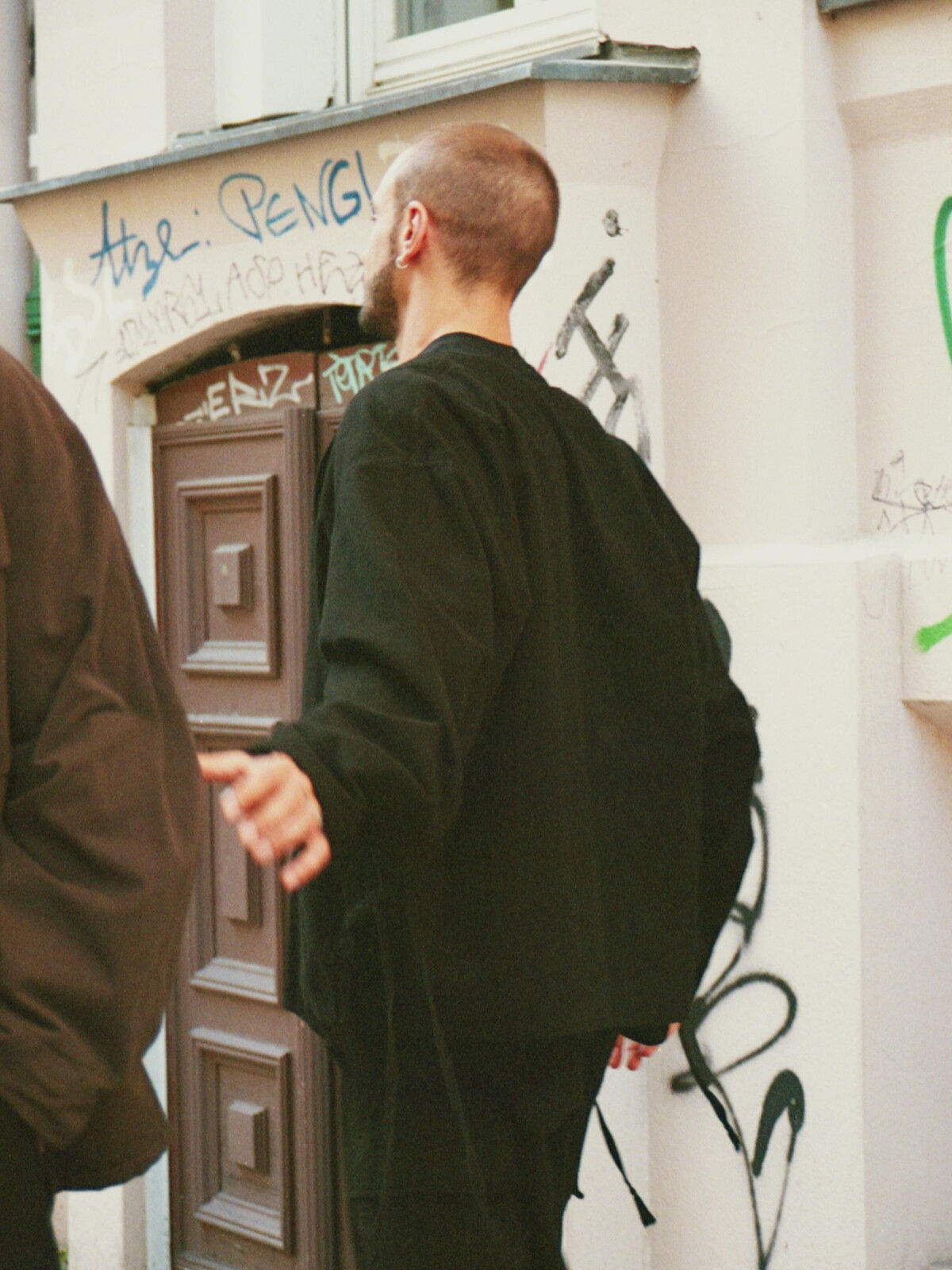
Central to COMOLI is the elusive sense of air between garment and wearer. Shirts fall away from the torso, trousers carry volume without becoming rigid, and coats create generous silhouettes through fabric and cut rather than conspicuous structural devices. The effect is relaxed but highly controlled: clothing that often appears simple on a hanger becomes considerably more expressive through movement.
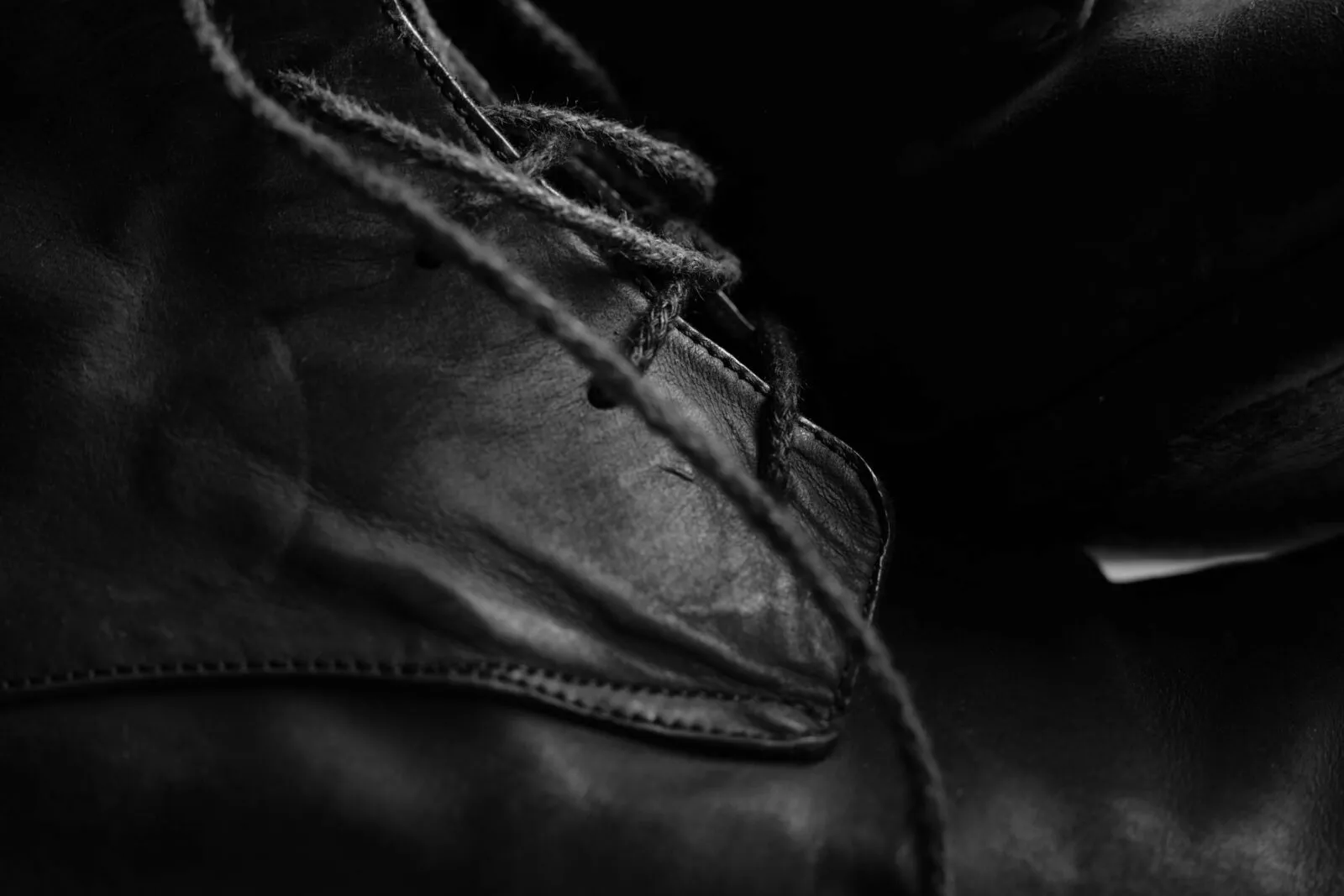
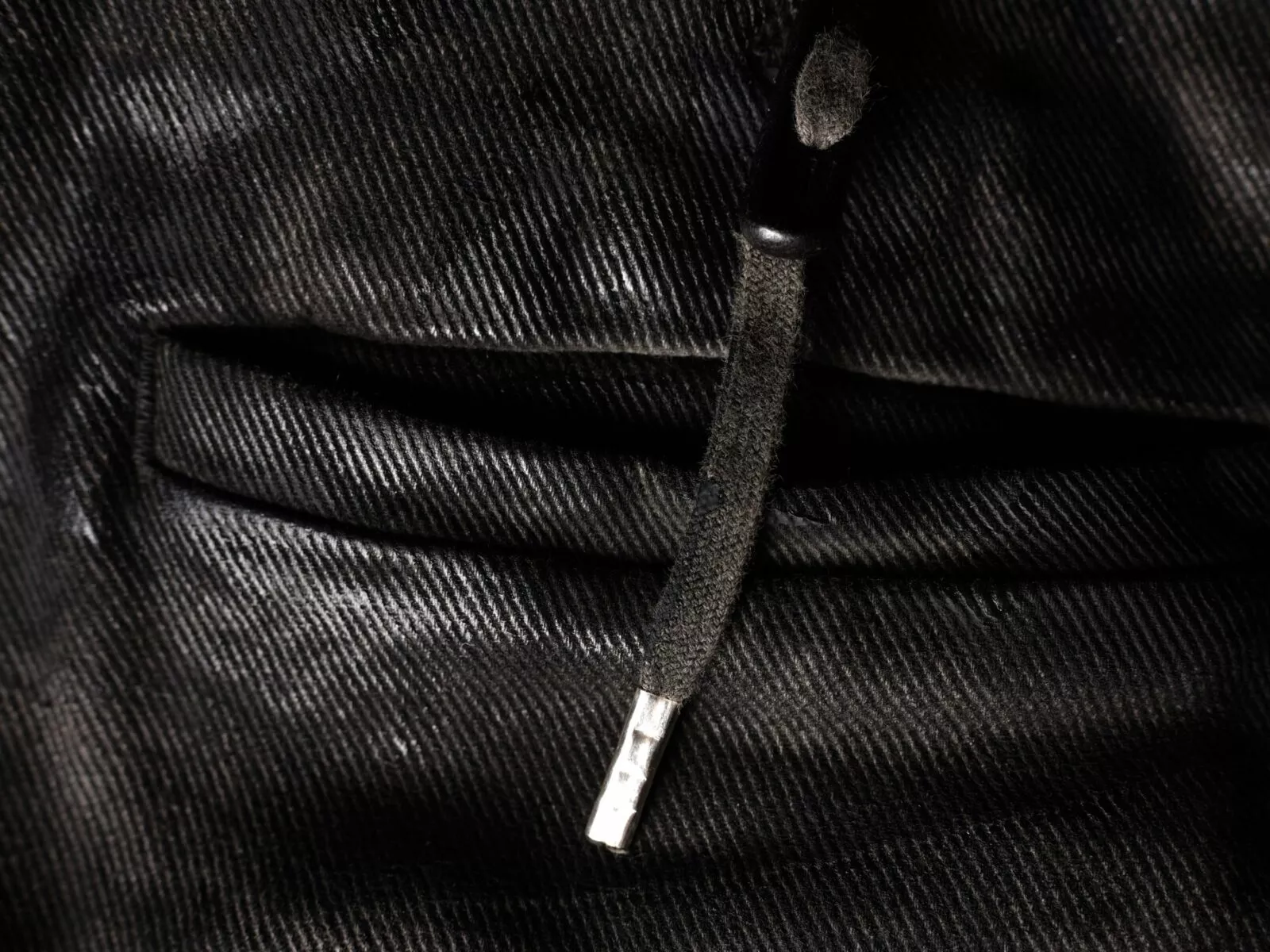
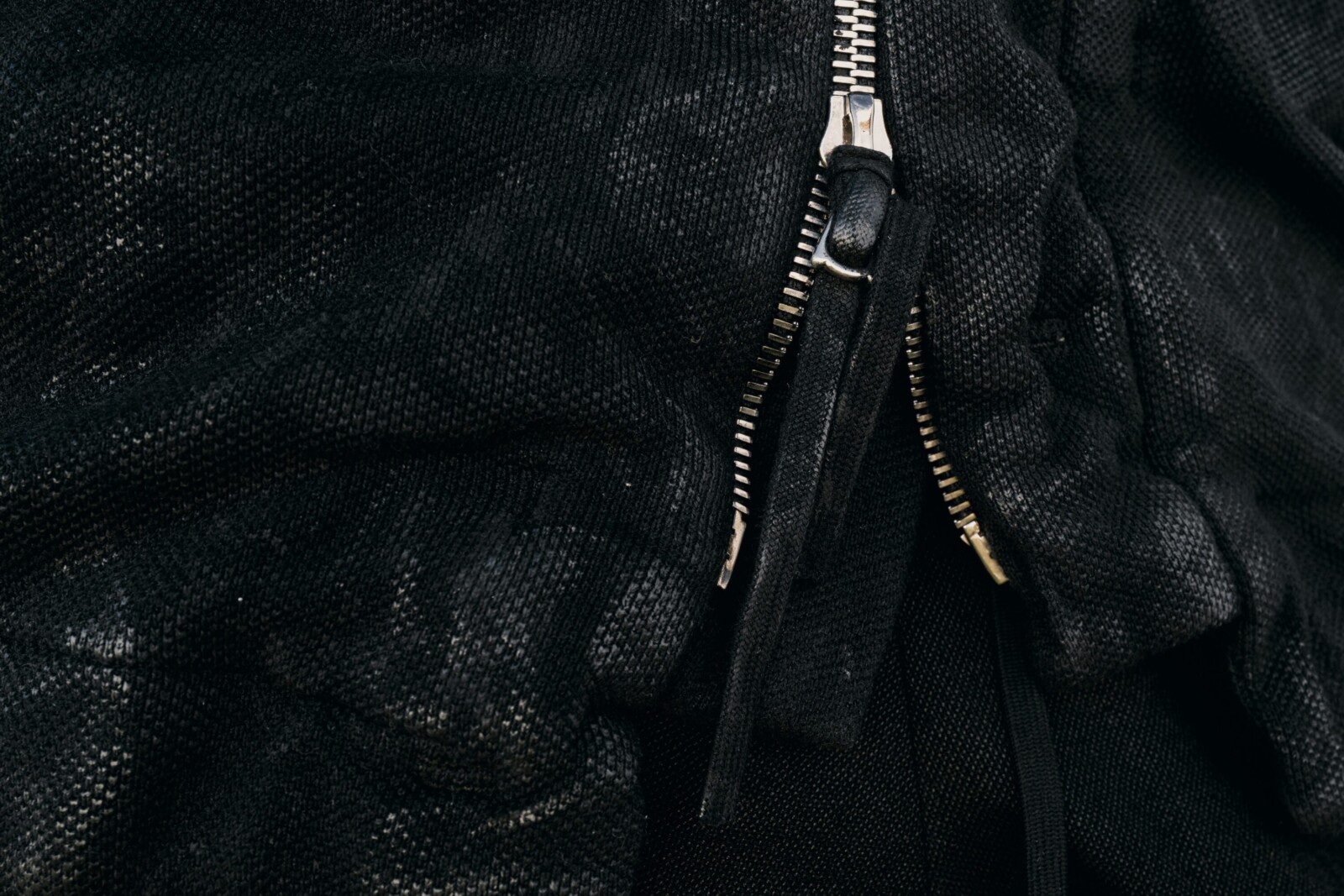
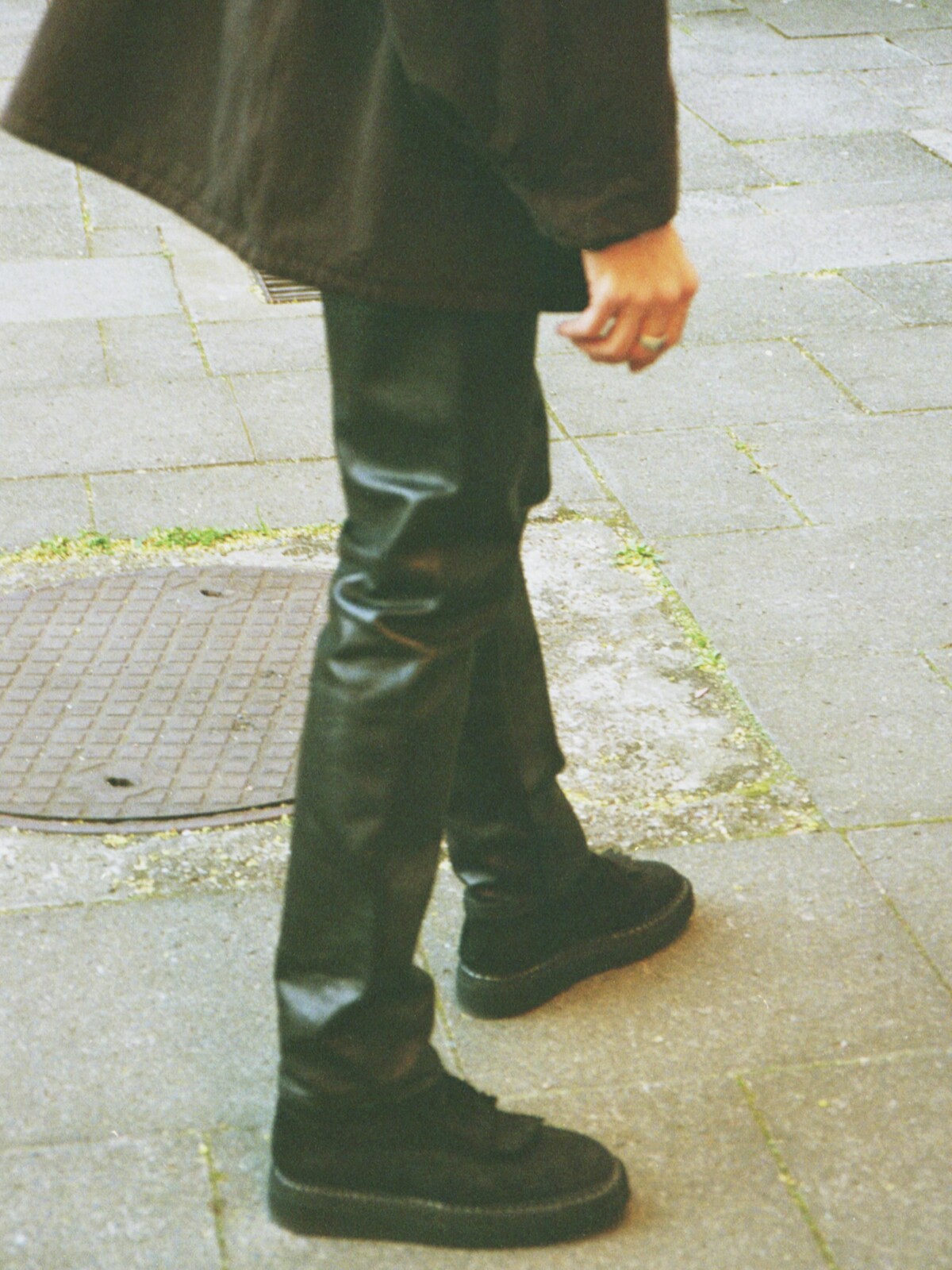
Material is equally important. Across its collections, COMOLI moves between crisp cottons, dense wool, washed silk, linen, denim, leather and technically informed fabrics, frequently allowing washing, fading and wear to alter their character. Navy, black and muted natural tones recur throughout the label, reinforcing Komori’s preference for clothing whose presence comes from silhouette, texture and the person wearing it rather than graphic identity.
COMOLI also resists the expectation that a designer must reinvent a narrative every season. Komori has described the brand’s underlying concept as essentially continuous: he makes clothes for situations he can imagine and for the life around him. Familiar pieces consequently return in altered fabrics, weights and proportions, allowing the wardrobe to evolve incrementally instead of being replaced by successive themes.
That consistency has given COMOLI an unusual position within Japanese fashion. The clothes are grounded in Western archetypes, but imitation is precisely what Komori seeks to avoid. His concern is whether a garment belongs naturally to its wearer, climate, city and daily life. European tailoring, French workwear or American utility clothing become starting points for clothes shaped by contemporary Japan.
COMOLI opened its Minami-Aoyama flagship in Tokyo in 2019 and expanded into womenswear with the Autumn/Winter 2024 season. Yet its vocabulary remains deliberately restrained. More than a decade after its founding, COMOLI’s identity rests on a remarkably consistent proposition: ordinary clothes reconsidered through body, environment, material and use.
COMOLI Base de conocimientos
-
¿Quién es el diseñador detrás de COMOLI?
COMOLI fue fundada por el diseñador japonés Keijiro Komori. Nacido en Tokio en 1976, Komori estudió en el Bunka Fashion College y pasó aproximadamente una década trabajando como diseñador antes de establecer su propia marca.
-
¿Por qué es conocida COMOLI?
COMOLI es conocido por sus camisas relajadas, pantalones voluminosos, sastrería suavemente construida, prendas de abrigo y reinterpretaciones refinadas de la ropa utilitaria. En lugar de depender de logotipos o firmas decorativas, la marca establece su identidad a través de la proporción, la tela, la textura y el movimiento.
-
¿Cuál es la filosofía de diseño de COMOLI?
Keijiro Komori aborda la ropa en relación con la persona y el entorno en el que realmente se va a usar. La ropa de trabajo occidental, las prendas militares y la sastrería ofrecen referencias recurrentes, pero sus proporciones, materiales y construcción se reconsideran para la vida contemporánea en Japón.
-
¿Qué significa la “sensación de aire” en la ropa de COMOLI?
Las prendas de COMOLI crean frecuentemente un espacio entre la tela y el cuerpo. Los cortes generosos permiten que las camisas, pantalones y prendas de abrigo se muevan libremente en lugar de seguir de cerca la forma del que las lleva. Esta sensación de aire contribuye al volumen relajado y al movimiento distintivo asociado con la marca.
-
¿Qué materiales utiliza COMOLI?
COMOLI trabaja extensamente con algodón, lana, seda, lino, denim y cuero, junto con tejidos más técnicos. El carácter del material es central en las colecciones, con el lavado, la tintura y el acabado que a menudo se utilizan para crear suavidad, irregularidad y superficies que continúan desarrollándose con el uso.
-
How does COMOLI fit?
COMOLI is generally associated with relaxed and generous proportions, although fit varies considerably by garment. Many pieces intentionally create volume around the body, so customers should consult measurements for the individual style rather than relying solely on conventional international sizing.
-
Is COMOLI a minimalist brand?
COMOLI is frequently described as minimalist because of its restrained colours, limited branding and apparently simple garments. However, the simplicity conceals considerable attention to fabric, proportion, construction and movement. “Understated” is therefore often a more useful description than minimalist.
-
Does COMOLI make womenswear?
Yes. Although COMOLI established its reputation primarily through menswear, the label expanded into womenswear beginning with its Autumn/Winter 2024 collection.