كيف ترتدي أسلوب الأفانت غارد
ارتداء الطليعة يعني بناء علاقة مقصودة بين الملابس والجسد بدلاً من تجميع زي من قطع غير عادية. ابدأ بالشكل، النسبة والحركة؛ أضف تباين المواد والتفاصيل فقط عندما تعزز تلك البنية. الخزانة الأكثر إقناعًا تبدو شخصية، قابلة للارتداء ومتسقة - ليست تقليدًا لعرض أزياء أو مجموعة من الإشارات المكلفة.
أسلوب الطليعة يبدأ من وجهة نظر
لا توجد خزانة طليعية إلزامية. الأسود ليس إلزاميًا؛ عدم التماثل ليس شارة عضوية؛ قطعة الملابس الصعبة ليست ذكية تلقائيًا. تاريخيًا، تحدى مصممو الطليعة العلاقات المقبولة بين الجسد، الجمال، الجنس، الصناعة والسلوك الاجتماعي. ارتداء من تلك التقليد يعني اتخاذ خيارات مماثلة بشكل مقصود على نطاق يومي.
قد تعطي وجهة نظرك الأولوية للحجم الواقي، التخفيف الشديد، الطبقات الهشة، البناء المرئي أو الملابس التي تم تعديلها بسبب الاستخدام. اختر فكرة مركزية واحدة قبل اختيار قطع فردية. هذا ينتج اتساقًا ويمنع الزي من أن يصبح مجموعة من التأثيرات غير المرتبطة.
1. ابدأ بالشكل
الشكل هو أول معلومة ينقلها الزي. قبل فحص الملصقات أو التفاصيل، لاحظ الحدود التي تشكلها الجسم والملابس معًا. هل يسقط عموديًا، يتسع عند الكتف، ينحني بعيدًا عن الجذع، يضيق نحو الكاحل أو يخلق مساحة من خلال الفخذ المنخفض والخياطة الم displaced؟
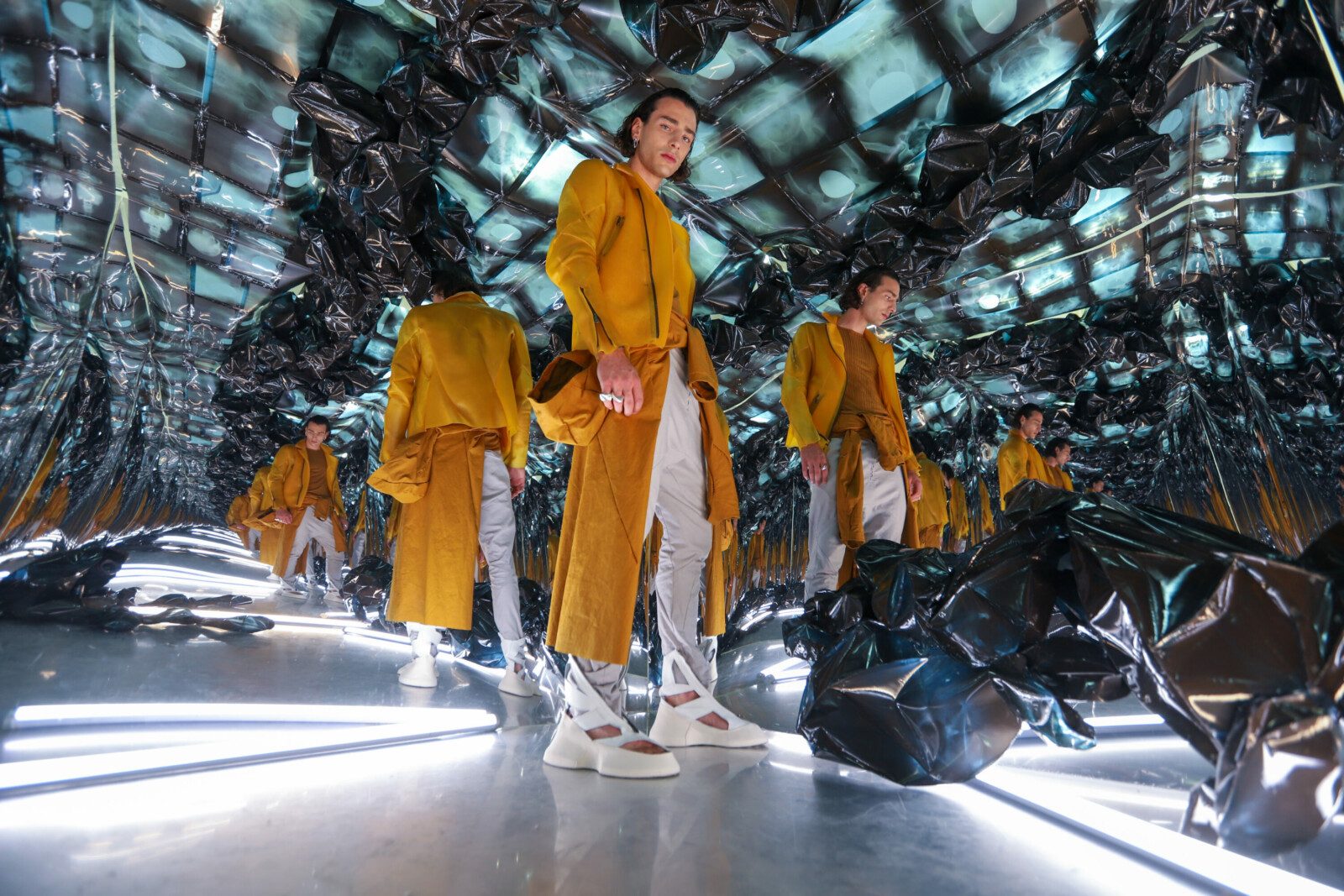
اختر شكلًا رئيسيًا واحدًا ودع بقية الزي يدعمه. قد يعمل طبقة خارجية طويلة وضيقة مع حجم متحكم تحته. يمكن أن يجلس سترة معمارية قصيرة فوق طبقة داخلية أطول وسروال واسع. يصبح الجزء العلوي الكبير أوضح عندما يكرر النصف السفلي حجمه أو يتقلص عمدًا. الهدف ليس “التوازن” العالمي، بل علاقة قابلة للقراءة.
الملاءمة ليست هي نفسها كما في الإطراء التقليدي
قد تخفي الملابس الطليعية الخصر، تمدد الكتف أو تفصل القماش عن الجسم. لا يزال يحتاج إلى أن يتناسب حيث تعتمد بنيته على الاتصال: خط العنق، فتحة الذراع، المعصم، الورك، الأحذية ونقاط التعليق. الملابس الكبيرة التي تكون ببساطة عدة مقاسات أكبر غالبًا ما تنهار في الأماكن الخطأ. الحجم المصمم له خياطات، وزن وتوازن متحكم.
2. تحكم في النسبة والوزن البصري
تتعلق النسبة بالأطوال والانقسامات داخل الشكل. سترة تنتهي بعيدًا تحت الورك تغير الموضع الظاهر للساقين. السراويل القصيرة تكشف عن فترة ضيقة فوق أحذية كبيرة. كم طويل يبطئ اليد. هذه التحولات فعالة لأنها تغير القياسات الجسدية المألوفة.
اعمل مع إزاحة ذات معنى واحدة في البداية. مد الطبقة الخارجية، قص السروال، ارفع الياقة أو بالغ في العرض - ليس كل الأربعة تلقائيًا. ثم انظر إلى الوزن البصري. الجلد الكثيف، الصوف الثقيل والأحذية الكبيرة تجذب العين للأسفل؛ القماش الفاتح أو الشفاف يبدو أنه يطفو. يصبح الزي متسقًا عندما تشعر تلك الأوزان بأنها موزعة عمدًا.
اختبر الملابس في الحركة
امشِ، اجلس، مدّ يدك واستخدم السلالم. يمكن أن يخفي المرآة الثابتة سوء التعبير ويظهر فقط الزاوية الأكثر تصويرًا. Issey Miyake’ملابس تُظهر كيف يمكن أن يتغير القماش بشكل جذري من خلال الحركة؛; يوجي ياماموتو’خياطة تكتسب معنى مع دخول الهواء إلى المساحة بين القماش والجسد. يجب أن تبقى الملابس الطليعية اليومية حية خارج الصورة.
3. ابنِ لوحة بدلاً من الافتراض بالأسود
الأسود مفيد لأنه يوضح الخطوط، يوحد المواد المتنوعة ويسمح للاختلافات الدقيقة في السطح بأن تصبح مرئية. كما يحمل تاريخ الحزن، التمرد، الملابس الفكرية، البانك ومناهضة الموضة اليابانية. لكن ارتداء الأسود لا يجعل الزي طليعيًا، وتجنب اللون يمكن أن يصبح تقليدًا غير مدروس خاص به.
قد تشمل لوحة مقيدة الفحم، الحبر، الغبار، الأسود البني، الرمادي المؤكسد، العظم والألوان المعدنية الباهتة. تمنع الاختلافات في درجة الحرارة والانعكاسية الملابس الأحادية من أن تصبح مسطحة. يمكن أن يكون اللون أيضًا هيكليًا: بطانة قرمزية تظهر فقط في الحركة، حجم كوبالت ضد الأسود، أو عدة ظلال متضاربة تعالج بنفس الكثافة.
إذا كنت تبدأ، اختر لونين أساسيين مرتبطين وواحدًا منقطعًا متحكمًا. ستجعل التكرار عبر عدة أزياء اللوحة تشعر وكأنها لغة شخصية بدلاً من زي موضوعي.
4. دع القوام والبناء يحملان التفاصيل
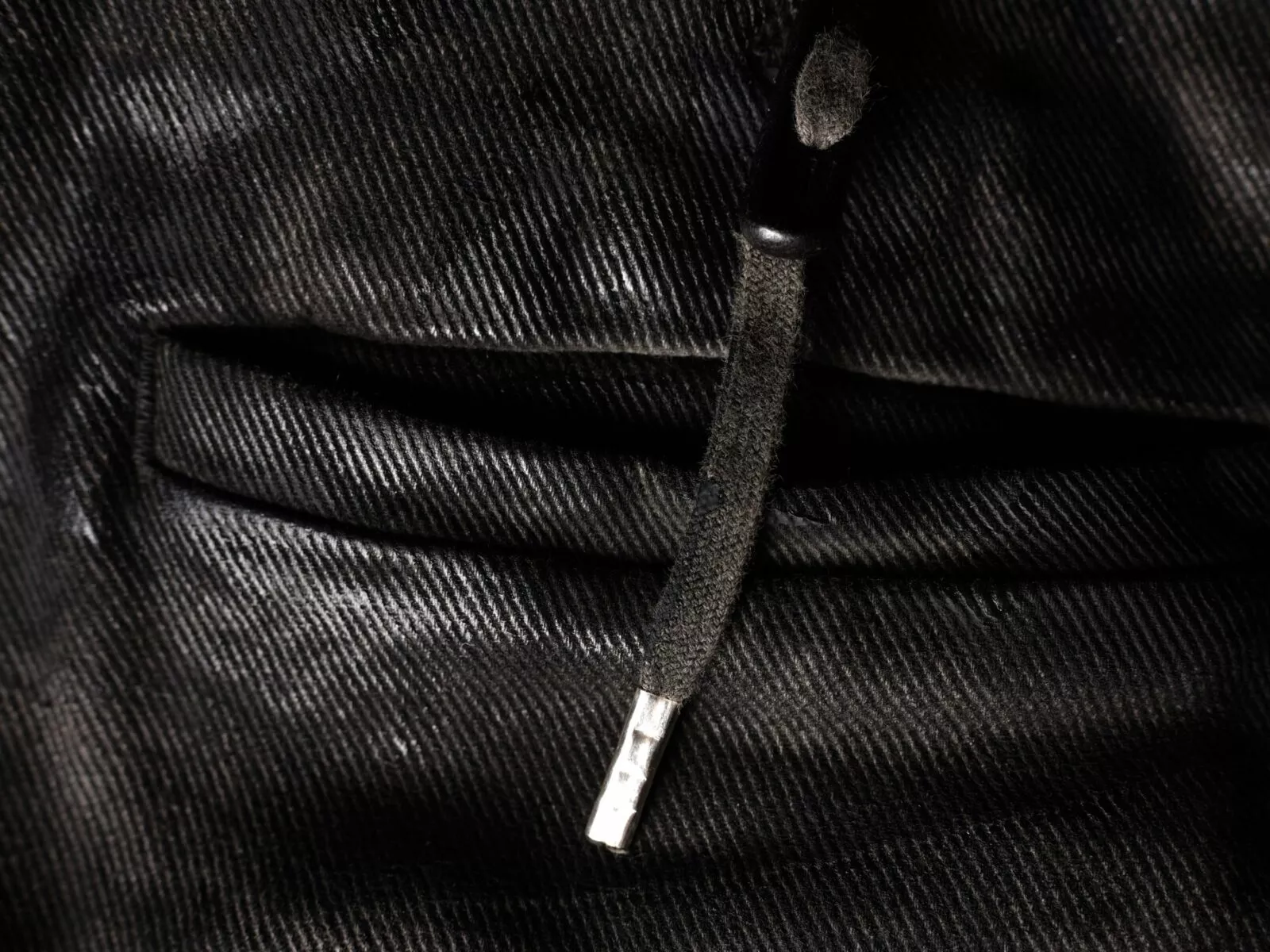
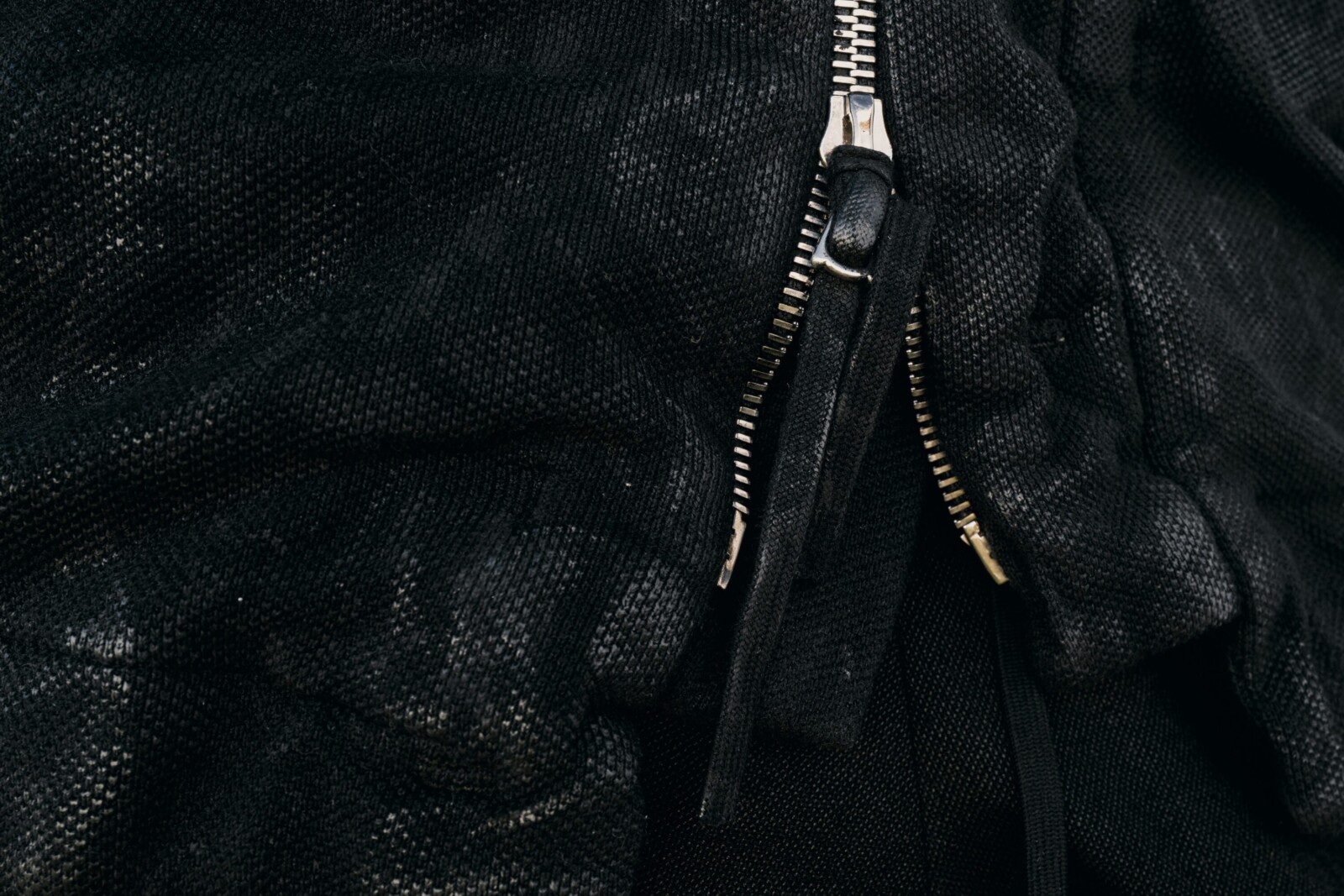
أكثر الملابس الطليعية جذبًا تكافئ القرب. يمتص الصوف المغسول الضوء بشكل مختلف عن القطن المضغوط؛ الخياطات المصبوغة تحتفظ بالتغيرات في اللون؛ الجلد المشوه يسجل التوتر؛ الشبكة الشفافة تغير ما يكمن تحتها. يمكن أن تخلق هذه العلاقات المادية عمقًا دون طبعات، شعارات أو أجهزة زائدة.
ادمج القوام مع سلوكيات مختلفة بدلاً من مجرد مظهر مختلف. ضع قشرة صلبة فوق طبقة ناعمة، قماش جاف منسوج بجانب جلد مصقول، أو حياكة دقيقة تحت سترة بحواف خام. قد تتنافس مادتان متضررتان بشدة معًا، بينما تصبح سطح واحد معدل محاط بقماش أكثر هدوءًا قابلًا للقراءة.
اقرأ القطعة من الداخل
اقلب الملابس إلى الداخل. اتبع الخياطات وافحص أين يتم دعم الوزن. التفكيك في الموضة ليس مجرد خياطة مكشوفة؛ إنه استفسار عن سبب تجميع قطعة الملابس بطريقة مألوفة. يجب أن تغير إغلاقًا م displaced، ساقًا مدورة أو دارت خارجية الوظيفة، الحركة أو المعنى. عندما لا يكون للبناء أي عواقب تتجاوز الزخرفة، فسوف يتقادم بسرعة.
5. طبّق بغرض
تخلق الطبقات عمقًا، حجمًا قابلًا للتعديل وإحساسًا بأن الخزانة هي نظام. ابدأ بثلاثة أدوار:
- الأساس: الطبقة التي تلامس الجسم وتؤسس الراحة، الخط ودرجة الحرارة.
- الانتقال: قميص، حياكة، سترة أو لوحة مرفوعة تغير الطول، الشفافية أو القوام.
- البنية: السترة، المعطف أو الحجم الخارجي الذي يحدد الشكل.
Each layer should remain visible or affect the shape. If an intermediate garment disappears completely and adds only bulk, remove it. Vary hems and openings so the eye can understand how the outfit is constructed. Repeating every irregular hem at the same interval creates noise; one long line beside one decisive interruption feels stronger.
Use asymmetry as tension
Asymmetry works when it produces direction: a diagonal closure draws the torso across, a panel weights one side, or an uneven hem responds to movement. Randomly adding asymmetrical items can cancel their effect. Give the outfit one dominant directional gesture and quieter supporting lines.
6. أرض الشكل بالأحذية
Footwear determines how the entire structure meets the ground. A heavy boot gives authority to wide trousers and long coats; a narrow shoe can sharpen an otherwise oversized silhouette; an anatomical or low-profile form preserves the sense of uninterrupted fabric. Choose shoes by their mass, shaft height and toe shape before considering decorative detail.
Avoid assuming that avant-garde footwear must be extreme. The strongest choice may be a severe, beautifully proportioned boot that can be repaired. If the clothing already carries multiple technical treatments, quieter footwear gives the eye somewhere to rest.
Accessories should modify the system
A bag can extend the architecture of an outfit, a belt can redirect volume, and jewelry can introduce a different material scale. Treat accessories as functional punctuation. One substantial object is often more effective than many symbols associated with an imagined “avant-garde” identity.
Utility should be real. A harness without a structural or carrying purpose, excessive straps, or tactical components detached from use can read as costume. Function and poetry can coexist, but the object should be honest about which one leads.
7. Build an avant-garde wardrobe gradually
Start from clothes you already wear repeatedly. Identify their useful qualities—perhaps a high rise, generous shoulder, long line or preference for dry natural fibers—then intensify one quality rather than replacing your identity wholesale.
- Choose a foundation uniform. Establish reliable trousers, a knit or shirt, and footwear with compatible proportions.
- Add one structural outer layer. A coat or jacket has the greatest influence on silhouette and can reorganize familiar basics.
- Introduce material contrast. Add one garment whose texture or construction changes the depth of the outfit.
- Refine through alteration. Hem length, sleeve position and trouser break often matter more than acquiring another piece.
- Observe wear. Keep what becomes more expressive through movement and time; release what performs only for the mirror.
This method is intentionally slower than shopping for a complete look. It allows clothes from different periods, price levels and designers to become one personal system. The RAW Looks brand directory can support designer research, but the wardrobe should never function as a directory worn at once.
صيغ ملابس الطليعة العملية
Quiet architectural
Start with wide straight trousers and a fitted or compact foundation layer. Add a jacket with one displaced closure or controlled extended shoulder, then use narrow footwear. Keep the palette close so the construction remains the focus.
Protective volume
Combine a long soft coat with a high-neck layer and trousers that taper toward substantial boots. Let the outer garment create space around the torso while the lower leg provides a point of control.
Material contrast
Use a washed or raw-edged outer layer over smooth jersey, then introduce one polished leather element. Maintain a conventional silhouette so the surfaces can carry the experimentation.
Light and sculptural
Choose pale tones, an asymmetric shirt or tunic and a wider trouser in a fabric that moves. Ground the outfit with matte footwear. Avant-garde dressing need not depend on darkness; volume and construction remain fully visible in ivory, stone and desaturated color.
Everyday reduced
Wear a familiar shirt, knit or T-shirt with trousers whose pattern changes the hip or leg line, plus one strong coat. This is often the most sustainable formula because it concentrates investment and care in the garments doing structural work.
أخطاء شائعة
Copying a complete designer look
A runway look expresses one collection’s argument. Reproducing it exactly may demonstrate knowledge but leaves little room for the wearer. Borrow a principle—proportion, layering, restraint—and translate it through your own body and daily life.
Confusing complexity with intention
More layers, straps, distressed surfaces and unusual accessories do not automatically create depth. Remove one element at a time. If the central silhouette becomes clearer, the removed piece was probably competing rather than contributing.
Ignoring comfort and context
Discomfort can be conceptually meaningful on a runway, but daily clothing must allow work, travel and weather. Adapt the language instead of suffering for it. A garment that prevents ordinary movement without a considered reason reduces the wearer to a display support.
Buying novelty without learning the material
Experimental coatings, delicate knits and treated leather may demand specific care. Understand how an object will age before buying it. Patina can be beautiful; preventable damage is different. Repairability and frequency of wear are part of good avant-garde judgment.
Dress from understanding, not uniform
Avant-garde style becomes convincing when the wearer can explain the outfit materially rather than recite its labels. The coat changes the body’s boundary; the trouser redirects proportion; the shoe controls weight; the fabric records time. Every choice participates in one idea.
Begin with What Is Avant-Garde Fashion? for the underlying definition. Avant-Garde Fashion Style: Characteristics and Examples explains the visual vocabulary in greater depth, while موضة الطليعة الحديثة places today’s wardrobes within their cultural and material context.
اكتشف إطلالات الموضة الطليعية المعاصرة
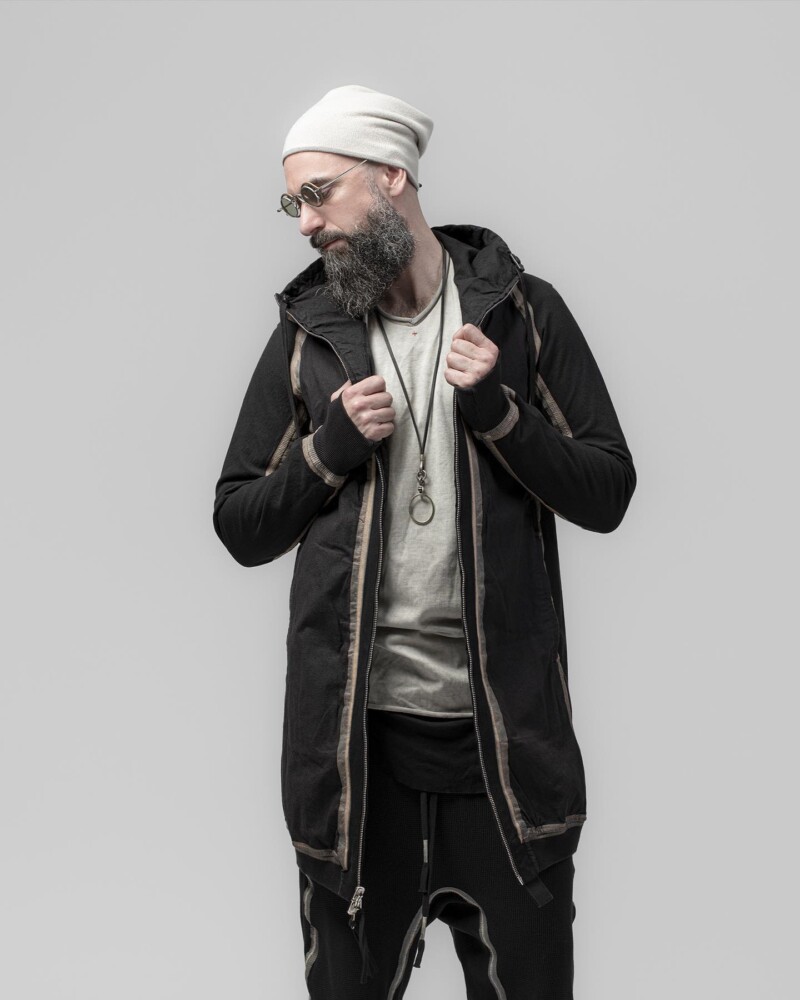
Explore styles and outfits from international Avant-Garde Fashion Designers and the global Avant-Garde Fashion Community.


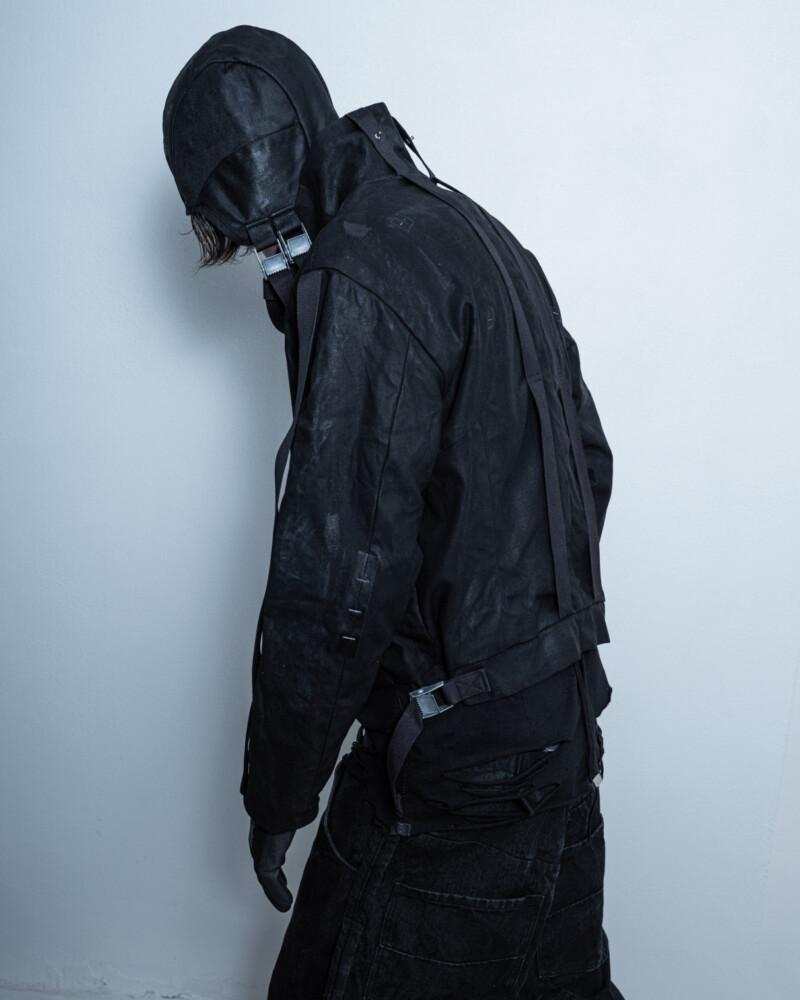
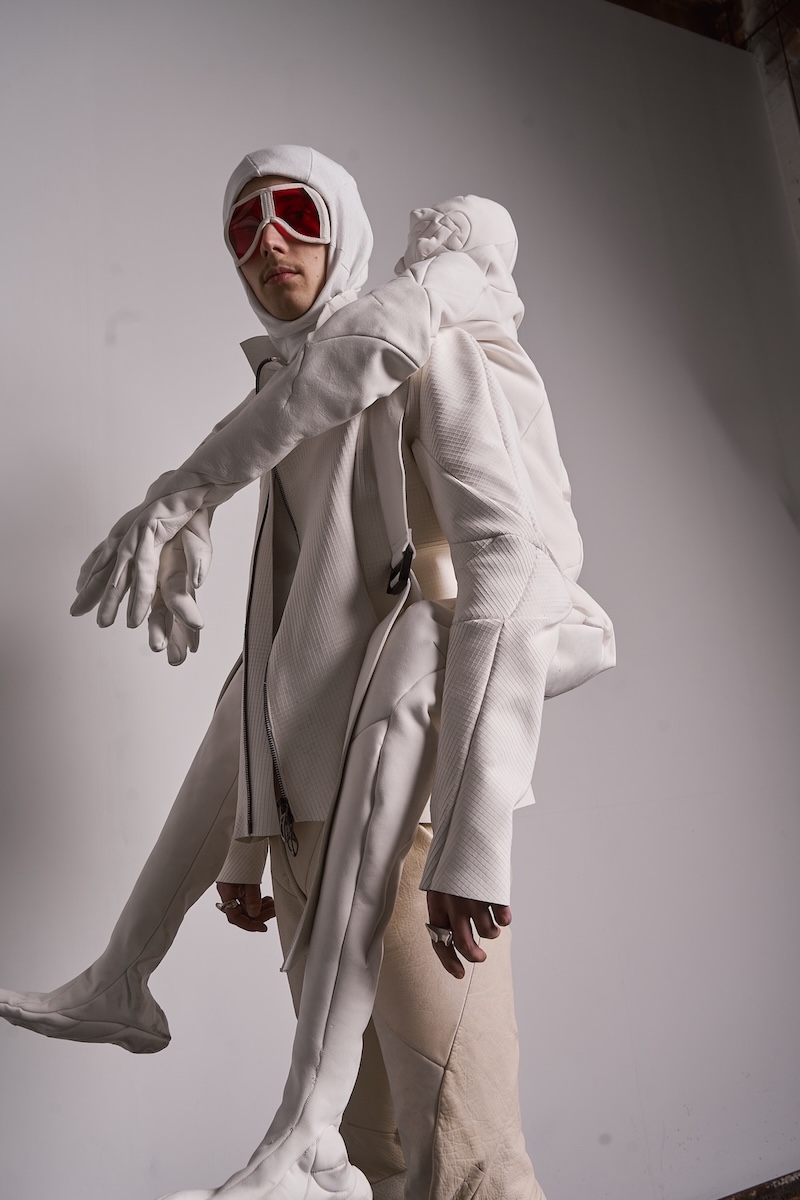
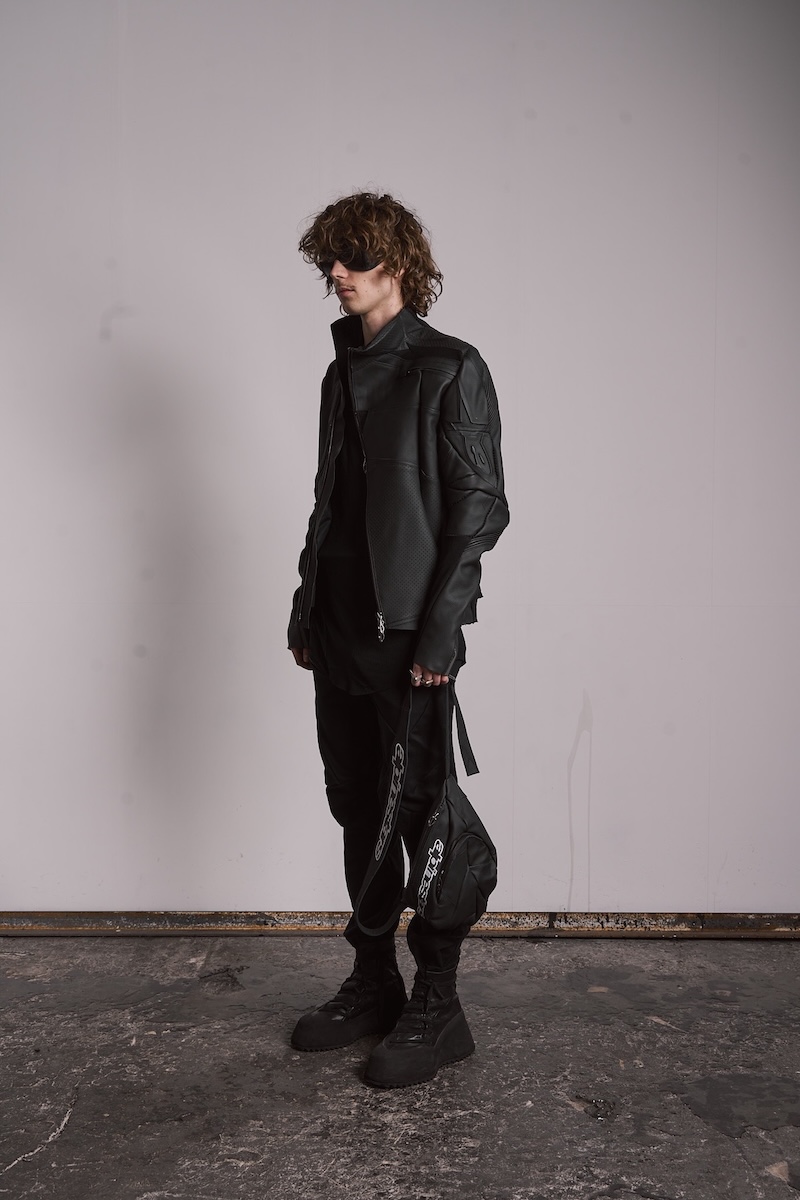
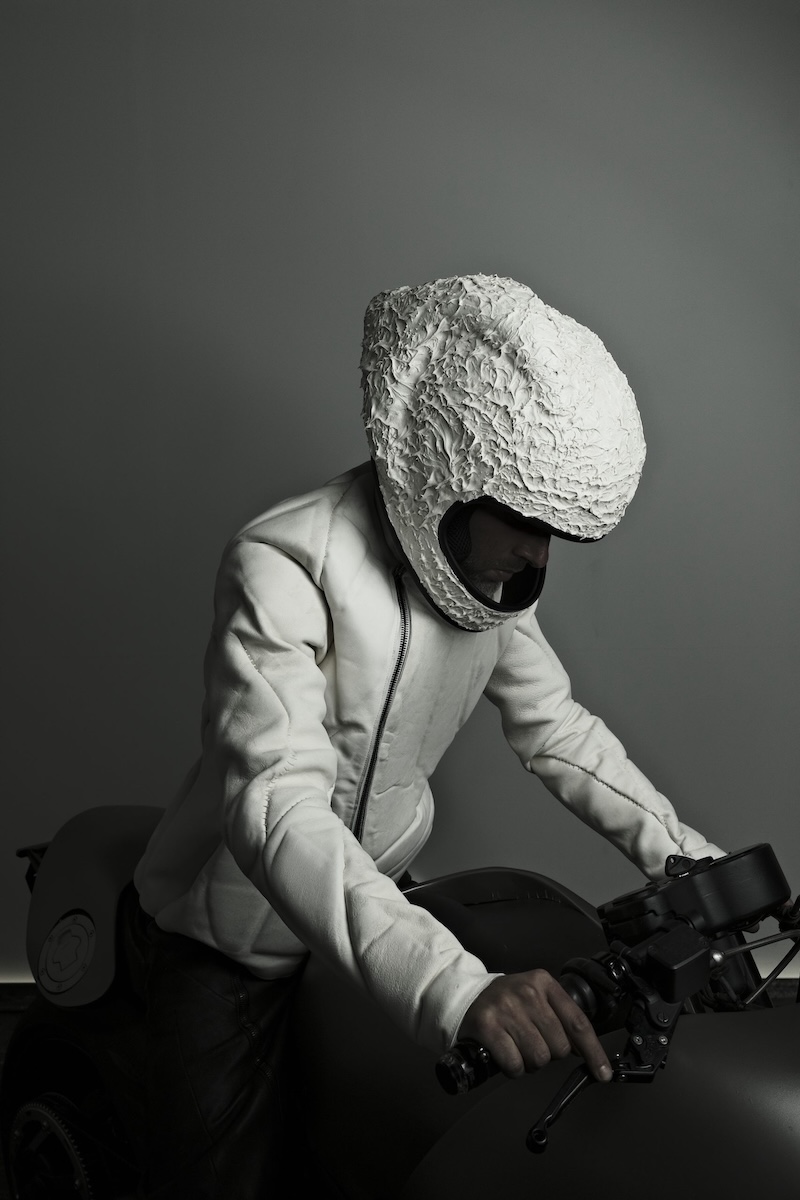
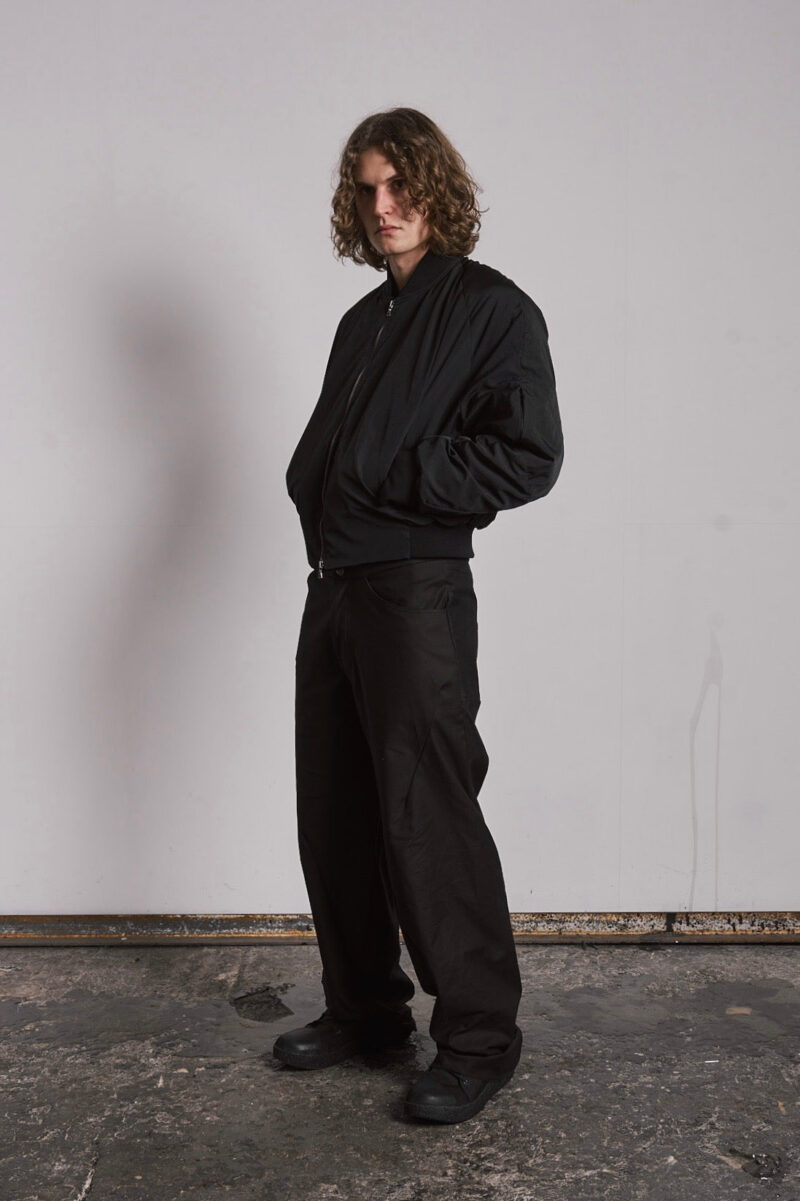
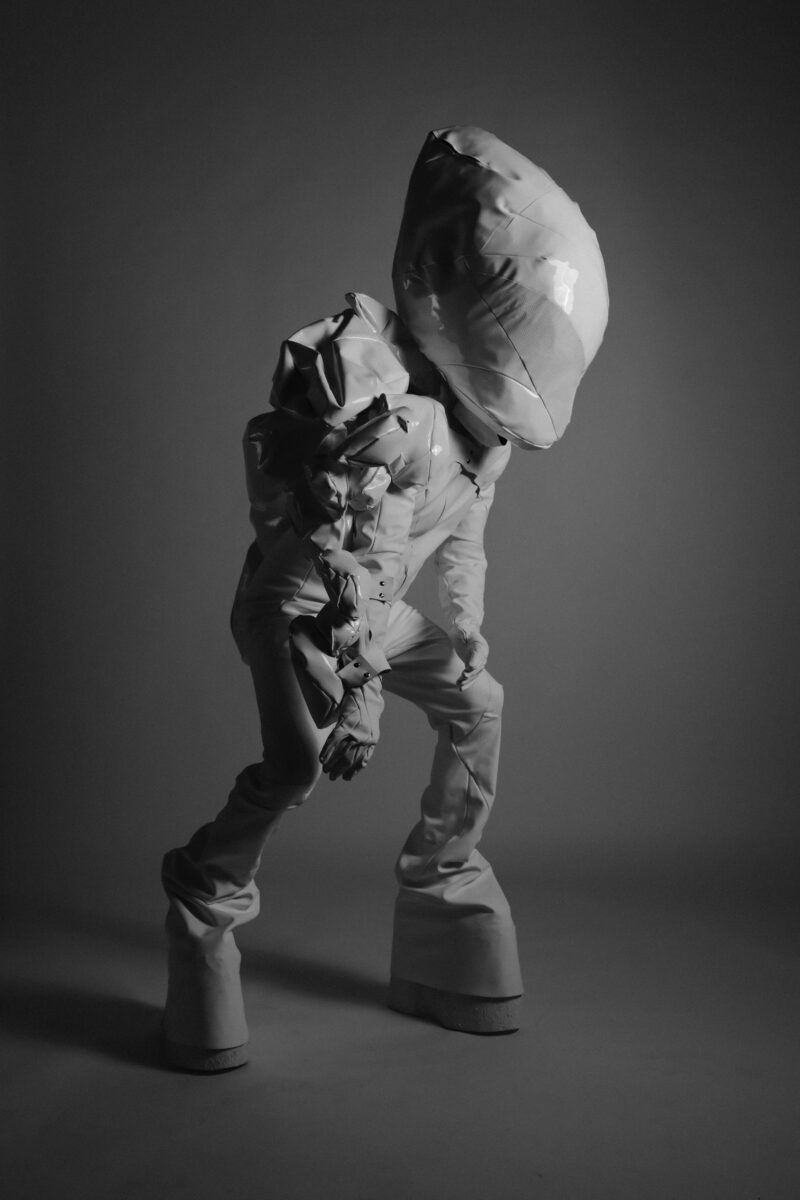
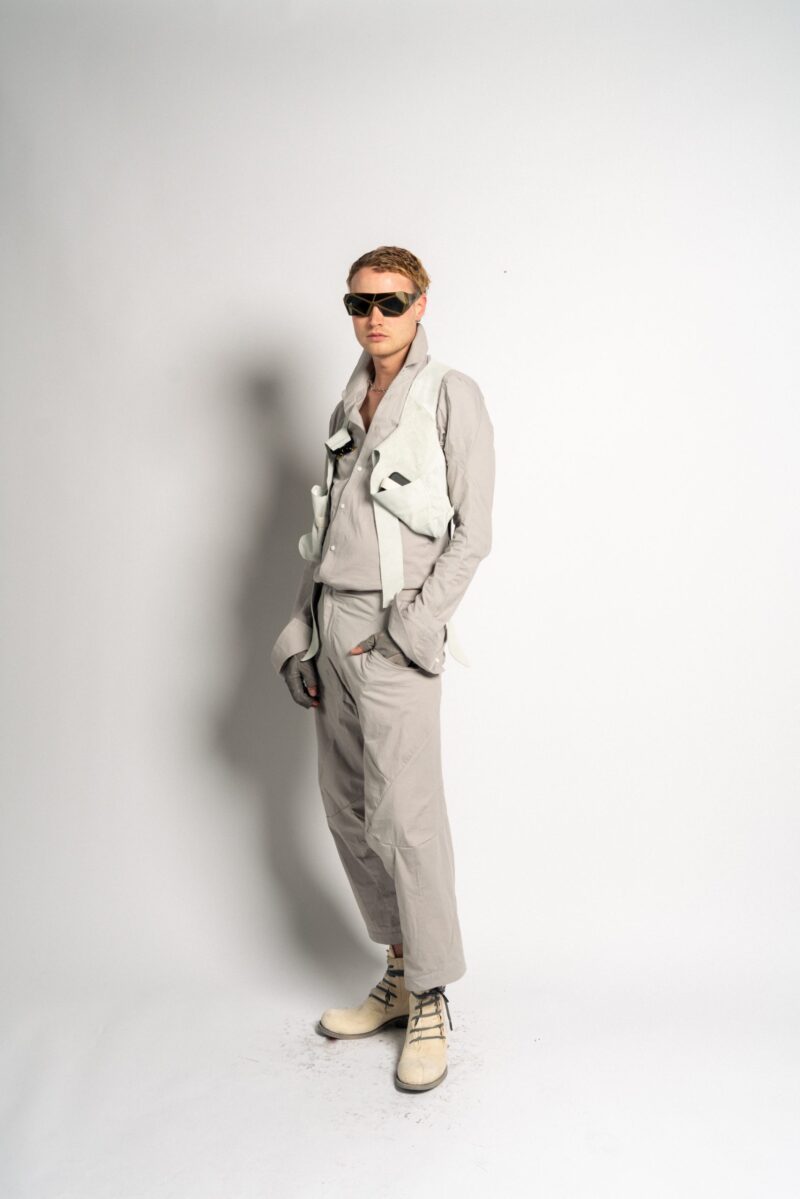
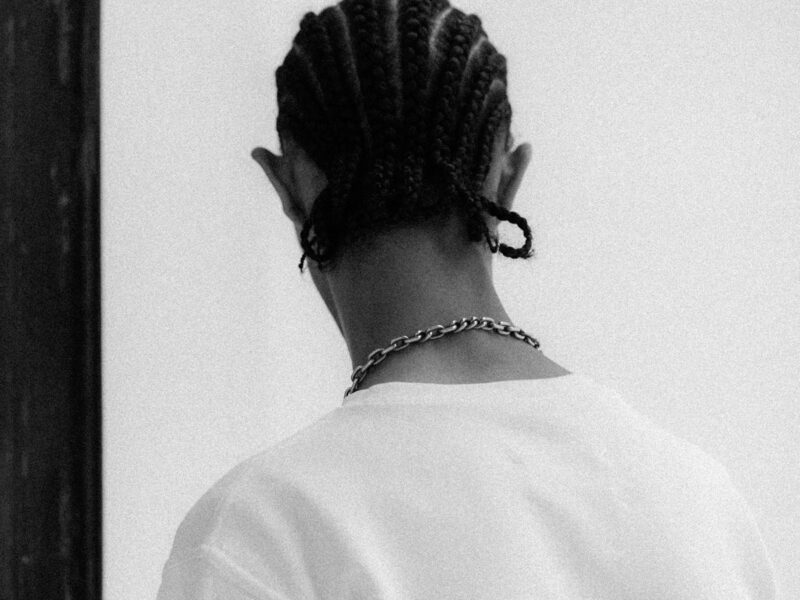

عروض الموضة الطليعية
Get inspired by fashion presentations from some of the world’s leading Avant-Garde Fashion Designers.
References and further reading
- The Metropolitan Museum of Art — Rei Kawakubo/Comme des Garçons: Art of the In-Between
- The Metropolitan Museum of Art — Dress, Comme des Garçons, Spring/Summer 1997
- Victoria and Albert Museum — Yohji Yamamoto: Poet of Black
- Victoria and Albert Museum — Yohji Yamamoto Exhibition Press Release
- The Museum of Modern Art — A-POC Queen Textile, 1997
- The Museum of Modern Art — Structure and Surface: Contemporary Japanese Textiles
- The Metropolitan Museum of Art — Wabi Sabi — Rei Kawakubo Dress, 1983
- The Museum of Modern Art — Announcing Items: Is Fashion Modern?