تفكيك في الموضة
التفكيك في الموضة هو تفكيك صارم ومتعمد للهندسة المعمارية التقليدية للملابس لكشف كيفية صنع الملابس، وتقديرها، وتشفيرها ثقافياً. نشأ في الاستفسارات الفلسفية لجاك دريدا وشُهر في أواخر الثمانينات والتسعينات من خلال التدخلات الجذرية لمصممي بلجيكيين ويابانيين، التفكيك ليس مجرد تدمير أو إهمال فوضوي. بدلاً من ذلك، يعمل كتحليل عميق تشريحي ودلالي للخياطة البرجوازية، كاشفاً عن بطانات هيكلية، وخياطة غير مكتملة، ودرزات مقلوبة، وملابس معاد تدويرها لزعزعة الكمال الوهمي للملابس الغربية.
الجذور الفلسفية: جاك دريدا والتفكيك الأدبي
عندما انتقل مصطلح التفكيك من الفلسفة القارية إلى صحافة الموضة خلال أواخر الثمانينات، غالباً ما كان يصل خالياً من صرامته الفلسفية، مستخدماً كمرادف غير رسمي لـ“غير المكتمل”، “الممزق”، أو “الفوضوي”. ومع ذلك، فإن ممارسة التصميم الأصيلة التي تشكلت خلال هذه الحقبة شاركت في تشابهات هيكلية عميقة مع المشروع الفلسفي الذي صاغه الفيلسوف الفرنسي المولود في الجزائر جاك دريدا في أعمال مثل من علم اللغة (1967) و الكتابة والفرق (1967).
في الفكر ما بعد البنيوي، التفكيك هو استجواب للنصوص يهدف إلى كشف التناقضات الداخلية، والافتراضات المخفية، والمعارضات الهرمية التي تحكم الميتافيزيقا الغربية (مثل الحضور/الغياب، الكلام/الكتابة، المكتمل/غير المكتمل، النقي/غير النقي). أظهر دريدا أن المصطلح المميز في هذه الثنائيات يعتمد تماماً على المصطلح المكبوت، التابع لتعريفه. لا يقوم التفكيك بتدمير الهيكل من الخارج؛ بل يعمل من الداخل, ، مستفيداً من مكونات النظام الخاصة به لإظهار هشاشة ادعاءاته بالحقائق المطلقة أو المعاني الثابتة.
في الموضة، تعمل الملابس كنصوص ثقافية معقدة مشفرة عبر قرون من تقاليد الحرف. أسست الأزياء الراقية الغربية والخياطة الأكاديمية ثنائيات صارمة: كان القماش الخارجي متفوقاً على القماش الداخلي؛ كانت الخياطة الفرنسية المكتملة تخفي حواف القطع الخام؛ كانت الأقمشة الخارجية للملابس تقدم وهم الكمال السهل بينما كانت البطانات تخفي العمل الهيكلي، ووسادات الكتف، وغرز التثبيت. قام المصممون الذين شاركوا في التفكيك السارتوري بتحويل هذه الهرمية الدلالية إلى الداخل. من خلال نشر الآليات الداخلية لبناء الملابس كالسطح الجمالي الرئيسي، أجبروا المشاهد على مواجهة العمل المخفي، والحيل التقنية، والافتراضات الإيديولوجية للملابس الحديثة.
تشريح قطعة الملابس: كشف الهندسة المعمارية المخفية
تعمل الخياطة التقليدية من خلال الإخفاء المنهجي. القماش الخاص بالخياط، والبطانات المصنوعة من شعر الخيل، ووسادات الكتف، والدعائم، وشرائط الوجه، ودبابيس الخياط موجودة حصريًا لإعطاء الصوف أو الحرير الخارجي شكلًا حادًا ونحتيًا بينما تظل غير مرئية تمامًا للمشاهد. كانت الأزياء الراقية تحكم جودة الملابس بناءً على مدى نظافة إزالة جميع علامات البناء من نظر الجمهور.
أحدث التفكيك السارتوري انقطاعًا في هذه الانضباط من الإخفاء من خلال تقنيات خياطة محددة، جنائية:
- الخياطة المكشوفة والتشطيب: قلب الملابس إلى الداخل بحيث تبرز غرز التشطيب الخام، والخياطة المكشوفة، وبدلات الخياطة، مما يحول الهيكل الداخلي إلى سطح زخرفي.
- الحواف الخام والتآكل: التخلي عن الحواف المخفية أو المطوية لترك الحواف المقطوعة عارية، مما يشجع المادة على التفكك عبر الزمن والارتداء، وبالتالي تضمين الفوضى والزمن في دورة حياة الملابس.
- الهياكل المكشوفة: كشف الأقمشة الصوفية الخارجية لترك قطع قماش شعر الخيل المكشوفة، وخيوط التثبيت العائمة، ووسادات الكتف المثبتة بدبابيس أمان مكشوفة أو خيوط بيضاء خشنة، وحقائب جيوب غير مغطاة تتدلى بحرية.
- الدرزات والشقوق المعكوسة: نقل درزات التشكيل - التي عادة ما تكون مطوية ومضغوطة بشكل غير مرئي ضد الداخل - إلى السطح الخارجي، مما يجعل الحساب الرياضي للملاءمة مرئيًا.
- الملابس غير المكتملة والمفتوحة: تصميم سترات تفتقر إلى طية، أو فساتين تحتوي على كم واحد غير مكتمل، أو أحزمة مقسومة تدعو مرتديها لفهم تجميع الملابس كحوار مفتوح بدلاً من سلعة مغلقة ومكتملة.
من خلال هذه التدخلات، جعل التفكيك في الموضة الملابس مخططًا معماريًا صريحًا لصنعها.
مارتن مارجيلا والتفكيك البلجيكي
لا يوجد مصمم يرتبط بالتفكيك السارتوري أكثر من الرؤيوي البلجيكي. Maison Margiela. تخرج من الأكاديمية الملكية للفنون الجميلة في أنتويرب في عام 1980، عمل مارتن مارجيلا كمساعد تصميم لجان بول غوتييه قبل أن يؤسس منزله الخاص في باريس مع جيني ميرانز في عام 1988.
بينما صنف الصحافة البريطانية معاصريه في أنتويرب (، دريس فان نوتن، ديرك بيكيمبيرغس، والتر فان بيريندونك، مارينا يي، وديرك فان سيني) كـ"أنتويرب سيكس"، عمل مارجيلا بشكل متعمد بالتوازي، حيث قدم مجموعته لربيع/صيف 1989 في باريس بشراسة غيرت الموضة المعاصرة بشكل دائم. قدمت عرضه الأول أحذية تابي ذات الأصابع المنقسمة المغموسة في الطلاء الأحمر التي تركت آثار أقدام عبر عدائين من القطن الأبيض الخشن، ومعاطف جينز بحواف ممزقة، وسترات مقطوعة من أزياء مسرحية مستعادة.Ann Demeulemeester, فكك منهج مارجيلا أسطورة الفخامة النقية في الموضة عبر عدة جبهات مفاهيمية:.
سلسلة "ستوكمان" (ربيع/صيف 1997):
- أنشأ مارجيلا صدريات، وسترات من الكتان، وفساتين مصممة مباشرة على شكل دمى الخياط ستوكمان. احتفظت هذه الملابس بطباعة أحجام الكتان المرئية (“42”)، وخطوط تثبيت القماش السوداء المرئية، وبطانات الورق البني المكشوفة، محولة الأداة غير الحية لإنتاج الأزياء إلى قطعة قابلة للارتداء النهائية. المقياس والتكبير (خريف/شتاء 2000-2001):.
- أخذ مارجيلا عناصر الملابس القياسية (معاطف عسكرية، قمصان بأزرار، سترات) وكبرها إلى الحجم الإيطالي 74 (نسبة 200%). من خلال تكبير الملابس بشكل موحد، كبرت فتحات الأزرار بشكل هائل، وتضاعفت السحابات، وانزلق فتحات الرقبة عن الجسم، مما فكك العلاقة بين تصنيف الأنماط القياسية وتشريح الإنسان. ترويمب لوي ريلزم:.
- طباعة مسحات فوتوغرافية كاملة الحجم من معاطف الفراء القديمة، وسترات الجينز، أو السترات المحبوكة يدويًا على شرائح من الحرير أو القطن السلس، مستجوبًا ما إذا كانت هالة الموضة العاطفية تكمن في الحرفية المادية الفعلية أو في المحاكاة البصرية. الهوية والمعاطف البيضاء:.
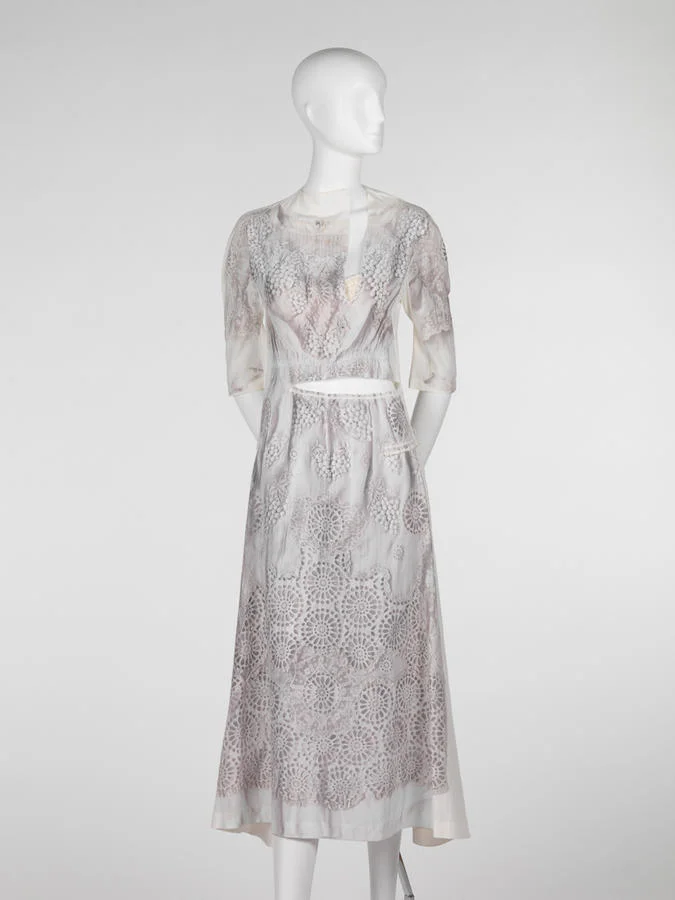
- رفضًا لعبادة شهرة المصمم، لم يعط مارجيلا أي مقابلات شفهية، ولم يتم تصويره أبدًا، وأمر فريق الاستوديو الخاص به بارتداء معاطف قطنية بيضاء متطابقة ("blouses blanches") - زي فنيي الأزياء في باريس. تم إزالة علامة الملابس من أي علامة تجارية: مستطيل أبيض بسيط مثبت على الرقبة الداخلية بأربع غرز بيضاء مرئية فقط من الخلف الخارجي. ري كاواكوبو لماركة Comme des Garçons، مجموعة "العروس المكسورة"، خريف/شتاء 2005-2006. متحف RISD للفنون، رقم الإضافة 2016.102، CC0 1.0 تفويض المجال العام العالمي. قامت كاواكوبو بتقويض الشكل المقدس للعروس البرجوازية من خلال الأقمشة المتضررة، والحواف الخام غير المتماثلة، والبناء المكشوف.على الرغم من أن المصطلح المحدد "التفكيك" اكتسب شهرة في الموضة من خلال ممارسة بلجيكية في التسعينات، إلا أن الانقطاع الإيديولوجي الأساسي حدث في وقت سابق، في باريس في عام 1981، عندما كشفت ري كاواكوبو عن مجموعاتها الثورية.لم تصل التصميمات اليابانية الطليعية مباشرة من النظرية الأدبية الغربية، بل جاءت من مفاهيم فلسفية يابانية عن.
الأصول اليابانية: كاواكوبو، ياماموتو، وإعادة تشكيل الشكل
على الرغم من أن المصطلح المحدد “تفكيك” أصبح شائعًا في عالم الموضة من خلال الممارسات البلجيكية في التسعينيات، إلا أن الانفصال الأيديولوجي الأساسي حدث في وقت سابق، في باريس عام 1981، عندما كشفت ري كاواكوبو عن Comme des Garçons و يوجي ياماموتو مجموعاتها الثورية.
تصميم الطليعة اليابانية لم يأتي مباشرة من النظرية الأدبية الغربية، بل جاء من المفاهيم الفلسفية اليابانية لـ تبع تدخله الهيكلي تقدمًا زمنيًا من التجريدات الراديكالية: (الفراغ السلبي)،, وابي سابي (جمال الفناء، والعيوب، والعمر)، وبناء الكيمونو التقليدي. الملابس اليابانية التقليدية لا تقوم بتفصيل القماش ثلاثي الأبعاد بشكل ضيق لتسليط الضوء على المنحنيات التشريحية؛ بل تُعلق طائرات ثنائية الأبعاد من القماش حول الجذع، مما يخلق فراغًا معماريًا مستقلًا بين الجسم والقماش.
مجموعة كاواكوبو لخريف/شتاء 1982، التي تتميز بشكل مشهور بكنزات سوداء محبوكة بشكل فضفاض تم إحداث ثقوب فيها عن عمد من خلال فك البراغي على آلات الحياكة الصناعية (التي أطلق عليها المصمم اسم “كنزات الدانتيل”)، وجهت ضربة شديدة لمفهوم الكائن الفاخر النقي في الغرب. بالمثل، رفض ياماموتو الكورسيهات على شكل الساعة الرملية والدرزات المنحوتة، مفضلًا الصوف الداكن الفضفاض والنحتي الذي غطى الشكل في غموض وجودي.
دفعت مجموعات كاواكوبو اللاحقة التفكيك نحو تحول جسدي صريح:
- “الجسد يلتقي بالفستان، الفستان يلتقي بالجسد” (ربيع/صيف 1997): تم الإشارة إليها عالميًا كمجموعة “الكتل والنتوءات”، حيث أدخلت كاواكوبو وسادات بولي يوريثان مملوءة بالريش في نقاط غير منتظمة تحت ملابس النايلون-غينغهام. من خلال وضع نتوءات على الظهر، والورك، والكتف، قامت بتفكيك الشكل المثالي الأنثوي الغربي، مما أظهر أن الجسم “الطبيعي” في الموضة هو خيال مُهندَس اجتماعيًا.
- “العروس المكسورة” (خريف/شتاء 2005–2006): أخذت كاواكوبو الرمز الأساسي لتوقعات النساء البرجوازيات الغربية - الفستان الأبيض النقي - وكسرت شكله. باستخدام جاكار العاج الممزق، والتول المكشوف، والقطع المشوهة، قامت بتفكيك طقوس الزواج إلى مشهد مخيف من الضعف الرومانسي والمقاومة.
إعادة التدوير كالتفكيك المفاهيمي: براكلاج أرشيفي
واحدة من أكثر تجليات التفكيك المادية تأثيرًا هي البناء— تجميع أشكال جديدة باستخدام أي عناصر موجودة مسبقًا. في تفكيك الموضة، ترجم هذا إلى إعادة تدوير الملابس بشكل منهجي، تم ممارسته لعقود قبل أن تصبح “الاستدامة” التجارية تفويضًا تسويقيًا للشركات.
في عام 1988، قدمت مارجيلا الخط 0، ثم قامت بتشكيله لاحقًا كمجموعة “الحرفية”. بدلاً من شراء لفات جديدة من القماش المنسوج، قامت ورشة مارجيلا بالبحث في أسواق السلع المستعملة في باريس والمخازن القديمة عن الملابس غير المباعة والأشياء العملية، والتي تم فكها يدويًا وإعادة تشكيلها إلى قطع هوت كوتور فريدة:
- قفازات جلدية قديمة للرجال تم خياطتها معًا لتشكيل كورسيه بطول الخصر (خريف/شتاء 1989–1990).
- أوشحة حريرية مهملة تم إعادة بنائها إلى فساتين بقصات مائلة تتدفق.
- أطباق خزفية قديمة من سوق السلع المستعملة تم تحطيمها بالمطارق وربطها معًا بخيوط سلكية لتشكيل سترة مدرعة تُرتدى فوق الشيفون الحريري (خريف/شتاء 1989–1990).
- جوارب صوفية عسكرية تم فكها وحياكتها يدويًا إلى كنزات ضيقة ونحتية.
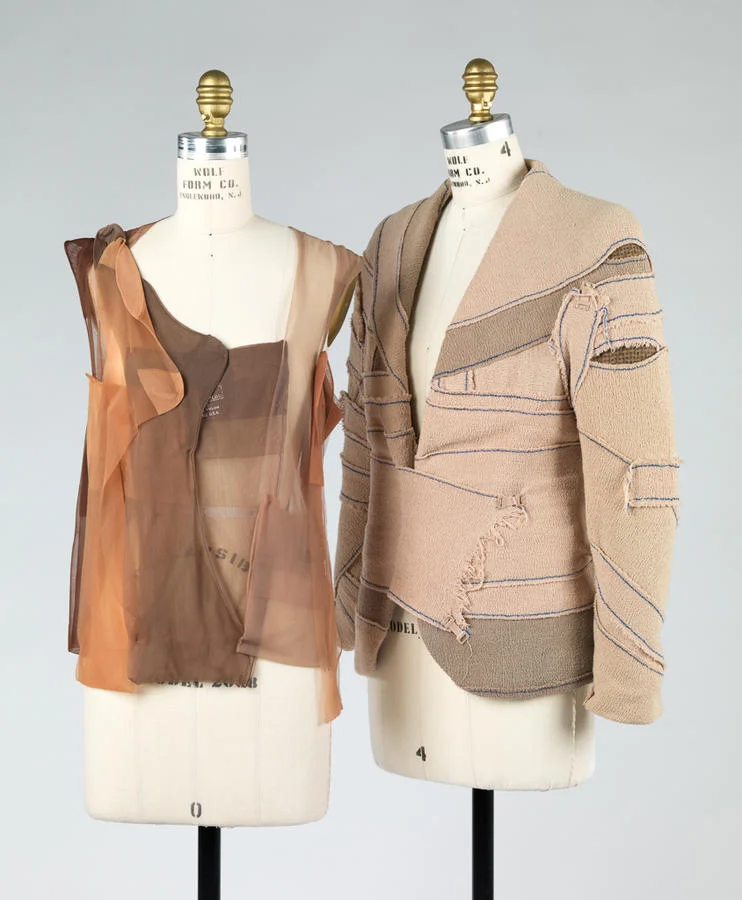
- سترات صوفية قديمة مفصلة بالكامل في ضمادات كريب مرنة، تصلح وتدفن الماضي الهيكلي للملابس (خريف/شتاء 2005–2006، خط 0 الحرفي).
من خلال البريكولاج، أثبت التفكيك أن الباتينا التاريخية للملابس، والبقع، والخدوش، والذكريات الهيكلية ليست عيوبًا جمالية يجب التخلص منها، بل مؤشرات شعرية على الوجود الإنساني الأصيل.
الإرث، والتسويق، والممارسة الحرفية المعاصرة
مع بداية الألفية، كان التفكيك قد قطع المسار النموذجي للتمرد الجمالي الطليعي: أولاً تم رفضه كشيء غريب أو سخيف من قبل النقاد السائدين، ثم تم اعتماده من قبل ذوق الأكاديميين، وأخيرًا تم استهلاكه، وتخفيفه، وتجاريته من قبل تجمعات الموضة السريعة.
على مدار أواخر التسعينيات وأوائل الألفينيات، قامت متاجر التجزئة الكبرى بنسخ العلامات السطحية للتفكيك - حواف مسبقة التمزق، جينز متضرر، خياطة زخرفية مرئية، وقصات غير متناظرة - بينما تم التخلص تمامًا من أساسه الأيديولوجي. حولت الموضة السريعة التفكيك من استجواب صارم لعمل الملابس والنفايات الصناعية إلى لمسة تجميلية سطحية تُنتج في ورش العمل ذات الحجم الكبير.
في الوقت نفسه، ومع ذلك، وجدت شعلة التفكيك المفهومية ملاذًا داخل الحركات الطليعية المظلمة والحرفية. حول المصممون المعاصرون منهجيات التفكيك إلى أخلاقيات مادية راديكالية:
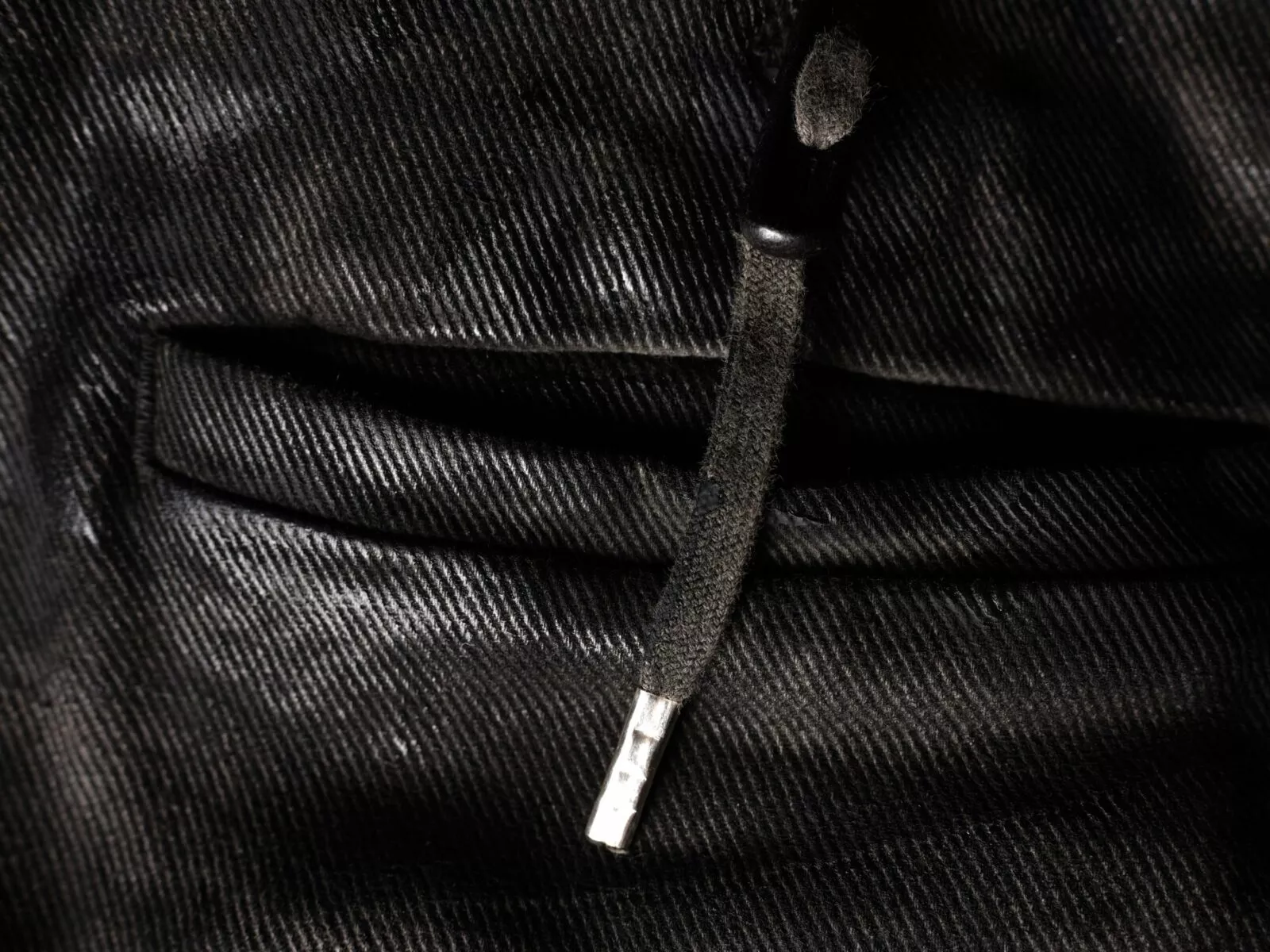
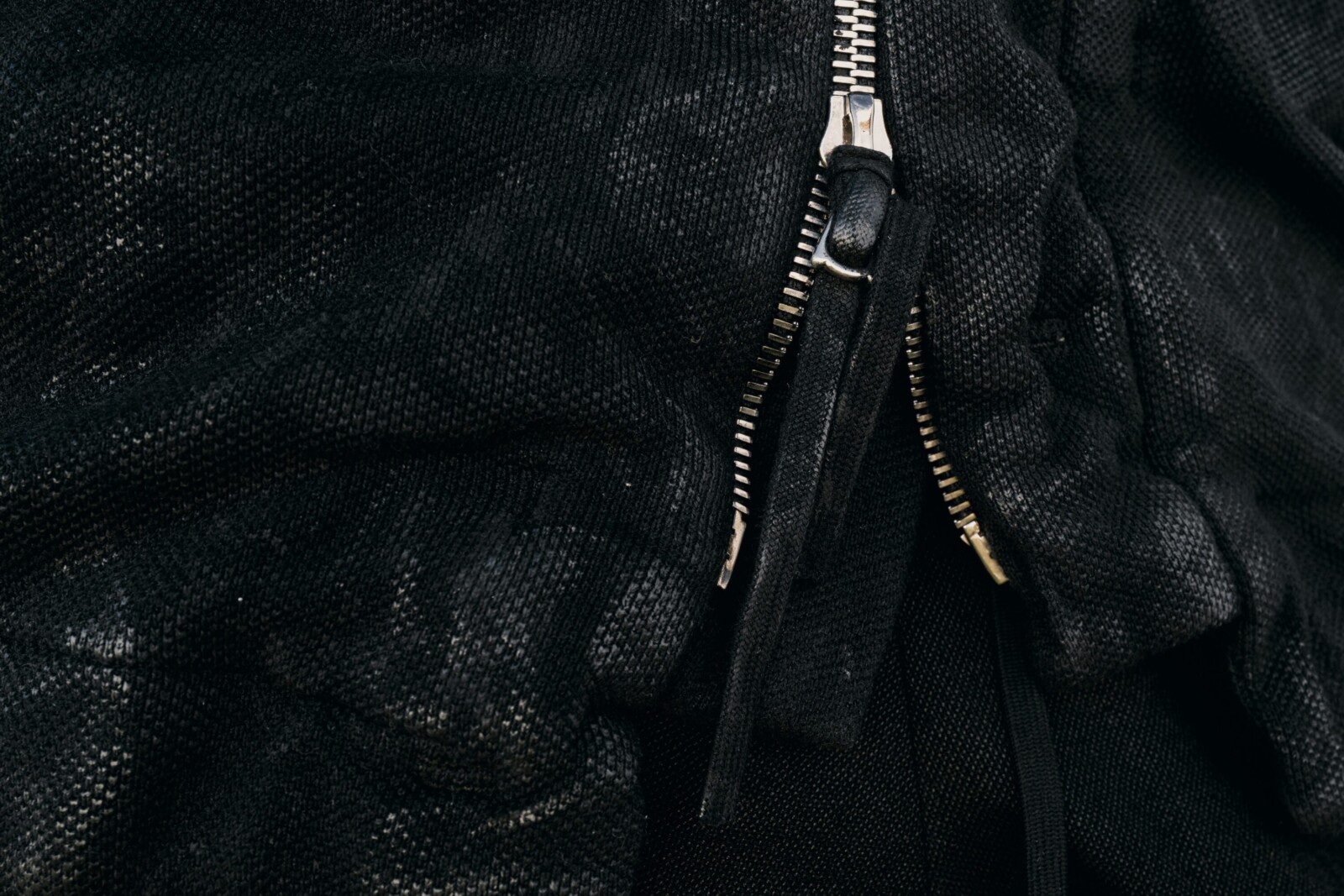
- Carol Christian Poell: قام الحرفي النمساوي بأخذ تشريح الملابس إلى حدود جراحية، حيث أدخل أطرافًا معدنية مكشوفة في مفاصل الكوع، وغمر سترات جلدية كاملة في أحواض من المطاط السائل، وترك الحواف غير المخيطة تتدلى في اللاتكس المتصلب.
- Geoffrey B. Small: قام الخياط الرئيسي في كافارزير بتغيير تقاليد التفصيل من خلال كشف الواجهات الداخلية من الأورجانزا الحريرية النقية 100%، وخياطة فتحات الأزرار بخيوط حريرية غير مبيضة من بوزولو، واستخدام صوف قديم مغسول يدويًا للحفاظ على الذاكرة الخام لعمل الحرفيين.
- Boris Bidjan Saberi: من خلال دمج ثقافة التزلج، والعمليات العسكرية، وبيئة الشارع مع معالجة الجلد التقليدية، يكشف سابيري عن شريط الخياطة الخارجي، والجلود الكنغر المقطوعة بشكل خام، والعمود الفقري المصنوع يدويًا من الراتنج.
- جون ألكسندر سكيلتون: من خلال استعادة الأقمشة التاريخية البريطانية، يستخدم سكلتون صوف ويلزي قديم، وكتان محبوك يدويًا، وأزرار مصبوبة يدويًا، ويقطع الملابس بحواف خام وممزقة تكرم تاريخ عمل الطبقة العاملة.
- بول هارندن: من خلال صنع سترات تويد مجعدة، وبلايز من الكتان بحواف خام، وأحذية حرفية تبدو وكأنها تم استخراجها من حفر أثرية تعود للقرن الثامن عشر، يمارس هارندن التفكيك كمقاومة مضادة للحداثة وأرشيفية.
يظل التفكيك في الموضة أداة مفهومية لا غنى عنها. من خلال تمزيق خياطة التقاليد البرجوازية، يذكر مرتديها أن الملابس ليست بريئة أبدًا: إنها ملجأ مُهندَس، نص اجتماعي سياسي، وشهادة ملموسة على الحرفية الإنسانية.
المراجع والمزيد من القراءة
- جامعة جونز هوبكنز (ترجمة إنجليزية بواسطة غاياتري تشاكرافورتي سبيفاك، 1976) — عن علم اللغة
- أليسون جيل — تفكيك الموضة: صناعة الملابس غير المكتملة، المتحللة والمعاد تجميعها
- بالاي غالييرا / متاحف باريس — مارجيلا / غالييرا، 1989-2009
- المتحف المتروبوليتاني للفنون / مطبعة جامعة ييل — الجمال المتطرف: الجسم المتحول
- متحف مدرسة رود آيلاند للتصميم — سترة ضمادة مارجيلا الحرفية، خريف/شتاء 2005 (رقم الإضافة 2015.67)
- بلومزبري للفنون البصرية — الموضة التجريبية: فن الأداء، الكرنفال والجسد الغريب