0
历史

一份完整的先锋时尚时间线

发布 9 月 10, 2026 最后审查 9 月 6, 2026

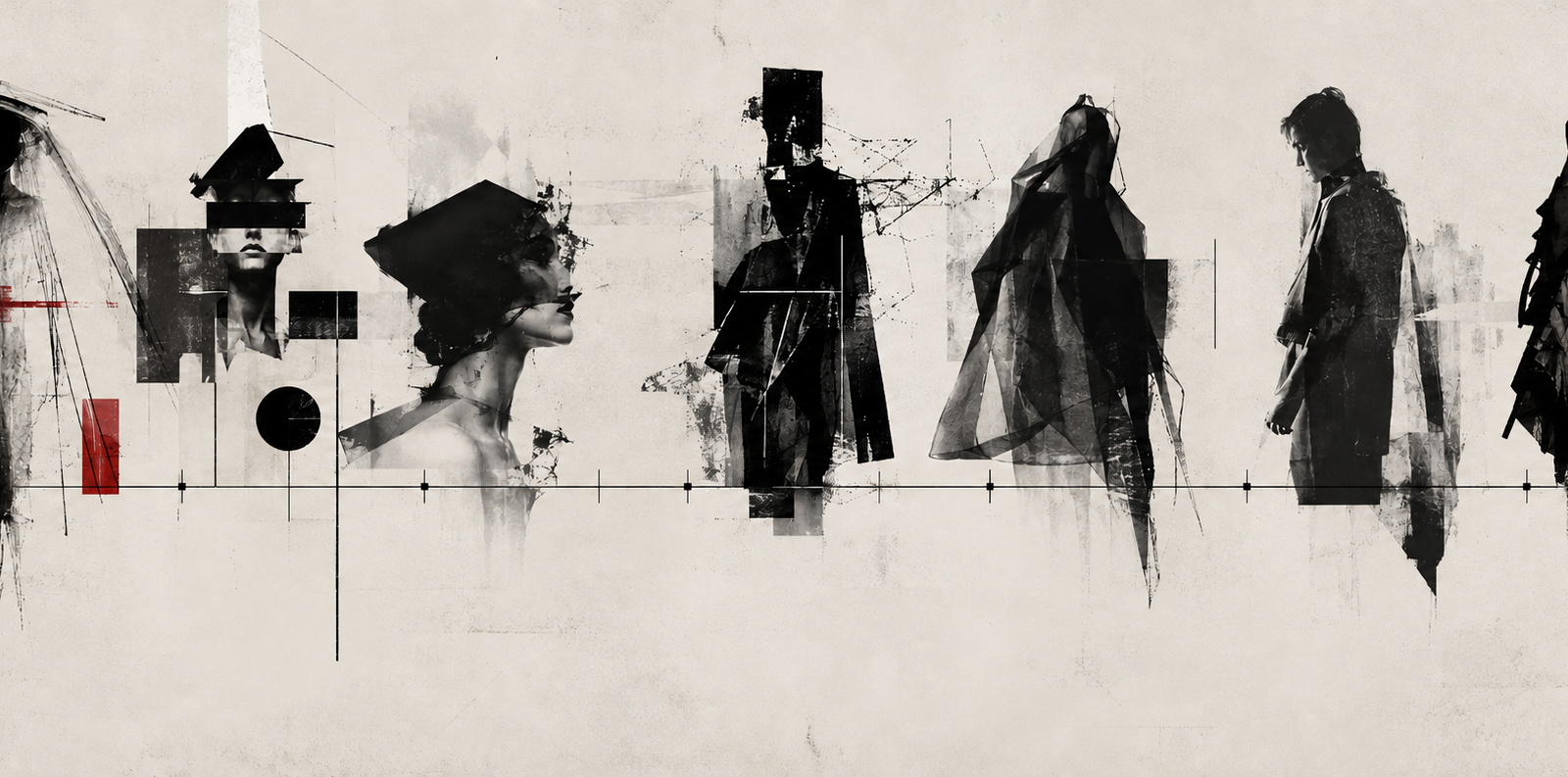
这个前卫时尚时间线跟随服装停止接受其继承限制的时刻。. 它始于将服装视为宣言的艺术家,经历了轮廓、亚文化和时装秀实践的激进变化,最终达到一个生物学、计算和环境责任重新定义实验的现在。.

如何阅读这个时间线

前卫时尚没有单一的起源。激进的服装早在二十世纪之前就存在于戏剧、宫廷文化、改革运动和非西方传统中。这个时间线从1909年开始,因为历史前卫派将破裂本身作为一种方法。他们的宣言、表演和实验确立了一个反复出现的命题:服装不仅可以装饰身体或表明社会地位。它可以重新组织运动、材料和意义。.

下面的日期标记公共事件、影响力收藏、机构和技术发展,而不是每个重要的职业。一个设计师可能只出现一次,即使他们的作品跨越了几十年。目标是方向性:展示思想如何在艺术、定制、成衣、亚文化和技术之间流动,而不将历史简化为趋势的序列。.

1909–1939:历史前卫派

1909年 — 未来主义向过去宣战

菲利波·托马索·马里内蒂在《费加罗》上发表未来主义宣言。 它对速度、机器和暴力文化破裂的庆祝在政治上受到妥协,但它坚持艺术必须进入现代生活的观点成为基础。服装很快成为这一运动的公共工具之一。. 1914年 — 贾科莫·巴拉提出未来主义服装.

巴拉的宣言和设计以动态线条、鲜明对比和可变细节攻击阴暗、对称的资产阶级西装。这些服装作为商业衣橱的重要性不如作为早期声明,表明服装可以体现艺术计划并改变行为。

1919年 — 包豪斯在魏玛开幕.

沃尔特·格罗皮乌斯创办了一所旨在重新连接艺术、工艺和现代生产的学校。其编织车间由包括贡塔·斯托尔茨、安妮·阿尔伯斯和奥蒂·伯杰等人物发展,使结构、触感和可复制性成为设计的核心问题。包豪斯并不是一家时尚屋,但其跨学科的方法深刻影响了现代物质文化。

1921–1923年 — 构成主义转向生产.

瓦尔瓦拉·斯捷潘诺娃和柳博夫·波波娃从自主构图转向纺织、戏剧和实用设计。斯捷潘诺娃的生产服装围绕工人或运动员的动作组织形式。该项目提出了一个决定性的替代方案,以时尚作为季节性区别:通过功能、几何和集体使用构思的服装。

1927年 — 艾尔莎·夏帕雷利在巴黎建立她的时装屋.

夏帕雷利将视觉机智和超现实主义的位移带入技术精湛的定制时装。错视针织、暴露的扣子和与艺术家的合作使服装表现得像一个不稳定的图像。她的实践表明,智力挑衅和工作室工艺不必是对立的。

1937年 — 龙虾裙将身体变成超现实主义的领域.

夏帕雷利和萨尔瓦多·达利在一件白色晚礼服上放置了一只画的龙虾。这个物体既不是单纯的插图也不是服装:它的位置产生了食物、性和礼仪之间的模糊接触。它成为时尚中最早的艺术合作之一,通过穿着的身体发挥作用。

1947年 — 新风貌恢复了一个其他人会抵制的惯例.

1947–1969:抽象与太空时代

克里斯汀·迪奥的紧身腰、蓬松裙摆的轮廓在战后紧缩后重新确立了巴黎定制。它在这里并不是前卫的意义,但它提供了一个主导的解剖理想,使战后抽象变得可读。

1957年 — 巴伦西亚加去掉了腰部.

克里斯托巴尔·巴伦西亚加推出了袋装裙,这是一种拒绝仍然主导时尚的沙漏强调的直线形态。维多利亚与阿尔伯特博物馆记录了它最初的敌对反应及其后被吸纳入日常服装的过程。激进的轮廓并不总是看起来戏剧化;有时它几乎以无声的精确性改变了面料与身体之间的空间。

1964年 — 库尔雷奇让太空时代可穿戴.

安德烈·库尔雷奇展示了短款、几何剪裁的衣服,搭配平底靴、头盔和与航空现代性相关的白银色词汇。青年文化与定制在一个干净、灵活且立即可复制的未来形象中相遇。

1966年 — 帕科·拉班组装而非缝制.

拉班的首次重大展示使用了链接的金属和塑料组件,挑战了裙子始于布料的假设。这种方法改变了声音、重量、反射和运动,同时将工业材料转变为一种身体建筑形式。

1971年 — 三宅一生建立三宅设计工作室.

1971–1980:反时尚与新体系

三宅通过纺织工程、运动和身体与一块布之间的基础关系来发展服装。他的作品抵制简单的东西方解读:这是一种全球实践,传统知识、工业过程和穿着者的自由不断相互修改。

1976年 — 朋克将破坏变成公共语言.

在伦敦的国王路430号,维维恩·韦斯特伍德和马尔科姆·麦克拉伦的商店成为了叛逆者。束缚裤、撕裂针织、安全别针、恋物参考和对抗性图形将服装与音乐和反体制表演联系在一起。朋克在设计师、乐队和穿着者之间分配了创作权:任何人都可以剪裁、别针、在现有服装上写字或重构。

1970年代末 — 反时尚在街头和时装秀之间移动.

后朋克、俱乐部文化和独立时尚出版物增加了穿着的身体拒绝主流光鲜的方式。行业迅速吸收受损表面,揭示了一个将在这个时间线中重复的模式:反对变得可识别,识别变得可市场化,新的反对形成。

1981年 — 川久保玲和山本耀司在巴黎展示.

1981–1989:日本与安特卫普重新绘制地图

以黑色、不对称、开口、分层体积和故意的不完整性对抗流行的魅力。现代反应常常将作品异国化,但其更深层的影响是概念性的:合身、完成、性和美不再是稳定的标准。一个系列现在可以提出一个抽象问题,而不是提供一个季节性的理想。

Comme des Garçons 和 Yohji Yamamoto 1982年 — “毁灭”使破裂变得明确.

Comme des Garçons在巴黎的展示强化了洞、磨损、不规则和黑色的语言。这些衣服的重要性并不在于受损表面是前所未有的,而在于川久保将缺失和不完整结构性地置于高端时尚的核心。

抵达伦敦.

1986 — 安特卫普六人组 一起前往英国设计师展。它们独特的作品为安特卫普带来了国际知名度,并展示了在既定首都之外严格时尚教育的价值。

Ann Demeulemeester, Dries Van Noten, ,迪尔克·比肯伯格斯,, Walter Van Beirendonck, ,迪尔克·范·萨恩和。 Marina Yee 1988年 — 马丁·马吉拉成立.

1988 — Maison Martin Margiela is founded

Martin Margiela and Jenny Meirens establish Maison Margiela, a house that exposes seams, linings, shoulder pads, scale and prior use. Anonymous labels and collective presentation question the cult of the designer. Deconstruction here is an investigation of how fashion manufactures authority, finish and newness—not a synonym for torn clothing.

1990–1999:解构、表演与技术

1993 — Hussein Chalayan graduates with The Tangent Flows

Chalayan buries garments with iron filings before presenting them, allowing oxidation and time to become co-authors. The project anticipates a career in which migration, architecture, mechanics and scientific research are treated as fashion material.

1994 — Rick Owens establishes an independent Los Angeles practice

Rick Owens formally establishes his company in Hollywood after working as a pattern maker and selling early pieces through the influential Los Angeles retailer Charles Gallay. His language grows from the collision of precise draping, elongated proportions, washed leather, Hollywood marginality and the physical directness of underground music. The work is dark, but darkness is not its subject so much as a means of joining glamour to abrasion, monumentality to wear and classical form to subculture.

Owens becomes historically important because he sustains this vocabulary as an independent design system rather than a brief underground look. Working with Michèle Lamy and later with Italian manufacturing partners, he demonstrates that an uncompromising practice can develop its own industrial structure, stores, furniture, footwear and public rituals without becoming a conventional luxury house.

1994 — The artisanal Italian current gathers force

Maurizio Altieri founds 抓住今天. Alongside related makers, the practice emphasizes anatomical pattern cutting, hand finishing, object dyeing and leather transformed through wear. Its influence will become especially visible in the dark independent fashion culture of the 2000s.

1995 — Carol Christian Poell begins working in Milan

Austrian designer Carol Christian Poell develops one of the period’s most exacting investigations of garment anatomy and material behavior. Seams migrate away from their expected positions; leather is hardened, scarred or allowed to retain evidence of the animal body; tailored structures articulate joints and sometimes appear closer to prostheses than conventional clothes. Object dyeing makes the completed garment—not a roll of cloth—the unit of coloration, allowing fibers, hardware and construction to react together.

Poell’s role differs from both Margiela’s institutional critique and Carpe Diem’s monastic artisanal wardrobe. His garments behave as material propositions about containment, movement, preservation and discomfort. Limited distribution and an avoidance of the normal fashion publicity cycle give the work unusual autonomy, while its technical vocabulary becomes deeply influential within independent menswear.

CCP’s Mainstream-Downstream presentation remains one of the clearest expressions of his refusal to treat fashion as a conventional spectacle. Models floated through Milan’s Naviglio Grande canal wearing pieces from the collection, turning the garments, bodies and water into a single unsettling performance. The presentation captured much of what defines Carol Christian Poell’s practice: experimentation, discomfort, material transformation and a deliberate distance from the established fashion system. Explore our full feature on Carol Christian Poell’s Mainstream-Downstream collection.

1995 — Alexander McQueen stages 高地强奸

The collection makes historical violence, torn construction and forceful tailoring impossible to separate from runway narrative. Its reception also demonstrates the danger of spectacle: provocative imagery can open difficult history while still being misunderstood, sensationalized or ethically contested.

1997 — Kawakubo remakes the fashionable body

Comme des Garçons presents 身体遇上裙子——裙子遇上身体. Asymmetrical down padding distorts stretch gingham around hips, backs and torsos, rejecting the small-waisted ideal encoded in conventional fit. The work later enters Merce Cunningham’s dance Scenario, where motion extends its inquiry into hybrid bodies.

1997 — A-POC makes the wearer part of production

Issey Miyake and Dai Fujiwara’s A-POC Queen Textile is a continuous industrially produced tube with garment outlines engineered into it. The user cuts and customizes pieces with little waste. MoMA describes it as a meeting of mass production and self-tailoring—systems normally treated as opposites.

1999 — McQueen’s robots paint a dress

At the end of No. 13, industrial robots spray Shalom Harlow’s white dress with black and yellow paint. The garment is completed publicly through choreography, vulnerability and machinery. The scene becomes a defining image of the runway as live performance rather than a neutral sales format.

2000–2009:时装秀作为实验媒介

2000 — Chalayan transforms furniture into clothing

In 后言, chair covers become dresses and a circular table becomes a skirt. The transformation gives forced migration a precise physical logic: domestic space must be carried on the body. Technology serves the concept rather than appearing as decoration.

2001 — VOSS makes spectators confront their gaze

McQueen seats the audience around a mirrored box. Before the show begins, viewers see themselves; once illuminated, the interior resembles an institutional observation chamber. Clothes, bodies, staging and spectatorship become a single critical structure.

2003 — Rick Owens moves his practice to Paris

After international recognition and a growing Italian production partnership, Owens and Lamy relocate to Paris, where he begins showing regularly. The move brings a Los Angeles vocabulary of weathered leather, trailing jersey and outsider glamour into sustained dialogue with the Paris calendar. Over the following decades, monumental silhouettes and increasingly confrontational presentations—from step-dance casting to human structures and industrial-scale staging—expand the cultural space available to an independent house.

2007 — Wearable mechanics enter couture-scale spectacle

Chalayan’s transformable dresses use concealed mechanisms to move through decades of silhouette. The garments make time visible as a mechanical action, but they also clarify the limits and possibilities of fashion technology: engineering has force only when it advances an idea about the body.

2006–2007 — Boris Bidjan Saberi develops a post-industrial body

Working from Barcelona, Boris Bidjan Saberi translates artisanal construction into an urban, post-industrial system. Anatomically rotated patterns, garment and object dyeing, dense layering, restricted openings and surfaces marked by process make the wearer’s movement part of the design. The clothes retain the physical intensity of the Italian artisanal current while introducing technical footwear, modular utility and a harder contemporary rhythm.

Saberi’s historical position is connective. His work helps carry the experimental material language associated with Poell and Carpe Diem into the darkwear culture of the late 2000s, then toward technical sportswear through later projects. This is not simply a visual lineage of black clothes: it is a continuing investigation of how dye, seam, leather, hardware and bodily articulation can be designed as one system.

2009 — 柏拉图的亚特兰蒂斯 joins bodily mutation to live digital culture

Alexander McQueen’s final completed Spring/Summer 2010 collection imagines humans adapting to an aquatic future through digitally printed skins, extreme footwear and a runway streamed online. Fashion’s audience and its production of images change together; a show can circulate globally as it happens.

2010年至今:制造、档案与责任

2011 — Iris van Herpen’s 裙子的研究解释说,选择性激光烧结在没有传统缝纫的情况下产生了刚性的尼龙形状。这个作品还创造了一个意想不到的问题:博物馆必须为实验聚合物开发保护方法,因为其长期行为尚不确定。 dress is laser-sintered

A rigid polyamide form made through selective laser sintering demonstrates how additive manufacturing can produce structures that conventional cutting and sewing cannot. The Met’s conservation study also exposes a less glamorous consequence: experimental polymers create uncertain futures for preservation.

2017 — The Met frames Kawakubo through “in-betweenness”

Rei Kawakubo/Comme des Garçons: Art of the In-Between organizes the designer’s work around unstable pairings such as fashion/anti-fashion and clothes/not clothes. The exhibition signals institutional recognition while preserving an essential tension: museum status can historicize a practice built to resist fixed categories.

2020 — The physical runway is interrupted

Pandemic restrictions accelerate fashion film, remote presentation and digitally constructed environments. These formats expand access and visual possibility, but they cannot reproduce material encounter. The disruption renews questions that avant-garde fashion has long asked: what is a garment when its first audience experiences it as an image?

2020s — Material innovation becomes an ethical test

Biomaterials, recycling systems, computational pattern cutting and on-demand manufacture broaden the technical frontier. Yet novelty alone no longer guarantees radical value. Experimental fashion is increasingly judged by labor, extraction, durability, repair and the kinds of bodies its systems include.

时间线仍未完成

These milestones do not form a clean march toward progress. Futurism’s formal energy coexisted with destructive politics; punk resistance became commodity; deconstruction became an easily copied surface; digital novelty can conceal resource-intensive production. Every breakthrough needs historical and ethical scrutiny.

What persists is a method: question the body fashion assumes, expose how a garment is made, test an unfamiliar material, alter the relationship between wearer and object, and make the presentation itself carry meaning. Read 先锋时尚的历史 for the fuller narrative behind these dates. For definitions, begin with 开始,以获得精确的定义,然后使用; for visual language, continue to 先锋时尚风格:特点和示例. Individual designer entities remain anchored in the RAW Looks 品牌目录.

参考资料和进一步阅读

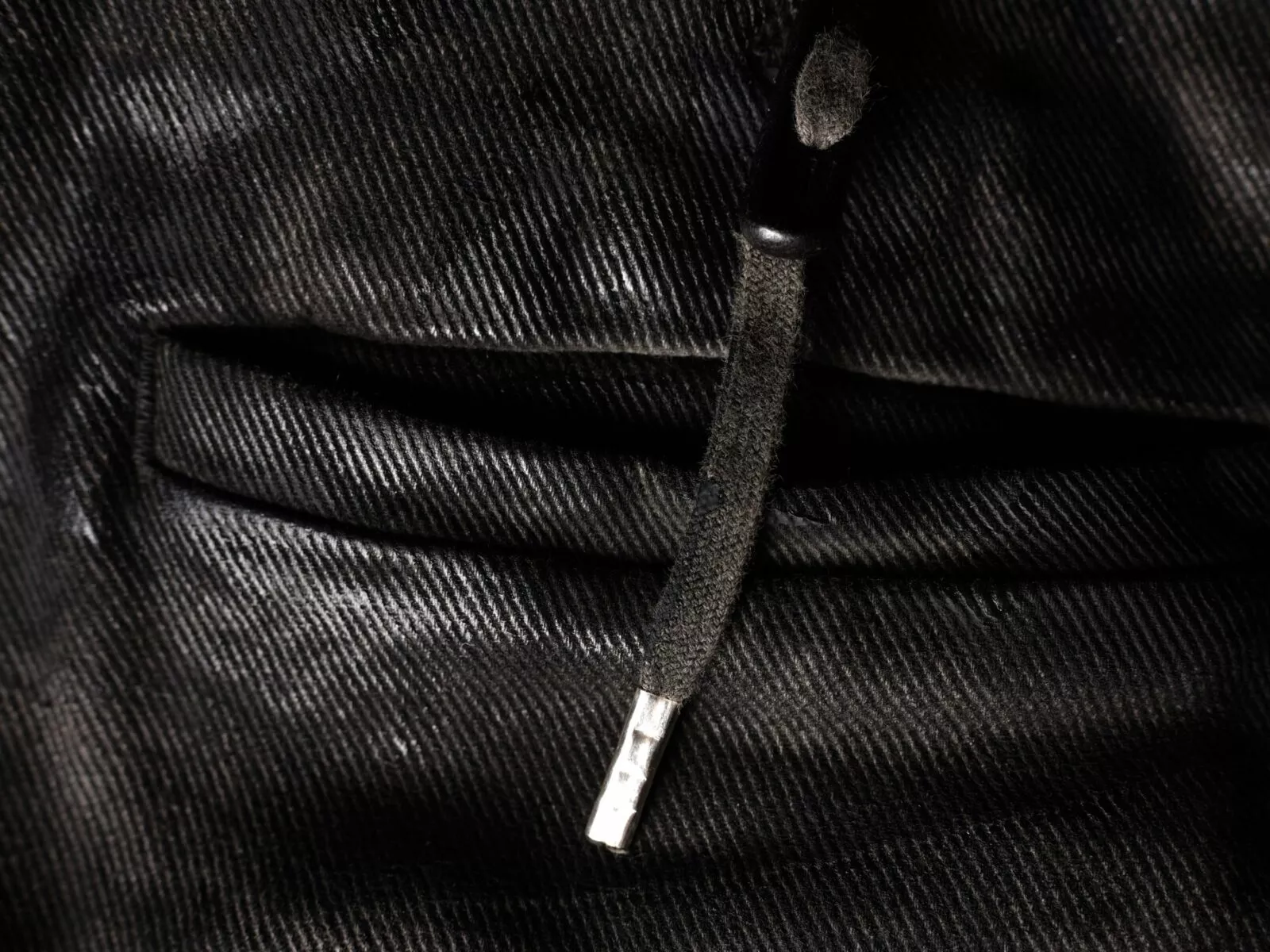
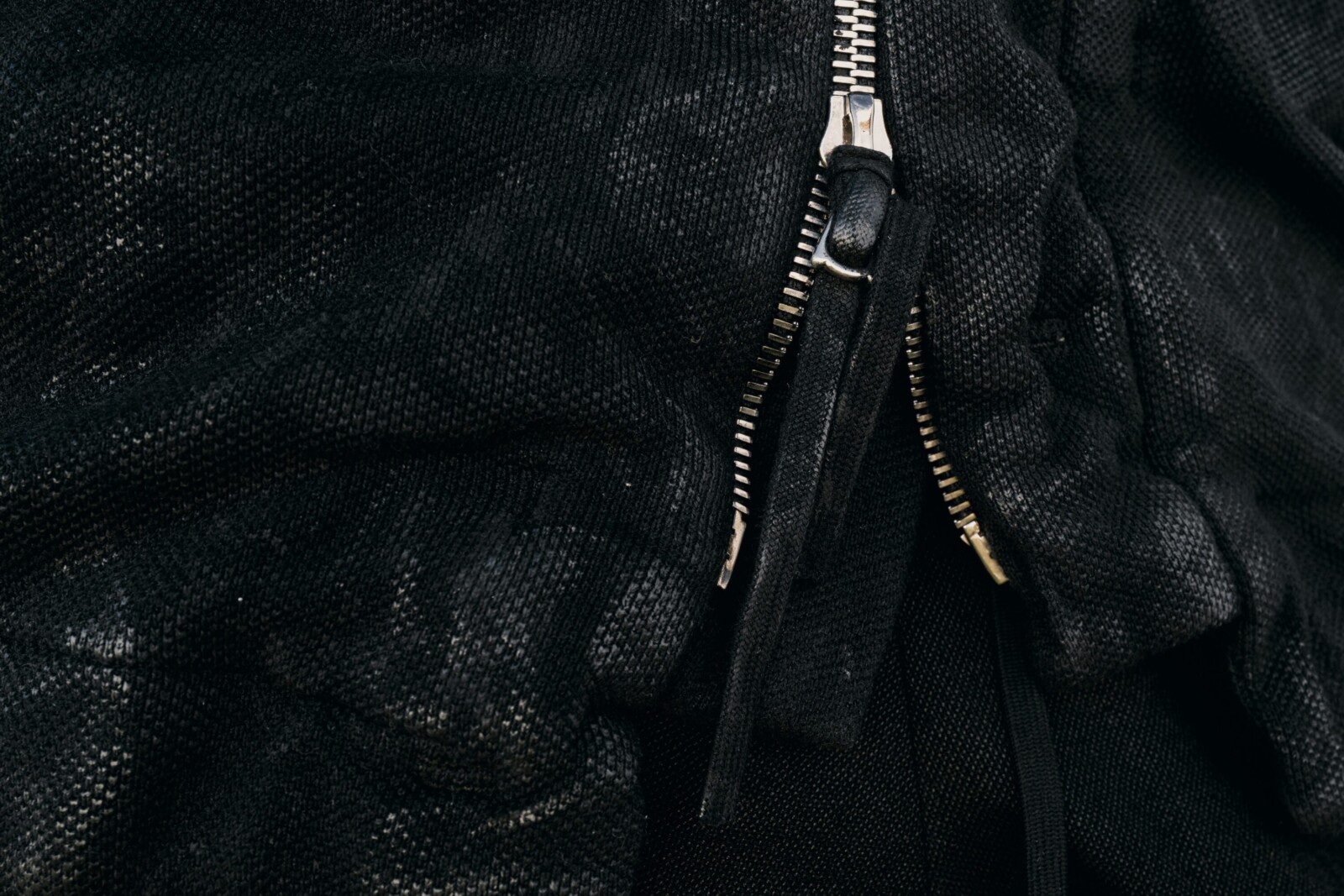
Boris Bidjan Saberi P23 裤子 P34 涂层蜡质细节

注册 - 享受我们的福利

  • 保存你喜欢的品牌和店铺
  • 获取你喜欢品牌的新款和独家产品通知
  • 专享优惠券码和折扣

通讯订阅

订阅我们的独家邮件列表,接收通知 当我们推出新品牌或店铺时获取信息,当我们 发布新的精选产品时, 并接收 独家促销优惠,直接发送到你的邮箱。

品牌

    门店

      文章

        产品

          精选产品

            知识库

              Boris Bidjan Saberi P23 裤子 P34 涂层蜡质细节

              注册 - 享受我们的福利

              • 保存你喜欢的品牌和店铺
              • 获取你喜欢品牌的新款和独家产品通知
              • 专享优惠券码和折扣