Maurizio Altieri and the Carpe Diem Legacy
Industrial luxury manufactures instant obsolescence; Maurizio Altieri excavated eternal bone. When the nomadic Roman artisan established his cloistered Umbrian workshop in 1994 under the enigmatic corporate title 1+1=3, he did not launch a fashion brand. He declared aesthetic war against the seasonal fashion cycle, the marketing apparatus, and the synthetic compromises of modern apparel production.
Industrial luxury manufactures instant obsolescence; Maurizio Altieri excavated eternal bone.
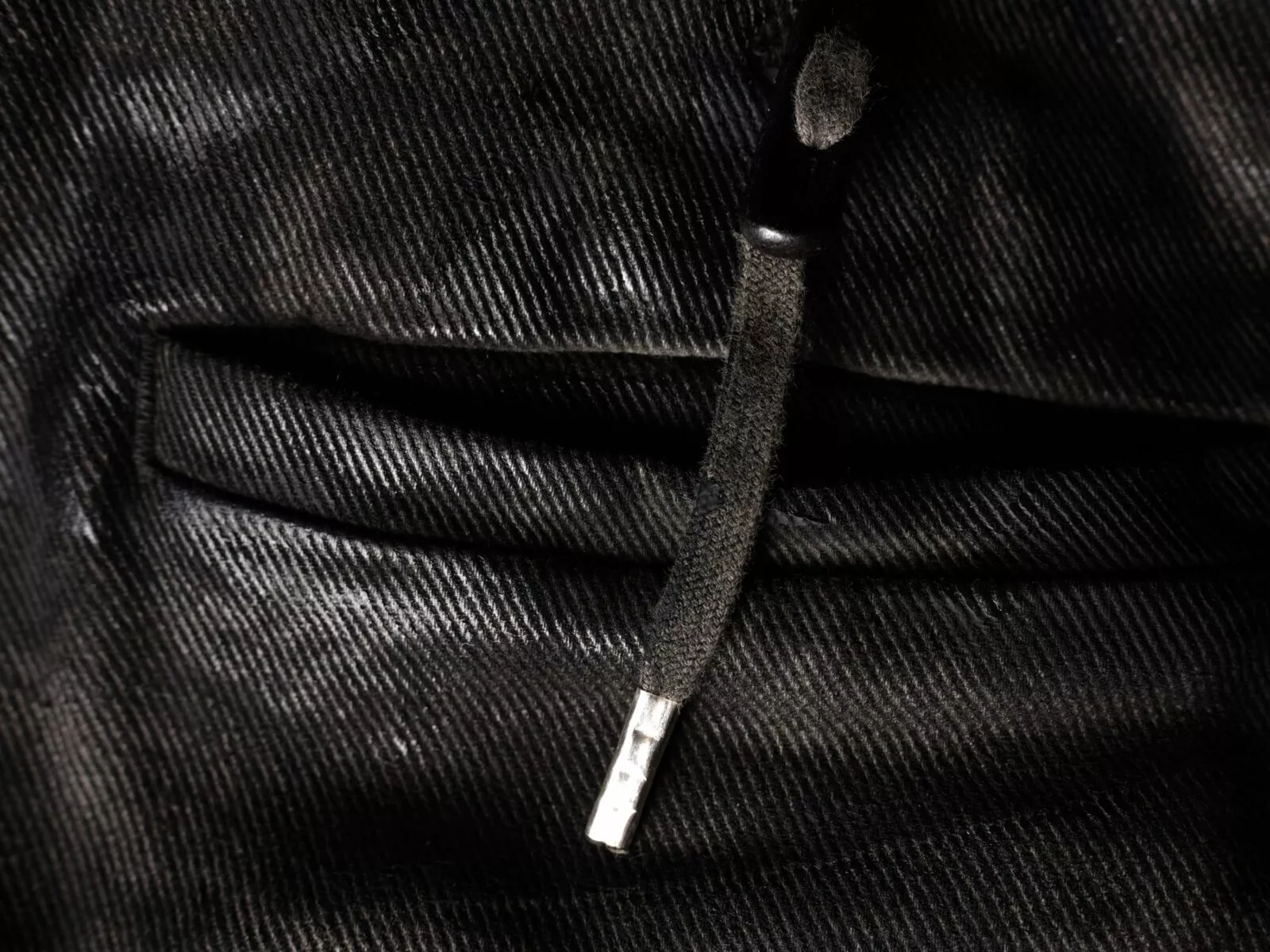
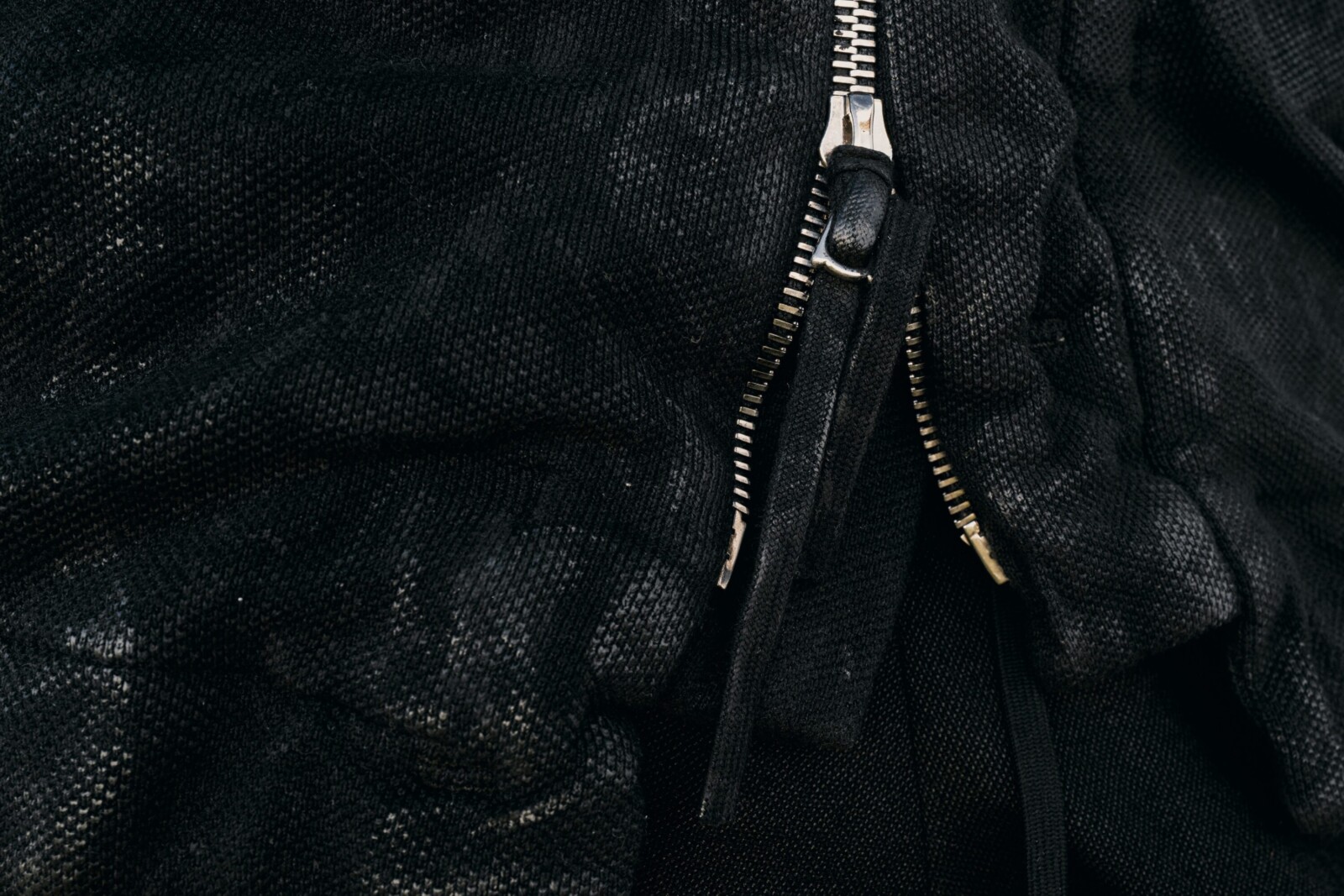
Modern luxury trades on polite disposable novelty. It sells delicate cashmere knitwear and high-gloss bags engineered to degrade after twelve months of seasonal retail circulation. Maurizio Altieri operated as an uncompromising counter-force. In his cloistered Umbrian atelier, garments were not cut to flatter ephemeral consumer vanity; they were constructed as dense anatomical carapaces built to withstand decades of physical wear.
Working out of Perugia alongside craftsmen who would subsequently redefine artisanal darkwear—including Маурицио Амадеи and Luca Laurini of Метка в разработке—Altieri laid the structural foundation of contemporary artisanal dress. Through our foundational study of Carpe Diem and the birth of a new artisanal language, we investigate an uncompromising trajectory: burying horsehide in earth to accelerate biological decay, sculpting wholecut footwear without internal toe puffs, dividing production into four radical conceptual projects, and suddenly immolating his own enterprise at its commercial summit.
The Perugia sanctuary: Anti-commercial refusal and the founding of 1+1=3
Maurizio Altieri avoided design academies entirely. Born in Rome, he spent over a decade wandering as a nomad through Mexico, Turkey, Thailand, and the American Southwest. He worked manual jobs, bartered for antique tribal textiles, and absorbed the raw mechanics of indigenous leather preservation. By the time he returned to Italy in the early 1990s, western commercial consumerism repulsed him.
In 1994, Altieri established 1+1=3 in Перуджа, an austere medieval hill fortress in Umbria located far from the runway circuses of Milan. The corporate name was literal. When an artisan and an unadulterated organic material collide with uncompromising devotion, the resulting artifact produces an alchemical energy that exceeds the arithmetic sum of its parts.
Altieri demanded monastic isolation. He barred fashion journalists from entering his workshop. He dismissed seasonal presentation calendars, lookbooks, press releases, and marketing budgets. Retailers seeking to buy Carpe Diem traveled to Perugia unannounced, slept on rough workshop mattresses, and accepted whatever garments Altieri chose to hand them. Garments were not conceived as inventory for retail churn; they functioned as ritual relics requiring discipline from both maker and wearer, as detailed in our analysis of the birth of artisanal language.
Subterranean tanning: Buried horsehide, domestic washing machines, and biological decay
Commercial tanning uses synthetic chromium salts and polymer coatings to yield smooth, identical skins. Altieri found that sterile perfection hollow. He wanted leather that documented physical violence, climate exposure, and mortality.
Collaborating with historic Tuscan tanners at Guidi in Pescia, Altieri procured dense, vegetable-tanned equine hides. He banned chemical drum softeners. To break the unyielding stiffness of heavy cordovan and culatta, he invented brutal physical stress protocols. Completed boots and tailored jackets were thrown into heavy industrial washing drums loaded with wet river gravel, pummeling the hides until seam lines contorted and grain surfaces puckered.
His most radical intervention was subterranean fermentation. Altieri buried sheets of raw cordovan horsehide deep within damp Umbrian soil and rotting peat moss for months. Soil bacteria, humidity, and subterranean minerals fed on the organic matter, etching irregular vein structures and mossy patinas into the hide. Exhumed and baked under Mediterranean sunlight, the skins carried an intoxicating aroma of damp loam and calcified bone. No two skins were identical. The garment arrived with geological time already sealed inside its grain.
Wholecut cordwaining: Anatomical lasts, reverse horsehide, and one-piece architecture
Footwear formed the core of the Carpe Diem revolution. Before cutting jackets, Altieri mastered cordwaining. His 5-hole and 7-hole lace-up boots and ankle-hugging back-zips altered modern darkwear footwear proportions forever.
Altieri eliminated traditional footwear reinforcements. He discarded synthetic toe puffs, rigid plastic counters, and internal linings. He lasted boots from thick, unlined reverse horsehide (culatta rovesciata), turning the fibrous suede flesh side outward while the glass-smooth grain cradled the foot. Deprived of internal stiffeners, the leather collapsed organically over the foot, forming rippling horizontal accordion folds across the vamp that mirrored the wearer’s gait.
Wholecut and one-piece patterns achieved pure structural reduction. By cutting an entire boot upper from a single seamless plane of equine leather, Altieri reduced construction to a solitary structural seam running up the back of the heel. Artisans lasted the leather over hand-sculpted wooden lasts, stitching the uppers to stacked leather outsoles using dense linen thread and wooden lemonwood pegs. The result was wearable sculpture that gained character with every scuff on city concrete.
The four projects: Carpe Diem, LMaltieri, Linea, and Continuitas
As Altieri’s technical experiments multiplied, he segmented his Perugia atelier into four distinct material laboratories, each investigating an autonomous structural challenge.
Carpe Diem (C-Diem) focused on foundational outerwear, unlined shearling coats, and wholecut boots. Pieces featured hand-carved horn buttons, raw hem executions, and towering funnel collars that wrapped the neck in thick, protective calfskin.
LMaltieri investigated knitwear and heavy woven textiles. Altieri selected unspun virgin wool, coarse Irish flax linen, and heavyweight ramie, constructing anatomical sweaters and spiraling seam trousers. Knits underwent hot over-dyeing and boiling, shrinking into compact sculptural shells that adhered closely to the spine.
Linea was Altieri’s tailoring laboratory. Here, he dismantled classical suiting conventions. He banned floating canvases, shoulder padding, and interior lining silks. Patterns were drafted along organic curves rather than rigid straight angles, allowing jackets to drape with subtle asymmetry. Seams were either left raw or closed with blind hand-stitching, providing a foundational blueprint for deconstruction in contemporary tailoring.
Continuitas investigated seamless leather goods and hardware-free construction. Wallets, utility holsters, and belts were folded from single planes of hide using origami geometry, secured exclusively through material tension and interlocking die-cut slits without a single thread or metal rivet.
The Carpe Diem diaspora: Altieri’s Umbrian workshop as avant-garde crucible
Altieri never worked as an isolated dictator; he led a collective of obsessive artisanal disciples. His Perugia workshop operated as the decisive incubator of modern darkwear, producing craftsmen who went on to define independent artisanal fashion for the next two decades.
Маурицио Амадеи worked alongside Altieri for years as chief leather cutter and patternmaker, mastering folding techniques and raw-edged geometry before departing to create m.a+, renowned for its silver cross hardware, one-piece origami folding, and accordion leather boots.
Luca Laurini developed knitwear treatments and fabric finishing at Carpe Diem before establishing Метка в разработке, applying mathematical architectural principles to recycled military woolens, cold-dyed cottons, and laser-fused knitwear.
Sara Lanzi developed her textile sensitivity in Perugia before establishing her eponymous womenswear line. The creative exchange between Altieri and Milanese contemporaries like Carol Christian Poell codified a shared language of object-dyeing, anatomical manipulation, and uncompromising material purity that established итальянском артельном модном движении.
The sudden immolation: Burning inventory and the m-moriabc resurrection
By 2006, Carpe Diem had reached the apex of global cult reverence. Luxury stockists worldwide—from L’Eclaireur in Paris to Lift in Tokyo—competed for scarce allocations. Luxury conglomerates circled with acquisition offers. Commercial success, however, signaled aesthetic compromise to Altieri.
He refused to scale. In an act of radical refusal that sealed his mythic standing, Altieri shuttered the company overnight in 2006. He declined to sell remaining warehouse inventory to discount liquidators and refused to license the brand trademark. Instead, he burned unsold garments, shredded workshop pattern archives, and vanished from public fashion life for six years.
In 2012, Altieri returned with m-moriabc. Stripping cordwaining down to its philosophical essence, he sculpted three foundational lasts designated simply A, B, and C. Every shoe was constructed from wholecut cordovan, encased inside hand-planed wooden ammunition cases, and fitted with removable carbon-fiber and leather ergonomic footbeds. Produced in microscopic batches and priced in thousands of euros, m-moriabc confirmed that Altieri’s artisanal absolutism remained intact.
The enduring monument: Artisanal absolutism and the dark avant-garde canon
Three decades after the founding of 1+1=3, Maurizio Altieri’s influence remains absolute. He did not invent leather garments or tailoring, but he radically altered how the human body experiences them.
Where conventional fashion glorifies disposable seasonal novelty, Altieri engineered garments built to outlive their creators. His focus on honest material decay, anatomical wholecut cordwaining, and complete creative independence established the moral benchmark against which all dark avant-garde fashion is judged. From Boris Bidjan Saberi до Rick Owens, designers working with tumbled horsehides, twisted seams, and unlined raw tailoring walk along paths first carved through the Umbrian hills by Maurizio Altieri.
Связанные архивы брендов и исторические монографии
Explore curated archival monographs and historical studies across the dark avant-garde: inspect monographs on Маурицио Амадеи (m.a+), Метка в разработке, Carol Christian Poell, Boris Bidjan Saberiи Rick Owens, или изучай основные исторические анализы, включая Лови момент и рождение нового ремесленного языка, Итальянское движение артезанальной моды, Деконструкция в модеи Темная авангардная мода: происхождение, дизайнеры и эстетика.