Biek Verstappen
Contemporary Handmade Garments
Informazioni su Biek Verstappen
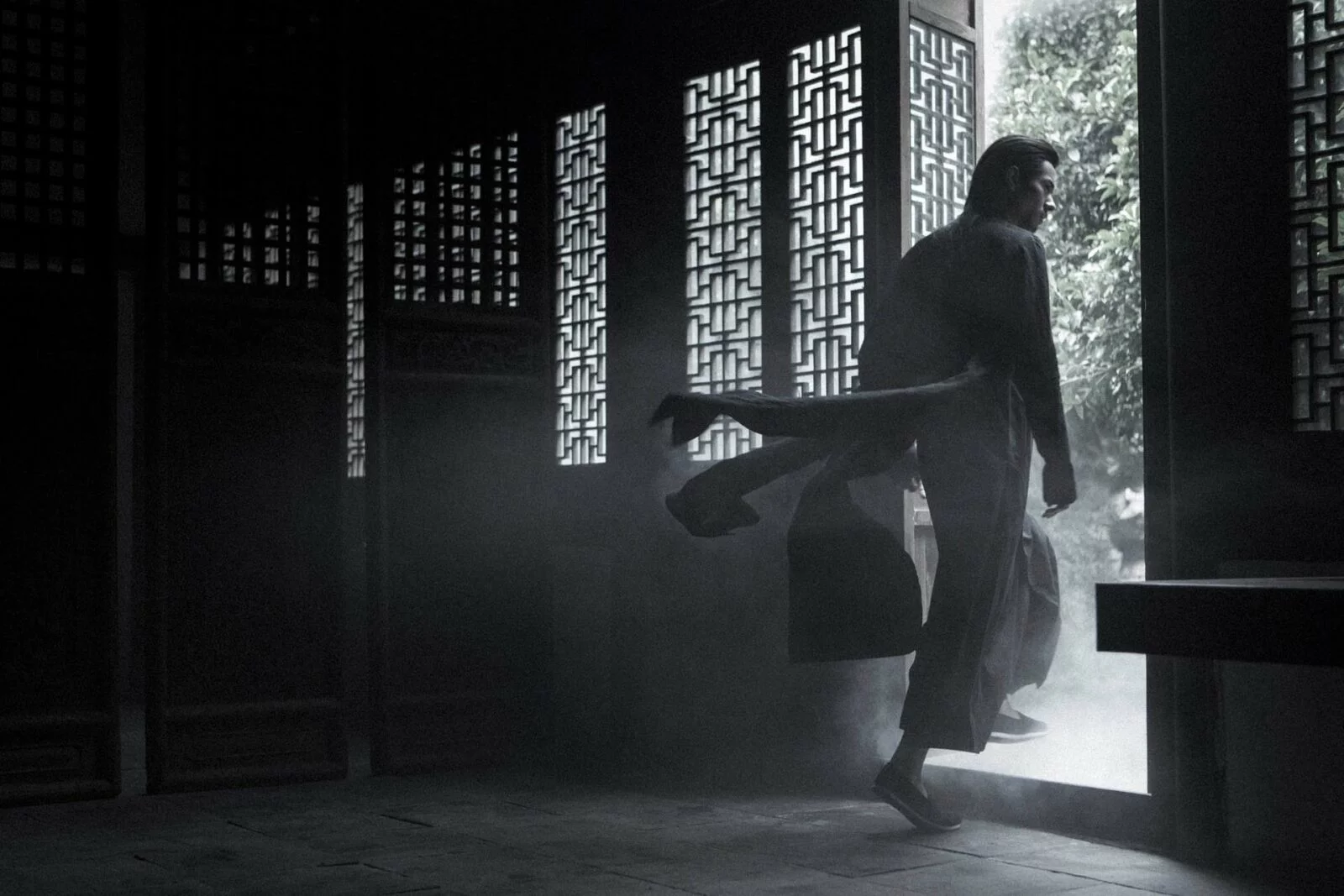
There is something about Biek Verstappen’s work that feels slightly out of time, neither in a nostalgic way, nor a futuristic one either, more like a pause. The clothes can bring up distant memories, while still feeling very present. That combination runs through everything she makes.
Biek does not come from a traditional fashion background. She didn’t study fashion and never worked for another designer before starting her own brand. What shaped her instead was growing up with a mother who was a designer and as a result aesthetics were present in everyday life. There was attention to materials, to how things were made, to why comfort and usefulness matter and sustainability was one of the key aspects. Her mother first ran a children’s clothing brand and later a leather label called Kai. All of that quietly became Biek Verstappens education.
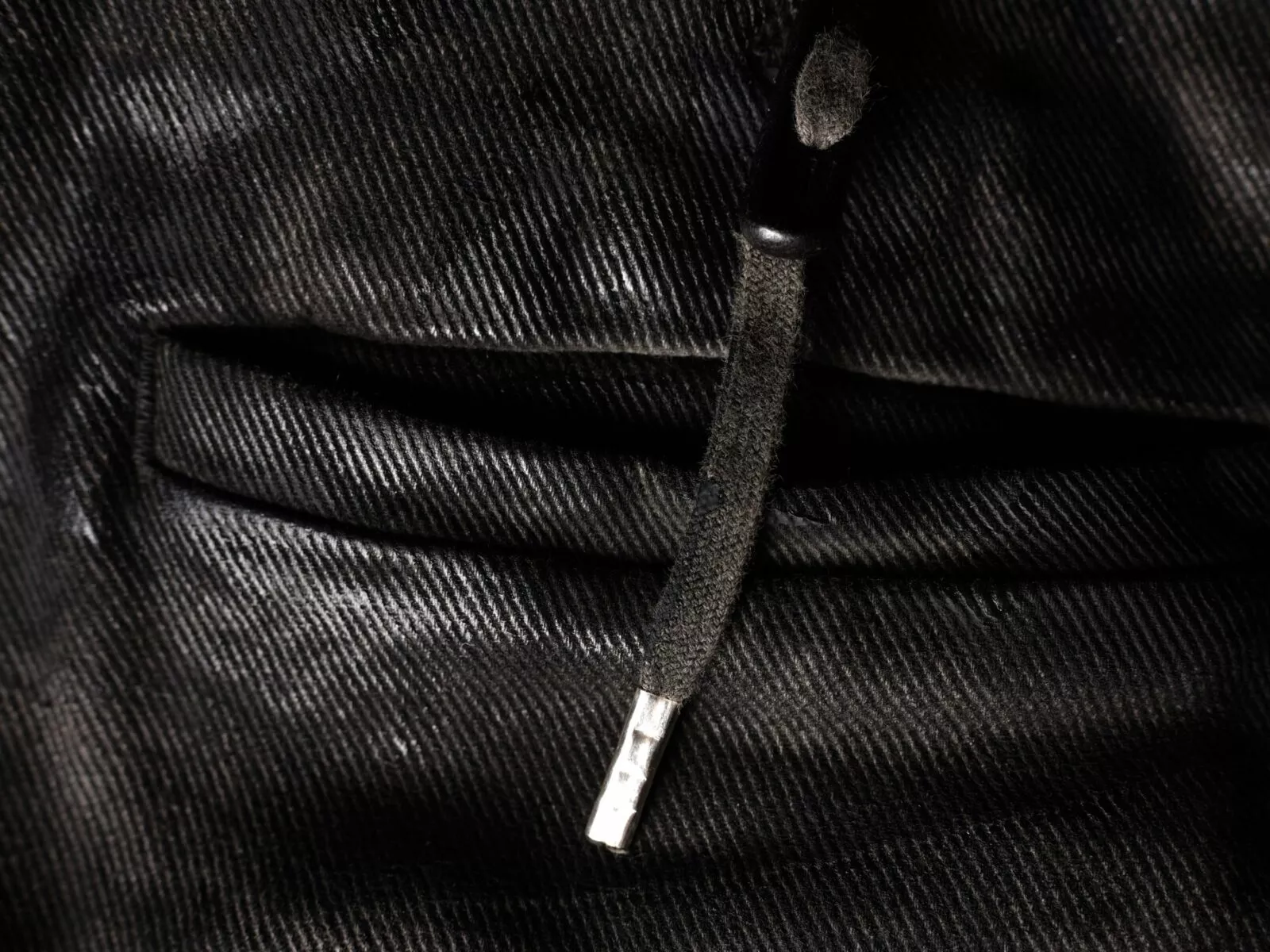
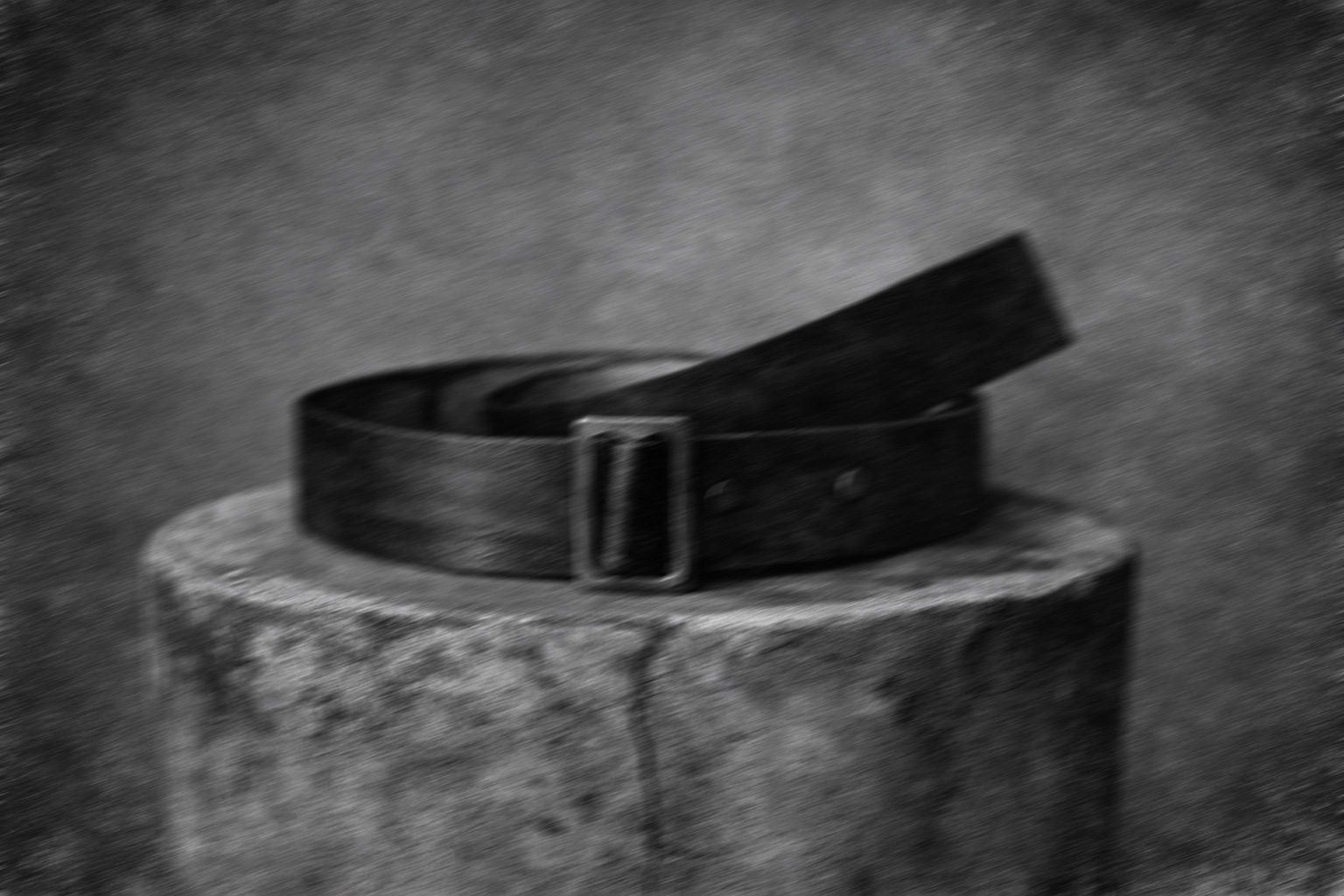
She doesn’t work toward a fixed outcome, no clear end point she is aiming for. Most decisions come from intuition. She is drawn to things that last, things that don’t need to be explained or justified, like natural fibers, solid construction, techniques that have been around for a long time for a reason. Her clothes are not meant to dominate, they are meant to leave space for the person wearing them. Movement matters, versatility matters. “The same piece should feel right at a dinner table, in the garden, or during a slow day at home”.
Nature plays a large role in her way of working: Colors and textures often come from being outside rather than from trend research. She lives in the middle of the Netherlands, close to the sea, near a nature reserve called the Waterduinen. Walking there regularly, watching how the seasons slowly change the landscape, influences her sense of color and structure more than anything else.
The senses are important to her creative process, smell in particular, for example the smell of her child, her partner, and the perfume Notturno by Meo Fusciuni – an earthy layered scent that is carefully built, but not excessive, which reflects how she prefers things to be in general.
Light and shadow are recurring elements in her work. She feels a strong connection to the Dutch old masters and their way of observing the sky. Colors are almost never fully white or fully black, the depth comes from everything in between which makes her approach color in the same way, building shades slowly through several dye baths until the nuance feels right. Some colors take time which is accepted as part of her artisanal processes.
Her atelier is one of the places where all of this comes together. After leaving Amsterdam, Biek and her partner moved to the Dutch flower fields. Behind their house stands an old flower bulb shed, nearly a hundred years old, which now serves as her studio. It is quiet there and the wind moves freely across the land, rain hits the metal roof, and the seasons are always visible. There is a canal nearby where they skate in winter and swim in summer. The garden is an important part of daily life. In winter the plants appear fragile, almost skeletal, and in summer they are generous. Despite the romantic setting, the building itself is fully restored, insulated, and powered by solar panels.
Certain values in Biek Vertappens work are strength and vulnerability, honesty, durability, the luxury of fabric and movement. Development for her constantly continues and grows, both in life and in design and not knowing exactly what comes next is part of what keeps her engaged.